
How to Teach Gene Expression and Protein Synthesis: A Comprehensive Guide for Biology Educators
Teaching gene expression and protein synthesis can seem daunting at first. These complex biological processes involve many steps and specialized vocabulary that students often find challenging to understand. Effective teaching of these concepts requires breaking down the information into manageable chunks while using visual aids and hands-on activities to reinforce learning.

Gene expression is fundamental to understanding how cells function and how traits are expressed in living organisms. It's the process by which the information encoded in DNA is converted into functional products like proteins that carry out cellular activities. When students grasp these concepts, they gain insight into how genetic information flows from DNA to RNA to proteins.
Key Takeaways
Breaking down gene expression into distinct steps helps students better understand the complex process of converting genetic information into functional proteins.
Visual models and interactive activities significantly enhance student comprehension of transcription and translation processes.
Understanding gene expression provides students with essential knowledge about cellular function and creates a foundation for exploring genetic disorders and biotechnology applications.
The Fundamentals of Gene Expression
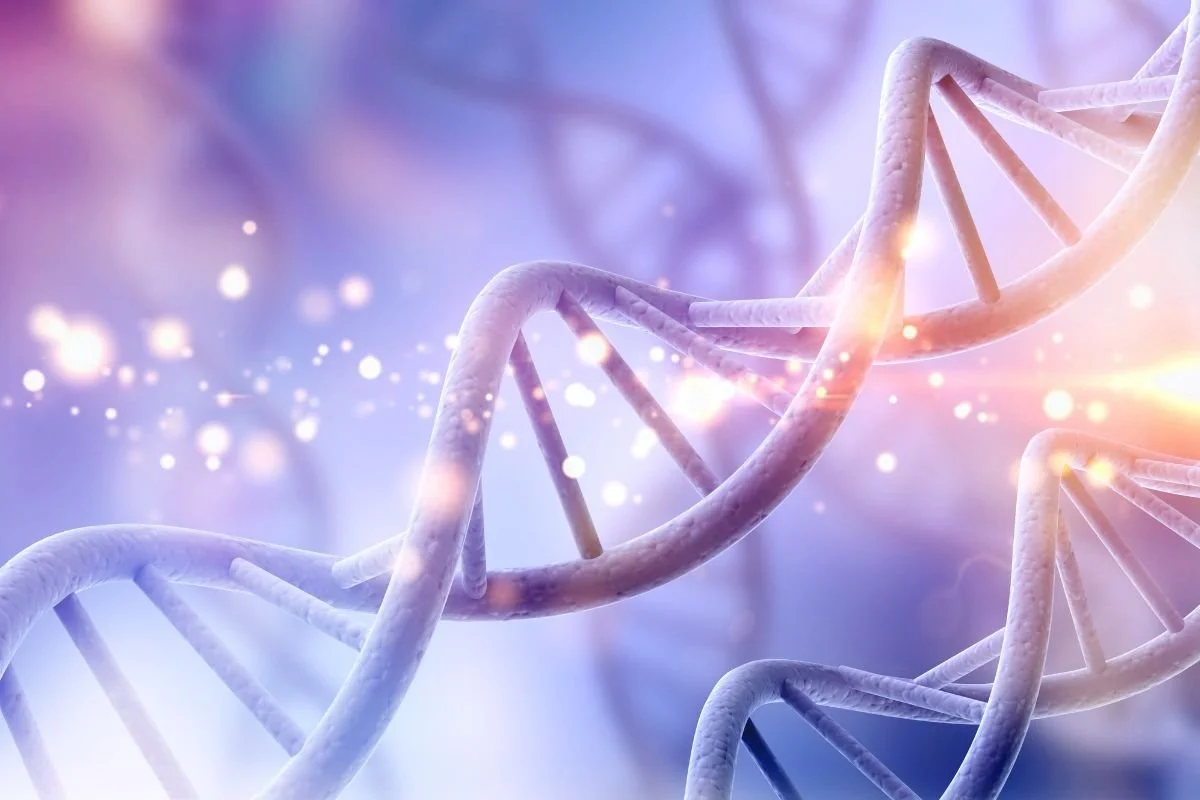
Gene expression is the process that transforms the genetic information in DNA into functional products like proteins. This multi-step process involves several key molecules and mechanisms that work together to ensure cells produce the right proteins at the right time.
Central Dogma of Molecular Biology
The Central Dogma describes the flow of genetic information in cells. It states that information moves from DNA to RNA to protein. This one-way process has two main steps: transcription and translation.
In transcription, the cell copies a gene's DNA sequence into RNA. The enzyme RNA polymerase attaches to the DNA at a specific region called the promoter. It then moves along one DNA strand, creating a complementary RNA strand.
Translation occurs when the cell converts the RNA message into a protein. This happens at ribosomes, where transfer RNA (tRNA) molecules bring amino acids that match the RNA code. The amino acids link together to form a protein chain.
The Central Dogma explains how cells use their genetic instructions to build the proteins needed for life.
DNA: The Blueprint of Life
DNA (deoxyribonucleic acid) contains the instructions for building and maintaining an organism. It consists of two strands that twist around each other to form a double helix.
Each strand is made of units called nucleotides. These contain:
A phosphate group
A sugar (deoxyribose)
One of four nitrogen-containing bases: adenine (A), guanine (G), cytosine (C), or thymine (T)
The bases pair in specific ways: A with T, and G with C. This pairing creates the genetic code.
DNA is organized into genes, which are specific sequences that code for proteins or RNA molecules. Humans have about 20,000 protein-coding genes, but these make up only about 1.5% of our DNA.
The remaining DNA includes regulatory sequences that control gene expression and other regions whose functions scientists are still studying.
RNA and Its Types
RNA (ribonucleic acid) plays crucial roles in gene expression. Unlike DNA, RNA is usually single-stranded and contains the sugar ribose instead of deoxyribose. It also uses the base uracil (U) instead of thymine.
Several types of RNA exist with different functions:
Messenger RNA (mRNA) - Carries the genetic code from DNA to ribosomes for protein synthesis
Transfer RNA (tRNA) - Brings amino acids to ribosomes during translation
Ribosomal RNA (rRNA) - Forms part of ribosomes, the protein-making factories
Other important RNA types include microRNA and small nuclear RNA, which help regulate gene expression.
RNA molecules can fold into complex shapes that allow them to perform enzymatic functions, similar to proteins. These RNA-based enzymes, called ribozymes, highlight RNA's versatility in cellular processes.
Understanding Transcription and Its Mechanisms
Transcription is the first step in gene expression where DNA is copied into RNA. This fundamental cellular process involves several key enzymes and regulatory proteins that ensure accurate conversion of genetic information.
Role of RNA Polymerase
RNA polymerase is the main enzyme responsible for transcription. It binds to DNA and synthesizes RNA by adding complementary nucleotides one by one.
In eukaryotes, there are three types of RNA polymerases (I, II, and III). RNA polymerase II handles most protein-coding genes, creating messenger RNA (mRNA).
The enzyme first recognizes and binds to the promoter region of DNA. It then unwinds the DNA double helix, creating an open complex where RNA synthesis can begin.
RNA polymerase reads the template strand of DNA in the 3' to 5' direction while building the RNA molecule in the 5' to 3' direction.
Transcription Factors and DNA Binding
Transcription factors are proteins that help RNA polymerase identify where to start transcription. They bind to specific DNA sequences near genes.
These proteins can be divided into two main groups:
General transcription factors: Required for all genes
Specific transcription factors: Regulate particular genes
Transcription factors work by:
Recognizing and binding to DNA sequences
Recruiting RNA polymerase
Helping unwind DNA
Stabilizing the transcription complex
Some transcription factors respond to signals like hormones or growth factors, allowing cells to adjust gene expression based on environmental needs.
Post-Transcriptional Modifications
After RNA is synthesized, it undergoes several modifications before leaving the nucleus. These changes improve RNA stability and function.
The addition of a 5' cap involves attaching a modified guanine nucleotide to the beginning of the RNA. This protects the RNA from degradation and helps with translation.
Polyadenylation adds multiple adenine nucleotides (poly-A tail) to the 3' end of mRNA. This structure extends the RNA's lifespan and aids in export from the nucleus.
Chemical modifications like methylation, acetylation, and phosphorylation can also alter RNA structure and function, providing additional regulatory control.
RNA Processing and Splicing
RNA splicing removes non-coding segments (introns) and joins coding regions (exons) to create the final mRNA molecule. This process is crucial in eukaryotes.
The splicing mechanism relies on the spliceosome, a complex of proteins and RNA molecules that:
Recognizes specific sequences at intron boundaries
Cuts out introns
Connects exons together
Alternative splicing allows a single gene to produce multiple protein variations. By including or excluding certain exons, cells can generate different mRNA versions from the same DNA sequence.
This process explains how humans can have approximately 20,000 genes but produce over 100,000 different proteins.
Translation and Protein Synthesis
Translation is the second major step in gene expression where the genetic code in mRNA is decoded to produce proteins. This complex process involves multiple cellular components working together to build proteins based on the genetic instructions.
Ribosome Function and Translation Process
Ribosomes are cellular structures composed of proteins and ribosomal RNA (rRNA) that serve as the protein-making factories. They have two subunits - large and small - that join together during translation. The process begins when the small ribosomal subunit attaches to mRNA at the start codon (AUG).
Translation occurs in three main phases: initiation, elongation, and termination. During initiation, the ribosome assembles at the start codon. In elongation, amino acids are added one by one according to the mRNA sequence. This happens at specific sites on the ribosome called P (peptidyl) and A (aminoacyl) sites.
Termination occurs when the ribosome reaches a stop codon (UAA, UAG, or UGA), signaling the end of protein synthesis. The completed protein is then released.
tRNA and Amino Acid Assembly
Transfer RNA (tRNA) molecules are essential adapters in translation. Each tRNA has:
An anticodon region that recognizes and binds to specific mRNA codons
A site where a specific amino acid attaches
A distinctive L-shaped structure
Enzymes called aminoacyl-tRNA synthetases ensure that the correct amino acid is attached to each tRNA. This process, called charging, creates aminoacyl-tRNAs that deliver amino acids to the ribosome.
During elongation, tRNAs bring their amino acids to the ribosome according to the codon sequence. A peptide bond forms between adjacent amino acids, creating a growing polypeptide chain. This process continues codon by codon until completion.
Protein Folding and Post-Translational Modifications
After synthesis, the linear polypeptide chain must fold into its correct three-dimensional structure to become functional. Protein folding is guided by:
Hydrogen bonds between amino acids
Hydrophobic interactions
Ionic bonds
Helper proteins called chaperones
Many proteins undergo modifications after translation. These post-translational modifications include:
Addition of chemical groups (phosphorylation, glycosylation)
Removal of amino acids
Addition of lipids
Formation of disulfide bridges
Incorrect folding can lead to non-functional proteins and diseases like Alzheimer's and cystic fibrosis. The final protein structure determines its function in the cell, completing the process of transforming genetic information into working cellular machinery.
Molecular Techniques in Gene Expression Study
Modern laboratory techniques have revolutionized our ability to study gene expression and protein synthesis at the molecular level. These methods allow scientists to manipulate DNA, amplify genetic material, and analyze proteins with remarkable precision.
Recombinant DNA and Genetic Engineering
Recombinant DNA technology allows scientists to combine DNA from different sources to create novel genetic sequences. This process begins with isolation of the target gene using restriction enzymes that cut DNA at specific sites.
Scientists then insert this gene into a vector—often a bacterial plasmid—creating recombinant DNA that can be introduced into host cells. These cells become tiny factories for producing the encoded protein.
Common applications include:
Production of insulin for diabetes treatment
Creation of disease-resistant crops
Development of vaccines
Expression systems vary from bacterial cells (for simple proteins) to mammalian cells (for complex proteins requiring specific modifications). The choice depends on the protein's characteristics and intended use.
Polymerase Chain Reaction (PCR)
PCR is a powerful technique that creates millions of copies of a specific DNA sequence in just hours. The process mimics natural DNA replication but occurs in a test tube.
The basic PCR cycle has three steps:
Denaturation: Heating separates DNA strands
Annealing: Primers attach to target sequences
Extension: DNA polymerase builds new strands
PCR applications in gene expression studies include:
Quantifying mRNA levels using RT-PCR
Amplifying rare transcripts for analysis
Creating DNA libraries for sequencing
Real-time PCR allows scientists to monitor gene expression levels as the reaction progresses, providing quantitative data about specific genes.
Technologies in Proteomics Research
Proteomics examines the complete set of proteins produced by a cell or organism. These techniques help connect gene expression to actual protein function.
Mass spectrometry serves as the cornerstone of proteomics research. This technology identifies proteins by measuring the mass-to-charge ratio of their fragments with incredible accuracy.
Protein microarrays work similarly to DNA microarrays but detect proteins instead of nucleic acids. They can analyze thousands of proteins simultaneously.
Western blotting identifies specific proteins in a complex mixture. The technique separates proteins by size, transfers them to a membrane, and uses antibodies for detection.
Advanced imaging techniques like confocal microscopy track protein movements within cells, showing not just what proteins are present but where they function.
Bioinformatics and Gene Expression Analysis
Modern technology has transformed how we study gene expression through powerful computational tools and techniques. Bioinformatics bridges biology and computer science, enabling researchers and educators to analyze complex genetic data and visualize gene expression patterns.
Gene Expression Databases and Tools
Several online databases provide free access to gene expression data for classroom use. The Gene Expression Omnibus (GEO) and ArrayExpress contain thousands of datasets from various experiments and organisms. These resources let students explore real scientific data.
Popular Gene Expression Tools:
NCBI Gene: Information about gene function and expression
UCSC Genome Browser: Visual exploration of gene sequences
Ensembl: Comprehensive genomic information
KEGG: Pathway analysis for understanding gene relationships
Teachers can design activities where students use these tools to compare expression patterns between different tissues or under varying conditions. Start with simple interfaces like GeneCards that present information in an easy-to-understand format before moving to more complex tools.
RNA Sequencing (RNA-Seq) and Data Interpretation
RNA-Seq measures the quantity of RNA in a sample to determine which genes are active. This technique has revolutionized our understanding of gene expression by providing a comprehensive view of the transcriptome.
Basic RNA-Seq analysis involves:
Quality control of sequence data
Alignment to a reference genome
Quantification of gene expression levels
Differential expression analysis
For classroom purposes, simplified RNA-Seq datasets can be used with tools like Galaxy, a user-friendly platform requiring no programming skills. Students can identify genes that are upregulated or downregulated between samples and discuss biological implications.
Teaching tip: Use heat maps and other visualizations to help students grasp expression patterns. These visual tools make complex data more accessible.
Single-Cell RNA Analysis
Single-cell RNA sequencing (scRNA-seq) examines gene expression in individual cells, revealing cellular diversity previously hidden in bulk analysis. This technology has transformed our understanding of cell populations and developmental processes.
In educational settings, simplified scRNA-seq data can demonstrate how cells with the same DNA can have different expression profiles. Students can observe how:
Cells cluster based on similar gene expression patterns
Cell types have unique "signature genes"
Expression changes during development or disease progression
Free tools like the Loupe Browser from 10x Genomics allow visualization of scRNA-seq data without programming experience. Start with pre-analyzed datasets and guide students through interpreting visual representations like t-SNE or UMAP plots.
For advanced classes, introduce basic concepts of dimensionality reduction and clustering algorithms that make single-cell analysis possible.
Gene Regulation in Prokaryotic versus Eukaryotic Cells
Cells control gene expression through different mechanisms depending on their complexity. The regulation of genes varies significantly between simple prokaryotic cells (like bacteria) and complex eukaryotic cells (like human cells).
Distinct Gene Regulation Mechanisms
Prokaryotic and eukaryotic cells use fundamentally different strategies to regulate their genes. Prokaryotes typically organize related genes into operons, which are clusters of genes controlled by a single promoter and operator. The lac operon in E. coli serves as a classic example where multiple genes involved in lactose metabolism are regulated together.
Eukaryotes, in contrast, regulate each gene individually. Their genes contain complex promoters with multiple regulatory elements that bind various transcription factors. These transcription factors can be activators that enhance gene expression or repressors that inhibit it.
The structural differences in DNA organization also impact regulation. Prokaryotic DNA floats freely in the cytoplasm, while eukaryotic DNA is wrapped around histone proteins and packaged into chromatin within the nucleus.
Coupled Transcription and Translation in Prokaryotes
In prokaryotes, transcription and translation occur simultaneously in the same cellular compartment. As RNA polymerase synthesizes mRNA, ribosomes can attach to the growing mRNA strand and begin translating it into protein before transcription is complete.
This coupling offers several advantages:
Speed: Protein synthesis starts before the entire gene is transcribed
Efficiency: Less energy is used in the process
Rapid response: Cells can quickly adjust to environmental changes
The lack of a nuclear membrane in prokaryotes makes this coupled process possible. This arrangement allows for fast protein production, which is crucial for bacteria that need to respond quickly to changing environments.
Regulation Complexity in Eukaryotic Cells
Eukaryotic gene regulation is significantly more complex with multiple layers of control. The physical separation of transcription (nucleus) and translation (cytoplasm) allows for extensive processing of RNA before protein synthesis begins.
Key regulatory features include:
Chromatin remodeling: DNA accessibility is controlled through histone modifications
Alternative splicing: One gene can produce multiple protein variants
RNA processing: mRNA undergoes capping, splicing, and polyadenylation
Post-transcriptional regulation: microRNAs and RNA-binding proteins affect mRNA stability
Eukaryotes also employ enhancers and silencers, DNA sequences that can be thousands of base pairs away from the gene they regulate. These elements bind transcription factors that interact with the promoter through DNA looping, creating another layer of regulation not found in prokaryotes.
Practical Applications of Gene Expression Knowledge
Understanding gene expression has led to significant advances in biotechnology, medicine, and research. These applications have transformed how we diagnose and treat diseases while opening new avenues for therapeutic development.
Expression Vectors and Protein Overproduction
Expression vectors are specialized DNA molecules that enable scientists to introduce genes into host cells. These vectors contain the gene of interest along with regulatory elements necessary for proper expression. When inserted into bacterial, yeast, or mammalian cells, these vectors can produce large quantities of specific proteins.
Researchers use expression vectors to create insulin for diabetic patients, growth hormones for treating growth disorders, and numerous enzymes for industrial applications. The process typically involves:
Cloning the gene of interest into the vector
Transforming host cells with the vector
Inducing protein expression
Purifying the target protein
Modern expression systems can produce proteins with post-translational modifications that match those in humans. This capability has revolutionized the production of therapeutic proteins and research reagents.
Gene Synthesis and Therapeutic Strategies
Gene synthesis technologies allow scientists to create custom DNA sequences for therapeutic applications. These synthetic genes can be designed to correct mutations or enhance specific cellular functions.
Gene therapy approaches include:
Replacement therapy: Introducing functional genes to replace mutated ones
Gene editing: Using CRISPR and other tools to correct mutations
Gene silencing: Inhibiting the expression of harmful genes
For conditions like cystic fibrosis and hemophilia, gene synthesis has enabled the development of potential cures rather than just symptom management. The field has expanded to include mRNA therapeutics, which proved crucial in the rapid development of COVID-19 vaccines.
Recent advances have improved delivery methods using viral vectors and lipid nanoparticles. These delivery systems help ensure therapeutic genes reach their target cells effectively.
Disease Research and Targeted Therapies
Gene expression analysis has transformed how researchers study diseases like breast cancer and autoimmune disorders. By examining which genes are active in diseased cells, scientists can identify potential therapeutic targets.
This research has led to several breakthroughs:

Targeted therapies work by interfering with specific molecules involved in disease progression. For example, imatinib (Gleevec) targets the BCR-ABL protein in chronic myeloid leukemia, dramatically improving survival rates.
Personalized medicine relies heavily on gene expression data. Doctors now use gene expression profiles to predict which breast cancer patients will benefit from chemotherapy and which can safely avoid it.
Advanced Topics in Gene Expression
Gene expression involves intricate mechanisms beyond basic transcription and translation processes. These advanced concepts help explain how cells control protein production under different conditions and how scientists study these complex systems.
Epigenetic Modifications in Gene Expression
Epigenetic changes alter gene expression without changing the DNA sequence itself. These modifications include DNA methylation and histone modifications that can turn genes on or off. DNA methylation typically occurs at CpG sites and often silences gene expression. Histone modifications like acetylation and methylation change how tightly DNA wraps around histones.
These changes create specific gene expression patterns that vary between cell types. For example, liver cells express different proteins than brain cells despite having identical DNA. Epigenetic markers can be inherited and sometimes respond to environmental factors.
Scientists track these modifications using techniques like ChIP-seq (Chromatin Immunoprecipitation Sequencing) and bisulfite sequencing to map where these changes occur within the genome.
Structural Studies and Protein Complexes
Proteins rarely work alone inside cells. They form protein complexes that perform specialized functions. Structural biology techniques help researchers understand how these complexes assemble and function.
Key methods include:
X-ray crystallography
Cryo-electron microscopy (cryo-EM)
Nuclear magnetic resonance (NMR)
These techniques reveal the three-dimensional arrangements of protein complexes. For example, the ribosome—a massive complex that synthesizes proteins—was mapped using these methods, showing how its parts fit together during translation.
Understanding protein structure helps explain how mutations in coding regions affect protein function and potentially cause disease. Researchers can also use this information to design drugs that target specific protein complexes.
Affinity Chromatography and Protein Purification
Isolating specific proteins from cells is crucial for studying their properties. Affinity chromatography separates proteins based on their binding properties.
The process works in several steps:
Create a column with attached molecules that bind to the target protein
Pass cell extracts through the column
Wash away unbound proteins
Elute the target protein using specific chemicals
Common affinity tags include histidine tags, GST (glutathione S-transferase), and antibody-based systems. Each provides a different way to capture specific proteins.
After purification, researchers can determine a protein's:
Binding partners
Enzymatic activity
Structure
Post-translational modifications
This technique is essential for understanding protein expression levels and studying isolated proteins in controlled conditions.
Frequently Asked Questions
Teachers often encounter common questions when teaching gene expression and protein synthesis. These questions focus on understanding the central dogma, introducing key concepts, and using effective teaching strategies.
What are the stages involved in the central dogma of molecular biology?
The central dogma of molecular biology includes three main stages: DNA replication, transcription, and translation. In DNA replication, the double helix unwinds and each strand serves as a template for a new complementary strand.
Transcription occurs when DNA is used as a template to create messenger RNA (mRNA). RNA polymerase binds to the promoter region and synthesizes mRNA by adding complementary RNA nucleotides.
Translation happens in the ribosome where mRNA is decoded to produce a specific amino acid chain. This process requires transfer RNA (tRNA) molecules that bring amino acids to the ribosome according to the mRNA codons.
How can you effectively introduce the concept of protein synthesis to students?
Teachers can introduce protein synthesis using analogies that relate to students' daily lives. Comparing DNA to a cookbook and genes to recipes helps students grasp how instructions are stored and used.
Hands-on models using beads, pipe cleaners, or puzzle pieces allow students to physically manipulate the components. This tactile approach helps visual and kinesthetic learners understand the process better.
Starting with the real-world applications, such as how proteins determine eye color or height, can spark curiosity. Students often engage more deeply when they understand the relevance to their own bodies.
Can you explain the process of transcription in the context of protein synthesis?
Transcription begins when an enzyme called RNA polymerase binds to the promoter region of a gene. The DNA double helix then unwinds, exposing the template strand that will be transcribed.
RNA polymerase moves along the template strand, adding complementary RNA nucleotides according to base-pairing rules. Adenine pairs with uracil (instead of thymine), and guanine pairs with cytosine.
Once the polymerase reaches the terminator sequence, it releases both the DNA template and the newly formed mRNA. The mRNA is then processed by removing introns and adding a cap and tail before leaving the nucleus.
What are the key steps involved in the translation phase of protein synthesis?
Translation begins with initiation, where the small ribosomal subunit binds to mRNA at the start codon (AUG). The initiator tRNA carrying methionine attaches to this codon, and the large ribosomal subunit joins to form the complete ribosome.
During elongation, tRNA molecules bring amino acids to the ribosome according to the mRNA codons. As each amino acid is added to the growing chain, the ribosome moves one codon along the mRNA.
Termination occurs when the ribosome reaches a stop codon (UAA, UAG, or UGA). Since no tRNA recognizes these codons, release factors trigger the release of the completed polypeptide chain from the ribosome.
How is the regulation of gene expression essential for protein synthesis?
Gene regulation ensures that cells produce the right proteins at the right time and in the right amounts. This process prevents wasting energy on unnecessary proteins and ensures proper cell function.
Regulatory elements like promoters, enhancers, and silencers control when and how much a gene is transcribed. These elements interact with transcription factors that can either activate or repress gene expression.
Cells can regulate gene expression at multiple levels, including transcription, mRNA processing, translation, and post-translational modifications. This multi-level control allows for precise responses to changing environmental conditions.
What teaching strategies can be employed to help students visualize and understand the entire process of protein synthesis?
Animations and videos provide dynamic visualizations of protein synthesis. Resources like BioRender, HHMI BioInteractive, and YouTube channels like Amoeba Sisters offer engaging visual content that shows the process in motion.
Role-playing activities where students act as different components (DNA, RNA polymerase, ribosomes) can make abstract concepts concrete. Students physically move through the classroom to simulate the flow of genetic information.
Project-based learning activities, such as creating models or digital animations, encourage deeper understanding. When students create their own representations, they must thoroughly comprehend the process to explain it accurately.


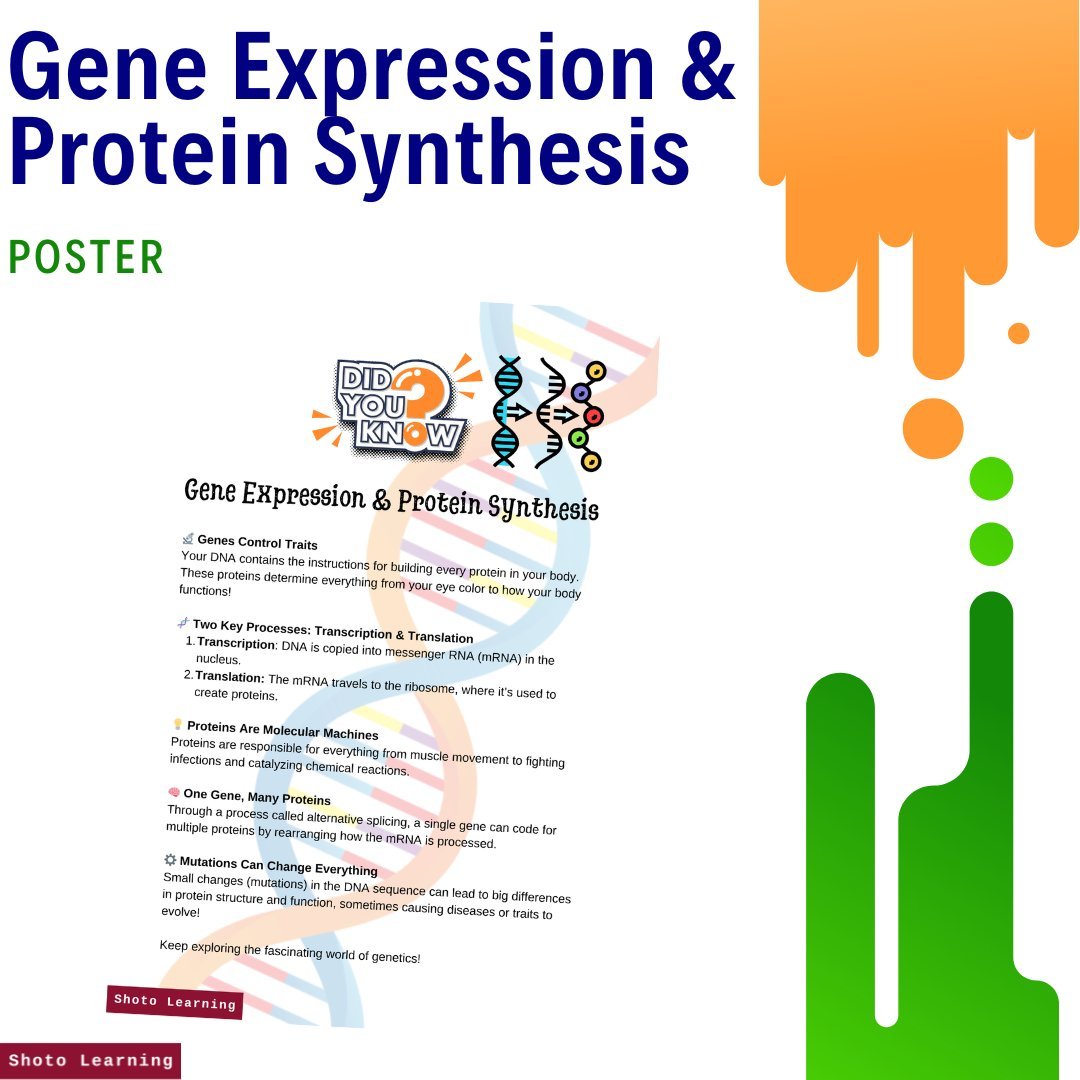




Unlock a comprehensive learning experience with our Complete Gene Expression & Protein Synthesis Bundle. This all-in-one package includes a diverse array of educational materials designed to engage students and deepen their understanding of gene expression and protein synthesis. Perfect for educators and students alike, this bundle offers everything from interactive activities and quizzes to detailed lesson plans and visual aids.
Key Features:
Variety of Activities: Includes Assignment, Bingo, Crossword, Cryptogram, Debate, Experiment, Fill-in-the-Blank, and more.
Comprehensive Resources: Comes with Flashcards, Lesson Plan, Matching, Missing-Letters, Multiple-Choice Questions, PowerPoint Presentation, Questions-&-Answers, Reading Comprehension, Scramble, Test, True-or-False Questions, Word Search, and Writing Prompts.
Supplemental Materials: Features Free ABC Order, Free Flashcards, and a Free Poster to enhance learning and engagement.
Engaging Formats: Designed to accommodate different learning styles and preferences, from hands-on experiments to interactive games and quizzes.
How to Use It:
Plan Lessons: Use the Lesson Plan and PowerPoint Presentation to structure your teaching sessions and introduce key concepts.
Engage Students: Incorporate activities like Bingo, Crossword, and Debates into your lessons to make learning interactive and fun.
Assess Understanding: Utilize Tests, Multiple-Choice Questions, and True-or-False activities to evaluate students’ grasp of the material.
Reinforce Learning: Employ Flashcards, Word Searches, and Writing Prompts to reinforce key concepts and vocabulary.
Enhance Learning: Use Free Flashcards and the Free Poster as visual aids and study tools to support student comprehension.
Equip yourself with this all-encompassing bundle to create a dynamic and effective learning environment for mastering gene expression and protein synthesis!
Pages: 139 pages
Order your copy today!