
Ultimate Guide to Crafting an Effective Lesson Plan
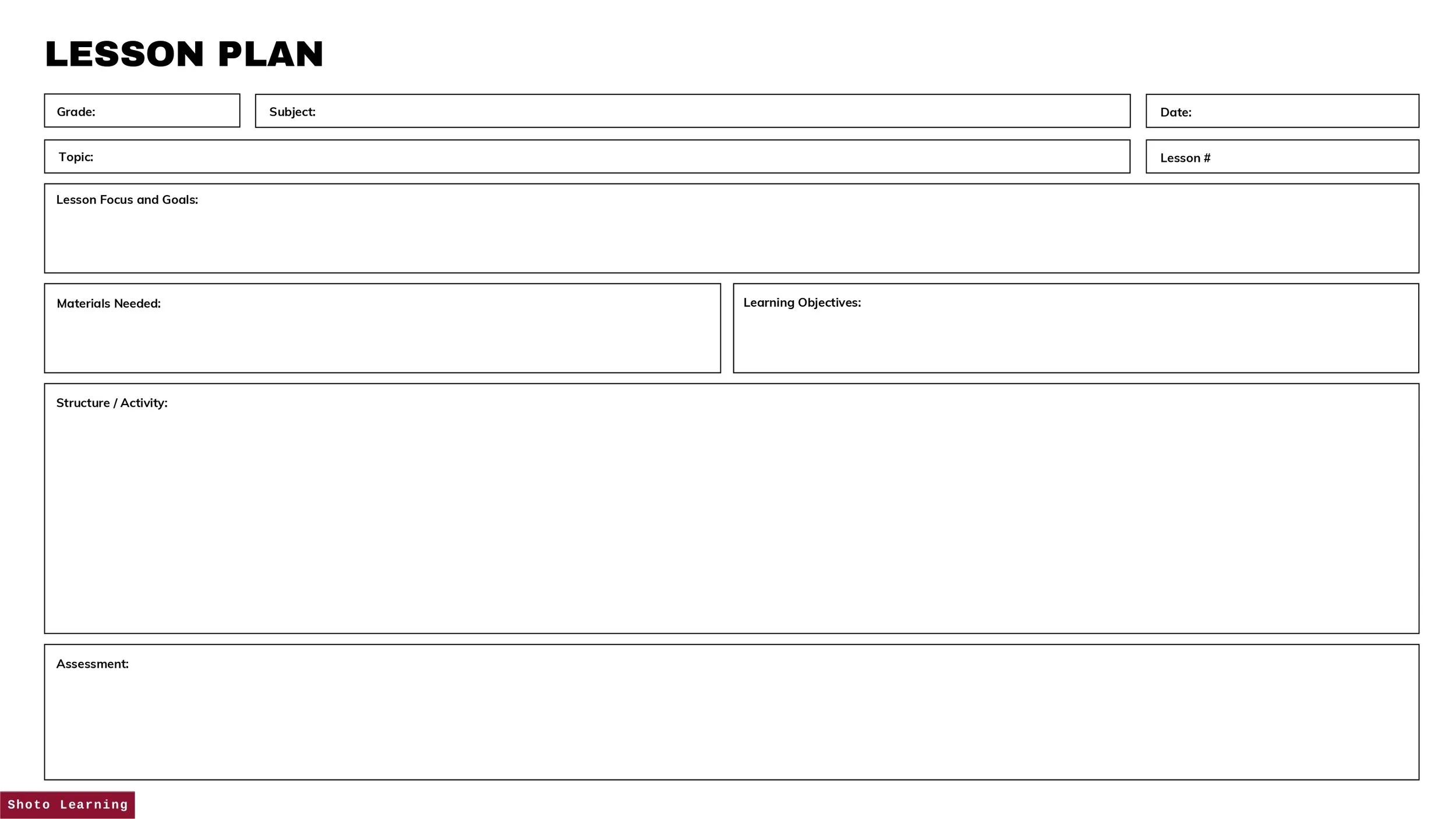
Creating an effective lesson plan is essential for any teacher striving to deliver organized, impactful, and engaging instruction. A lesson plan serves as a roadmap, guiding teachers through each class period and ensuring that every minute contributes to achieving learning goals. This comprehensive guide will walk you through the key components of a successful lesson plan, offering tips and best practices to make your planning process easier and more effective.
What Is a Lesson Plan?
A lesson plan is a structured outline that details what students will learn and how the teacher will facilitate that learning. It’s a strategic approach to teaching that helps keep teachers on track, minimizes wasted time, and promotes better learning outcomes.
Essential Components of a Lesson Plan
An effective lesson plan consists of several critical elements:
Learning Objectives
Clear and measurable learning objectives define the skills or knowledge students should acquire by the end of the lesson. These goals should be specific, attainable, and aligned with curriculum standards, helping students and teachers stay focused on desired outcomes.Materials and Resources
Gathering necessary materials in advance ensures a smooth lesson flow. Essential resources might include textbooks, handouts, multimedia tools, or online materials, all of which should be accessible and relevant to the lesson.Instructional Procedures
A well-planned procedure outlines the step-by-step teaching process. It includes a sequence of activities, timing, and teaching methods, such as lectures, discussions, or group work, that help students engage meaningfully with the content.Assessment Methods
Assessment is vital for gauging student progress. Teachers can incorporate various assessment types, like quizzes, assignments, or informal questioning, to measure understanding and provide valuable feedback.Differentiation Strategies
Every classroom includes students with diverse needs. Differentiation ensures that all students, regardless of ability, are engaged and challenged. This might involve modifying tasks, providing extra support, or offering extensions for advanced learners.
Why Lesson Plans Should Be Flexible
Adaptability is a crucial trait for any successful lesson plan. Students' needs, interests, or circumstances may change, requiring teachers to modify their plans on the go. A flexible lesson plan allows teachers to pivot as needed, maintaining an engaging and responsive learning environment.
Benefits of a Well-Structured Lesson Plan
With a structured lesson plan, teachers can:
Maximize Class Time: Minimize downtime and keep students on task.
Boost Efficiency: Stay organized and focused, saving time on impromptu decision-making.
Enhance Student Engagement: Plan for interactive and inclusive activities, creating a dynamic learning atmosphere.
Achieve Learning Objectives: Ensure each activity aligns with the lesson goals, helping students achieve meaningful progress.
Conclusion
A well-crafted lesson plan is essential for any teacher who wants to foster an organized, effective, and enjoyable classroom environment. By setting clear objectives, gathering resources, defining procedures, planning assessments, and preparing for differentiation, teachers can ensure that each class period contributes to meaningful learning. Embrace the power of a strong lesson plan to enhance your teaching practice and improve outcomes for your students.