
Getting ready for back-to-school season means gathering all the right supplies. Worksheets play a key role in helping students review, practice, and master important lessons in every subject. This guide shows which worksheets are most helpful for English, math, science, and social studies to make the start of the school year smoother for everyone.

From grammar practice and reading passages to math drills, science experiments, and social studies activities, worksheets can help keep lessons organized and students engaged. Teachers and parents can use these tools to make sure kids stay on track and understand what they are learning.
Key Takeaways
Worksheets help students practice and review important skills for each subject.
Teachers and parents can use worksheets to support strong lesson plans and student organization.
Using the right worksheets can make the back-to-school transition easier.
Key Benefits of Back-to-School Worksheets

Back-to-school worksheets provide direct ways for teachers to address student engagement, classroom routines, and the need for teaching flexibility. These tools support teachers in making lessons more interactive and help students practice new skills in an organized way.
Improving Engagement and Student Voice
Worksheets offer structured opportunities for students to participate in learning. By using a variety of formats—such as multiple choice, matching, or short responses—students can show what they know and express their opinions.
Teachers can use worksheets to gather feedback and ideas from students. For example, interest surveys or "About Me" sheets give students a chance to share their thoughts and preferences. This helps students feel noticed and builds a sense of belonging in the classroom.
Key ways worksheets boost engagement and voice:
Allow multiple types of responses, not just right or wrong answers
Offer reflection questions to give students room to explain their thinking
Let quiet or shy students express themselves in writing
When students know their voices matter, they are more likely to participate and stay interested in lessons.
Supporting Classroom Management
Well-designed worksheets help set clear expectations and routines. Students know what to do when they arrive in class because worksheets give them a first task. Examples include daily warm-ups or “bell ringer” activities.
Benefits for classroom management:

These strategies help reduce downtime and keep students focused. Less confusion leads to fewer disruptions. Worksheets can be used for small group work, centers, or quick checks during class.
Enhancing Teacher Choice and Flexibility
Back-to-school worksheets give teachers freedom to adapt activities for different needs. They can be printed for paper use, edited for digital work, or adjusted for individual learning styles. This makes it easier to support students at different skill levels.
Teachers can mix worksheet types to fit lessons or topics. Math teachers might use word problems for practice. Language arts teachers might download reading response sheets. Science classes may use graphic organizers for lab observations.
This flexibility helps teachers save time and cover more content. Worksheets can be re-used, shared with colleagues, or kept as part of a teaching toolkit for future years.
English Language Arts Worksheets

English Language Arts worksheets help students learn important skills in reading, writing, grammar, and analysis. These resources allow teachers to support literacy growth using engaging, accessible activities.
Reading Comprehension Activities
Reading comprehension worksheets give students practice with understanding what they read. They often include short passages, stories, or nonfiction texts followed by questions. These questions help check if students can find facts, make inferences, and understand the main idea.
Sample Types of Questions:
Who is the main character?
What is the main idea of the passage?
Why did the event happen?
Several resources, such as Achieve3000, offer differentiated reading texts. This helps match each student's reading level. Teachers can use comprehension worksheets as homework, in small groups, or in daily reading centers.
Grammar and Writing Exercises
Grammar and writing worksheets cover skills such as punctuation, spelling, sentence structure, and paragraph writing. These exercises give students step-by-step practice that supports stronger writing.
Many worksheets start with fill-in-the-blank, matching, or sentence correction tasks. Students also may work on proofreading or rewriting sentences to fix mistakes. Below is a short list of common grammar skills practiced:
Parts of speech (nouns, verbs, adjectives)
Subject-verb agreement
Proper punctuation
Writing tasks can include prompts for paragraphs, stories, or opinion writing. In ELA, these worksheets help students build both accuracy and confidence as writers.
Literacy Centers for ELA
Literacy centers focus on building reading and writing skills through small-group or independent activities. Worksheets at these centers might include phonics practice, vocabulary games, or short reading passages with questions.
Common Literacy Center Activities:

These centers let students move at their own pace. They give teachers time to work with individuals or groups who need more support. Literacy centers are a useful way to keep students engaged and practicing ELA skills.
Graphic Organizers for Analysis
Graphic organizers help students map out ideas, compare information, and break down stories. Common ELA graphic organizers include Venn diagrams, story maps, character charts, and sequencing charts.
Benefits of Graphic Organizers:
Show relationships between ideas
Make it easier to see main points or details
Help organize thoughts before writing
For example, students might use a story map to track the setting, characters, and events of a chapter. Teachers may use graphic organizers to guide whole-class discussions or as tools for independent work. They are effective for both early readers and older students working on deeper analysis.
Math Worksheets and Tools
Math worksheets help students master new concepts and practice important skills. They cover a range of topics, from counting for young kids to algebra and geometry for older students.
Foundational Math Practice
Foundational math worksheets focus on building basic skills. These include addition, subtraction, multiplication, and division. Children practice facts using number lines, math tables, and simple word problems.
A typical worksheet might ask students to solve 20 addition problems. Many also feature fill-in-the-blank questions that build confidence. Timed drills encourage speed and accuracy.
Teachers often use resources like McGraw Hill to find well-structured materials. Interactive worksheets with colorful visuals help hold students' interest. Checklists or progress trackers can measure growth over time.
Here's a quick look at common foundational worksheet topics:

Advanced Problem Solving
Advanced math worksheets challenge students who are ready for more complex ideas. These cover fractions, decimals, ratios, geometry, and early algebra.
Problems often require multiple steps to solve. Worksheets may include graphing on coordinate grids, solving equations, or analyzing data in tables. Real-life word problems push students to think critically.
Many sets come with answer keys for self-checking. Digital versions from publishers like McGraw Hill may let students get instant feedback. Advanced practice helps prepare learners for future math classes and state tests.
List of advanced worksheet features:
Multi-step story problems
Geometry shape puzzles
Fraction and decimal operations
Early algebra equations
Math Worksheets for Kindergarten and Early Learners
Kindergarten math worksheets focus on counting, shapes, and patterns. They use bold visuals like animals, fruits, and blocks to make learning inviting.
Young learners trace numbers, connect dots, and match objects. Activities may include coloring numbers or sorting items by size or shape. These simple tasks help build number sense and fine motor skills.
McGraw Hill and other publishers create age-specific materials for preschool and kindergarten. Worksheets often come with teacher guides for support. Early practice with math builds a strong foundation for later years.
Sample kindergarten worksheet activities:
Counting objects up to 10
Sorting by color or shape
Drawing basic shapes
Recognizing patterns
Science Worksheets for All Grades
Science worksheets can help students build key skills in observation, experiment planning, and analysis. They also guide students through researching topics, performing real investigations, and preparing for important tests.
Hands-On Science Investigations
Hands-on worksheets guide students in carrying out real science experiments. These usually include step-by-step directions, lists of materials, clear procedures, and sections for recording results. Many worksheets ask students to make predictions, collect data, and draw conclusions.
For example, elementary worksheets may focus on plant growth, magnets, or simple circuits. Middle and high school worksheets might cover chemical reactions, physics investigations, or biology labs.
Using worksheets, students learn by doing. They practice using the scientific method, which helps them understand how research is done in real life.
Research Projects and Experiments
Research project worksheets help students plan, organize, and report on their own science investigations. They often include topic selection guides, brainstorming charts, and timelines. Some provide checklists so students do not miss important steps.
These worksheets remind students to form a clear question, gather information, list materials, and describe their procedure. There is usually space to track data and organize graphs or photos.
With these tools, students can manage longer projects or science fair experiments. The structured format also helps teachers review progress and give feedback at every stage of the project.
Supporting High Stakes Test Performance
Worksheets designed for test practice allow students to review science content and test-taking skills. Typical worksheets might have multiple-choice, short answer, or explanation questions based on key standards.
They may cover core science topics such as life science, earth science, and physical science. Some worksheets focus on reading charts or interpreting diagrams, both critical for exams.
By using test-style worksheets, students get used to the format and timing of high stakes science tests. Answer keys and explanations help pinpoint topics that need more review. This targeted practice can build confidence and improve results.
Social Studies Worksheet Strategies
Social studies worksheets help students learn about the world, its people, and how societies work. These resources are most effective when they use practical activities, critical thinking, and active participation.
Geography and Map Skills
Geography worksheets often focus on labeling maps, identifying continents and countries, and understanding physical features like mountains and rivers.
To build map skills, worksheets might include:
Fill-in-the-blank maps
Matching capitals with countries
Using a legend or compass rose
For example:

Activities like these support reading directions, spatial awareness, and basic geography facts. Some worksheets challenge students to interpret climate zones or population maps. Practicing these skills makes it easier to read real-world maps and use reference materials.
Historical Analysis Worksheets
Historical analysis worksheets teach students to investigate sources and events. These worksheets often use short texts, images, or timelines to provide facts about a historical event.
Students may answer questions like:
What caused this event?
Who were the main people?
How did it change society?
Typical tasks include sorting facts from opinions or sequencing events on a timeline. Comparison charts are helpful for showing similarities and differences between time periods or cultures.
Example question:
"List two reasons for the start of the American Revolution."
Active use of these worksheets can develop research skills, attention to detail, and understanding of cause and effect.
Civic Engagement Activities
Civic engagement worksheets introduce the basics of government, laws, rights, and responsibilities. They might include reading about how laws are made or matching government terms to their definitions.
Common activities are:
Identifying branches of government
Discussing voting and civic duties
Completing graphic organizers on rules or decision-making
Role-playing scenarios or making simple charts on local issues can help students see the real-life impact of civic participation. Worksheets in this area build a foundation for understanding citizenship and encourage respectful discussion of public issues.
Lesson Planning and Best Practices
Teachers use worksheets to support lesson plans and help students practice skills across subjects. For worksheets to be most effective, they need to fit teaching goals, match student needs, and follow the latest curriculum updates.
Incorporating Worksheets Into Lesson Plans
Worksheets work best when placed within a larger lesson plan. Teachers should pick worksheets that focus on specific learning objectives, such as problem-solving in math or reading comprehension in language arts.
A worksheet can review what students already know, introduce a new topic, or provide practice after a lesson. Teachers often arrange worksheets by order of difficulty to match student progress.
It is helpful to organize worksheets by subject, topic, or skill, often using tables or checklists. This helps teachers know which skills have been covered and what still needs focus.
Effective Instructional Methods
Using worksheets alone is not enough. Teachers should pair them with interactive teaching strategies. For example, after giving out a worksheet, teachers can lead a class discussion, group activity, or hands-on project.
To make worksheets more engaging, teachers can use different formats, like short answers, matching, or fill-in-the-blank. For older students, critical thinking questions and open-ended problems work well.
Teachers should regularly check worksheet answers with students. This feedback lets them fix mistakes and understand topics better.
Best practices include:
Giving clear instructions
Providing enough time to complete tasks
Using worksheets to measure understanding, not just keep students busy
Staying Updated With Curriculum Changes
Curriculum guidelines change over time. Teachers must often update worksheets to match new standards for math, science, reading, or other subjects.
It is important to review teaching materials at least once a year. Teachers can look for updates from their school district, state education department, or trusted online sources.
When lessons must shift to support new requirements—such as changes in standardized tests or new subject content—teachers should revise worksheets and lesson plans quickly. This helps students stay prepared and meet grade-level goals.
Organizational Tools and Classroom Forms
Staying organized helps teachers keep track of students, lessons, and classroom routines. Good planning with the right forms, calendars, and desk setups can make the school year run more smoothly.
Essential Back-To-School Forms
Teachers use many forms at the start of the year. These include student information sheets, emergency contact forms, permission slips, and health information. Each form gathers important details to keep students safe and help teachers know more about each child.
Some teachers create a checklist to track which students have returned their forms. Teachers also use class rosters to help learn students’ names and mark attendance. Having these forms ready before the first day saves time and keeps everything in order.
A simple table can help manage forms:

Calendars for Planning
Calendars keep lessons, homework, and events organized. Teachers often use monthly and weekly calendars to plan subjects and note deadlines. Marking days for tests, projects, and field trips makes it easier for students to prepare.
Some classrooms use large wall calendars, while others use digital calendars that families can access online. Class calendars may include important school holidays, birthdays, and reminders. Breaking tasks into small steps and writing them on the calendar helps students manage their work.
To make things clearer, teachers might use color coding. For example, red could stand for tests, blue for assignments, and green for special events.
Desk Arrangements and Classroom Space
The way desks are set up affects learning and how students work together. Teachers choose different desk arrangements based on the subject and activities. Some use rows for quiet work, while others use small groups for discussions and teamwork.
A classroom map helps show where each desk, supply shelf, and teaching area is located. This map can be printed or posted on the board. Teachers consider wheelchair access, space to move, and visibility to the front of the room.
A clear label on each desk—using student names or numbers—makes seating changes easy. Flexible setups allow teachers to switch from one arrangement to another as needed during the year. This planning helps keep the classroom a safe and effective place to learn.
Building Teaching Communities and Support Systems
Teachers often find more success when they connect with others who share their goals. Building strong support systems leads to fresh ideas, better teaching skills, and more confidence at work. These communities help everyone stay prepared for new challenges in education.
Collaborating With Other Teachers
Working with other teachers makes it easier to plan lessons, find the right worksheets, and solve classroom problems. Teachers who collaborate can divide up tasks, discuss student needs, and check each other's work for accuracy.
Some schools use teacher teams or professional learning communities (PLCs) to help staff work together. Others join online teacher groups. In both cases, they share lesson plans, resources, and teaching strategies. Here is a list of common ways teachers collaborate:
Co-planning lessons
Creating shared worksheet libraries
Observing each other’s classes
Meeting weekly to discuss progress
This kind of teamwork saves time, encourages new ideas, and creates a sense of community, which can boost job satisfaction.
Sharing Teaching Ideas and Tips
Teachers often rely on each other for practical teaching ideas and tips. Sharing these helps everyone handle classroom challenges and stay organized. For example, some teachers use a simple tip sheet or checklist to keep track of student progress when using worksheets.
Table: Teaching Ideas Exchange Formats

By sharing what works and what does not, teachers make their classrooms more effective places to learn.
Career Readiness and Professional Growth
Teaching communities support career readiness by helping teachers improve their skills. They can attend workshops, join study groups, and earn certificates that help them grow in their careers. Many districts offer coaching or mentoring for new teachers as part of their support systems.
Experienced teachers often guide new members. They share advice about classroom management, lesson planning, and using worksheets in different subjects. These learning opportunities make it easier for teachers to reach their professional goals and stay ready for changes in education.
By taking part in these activities, teachers become stronger in their jobs, which can lead to more chances for advancement and job satisfaction.
Frequently Asked Questions
Different subjects need different supplies, and worksheets play an important role in helping students learn. Simple strategies help families stay organized, and shopping lists for high school students often include specific items.
What are the must-have supplies for different school subjects?
Math classes often need pencils, erasers, calculators, graph paper, and rulers.
Science classes may require notebooks, lab notebooks, colored pencils, and safety goggles.
English classes typically use lined paper, folders, sticky notes, and highlighters.
Art classes require sketchbooks, drawing pencils, markers, and erasers.
How can worksheets improve student engagement and comprehension?
Worksheets give students a way to practice new skills and test their understanding.
They break information down into small sections, which makes learning easier.
Interactive worksheets, such as fill-in-the-blank or matching activities, can keep students interested.
What strategies should parents use to organize back-to-school materials?
Parents can use clear bins or folders for each subject to keep papers sorted.
Labeling supplies and keeping an inventory of what is on hand helps prevent losing items or buying extras.
A daily or weekly checklist can remind students to pack needed materials for each class.
What are the key items to include on a high school student's back-to-school shopping list?
High school students need notebooks or binders for each class, pens, pencils, and highlighters.
A scientific calculator may be required for math or science classes.
Many students also use a backpack, a planner, and a USB drive for saving digital work.
How do different types of worksheets cater to various learning styles?
Visual learners benefit from worksheets with charts, diagrams, and pictures.
Auditory learners can use worksheets that include written instructions or prompts for group discussions.
Kinesthetic learners engage better with worksheets that include hands-on elements such as cut-and-paste tasks or group problem-solving.
What preparation tips can ease the transition into a new school year?
Setting a regular sleep schedule before school starts helps students adjust.
Making a checklist for supplies and organizing study areas can reduce stress.
Visiting the school ahead of time, if possible, helps students become more comfortable with the new environment.


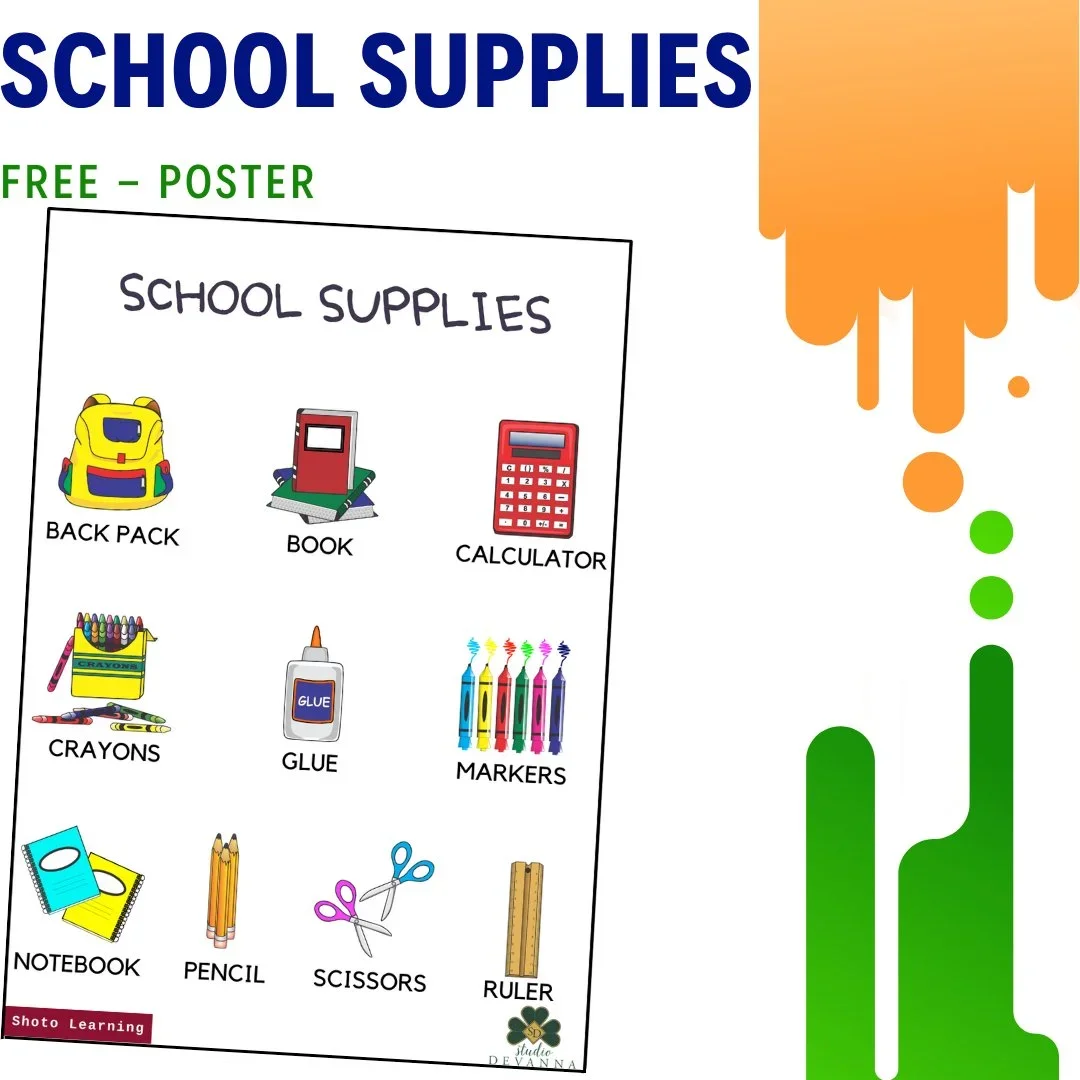
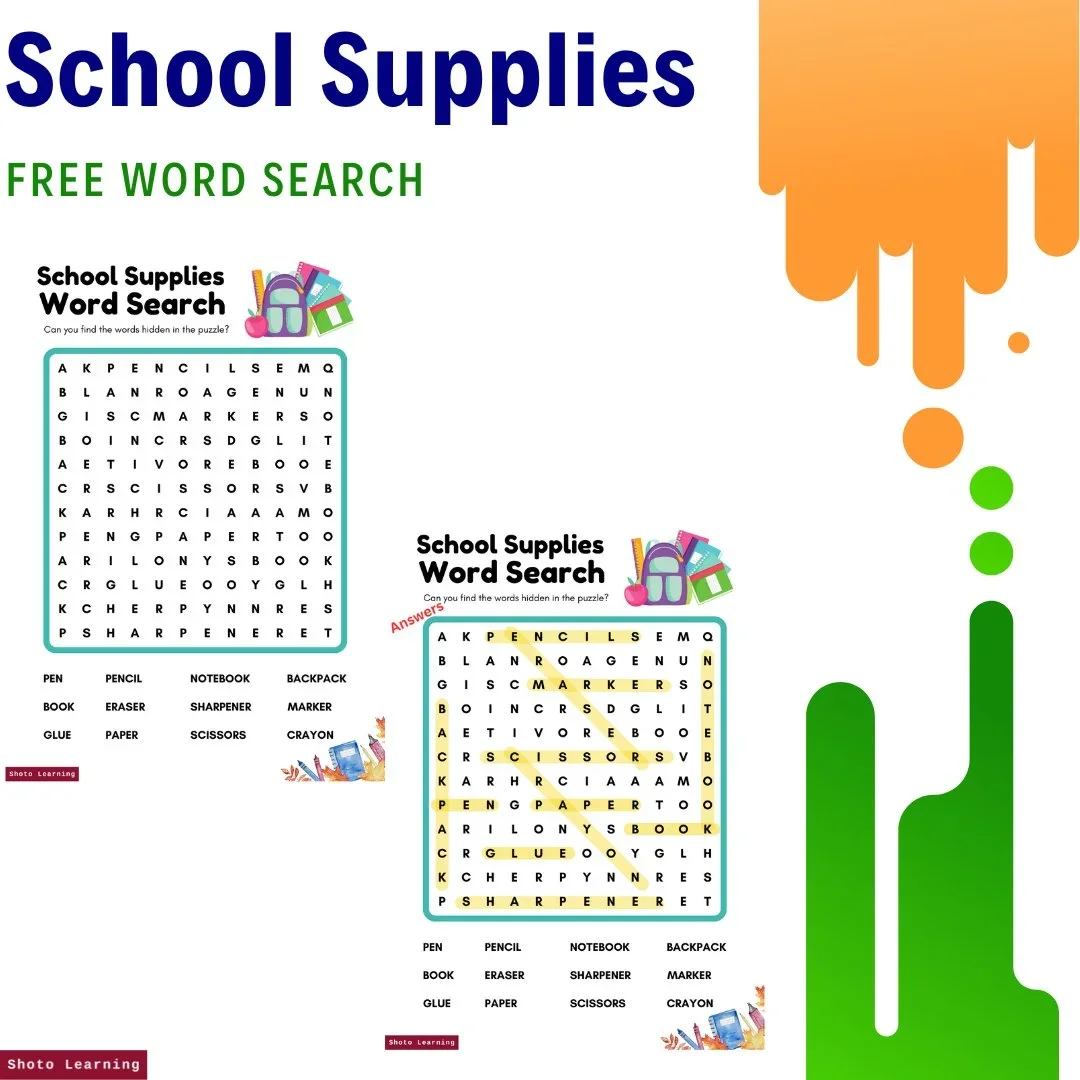
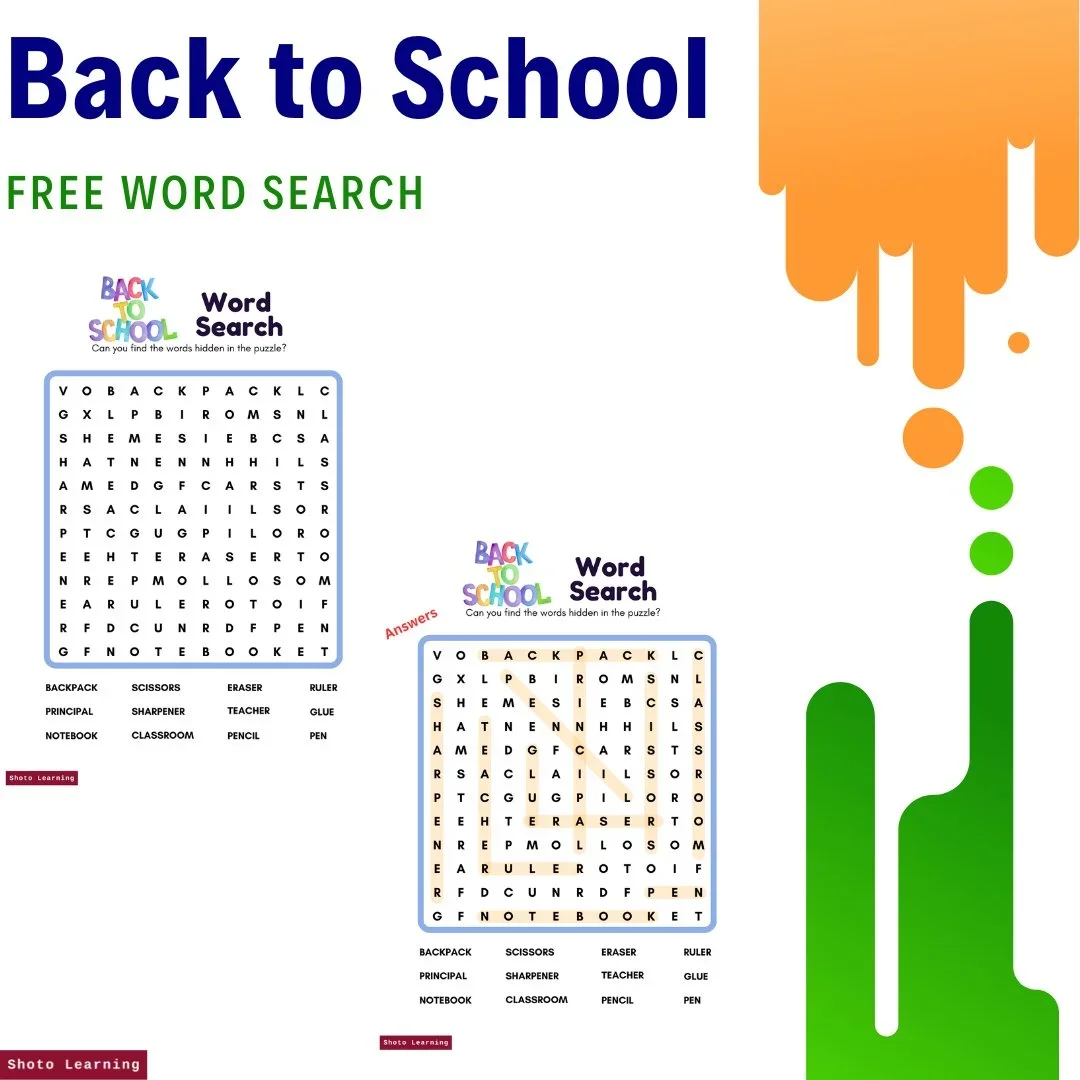
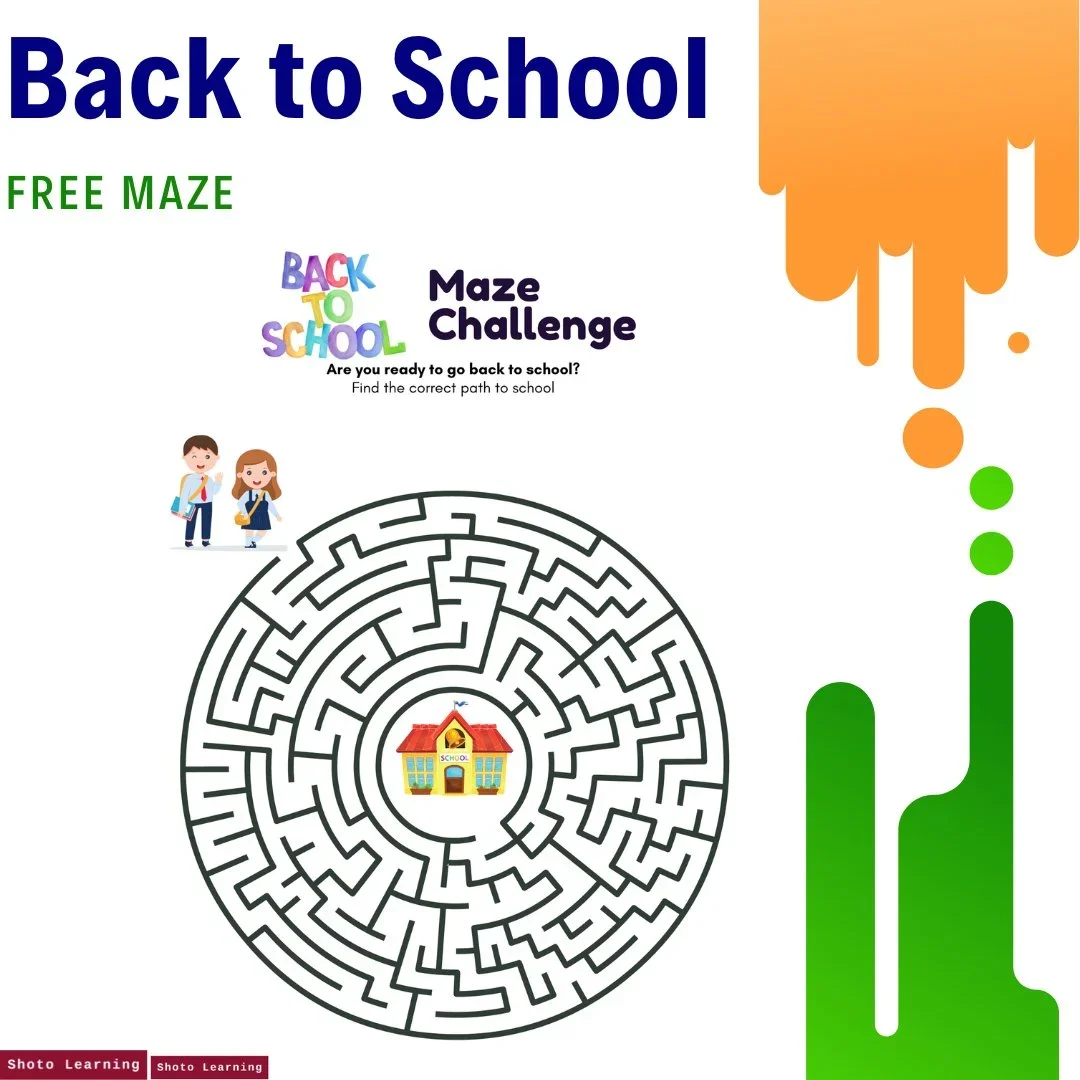


Back to School Complete Bundle: Ignite the back-to-school spirit with our comprehensive bundle of engaging worksheets and activities. This ultimate collection offers a wide range of resources designed to enhance learning, critical thinking, and creativity.
Inside this complete bundle, you'll find an array of educational materials to make the back-to-school experience exciting and enriching.
Assignments: Embark on 10 stimulating assignments covering diverse topics, encouraging critical thinking and practical application of knowledge.
Bingo: An interactive game matching terms, concepts, or images for excitement.
Crossword: Expand knowledge with new school-related words and concepts.
Cryptogram Activity: Decode encrypted messages for critical thinking practice.
Debate: Foster communication and critical thinking through thoughtful discussions.
Experiments: Explore hands-on experiments illustrating fundamental principles across various disciplines, fostering deeper understanding and engagement.
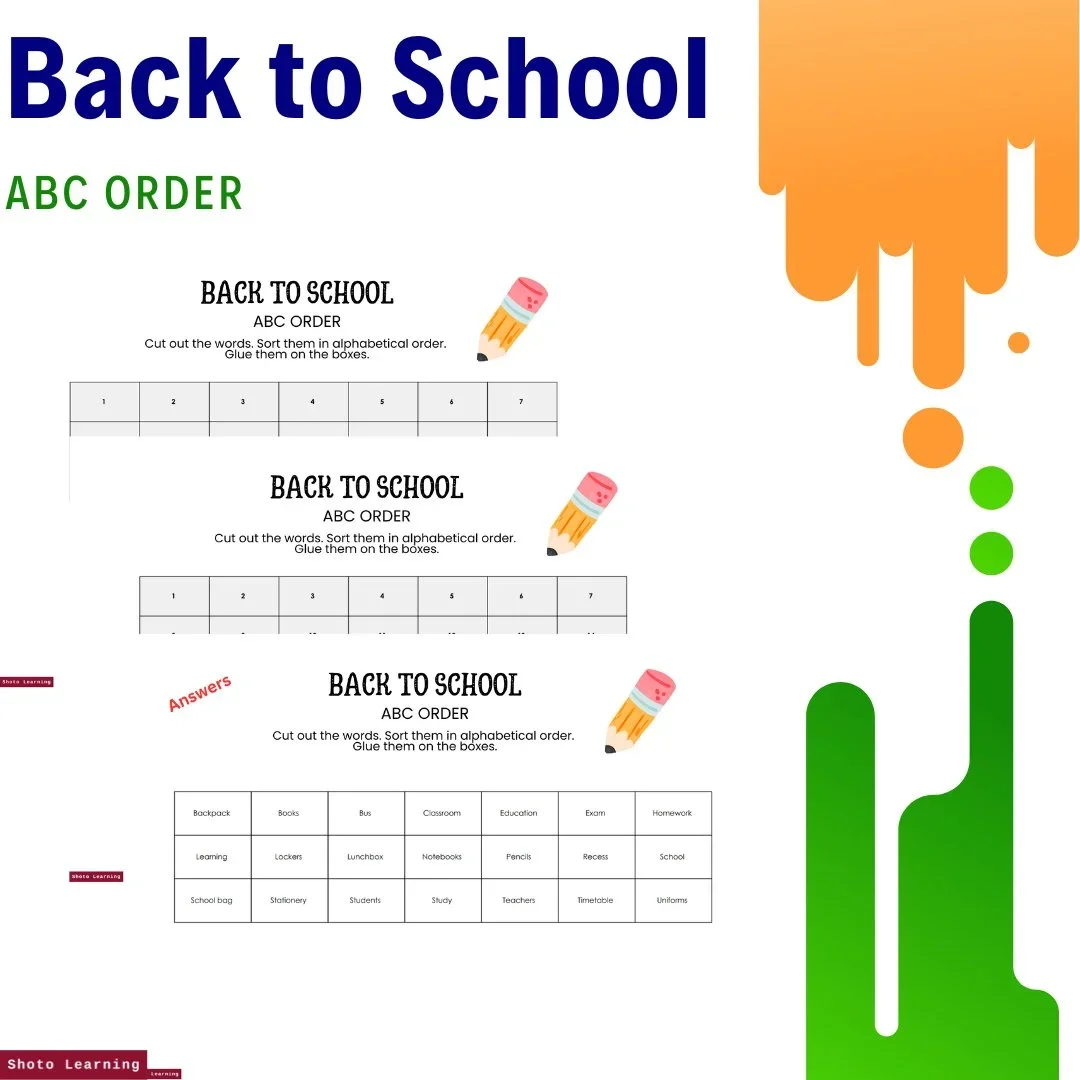
Free ABC Order Worksheet: Arrange back-to-school words alphabetically to strengthen language skills.
Free Maze Activity: Navigate a back-to-school labyrinth for problem-solving skills.
Free Back to School Word Search: Reinforce vocabulary and pattern recognition.
Free School Supplies Poster: Decorate classrooms with essential items.
Free School Supplies Word Search: More vocabulary and word recognition practice.
Fill in the Blank Worksheets: Enhance comprehension and critical thinking.
Flashcards: Quick access to key terms and concepts.
Lesson Plan: Dive deep into sensory exploration with our detailed lesson plan, complete with engaging activities and discussion topics.
Matching Activity: Reinforce understanding by pairing related terms or images.
Missing Letters Worksheets: Improve spelling and vocabulary proficiency.
Multiple Choice Questions: Assess comprehension and knowledge.
PowerPoint: Enhance your comprehension.
Questions and Answers Resource: Explore a variety of back-to-school inquiries.
Reading Comprehension: Sharpen reading skills with engaging passages, perfect for students and educators alike.
Scramble Activity: Unscramble back-to-school words for a fun twist.
Test 45 Mins: Evaluate students' knowledge and preparedness with our comprehensive 45-minute test.
True or False Activity: Evaluate statements related to the back-to-school experience.
Word Search Adventure: Dive into vocabulary and pattern recognition.
Writing Prompts: Spark creativity and enhance writing skills.
With the Back to School Complete Bundle, you'll have a comprehensive set of resources at your fingertips to create a dynamic and engaging learning experience. Get ready to inspire, motivate, and educate your students as they dive into the exciting world of back-to-school learning.
119 pages
Order your copy today!