
Comprehensive New Year Teaching Ideas: Effective Classroom Strategies for 2025
As the new year approaches, teachers across the country are searching for fresh ideas to energize their classrooms and inspire their students. Effective classroom activities and high-quality resources can transform student engagement and learning outcomes in the coming year. Many educators find that January offers a perfect opportunity to reset classroom expectations and introduce innovative teaching strategies.
Planning ahead for the new year gives teachers a chance to reflect on what worked well and what needs improvement. Creating clear goals and gathering appropriate resources now can save valuable time when school resumes. This proactive approach helps teachers feel confident and prepared to face new challenges.
Key Takeaways
Well-planned teaching activities and quality resources significantly boost student engagement and achievement in the new year.
Setting clear classroom goals and expectations in January creates a foundation for successful learning throughout the remaining school year.
Effective lesson planning that incorporates both innovative activities and traditional teaching methods helps maintain student interest and supports diverse learning styles.
Setting Goals and Expectations for the New Year
The start of a new year offers teachers a perfect opportunity to reset classroom dynamics and establish meaningful objectives. Clear expectations and collaborative goal-setting create the foundation for successful learning environments.
Establishing Classroom Rules
Classroom rules provide structure and safety for all students. Teachers should limit rules to 3-5 key expectations that address respect, responsibility, and readiness to learn.
Essential Components of Effective Rules:
Rules should be stated positively (what to do versus what not to do)
Rules must be specific and observable
Rules should apply consistently to everyone
Involving students in rule creation increases buy-in and ownership. Teachers might ask students to suggest important guidelines and then facilitate a discussion about which ones will best support learning.
Visual reminders help reinforce expectations. Posting rules on colorful charts or creating illustrated rule books makes expectations clear and accessible to all learners.
Regular rule reviews throughout the year maintain consistency. Brief check-ins during morning meetings can help students remember and recommit to classroom expectations.
Defining New Year's Resolutions with Students
New Year's resolutions transform abstract goals into concrete actions. Teachers can guide students through this process using the SMART framework—creating goals that are Specific, Measurable, Achievable, Relevant, and Time-bound.
Resolution Categories to Consider:
Academic goals (reading more books, improving in math)
Social goals (making new friends, resolving conflicts peacefully)
Personal growth goals (developing time management, practicing mindfulness)
Individual reflection should precede goal-setting. Students might complete sentence stems like "This year I want to improve at..." or "One thing I'd like to learn is..."
A visual tracking system helps students monitor progress. Charts, stickers, or digital badges can celebrate milestones and maintain motivation throughout the year.
Periodic check-ins allow students to assess their progress. Scheduling monthly reflection time helps students adjust strategies if needed or celebrate successes.
Innovative Lesson Planning for the New Year
Starting the new year with fresh teaching approaches helps students stay engaged and motivated. Thoughtful planning now will save time later and create more meaningful learning experiences.
Utilizing Engaging Lesson Plans
Effective lesson plans balance structure with creativity. Teachers should design activities that connect to student interests while meeting curriculum standards.
Start by identifying clear learning objectives for each lesson. What should students know or be able to do by the end? This clarity helps both teachers and students stay focused.
Include a mix of teaching methods—direct instruction, group work, and independent practice. This variety addresses different learning styles and keeps students engaged.
Time management is crucial. Break lessons into manageable chunks of 15-20 minutes each. This prevents student fatigue and maintains attention throughout the class period.
Incorporating Graphic Organizers
Graphic organizers provide visual frameworks that help students organize information and ideas. They work well for students across different learning abilities.
Popular graphic organizers include:
Venn diagrams for comparisons
KWL charts (Know, Want to know, Learned)
Concept maps for showing relationships
Timeline templates for historical events
T-charts for pros and cons
Digital versions of these tools allow for easy sharing and editing. Many platforms offer templates that teachers can customize for specific lessons.
Students benefit from seeing information visually. This approach helps them recognize patterns and connections they might miss in text-only formats.
Adapting Free Resources and Templates
Teachers don't need to create all materials from scratch. Many quality free resources exist online that can be adapted to fit specific classroom needs.
Reliable sources for free teaching materials:
Education department websites
Teaching resource platforms like Teachers Pay Teachers
Public library educational portals
University education department sites
When selecting templates, look for those that are easily modifiable. The best resources allow teachers to adjust content while maintaining a professional appearance.
Consider creating a digital filing system to organize downloaded resources by subject and grade level. This saves time when planning future lessons.
Sharing adapted resources with colleagues creates a collaborative environment where everyone benefits from each other's work and insights.
Managing Your Classroom Effectively
Effective classroom management creates a positive learning environment that maximizes instructional time and supports student success. Strong management practices establish routines, build relationships, and create consistency that helps students thrive in the new year.
Implementing Classroom Management Strategies
Successful classroom management relies on clear expectations and consistent follow-through. Teachers should establish 3-5 key rules that are positively worded and visible in the classroom. For example:
Be respectful of others and property
Come prepared to learn
Follow directions the first time
A structured system for both positive reinforcement and consequences helps maintain order. Consider using a visual behavior chart, token economy, or class points system to acknowledge positive behaviors.
Transitions between activities often lead to disruptions. Teachers can minimize this by using timers, music cues, or call-and-response techniques to signal changes. Having clear procedures for routine activities like submitting work, sharpening pencils, or requesting help prevents confusion.
First Day of School Preparation
The first day sets the tone for the entire year. Teachers should arrange the classroom to support their management style—whether it's clusters for collaboration or rows for individual focus.
Essential First Day Activities:
Welcome activity that helps students connect
Clear explanation of classroom rules and procedures
Brief baseline assessment to gauge student levels
Get-to-know-you activity that builds community
Prepare all materials in advance, including name tags, folders, and any handouts. A detailed schedule posted visibly helps students understand the day's flow and reduces anxiety.
Having a backup plan for technology failures or schedule changes demonstrates flexibility and preparedness to students.
Monitoring Student Progress
Regular progress monitoring allows teachers to adjust instruction based on student needs. Weekly formative assessments provide immediate feedback without overwhelming students or teachers.
Data tracking tools help identify patterns in performance. Simple options include:

Student self-assessment encourages metacognition and personal responsibility. Even young learners can track their progress using simple rubrics or goal-setting charts.
Parent communication about progress should be regular and proactive. Brief weekly updates prevent surprises at formal reporting periods and build strong home-school connections.
Fostering a Positive Classroom Community
The start of a new year provides the perfect opportunity to strengthen your classroom community and establish effective routines. Thoughtful planning in these areas creates an environment where students feel valued and ready to learn.
Creating a January Display
A well-designed January display sets the tone for classroom community building. Start with a "New Year, New Goals" bulletin board where students can post their academic and personal aspirations for the year ahead.
Include a visual calendar highlighting important January events and student birthdays. This creates anticipation and helps students feel recognized.
Consider adding a "kindness corner" featuring acts of kindness spotted in the classroom. Students can nominate peers who demonstrate helpful behaviors.
Weather charts and seasonal elements add visual interest while providing learning opportunities. Images of snowflakes, mittens, or winter animals can be incorporated into math and language activities.
An interactive display where students contribute their own work fosters ownership of the space. This might include winter-themed poetry, artwork, or research projects.
Building Classroom Routines
Consistent routines provide security and structure that benefit all students. Begin by clearly posting the daily schedule using both words and pictures for younger learners.
Morning meetings offer valuable community-building time. Include greeting activities, sharing opportunities, and a brief preview of the day ahead.
Establish clear transitions between activities. Visual and auditory cues like timers, chimes, or special phrases signal when it's time to shift focus.
Implement a classroom job system where responsibilities rotate weekly. This teaches responsibility and gives every student a role in maintaining the classroom.
Create procedures for materials management. Labeled bins, color-coded folders, and designated areas for turning in work prevent confusion and save instructional time.
End each day with a brief reflection period. Students can share one thing they learned or something they're looking forward to tomorrow.
Developing Critical Thinking and Problem-Solving Abilities
New Year activities offer excellent opportunities to help students develop higher-order thinking skills. These focused exercises challenge students to analyze information, evaluate options, and create innovative solutions.
Critical Thinking Challenges
Start the year with "Resolution Reasoning" where students analyze their goals and create action plans with measurable steps. This helps them understand cause and effect relationships.
Try "Fact vs. Opinion Sorting" using New Year news articles where students categorize statements and explain their reasoning. This builds evaluation skills and media literacy.
Implement "Year in Review Analysis" by having students examine major events from the previous year. They can identify patterns, draw conclusions, and make predictions for the coming year.
"If-Then Scenarios" encourage students to explore consequences of different choices. Present New Year-themed situations and ask them to trace possible outcomes, strengthening logical thinking.
Problem Solving Activities
"New Year Classroom Challenges" involve students in solving real issues. Ask them to identify one classroom problem and develop three possible solutions with pros and cons for each.
Create "Collaborative Puzzles" where student teams solve New Year-themed riddles or escape room activities. This builds communication skills alongside problem-solving abilities.
Introduce "Design Thinking Projects" that follow the process: empathize, define, ideate, prototype, and test. Students can design solutions for school or community issues as New Year service projects.
"Decision-Making Games" like "New Year's Eve Party Planning" with constraints (limited budget, diverse needs) encourage students to prioritize resources and make strategic choices.
Utilizing Forms and Feedback for Continual Improvement
Effective teaching evolves through regular assessment and adaptation based on student progress. Forms and feedback tools provide valuable data that helps teachers refine their methods and address learning gaps promptly.
Progress Monitoring Techniques
Daily Check-ins offer quick snapshots of student understanding. Simple exit tickets with 2-3 questions can identify concepts needing reinforcement before they become obstacles.
Teachers can implement learning trackers where students record their progress on key skills. These visual tools help students take ownership of their learning journey.
Digital assessment tools like Kahoot, Quizziz, and Google Forms provide instant data on class performance. These platforms generate reports showing which concepts need reteaching.
For younger students, observation checklists work well. Teachers note specific behaviors or skills demonstrated during activities and track patterns over time.
One-minute conferences with individual students reveal insights that formal assessments might miss. These brief check-ins help teachers understand learning barriers.
Feedback Forms and Templates
Student self-reflection forms encourage metacognition. Questions like "What helped me learn today?" and "Where did I get stuck?" guide students to analyze their learning process.
Ready-to-use teacher feedback templates save time while providing consistent evaluation. Using rubrics with clear criteria helps students understand expectations and areas for growth.
Peer feedback forms teach students to give constructive comments. Simple templates with sentence starters like "I noticed that you..." and "One suggestion is..." build collaborative skills.
Parent input forms gather valuable perspectives from home. Short questionnaires about homework completion, student attitudes, and at-home challenges complete the feedback loop.
Digital survey tools like Microsoft Forms and SurveyMonkey make collecting feedback efficient. These platforms offer analysis features that help identify trends quickly.
Conclusion
Teaching in the New Year comes with fresh opportunities to inspire students. The ideas shared in this article offer a starting point for teachers looking to mix things up in their classrooms.
Effective teaching requires planning and creativity. Many of the activities presented can be adapted for different grade levels and subjects.
Remember that good teaching ideas connect learning objectives with student interests. Use these activities as frameworks that you can customize to fit your specific classroom needs.
Lesson planning becomes easier when you have a variety of resources at your disposal. The suggested digital tools, printables, and discussion prompts provide options for different learning styles.
Teachers who take time to reflect on their practice grow professionally. Consider which activities worked well and which might need adjustments for future use.
The New Year is an ideal time for educators to try new teaching approaches. Even small changes can make a big difference in student engagement and achievement.
Frequently Asked Questions
Teachers often seek innovative ways to bring New Year themes into their classrooms. These common questions address specific activities, resources, and approaches for different grade levels to make New Year learning engaging and meaningful.
What are some engaging New Year activities suitable for high school students?
High school students respond well to reflective and future-oriented New Year activities. A "Year in Review" digital media project allows students to create videos or presentations summarizing major events from the past year.
Time capsule projects engage teens by having them write letters to their future selves, to be opened at graduation or the next New Year. These letters can include goals, predictions, and personal reflections.
Mock Ted Talks where students present their visions for the upcoming year in specific areas like technology, environment, or social issues build public speaking skills while connecting to real-world topics.
Can you suggest unique New Year goal-setting activities for classroom engagement?
Vision boards offer a creative approach to goal-setting. Students can use magazines, printed images, and art supplies to visualize their academic and personal goals for the new year.
SMART goal workshops teach students to create Specific, Measurable, Achievable, Relevant, and Time-bound objectives. Teachers can provide templates and peer feedback sessions to refine these goals.
Monthly goal jars help students break down annual objectives into manageable chunks. Students write 12 mini-goals on slips of paper, place them in a decorated jar, and draw one each month to focus on.
How can teachers incorporate New Year themes in middle school lesson plans?
Cultural exploration units examine New Year traditions from around the world. Students can research and present on celebrations like Chinese New Year, Diwali, or Nowruz.
Math lessons can incorporate data analysis of New Year resolutions. Students can create surveys, collect data from peers, and create graphs showing resolution categories and success rates.
Language arts teachers might assign "New Beginnings" creative writing prompts. These stories can focus on character transformation or new chapters in life, connecting to the New Year theme.
What are the best group activities related to New Year to promote teamwork among students?
Classroom resolution walls foster community spirit. Small groups create decorative displays of shared classroom goals, with regular check-ins to track progress throughout the year.
New Year scavenger hunts require students to work together to solve clues related to historical events, cultural traditions, or academic concepts tied to the New Year.
Community service planning sessions allow teams to design meaningful projects for the coming year. Students learn project management while developing empathy through planning volunteer initiatives.
Where can I find quality resources for New Year teaching activities for kids?
Education-focused websites like Teachers Pay Teachers and Education.com offer downloadable New Year worksheets, lesson plans, and activities for various grade levels.
Libraries and media centers often compile themed resource collections. School librarians can help locate age-appropriate books about New Year traditions around the world.
Professional teaching organizations provide specialized resources. The National Education Association (NEA) and International Literacy Association share seasonal teaching ideas through their websites and publications.
What are some creative ideas for back-to-school activities after the New Year break?
Classroom refreshes involve students in reorganizing and redecorating their learning space. This creates a sense of ownership and signals a fresh start for the new calendar year.
"Two truths and a resolution" games build community after the break. Students share two true statements about their holiday and one resolution, with classmates guessing which is the resolution.
Winter-themed learning stations offer an engaging transition back to academics. Stations might include New Year math problems, winter vocabulary activities, or science experiments related to snow and ice.


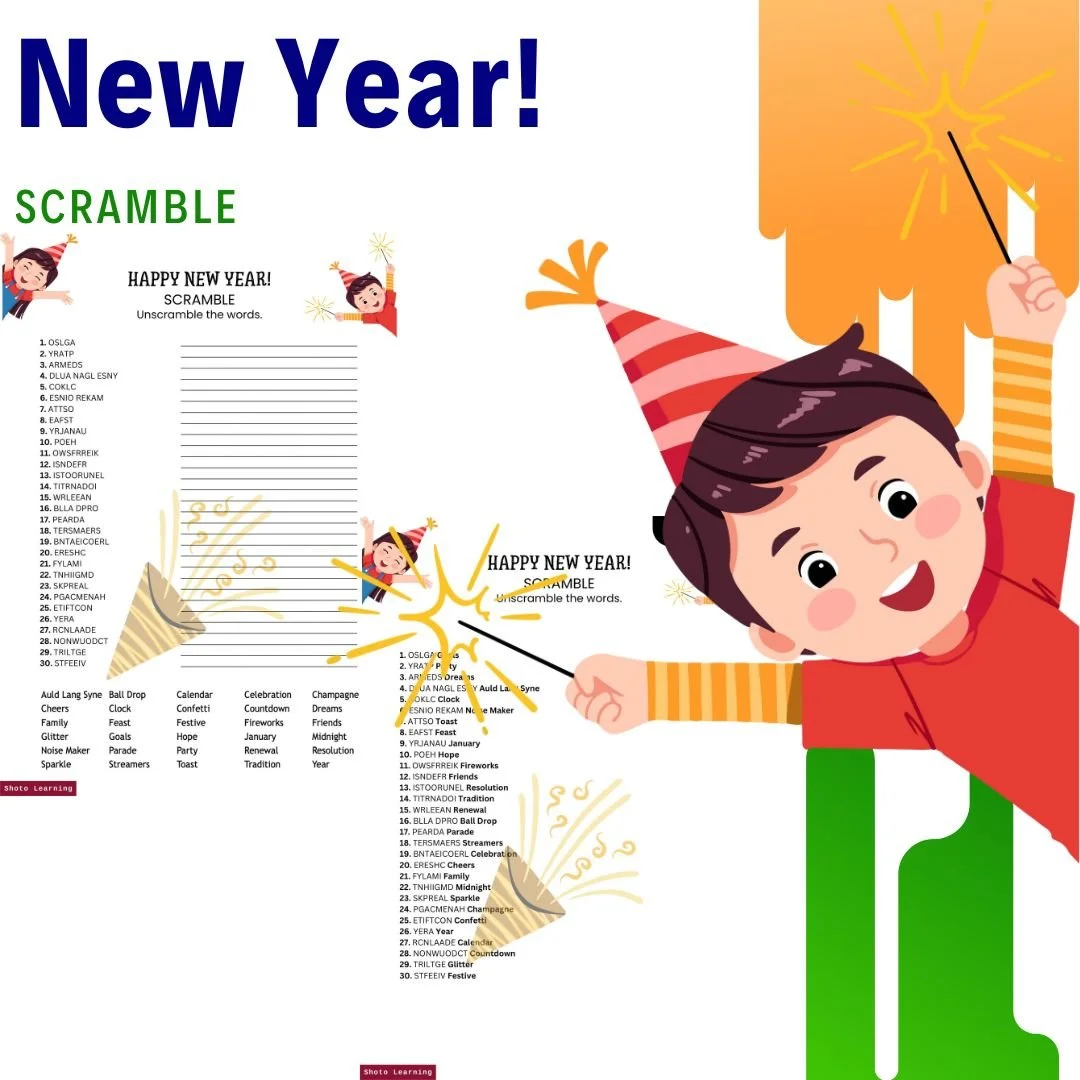
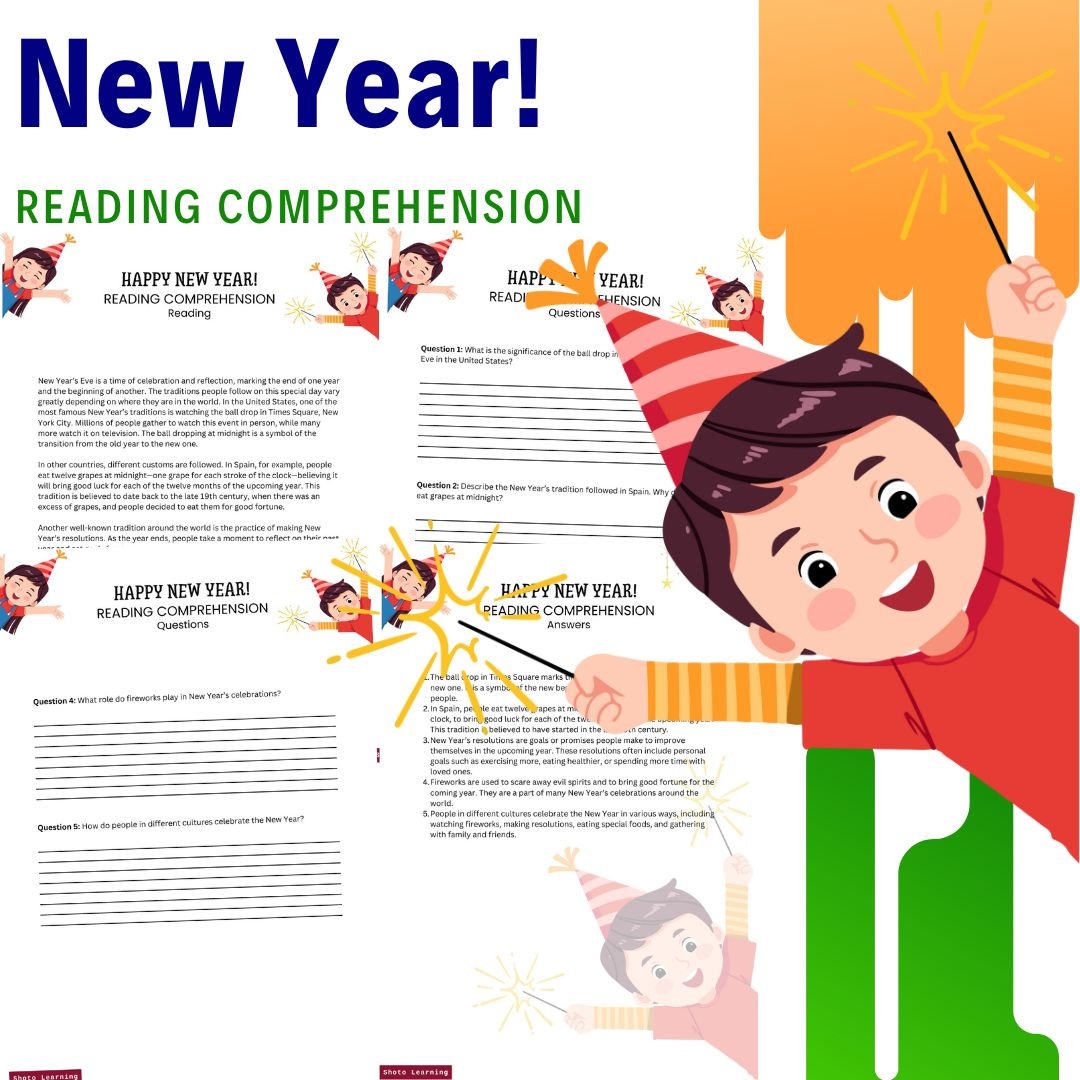


Ring in the New Year with a complete educational package that’s fun, engaging, and educational for students of all ages! This comprehensive bundle includes over 20 high-quality resources designed to help students learn about New Year’s traditions, resolutions, and cultural celebrations while developing important skills in a variety of subjects. From crossword puzzles to hands-on experiments, this bundle offers everything you need for a fun and enriching New Year experience!
This bundle includes a variety of assignments, games, and activities, along with free resources like color-in activities, an ABC order worksheet, and more. Perfect for teachers, parents, and educators looking for engaging content to celebrate the New Year with students!
Key Features:
20+ Resources Included: Activities like crossword puzzles, writing prompts, true/false questions, flashcards, matching worksheets, and more.
Comprehensive Bundle: Includes resources for all learning styles—visual, auditory, and kinesthetic.
Free Resources: Includes free ABC Order, Activity Pack, Color-In Activity, I Spy worksheet, and posters.
Versatile Learning: Engaging activities for classrooms, homeschoolers, and New Year’s events.
Aligned with Learning Goals: Resources designed to improve reading, writing, math, and critical thinking skills.
How to Use:
Choose Your Activity: Select from a wide variety of worksheets and activities (e.g., crossword, debate, test, writing prompts) to suit your student’s learning needs.
Incorporate Free Resources: Use the free ABC Order worksheet, activity pack, I Spy worksheet, and poster for added fun and engagement.
Flexibility for Different Settings: Perfect for classroom lessons, homeschooling, or family celebrations.
Plan with Ease: Utilize the included lesson plan to structure your New Year-themed class or event.
Assess Learning: Use the included tests, quizzes, and comprehension worksheets to evaluate student understanding and progress.
With this complete New Year bundle, you’ll have everything you need to make learning exciting and memorable for your students while celebrating the start of the year. Perfect for educators, parents, and anyone looking to inspire students to start the year with enthusiasm and focus!
Order your copy today!