
Engage and Educate with Martin Luther King Jr. Resources: Essential Tools for Teaching Civil Rights History
Martin Luther King Jr.'s powerful message continues to inspire and educate people of all ages. His work in the Civil Rights Movement shaped American history and offers valuable lessons about equality, justice, and peaceful protest. Learning about Dr. King provides students and adults alike with important insights into our nation's ongoing journey toward equality and the power of nonviolent resistance to create lasting change.
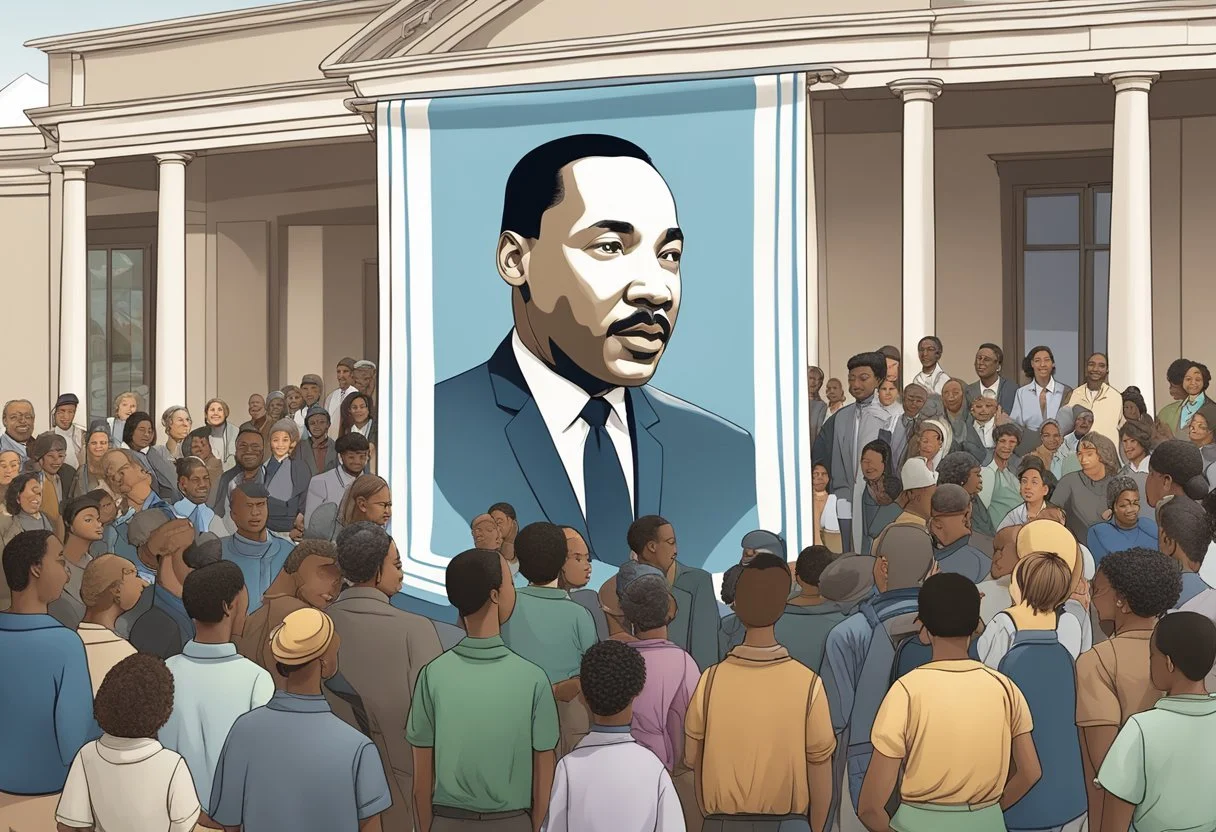
Teachers, parents, and community leaders can use MLK resources to spark meaningful conversations about civil rights, citizenship, and social responsibility. These educational materials range from age-appropriate books and documentaries to interactive timelines and virtual museum tours that bring history to life.
Key Takeaways
Dr. King's teachings on nonviolence and equality provide essential historical context and moral lessons for students of all ages.
Educational resources about Martin Luther King Jr. help connect past civil rights struggles to present-day conversations about justice and civic engagement.
Incorporating MLK's speeches, writings, and biography into learning experiences creates opportunities for meaningful discussions about creating positive social change.
The Life and Legacy of Martin Luther King Jr.
Martin Luther King Jr. stands as one of the most influential figures in American history, championing nonviolent resistance to achieve civil rights for Black Americans.
Early Years and Education
Martin Luther King Jr. was born on January 15, 1929, in Atlanta, Georgia. His father was a pastor, which greatly influenced King's future path.
Young King showed exceptional intelligence, skipping both ninth and twelfth grades before entering Morehouse College at age 15.
He earned his bachelor's degree in sociology from Morehouse in 1948. King then attended Crozer Theological Seminary, where he was valedictorian of his class and elected student body president.
In 1955, King completed his Ph.D. in systematic theology at Boston University. His education shaped his philosophies on nonviolence and social justice, drawing inspiration from figures like Mahatma Gandhi and Henry David Thoreau.
Rise as a Civil Rights Leader
King's leadership began in Montgomery, Alabama, during the 1955 bus boycott sparked by Rosa Parks' arrest. The 382-day protest ended with the Supreme Court ruling that segregated buses were unconstitutional.
In 1957, King helped found the Southern Christian Leadership Conference (SCLC), serving as its president until his death. The organization became a platform for his nonviolent approach to civil rights activism.
King led campaigns against segregation in Birmingham and Selma, Alabama. These efforts faced violent opposition but gained national attention.
His strategic approach combined direct action with legal challenges. Television coverage of peaceful protesters being attacked by police with dogs and fire hoses shocked the nation and built support for civil rights legislation.
I Have a Dream Speech
On August 28, 1963, King delivered his famous "I Have a Dream" speech at the Lincoln Memorial during the March on Washington for Jobs and Freedom. Over 250,000 people gathered to hear him speak.
The speech eloquently expressed King's vision of racial equality in America. His words, "I have a dream that my four little children will one day live in a nation where they will not be judged by the color of their skin but by the content of their character," became iconic.
This speech is considered one of the most powerful in American history. It helped galvanize support for the Civil Rights Act of 1964 and the Voting Rights Act of 1965.
King's oratory skills combined with his message of hope and unity made this moment a turning point in the Civil Rights Movement.
Assassination and Impact
On April 4, 1968, King was assassinated while standing on the balcony of the Lorraine Motel in Memphis, Tennessee. He was 39 years old. James Earl Ray was convicted of the murder.
King's death triggered riots in more than 100 cities across the United States. His funeral in Atlanta drew thousands of mourners from around the world.
In 1983, President Ronald Reagan signed legislation creating a federal holiday honoring King. It is observed on the third Monday of January each year.
King's legacy lives on through his speeches, writings, and the continuing struggle for civil rights. His philosophy of nonviolent resistance has inspired movements for social justice worldwide. The Martin Luther King Jr. Memorial in Washington, D.C., stands as a permanent tribute to his contributions to American society.
Celebrating Martin Luther King Jr. Day
Martin Luther King Jr. Day provides Americans an opportunity to honor Dr. King's legacy through service, education, and reflection. This federal holiday encourages citizens to recognize the civil rights leader's contributions to American society and continue his work toward equality and justice.
Establishment of the Federal Holiday
Martin Luther King Jr. Day became a federal holiday in 1983 when President Ronald Reagan signed it into law. The holiday faced significant opposition, taking 15 years of advocacy after Dr. King's assassination before becoming official.
Not all states initially recognized the holiday. By 2000, all 50 states officially observed it, though some combined it with other celebrations or gave it different names.
The holiday is observed on the third Monday in January, placing it near Dr. King's January 15 birthday. This timing follows the Uniform Monday Holiday Act, which positions certain holidays on Mondays to create more three-day weekends for workers.
Dos and Don'ts of Celebrating MLK Day
Do:
Volunteer in your community through organized service projects
Read or listen to Dr. King's speeches beyond just the "I Have a Dream" speech
Support Black-owned businesses and organizations
Attend community events that meaningfully honor Dr. King
Don't:
Treat it merely as a day off work or school
Reduce Dr. King's message to only racial harmony while ignoring his stance on economic justice
Share misattributed or out-of-context quotes from Dr. King
Use the holiday for promotional sales that trivialize its significance
Remember that the holiday honors an ongoing movement for justice, not just a historical figure.
Going the Extra Mile for MLK Day
Transform MLK Day into a "day on, not a day off" by participating in service projects that address community needs. The MLK Day of Service initiative connects volunteers with meaningful opportunities nationwide.
Create a personal action plan that extends beyond the holiday. Commit to specific ongoing actions that support racial justice, equality, and community building throughout the year.
Educate yourself about Dr. King's less-discussed positions on economic inequality, militarism, and global human rights. Many people know only a sanitized version of his legacy.
Engage in difficult conversations about race and inequality with family, friends, and colleagues. These discussions honor Dr. King's commitment to confronting uncomfortable truths with compassion and clarity.
Martin Luther King Jr.'s Philosophy of Nonviolence
Dr. King developed a powerful approach to fighting injustice that rejected violence in favor of peaceful resistance. His nonviolent philosophy drew inspiration from his Christian faith and the teachings of Mahatma Gandhi.
Principles of Peace and Nonviolence
Dr. King's nonviolent approach was built on six core principles. First, nonviolence rejects physical aggression but actively confronts evil. Second, it seeks to win understanding and friendship, not to defeat opponents.
Third, nonviolence directs its attack against forces of evil rather than against people. Fourth, it requires a willingness to accept suffering without retaliation.
Fifth, it rejects hatred in all forms, recognizing that hate damages the soul. Finally, nonviolence rests on the belief that the universe is on the side of justice.
King demonstrated these principles during campaigns in Montgomery, Birmingham, and Selma. Protesters were trained to remain peaceful even when faced with violence.
Nobel Peace Prize Recognition
In 1964, Dr. King became the youngest person to receive the Nobel Peace Prize at age 35. This prestigious award acknowledged his effective use of nonviolent tactics to advance civil rights in America.
The Nobel Committee praised King's refusal to accept the concept that people "must resort to violence in their struggle for justice."
In his acceptance speech, King dedicated the prize to "all men who love peace and brotherhood." He emphasized that nonviolence was not just a tactic but a way of life.
The award gave international recognition to the American civil rights movement. It also provided additional credibility to King's methods of peaceful protest at a time when some activists questioned whether nonviolence could achieve meaningful change.
Key Events of the Civil Rights Movement
The Civil Rights Movement created dramatic change in America through organized protest, nonviolent resistance, and legislative victories. These efforts challenged segregation and discrimination during the 1950s and 1960s.
Montgomery Bus Boycott
The Montgomery Bus Boycott began on December 1, 1955, when Rosa Parks refused to give up her seat to a white passenger on a segregated bus in Montgomery, Alabama. Her arrest sparked a 381-day boycott of the city's bus system.
Dr. Martin Luther King Jr. emerged as a leader during this protest, helping to organize carpools and rallies. The boycott demonstrated the power of economic pressure as a tool for social change.
The protest ended on December 20, 1956, when the Supreme Court ruled that bus segregation was unconstitutional. This victory boosted the Civil Rights Movement and established nonviolent resistance as an effective strategy.
March on Washington
On August 28, 1963, more than 250,000 people gathered at the Lincoln Memorial for the March on Washington for Jobs and Freedom. The event aimed to push for civil rights legislation and economic equality.
The march featured speeches from prominent civil rights leaders. Dr. King delivered his famous "I Have a Dream" speech, which became one of the most powerful statements of the Civil Rights Movement.
The demonstration showed remarkable unity across racial and religious lines. This peaceful assembly helped build public support for civil rights legislation and pressured Congress to act on civil rights issues.
Legislation and Judicial Milestones
The Civil Rights Movement led to significant legal changes. In 1954, the Supreme Court's Brown v. Board of Education decision declared segregated schools unconstitutional, overturning the "separate but equal" doctrine.
The Civil Rights Act of 1964 prohibited discrimination based on race, color, religion, sex, or national origin. It banned segregation in public places and outlawed employment discrimination.
The Voting Rights Act of 1965 addressed barriers preventing African Americans from voting. It prohibited literacy tests and other discriminatory voting practices.
These legal victories resulted from years of activism, sacrifice, and pressure from civil rights organizations. They transformed American society by establishing legal protections against discrimination and segregation.
Educational Resources and Classroom Activities
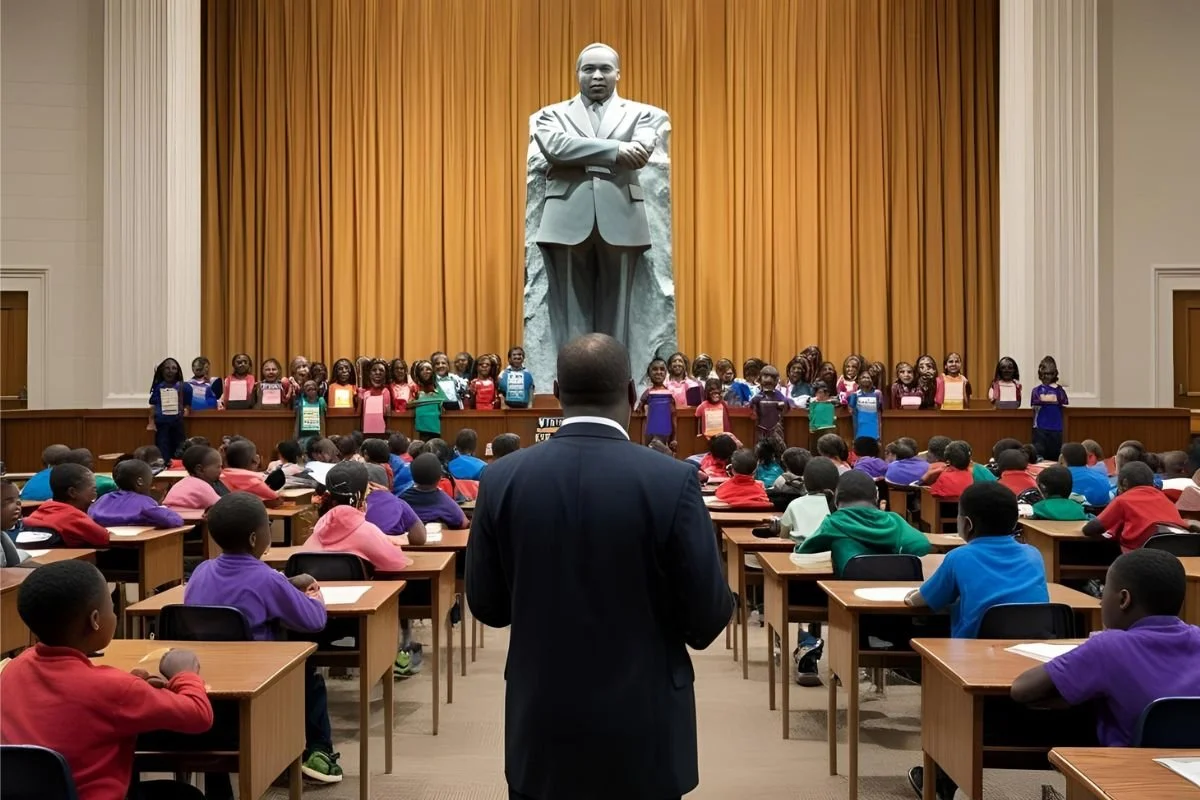
Teachers and parents can access numerous resources to help children understand Dr. King's impact on civil rights and American history. These materials support age-appropriate learning about equality, justice, and peaceful activism.
Martin Luther King Jr. Curriculum
Schools nationwide incorporate MLK-focused content into their social studies and history programs. The King Center offers free downloadable lesson plans organized by grade level, covering Dr. King's life, speeches, and historical context. The National Education Association provides a comprehensive K-12 curriculum that meets state standards while examining civil rights history.
Many textbooks now include expanded sections on the Civil Rights Movement. These materials often feature primary sources like the "Letter from Birmingham Jail" and "I Have a Dream" speech, allowing students to engage with King's actual words.
Digital resources include interactive timelines showing major events in King's life and the broader movement. These help students visualize the historical progression of civil rights achievements.
MLK Activities and Lessons
Hands-on activities help students connect with Dr. King's message in meaningful ways:
Writing exercises: Students compose their own "I Have a Dream" speeches about changes they wish to see
Role-playing scenarios: Acting out historical events or conflict resolution using King's nonviolent principles
Service projects: Community improvement activities honoring King's commitment to service
Many classrooms hold mock marches or peaceful demonstrations to understand collective action. Students can create posters with King quotes or civil rights themes to display throughout the school.
Virtual field trips to important civil rights locations like the Lincoln Memorial or Selma bridge help bring history to life. Discussion-based activities encourage students to reflect on how King's teachings apply to current events.
Teaching Compassion and Values Through MLK's Life
Dr. King's personal qualities provide excellent teaching opportunities for character development. His courage facing adversity demonstrates perseverance and conviction. King's commitment to nonviolence teaches conflict resolution strategies applicable to playground disputes and beyond.
Teachers can use King's speeches to highlight the importance of effective communication and persuasive speaking. His coalition-building across diverse groups showcases the value of inclusion and cooperation.
Classroom discussions about equal rights help students understand respect for human dignity. Activities that encourage students to identify injustice in their communities build critical thinking skills.
Children can reflect on their own "dreams" for a better world, connecting King's vision to personal responsibility. This helps them see themselves as potential change-makers following in King's footsteps.
Exploring Themes of Equality and Justice
Dr. Martin Luther King Jr.'s work centered on fundamental principles of equality and justice. His speeches and writings offer powerful insights that remain relevant for understanding civil rights history and addressing current social challenges.
Message of Equality and 'I Have a Dream'
Dr. King's "I Have a Dream" speech delivered at the Lincoln Memorial in 1963 stands as one of history's most powerful calls for equality. He envisioned a nation where people "will not be judged by the color of their skin but by the content of their character."
The speech articulated a clear message of equality through vivid imagery and Biblical references. King spoke of a future America transformed by racial harmony and equal opportunity.
Key themes from "I Have a Dream" include:
The promise of American democracy
Peaceful resistance to injustice
The urgency of immediate action
A vision of integrated society
These ideas formed the foundation of King's philosophy that all humans deserve equal treatment and dignity regardless of race.
Justice for All and Combating Inequality
Dr. King's pursuit of justice extended beyond racial equality to address systemic inequality in all forms. He recognized that true justice required economic opportunity and an end to poverty.
In his later years, King focused increasingly on economic inequality. He organized the Poor People's Campaign to advocate for better jobs, housing, and education for disadvantaged Americans of all backgrounds.
King challenged Americans to confront three interconnected evils:
Racism: Prejudice based on racial identity
Poverty: Economic hardship and lack of opportunity
Militarism: Excessive spending on war rather than human needs
His work demonstrated that combating inequality requires both changing laws and transforming hearts. King believed justice demanded both equal protection under law and equal access to opportunities.
Incorporating MLK's Teachings in Modern Context
Dr. King's principles remain powerful tools for addressing contemporary challenges. His vision offers practical frameworks for creating inclusive environments, analyzing social problems, and celebrating cultural contributions.
Diversity and Inclusion Initiatives
Organizations now use Dr. King's concepts of equality and brotherhood to shape workplace policies. Many companies implement diversity training programs that reference his vision of judging people by character rather than appearance.
Schools incorporate his teachings through classroom activities that celebrate differences. These exercises help students understand the value of diverse perspectives and experiences.
Community groups often reference King's principles when developing neighborhood initiatives. They create spaces where people from different backgrounds can connect and collaborate on local projects.
Practical applications include:
Mentorship programs pairing individuals from different backgrounds
Inclusive hiring practices that reduce bias
Community dialogues that bring diverse groups together
Critical Thinking About Social Issues
King's approach to social change provides a model for analyzing modern problems. His method combined careful analysis with compassionate understanding.
Students learn to examine issues from multiple perspectives, just as King considered different viewpoints. This helps them develop nuanced opinions about complex topics.
Teachers use King's speeches to demonstrate effective argumentation and evidence-based reasoning. His "Letter from Birmingham Jail" shows how to respond to criticism with logic and moral clarity.
Discussion groups apply King's nonviolent philosophy to current conflicts. They practice finding common ground even in heated disagreements.
King's emphasis on compassion helps people connect abstract policies to human experiences. This emotional understanding drives meaningful action.
Celebrating Black History Month
Dr. King's legacy features prominently in Black History Month activities each February. His contributions provide an entry point for broader discussions about civil rights history.
Schools organize readings of King's speeches and age-appropriate discussions of his impact. These events help students connect historical struggles to ongoing work for equality.
Museums and cultural centers create exhibits highlighting King's collaboration with other activists. This shows students that social movements require cooperation and diverse talents.
Community events use King's birthday and Black History Month to inspire service projects. These initiatives transform commemoration into action that benefits local neighborhoods.
Libraries feature books about King for all ages, making his ideas accessible to young readers. These resources help families discuss complex topics in age-appropriate ways.
Conclusion: The Enduring Relevance of MLK's Legacy
Martin Luther King Jr.'s message continues to resonate today. His words about equality, justice, and peace still guide many people working for positive change in society.
The principles Dr. King fought for aren't just history lessons. They remain vital in our ongoing efforts to build a fair and inclusive world.
Many schools and communities honor his legacy through the National Day of Service. This day encourages people to volunteer and help others, just as Dr. King dedicated his life to serving humanity.
Dr. King's character shows us the power of standing firm in our beliefs. His commitment to peaceful protest demonstrates how change can happen without violence.
Key aspects of MLK's enduring legacy:
Nonviolent resistance as an effective tool for change
The importance of speaking truth to power
Working across differences to find common ground
Service to others as a path to meaningful life
His famous "I Have a Dream" speech reminds us that hope can inspire action. When we face today's challenges, King's example offers both inspiration and practical guidance.
Young people continue to find strength in his words. By studying his speeches and actions, new generations learn how one person's dedication can transform a nation.
The Civil Rights Leader's legacy invites us all to ask: What can I do to build a more just community? This question keeps his work alive and relevant.
Frequently Asked Questions
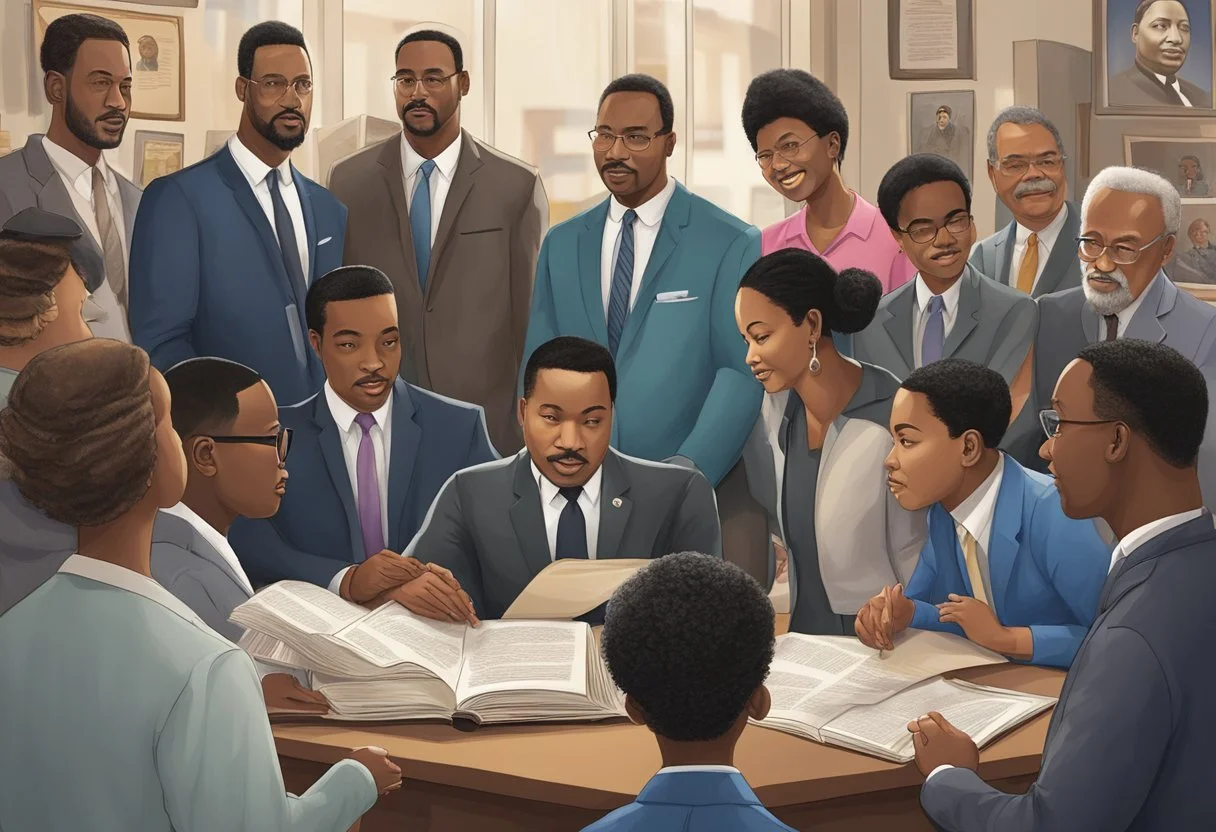
Here are answers to common questions educators have when teaching about Dr. King's life, legacy, and impact on civil rights in America. These resources provide practical teaching ideas for various age groups and learning environments.
What are some effective activities to teach elementary students about Martin Luther King Jr.?
Role-playing activities help elementary students understand Dr. King's message of equality. Students can act out scenarios showing fairness versus unfairness, then discuss their feelings afterward.
Creating "I Have a Dream" clouds where students write or draw their own dreams for a better world connects them personally to King's vision. These can be displayed in the classroom or hallway.
Timeline activities using pictures and simple text help students grasp the key events in Dr. King's life. Students can place events in order and discuss why each moment was important.
How can I develop a lesson plan for preschoolers focusing on Martin Luther King Jr.?
Focus on simple concepts like kindness and friendship rather than complex historical details. Use picture books with colorful illustrations that explain Dr. King's message at an appropriate level.
Incorporate hands-on activities like making friendship chains with paper strips of different colors. Explain how the different colors work together to make something beautiful, just like people of all backgrounds.
Use music by teaching simple songs about peace and friendship. Movement activities where children hold hands in a circle can reinforce concepts of unity and togetherness.
What resources are available for free to help educators teach about Martin Luther King Jr.?
The King Center website offers free educational materials including videos, lesson plans, and primary source documents. These resources are vetted by historians and educators.
The National Education Association provides downloadable curriculum guides for different grade levels. Their website includes printable worksheets, reading lists, and discussion questions.
Public libraries often offer digital collections of speeches, photographs, and age-appropriate biographies. Many also provide virtual storytimes and presentations during MLK Day and Black History Month.
What project ideas can help middle school students better understand Martin Luther King Jr.'s impact?
Community service projects connected to issues Dr. King cared about help students understand civic engagement. Students can organize food drives, create care packages, or clean up community spaces.
Research projects comparing civil rights issues from the 1960s to today encourage critical thinking. Students can create presentations about how Dr. King's work continues to influence modern movements.
Speech analysis activities where students examine rhetorical techniques in King's famous speeches build language arts skills. Students can identify persuasive elements and practice public speaking.
How can I incorporate primary sources about Martin Luther King Jr. into a lesson plan?
Begin with audio recordings of Dr. King's speeches rather than just reading transcripts. Hearing his voice helps students connect emotionally with his message and oratorical style.
Provide guidance through document analysis worksheets that help students examine photographs, letters, and newspaper articles. These worksheets should include questions about context and significance.
Create stations with different primary sources where students rotate and examine each item. This keeps engagement high and exposes students to various types of historical evidence.
What are some teachings of Martin Luther King that can be highlighted in an educational setting?
Nonviolent resistance as a method for social change remains relevant for today's students. Teach specific examples of how peaceful protest accomplished goals during the Civil Rights Movement.
The concept of the "Beloved Community" emphasizes inclusivity and cooperation. Students can discuss what this ideal community would look like and how they might help create it.
Economic justice was central to King's later work. Older students can explore how Dr. King connected civil rights with poverty reduction and advocated for fair wages and housing.



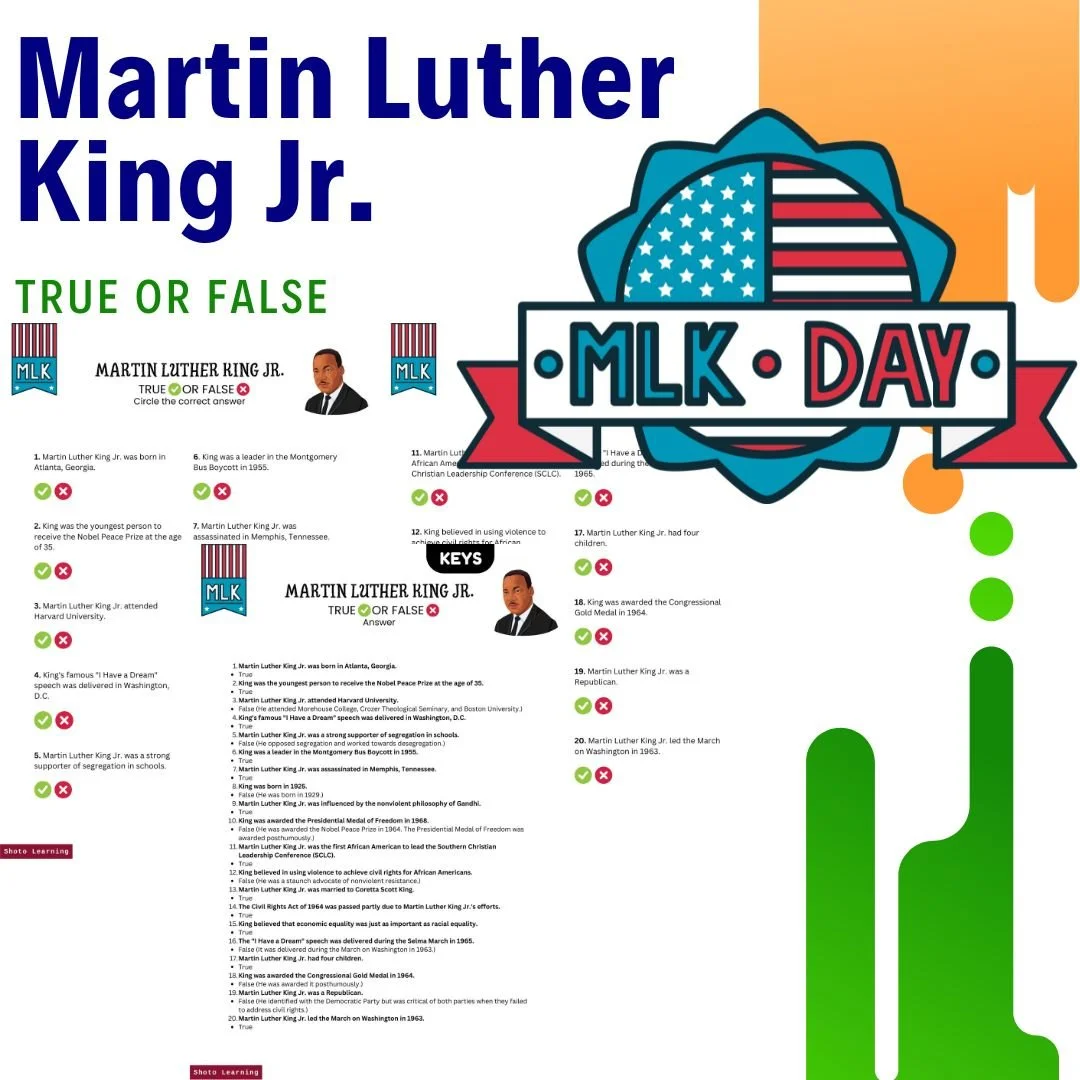


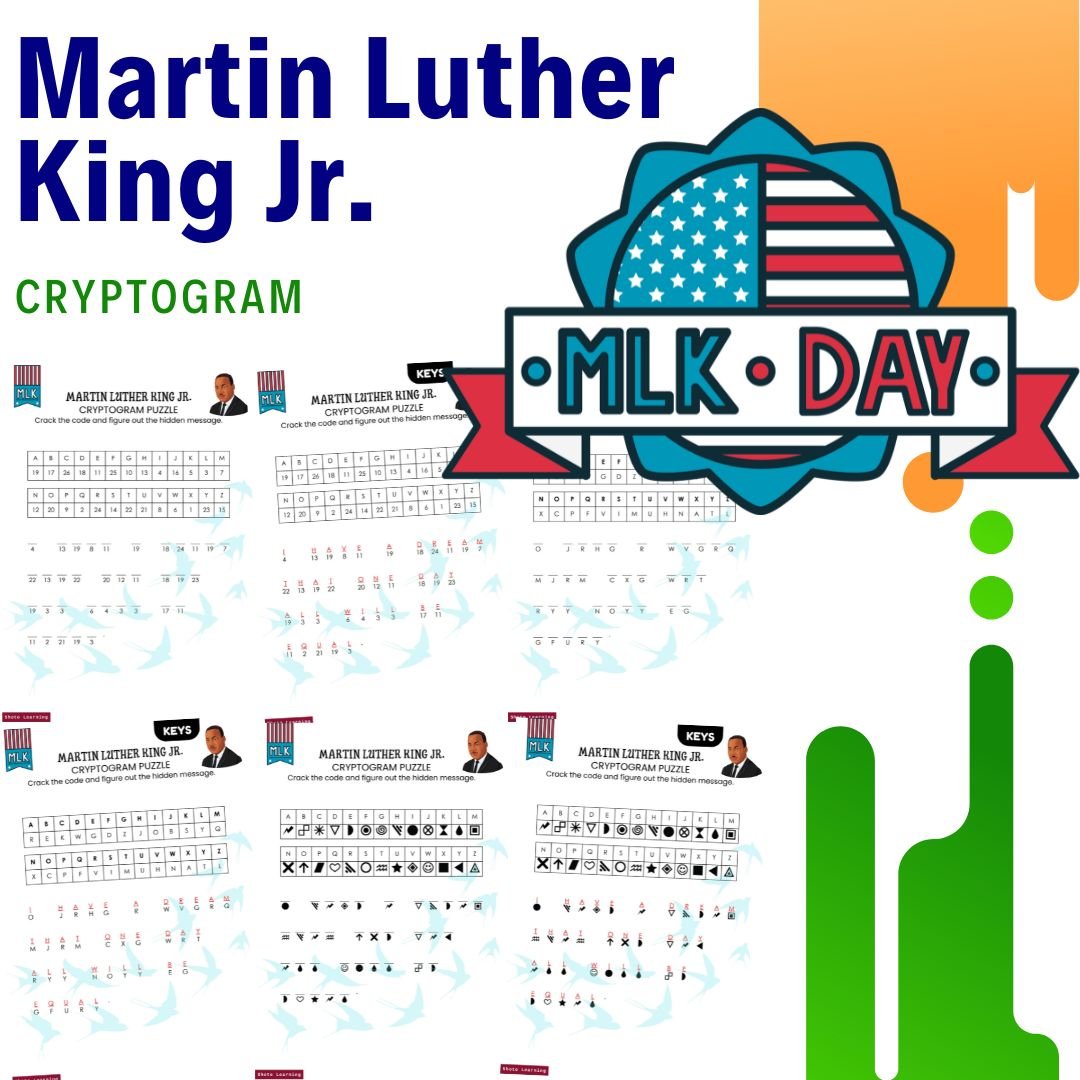


Teach and inspire with this all-in-one Martin Luther King Jr. Complete Learning Bundle! Packed with engaging and educational resources, this bundle is perfect for classrooms, homeschooling, or individual learning. Covering every aspect of MLK's life and legacy, it includes a variety of interactive activities, lessons, and games.
Included in the Bundle:
Activities: Assignments, Debate, Experiments, Writing Prompts.
Games: Bingo, Crossword, Cryptogram, Matching, Scramble, Word Search.
Worksheets: Fill-in-the-Blank, Flashcards, Multiple-Choice, True-or-False, Questions & Answers.
Lesson Plan: Comprehensive guide for educators.
Assessments: Reading Comprehension, Test.
Visuals: PowerPoint presentation (PDF included).
Free Extras:
ABC Order worksheet.
"I Have a Dream" reflection worksheet.
Informative MLK poster.
How to Use:
This bundle is designed to make teaching and learning about Martin Luther King Jr. engaging and effective. Use it to build comprehensive lessons, reinforce knowledge through games, and assess understanding with a variety of assessments.
Don’t miss out on this ultimate teaching resource!