
Teaching Meiosis: Unlocking the Mysteries of Cell Division in the Classroom
Meiosis may seem confusing at first, but it plays a key role in how living things grow, change, and pass on traits. Learning about meiosis helps students understand how cells divide to create eggs and sperm, and why each person is unique. Knowing the basics of meiosis gives students the tools to explore how life continues and adapts from one generation to the next.
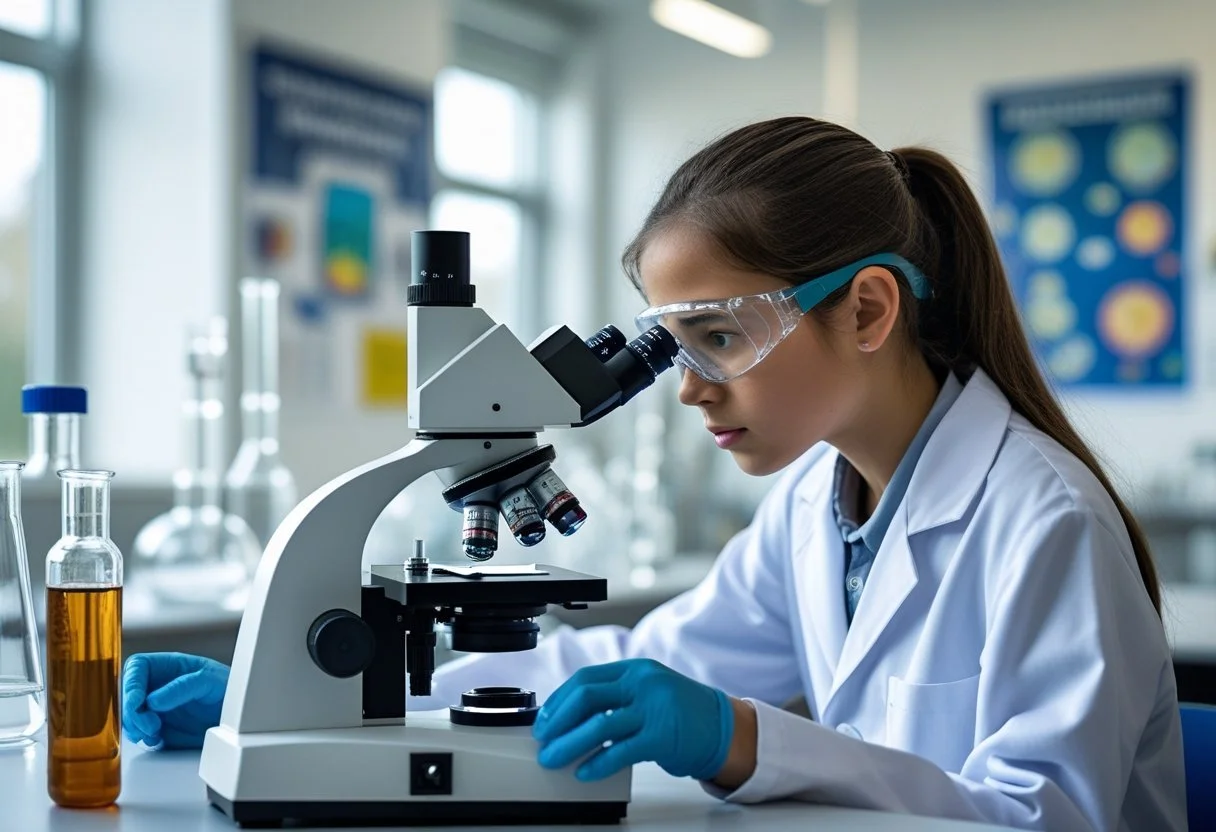
Teachers can use models, diagrams, and simple activities to help students connect the steps of meiosis with what happens in nature. This kind of hands-on learning makes it easier to see why meiosis matters to all living things, including people, plants, and animals.
Key Takeaways
Meiosis is a special type of cell division that leads to genetic diversity.
Understanding the steps of meiosis helps explain how traits are passed on.
Meiosis plays a big role in medicine, evolution, and research.
Understanding Meiosis: The Foundation of Cell Division
Meiosis is a special kind of cell division that allows organisms to reproduce. It creates cells with half the usual number of chromosomes, which is essential for forming egg and sperm cells in animals.
Defining Meiosis
Meiosis is a two-part process that reduces the chromosome number by half. This is important because it ensures that offspring have the correct number of chromosomes. For humans, this means going from 46 chromosomes in most cells to 23 in reproductive cells.
There are two main stages: meiosis I and meiosis II. Each stage has steps called prophase, metaphase, anaphase, and telophase. During these steps, chromosomes pair up, exchange genetic material (crossing over), and then separate into new cells.
This process leads to genetic variation. Because of crossing over and the way chromosomes separate, each new cell is unique. This is why siblings from the same parents can look and act different.
Distinctions Between Meiosis and Mitosis
Meiosis and mitosis are both forms of cell division, but they have key differences. Mitosis produces two cells that are genetically identical and have the same number of chromosomes as the parent cell. These cells are used for growth and repair in the body.
In contrast, meiosis produces four cells, each with half the number of chromosomes. These cells are not identical. Here's a comparison in a simple table:
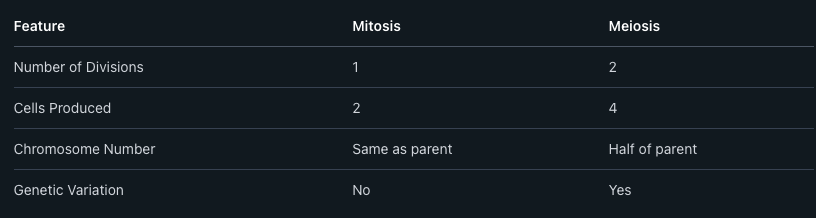
Both processes are important for life, but only meiosis leads to the creation of sperm and egg cells.
The Role of Cell Division in Biology
Cell division is a basic part of life. It allows organisms to grow, heal, and reproduce. In single-celled organisms, cell division creates new individuals. In larger multicellular organisms like animals and plants, cell division helps repair wounds, replace old cells, and form tissues.
Meiosis is special because it is linked to sexual reproduction. By making cells with half the normal number of chromosomes, meiosis keeps chromosome numbers stable through generations. It also mixes genes, which helps populations stay healthy and adapt to changes over time.
Understanding meiosis, mitosis, and their roles gives insight into genetics and how living things continue from one generation to the next. These processes are central in biology and science as a whole.
The Stages of Meiosis: A Detailed Breakdown
Meiosis is a special type of cell division that produces gametes with half the number of chromosomes. This process is important for sexual reproduction and genetic variation.
Meiosis I: Reduction Division
Meiosis I is known as the reduction division because the number of chromosomes is halved. Cells begin with pairs of homologous chromosomes. Each chromosome consists of two sister chromatids held at the centromere.
Phases of Meiosis I:
Prophase I: Chromosomes condense, the nuclear membrane breaks down, and homologous chromosomes pair up.
Metaphase I: Chromosome pairs line up at the cell's equator.
Anaphase I: Homologous chromosomes are pulled apart to opposite sides of the cell.
Telophase I and Cytokinesis: The cell splits into two cells, each with half the original number of chromosomes.
The result is two cells, each containing chromosomes with a unique mix of DNA. These cells are not genetically identical to the starting cell.
Meiosis II: Equational Division
Meiosis II is similar to mitosis. It separates sister chromatids within each cell produced in Meiosis I. There is no further reduction in chromosome number.
Phases of Meiosis II:
Prophase II: Chromosomes condense in both cells, and spindle fibers form.
Metaphase II: Chromosomes line up at the center of each cell.
Anaphase II: Sister chromatids are pulled apart at their centromeres.
Telophase II and Cytokinesis: The two cells divide, creating four cells total.
Each of the four cells now has a single set of chromosomes. These become gametes (sperm or eggs) and contribute to genetic diversity in offspring.
Key Events: Synapsis, Pairing, and Crossing Over
During Prophase I, homologous chromosomes undergo pairing, called synapsis. This is when chromosomes physically align and attach along their lengths.
A key event is crossing over, where sections of DNA are exchanged between non-sister chromatids. Crossing over increases genetic diversity, as new combinations of genes are created.
RNA molecules help organize chromosome alignment. The genetic information carried in DNA is shuffled, which is important for genetics and heredity. The process ensures that each gamete contains a different mix of genetic material.
Genetic Outcomes: Diversity and Inheritance
Meiosis is important because it creates genetic differences in each offspring and sometimes leads to changes in the DNA called mutations. Some changes are harmless, while others can cause health conditions or be used in genome editing.
Genetic Variation in Offspring
Genetic diversity is the result of mixing DNA during meiosis. When body cells split to form egg or sperm cells, the chromosomes swap sections in a process called crossing over. This means each new cell has a unique combination of genes.
During fertilization, each parent passes half of their DNA to their child. Because each parent's DNA is different, this leads to even more genetic variation. This is why siblings in the same family do not look exactly alike, except for identical twins.
Genetic diversity helps populations survive changes in the environment. It allows animals, plants, and humans to adapt more easily over time.
Mutations and Chromosomal Abnormalities
Sometimes, mistakes happen when cells copy DNA or divide. These mistakes are called mutations. Most mutations are small and do not cause problems, but some can lead to genetic disorders.
A chromosomal abnormality means the person has extra or missing chromosomes. For example, Down syndrome is caused by having an extra copy of chromosome 21. This usually happens because chromosomes do not separate properly during meiosis.
Scientists are learning how to use genome editing to fix some mutations. Understanding DNA structure and mutations is important for treating genetic diseases and for studying how traits are passed from parents to children.
Applications in Reproduction and Evolution
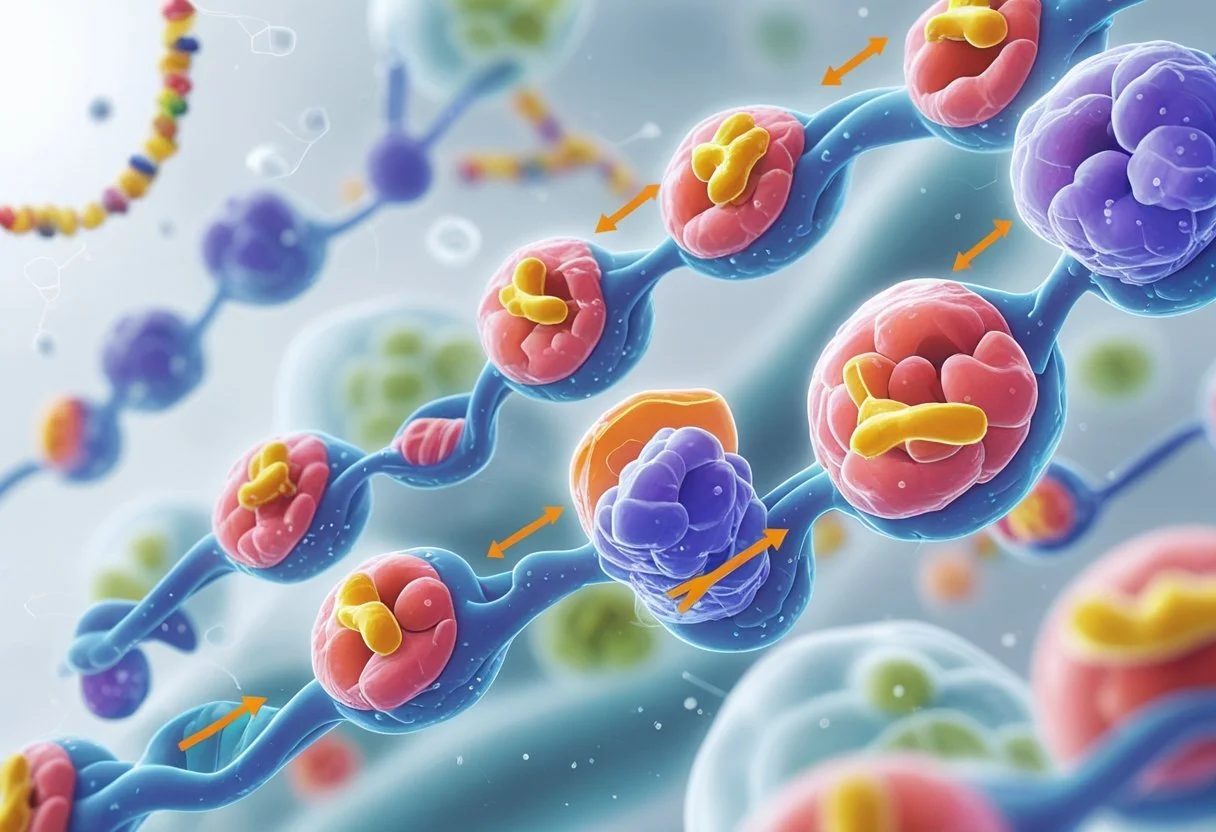
Meiosis is crucial for sexual reproduction and for creating genetic diversity in living things. Its unique steps drive variation among individuals, shaping how species change and adapt over time.
Sexual Reproduction Mechanisms
Meiosis enables organisms to produce gametes—sperm and eggs—with half the number of chromosomes. This process helps maintain a stable number of chromosomes across generations. Fertilization restores the full chromosome count, ensuring proper development.
Genetic recombination during meiosis leads to offspring with new traits. This increases biodiversity by mixing genes from both parents. In model organisms like Caenorhabditis elegans, yeast, and Drosophila melanogaster, researchers study how errors in meiosis can cause problems like infertility.
Plants, such as rice, also depend on meiosis for seed formation and agricultural breeding. Studying meiosis in these organisms helps scientists improve crop yields and resistance.
Meiosis and Evolutionary Processes
Meiosis is a source of genetic variation, driving evolution through natural selection. Genetic shuffling during meiosis produces differences that matter for adaptation and survival.
Taxonomy, which involves classifying species, often uses information from meiosis and reproduction. Differences in chromosome behavior can separate closely related species. For example, Drosophila melanogaster and yeast are used to track evolutionary changes because they reproduce quickly and are easy to study.
Research on rice and other crops shows how changes in meiosis can lead to evolution of new traits. These changes help plants adapt to different environments, adding to biodiversity across species.
Meiosis in Multicellular Organisms: Plants and Animals
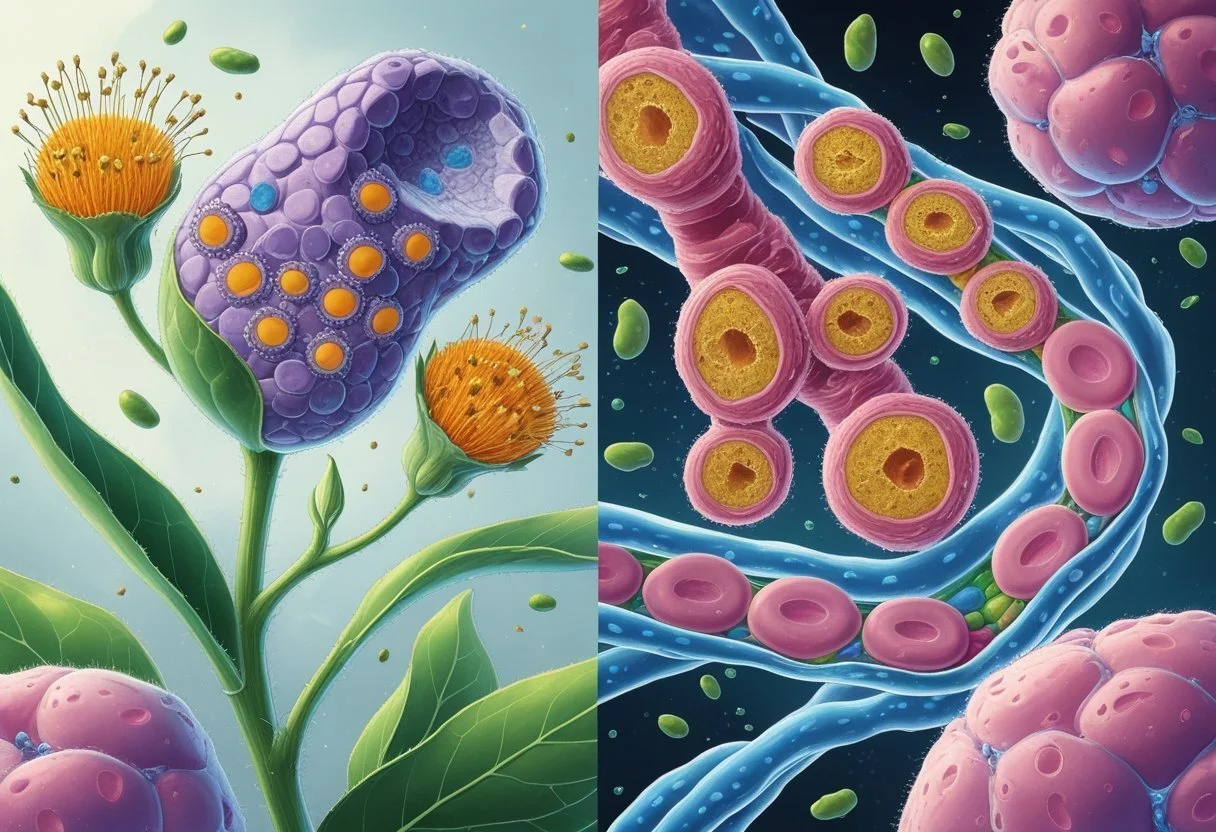
Meiosis is important because it allows plants and animals to reproduce and pass on genetic information. This process happens in different ways in each group and helps create variety in species like tomatoes, apples, and humans.
Meiosis in Plant Reproduction
Meiosis in plants forms tiny cells called spores. Unlike animals, plants have a life cycle where one phase makes gametes through mitosis, not meiosis.
In tomatoes and apples, for example, meiosis happens in flower tissues like the anther and ovary. The male part creates pollen grains, and the female part forms ovules. Each parent passes on half of their genetic material through these cells.
Plant cell structures like the nucleus and chromosomes go through major changes during meiosis. The resulting gametes can combine to create seeds, leading to new plants with unique traits. The process is important for species survival and diversity.
Meiosis in Animal Systems
Animals use meiosis to make reproductive cells called gametes—sperm in males and eggs in females. In humans, meiosis happens in tissues in the testes and ovaries.
Each gamete carries half the usual number of chromosomes, so when sperm and egg meet, the result is a cell with a full set. This mix helps each human body be different from others.
Stem cells in these tissues can divide to make more cells, ensuring lifelong fertility. Meiosis also lets animals adapt and survive over time by mixing and matching genes. It plays a key role in population health and genetic diversity.
Meiosis in Biotechnology and Medical Research
Understanding meiosis gives scientists the ability to spot and interpret errors in cell division that cause disease. This knowledge also supports advances in genetic engineering and the development of powerful medical technologies.
Medical Implications of Meiotic Errors
Mistakes during meiosis can result in genetic disorders or diseases. One common example is Down syndrome, caused by an extra copy of chromosome 21. Other conditions include Turner syndrome and Klinefelter syndrome. These happen due to the incorrect separation of chromosomes, a process called nondisjunction.
Meiotic errors are also linked with some forms of infertility. When egg or sperm cells have the wrong number of chromosomes, it can prevent pregnancy or cause miscarriage. Certain cancers, like leukemia, may arise from chromosomal abnormalities first formed during meiosis.
Doctors analyze chromosomes using bioinformatics and genomics to find and understand these defects. This helps diagnose medical problems and guide treatment plans. In some cases, antibiotics or other drugs can target cells with abnormal genetics, offering possible treatments.
Genetic Engineering and Genome Editing
Biotechnology uses knowledge from meiosis to edit genes and change DNA in living organisms. Scientists can use genetic engineering, such as CRISPR, to insert, delete, or modify genes for research and medical therapies.
Understanding how chromosomes pair and crossover in meiosis helps researchers mix genetic material in a controlled way. This process is key in making genetically modified organisms (GMOs), and improving bacteria to produce antibiotics. In medicine, gene editing could treat inherited diseases by fixing faulty genes before they are passed to the next generation.
Genomics and bioinformatics provide the data and tools needed to track these changes and ensure the safety and success of genetic engineering. This supports advances in personalized medicine and disease prevention.
Recent Advances and Future Directions in Meiosis Research
Researchers have made important progress in understanding the detailed steps and controls of meiosis. These developments are helping scientists improve food crops and learn more about how cells respond to environmental changes.
Innovations in Meiosis Study Methods
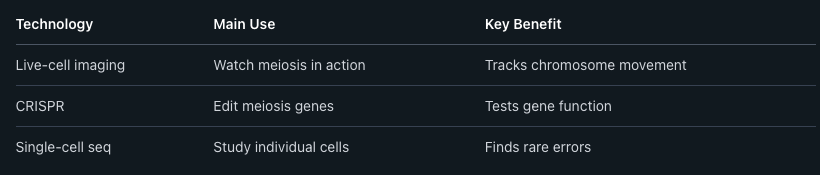
New technologies like live-cell imaging and CRISPR gene editing have made it possible to watch how chromosomes behave during meiosis in real time. With these tools, scientists can track chromosome movement and identify genes that control key stages of cell division.
Researchers use single-cell sequencing to study how individual cells undergo meiosis. This method reveals differences between cells and uncovers rare errors in chromosome separation. Discoveries from these approaches help scientists understand genetic disorders and guide future medical treatments.
Table: Technologies Impacting Meiosis Studies
Impacts on Agriculture and Ecology
Understanding meiosis helps plant breeders produce crops with new traits. By targeting genes important in meiosis, scientists develop plants that grow better in poor soil or changing climates. This can boost food security as the global climate shifts.
In ecology, meiosis affects genetic diversity in wild populations. Diversity supports ecosystem health, especially as animals and plants face stress from climate change. Good genetic variety, created through meiosis, can help species adjust to new threats, like changing soil quality or less water.
Improved knowledge about meiosis connects to broader processes like cellular respiration and energy use in plants. Healthier plants with strong genetic backgrounds use resources more efficiently, leading to better growth and yield.
Frequently Asked Questions
Understanding meiosis involves knowing its main phases, how it differs from mitosis, and the importance of genetic variation. Teachers should use hands-on activities and clear explanations to help students grasp key ideas and avoid common misunderstandings.
What are the key stages of meiosis and how can they be differentiated?
Meiosis has two main parts: Meiosis I and Meiosis II. Each part has four stages—prophase, metaphase, anaphase, and telophase. In Meiosis I, homologous chromosomes are separated, while in Meiosis II, sister chromatids are split.
Prophase I is unique because crossing over occurs here. Students can differentiate the stages based on what is being separated and the number of cells formed at each step.
How does meiosis contribute to genetic diversity in reproduction?
Meiosis shuffles genetic material through crossing over and the random assortment of chromosomes. This means offspring receive different combinations of genes from their parents.
As a result, meiosis produces gametes that are all unique, increasing the variety among individuals in a species.
What teaching strategies effectively illustrate the concept of crossing over during meiosis?
Teachers often use colored beads or strips of paper to model chromosomes. This hands-on approach lets students physically “swap” segments during prophase I.
Digital animations and interactive online tools can also show chromosome movement and gene exchange clearly. Drawing diagrams step by step helps reinforce the process.
How can students be assessed on their understanding of meiosis after a teaching module?
Quizzes with diagrams require students to label or order the stages. Short-answer questions ask them to describe what happens in each phase and explain the purpose of meiosis.
Some teachers use group projects or presentations. Drawing models or creating flowcharts helps reveal how well students grasp the sequence of events.
What are common misconceptions about meiosis that educators need to address?
Students may think meiosis is just like mitosis, or believe all daughter cells are identical. Some confuse the terms chromatid, chromosome, and homologous chromosome.
Many also misunderstand the role of crossing over and why two rounds of division occur. Clarifying these points early helps prevent confusion.
How do the processes of mitosis and meiosis differ, and why is this important for students to understand?
Mitosis produces two identical body cells, while meiosis makes four genetically unique gametes. Mitosis has one division; meiosis has two.
Understanding these differences is key because each process serves a separate purpose. Mitosis is for growth and repair, whereas meiosis is for reproduction and genetic diversity.


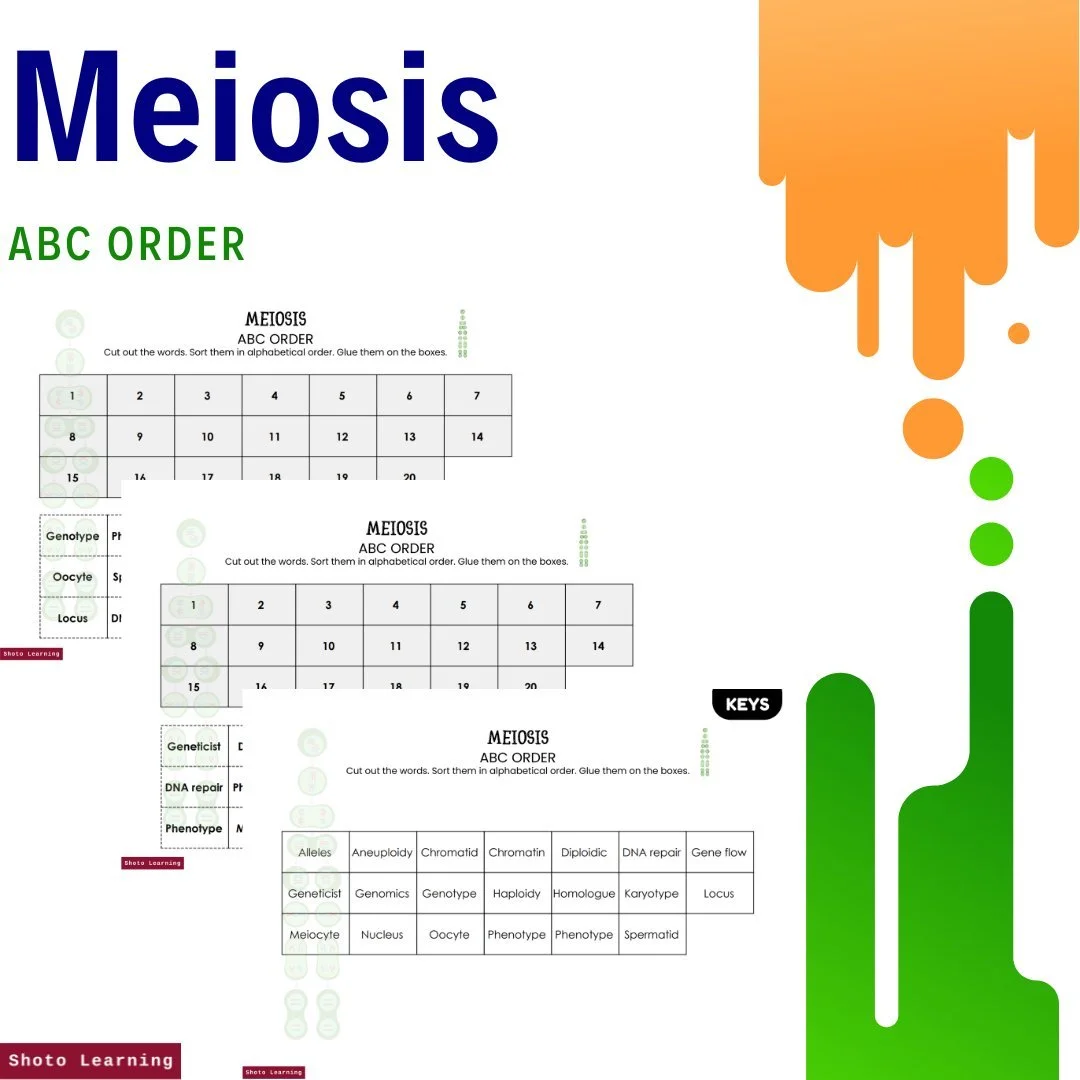


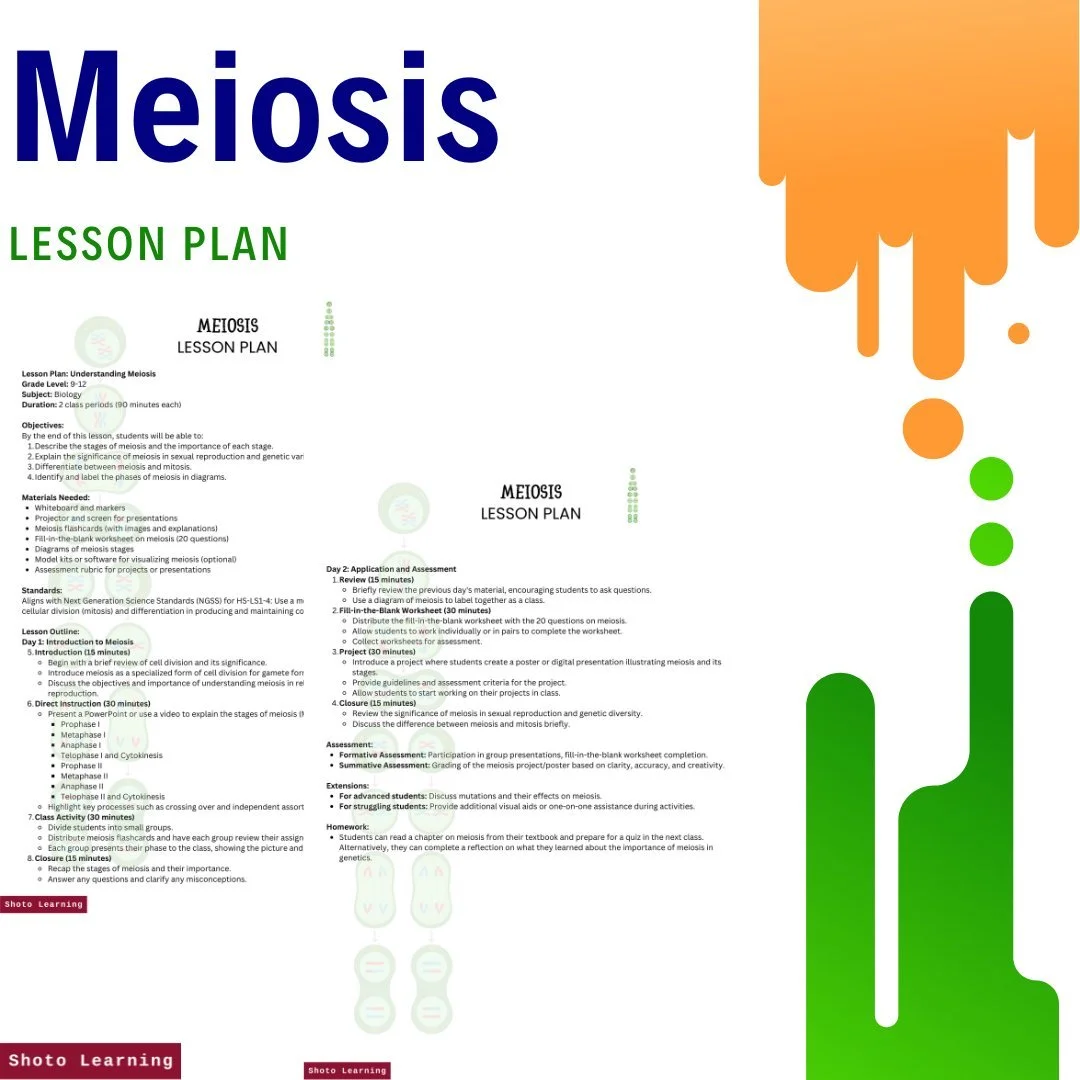


Master the stages of meiosis with this Ultimate Meiosis Bundle, packed with over 20 engaging resources to enhance learning and teaching about cell division. This comprehensive bundle covers everything from interactive games like Bingo and Word Searches to in-depth assignments, tests, and experiments. Ideal for teachers, homeschooling parents, and students, the bundle also includes free resources like flashcards, a poster, and worksheets to support your learning journey.
Whether you're preparing a full lesson plan or need creative activities like cryptograms, crosswords, or debates, this bundle covers you for every learning style.
Key Features:
Assignment: Reinforce meiosis concepts through detailed student assignments
Bingo: Fun and interactive way to review meiosis terms
Crossword: Test knowledge of meiosis terminology
Cryptogram: Engage students with this brain-teasing puzzle
Debate: Facilitate thought-provoking discussions on meiosis and genetics
Experiment: Hands-on activity to bring the meiosis process to life
Fill-in-the-Blank: Reinforce learning with gap-fill exercises
Flashcards: Quick review of key meiosis concepts
Lesson Plan: Complete outline for teaching meiosis, easily customizable
FREE ABC Order, Flashcards, Poster, Worksheet: Bonuses to support learning
Matching, Missing-Letters, Multiple-Choice, Questions & Answers: Diverse quiz formats to test comprehension
PowerPoint: Full presentation with guided speech, perfect for teaching
Reading Comprehension: Enhance understanding with text-based questions
Scramble, Word-Search: Fun and engaging vocabulary-building activities
Test: Comprehensive test on all aspects of meiosis
True-or-False: Quick way to assess student knowledge
Writing Prompts: Encourage deeper thought with guided writing exercises
How to Use It:
Teachers: Use the bundle to create diverse lesson plans, activities, and assessments for different learning levels. The PowerPoint presentation is perfect for classroom instruction, while games like Bingo and Word Search engage students in reviewing.
Students: Study independently using the flashcards, reading comprehension sheets, and writing prompts. Test your knowledge with multiple-choice and true-or-false questions.
Homeschoolers: Tailor lessons with flexible resources that cater to different learning styles and paces.
This all-in-one meiosis bundle is perfect for reinforcing key concepts and making the learning process dynamic and fun!
131 pages
Order your copy today!