
Teaching Valentine's Day: Fun and Educational Activities for Engaging Classrooms
Valentine's Day offers teachers a great chance to mix fun activities with real learning in the classroom. By using creative projects, themed writing prompts, and engaging reading sessions, teachers can make Valentine's Day both enjoyable and educational for their students. These activities help students connect with the holiday while practicing important skills.
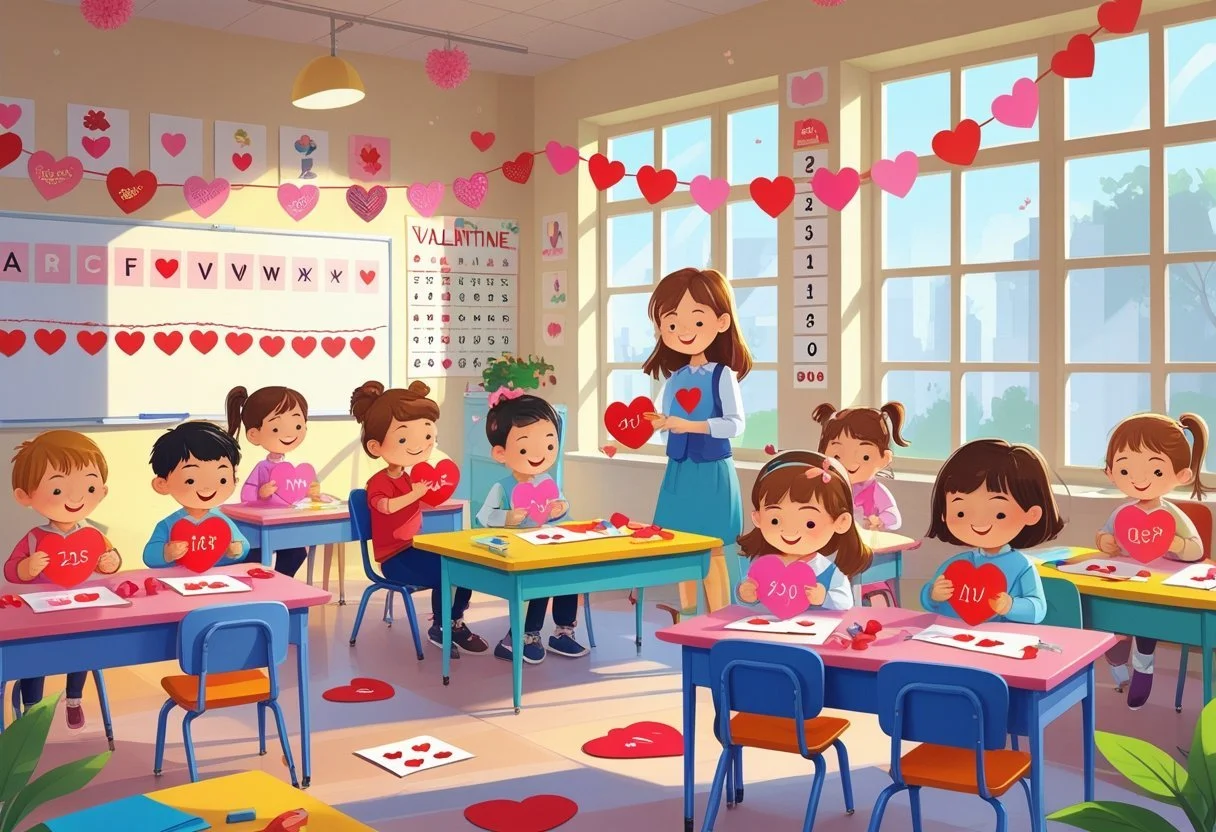
Teachers can also use Valentine's Day to encourage kindness, build classroom community, and explore subjects like art, reading, and writing. Simple crafts, group projects, and thoughtful discussions make the holiday meaningful for every student. With the right approach, every student can feel included and involved.
Key Takeaways
Combining crafts, writing, and reading boosts learning and fun.
Activities can build a caring and inclusive classroom.
Teachers can connect Valentine’s Day with core subjects easily.
The Educational Value of Teaching Valentine's Day
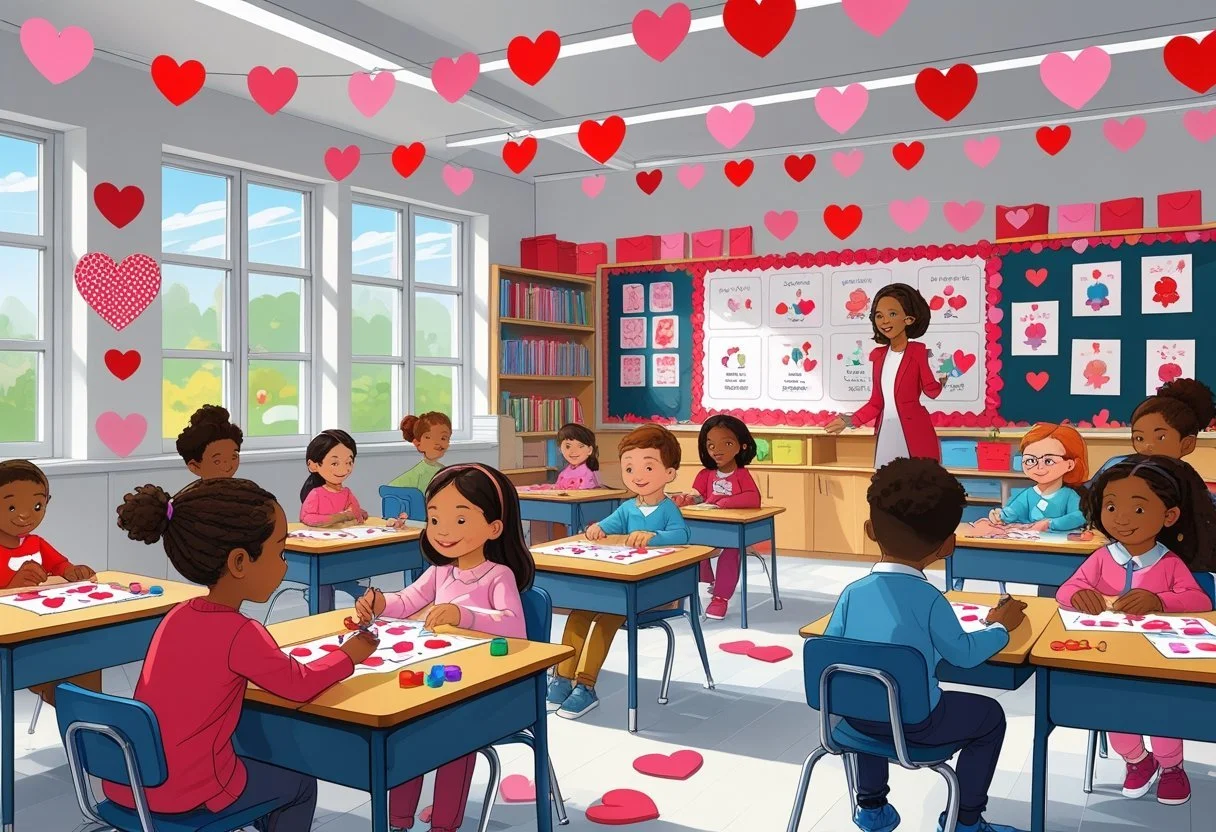
Valentine’s Day lessons can support learning in real and practical ways. These activities help students improve how they relate to others and better understand different cultures and traditions.
Social-Emotional Learning Benefits
Teaching Valentine’s Day in the classroom gives students a chance to practice empathy and kindness. For example, they might make cards or write notes of gratitude to classmates and their teacher. This can help students understand how their words and actions affect others.
Activities like sharing compliments or acts of kindness lists can make students feel valued. This also helps them learn to express appreciation in February and throughout the year.
Teachers can lead short discussions about respect, caring, and handling big feelings. Simple role-plays or read-alouds about friendship help students handle real-life social situations in a positive way. These routines help build strong social-emotional skills that students use daily.
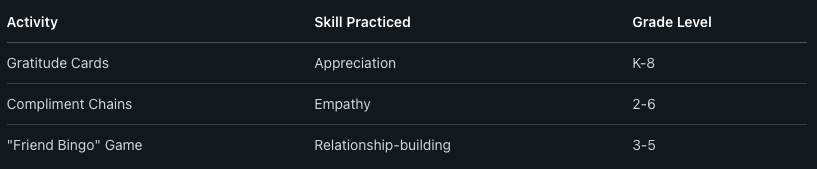
Examples of Social-Emotional Activities:
Cultural and Historical Context
Valentine’s Day has roots that go back hundreds of years. Teaching its background helps students learn why some people celebrate the day in February and how different cultures have their own traditions.
Classroom discussions can cover the story of Saint Valentine, the rise of sending cards, and symbols like hearts and flowers. Students may also compare how Valentine’s Day looks in different countries.
This encourages them to respect both familiar and unfamiliar customs. Teachers can use timelines, short readings, or discussions on how feelings of love and gratitude are shown worldwide.
Key facts:
Valentine’s Day is widely observed on February 14.
Some cultures swap handmade gifts instead of store-bought cards.
Symbols like red roses and Cupid have specific meanings in history.
Fostering Classroom Community
Valentine's Day activities can help students feel connected to one another. When students exchange cards, write thank you notes to their teacher, or work together on themed projects, they practice teamwork and build trust.
Group activities such as “Heart Math” or team crafts invite all students to join in. These events make the classroom a safe place to learn and share emotions.
Teachers often use icebreakers or group circles to help every student feel included, which is especially helpful for new or shy classmates.
Taking time for gratitude circles or group projects in February helps students see the value of working together and supporting one another. This leads to a more positive and inclusive classroom culture.
Valentine's Day Activities for Classroom Engagement
Students enjoy Valentine's Day when they can interact, express kindness, and work together. Teachers can use this holiday to support teamwork and build a cooperative classroom environment.
Interactive Group Games
Group games help students practice teamwork and problem-solving. For example, teachers can organize a "Valentine’s Day Bingo" using themed cards with symbols like hearts, flowers, or cupids. This game gives every student a chance to participate.
Another activity is a "Heart Hunt." Teachers hide paper hearts around the classroom, each with a message or question. Students work in small teams to find the hearts and answer the questions together. These games promote communication, sharing, and group decision-making.
Simple relay races using heart-shaped objects can add excitement and encourage students to cheer for each other. Rules should be clear, and teams must be balanced. Group games like these create a sense of belonging and help students make new friends.
Creative Movement and Music
Movement and music activities allow students to express themselves while celebrating Valentine’s Day. Teachers can organize a "Freeze Dance" game using songs about friendship and kindness. When the music stops, students freeze; if they move, they share a kind word or compliment with a classmate.
Another activity is learning a simple group dance with heart-themed steps—such as making a ‘heart’ shape with arms or jumping in pairs. This builds coordination and brings smiles to the classroom.
Teachers can also give rhythm instruments, like drums or maracas, for students to keep time with upbeat, friendly tunes. Singing songs about caring or friendship can strengthen class bonds and make everyone feel included.
Compliment Exchanges
Compliment exchanges help students build self-esteem and notice positive traits in others. Teachers provide heart-shaped cards or slips of paper for students to write compliments to classmates or staff.
To help everyone join in, the teacher might lead by example, giving a sincere compliment to each student. Students can place their compliments in a decorated box or "Valentine Mailbox," and cards are distributed at the end of the day.
A compliment wall is another option. Each student writes compliments on sticky notes and puts them on a large poster. This visible reminder encourages appreciation and kindness. Compliment exchanges promote a caring classroom where students feel valued.
Themed Centers and Stations
Centers and stations let students move around the room while exploring different Valentine's Day activities. Each center can have a clear focus, such as:

Groups rotate through the stations, spending 10-15 minutes at each one. Teachers prepare all materials in advance to avoid delays. These stations encourage students to work together and try new activities at their own pace.
Centers can also include team challenges, like building the tallest paper heart tower, to boost teamwork. Rotating through stations keeps students engaged and lets everyone find an activity they enjoy.
Valentine’s Day Craft Projects
Hands-on craft projects help students express their creativity while learning about Valentine’s Day themes. Simple materials like paper, glue, and markers allow students of all ages to participate and enjoy making unique decorations.
Heart Shape Creations
Heart shapes are a classic symbol of Valentine’s Day. Teachers can guide students in making paper heart garlands to decorate the classroom. To make a garland, students cut out several heart shapes from colored construction paper, punch holes at the sides, and link them together with string or ribbon.
Another idea is to use paper plates and tissue paper to create big, bright heart displays. Younger students can use templates for tracing and cutting. Older students may design patterns or write messages on their hearts for extra meaning.
Using a table can help organize the different materials:

These creations brighten up the classroom while encouraging teamwork.
DIY Valentine Cards
Making cards lets students share kind messages with classmates and family. Teachers can supply pre-folded cards, stickers, and stamps for decoration. Students then write short notes or poems inside, practicing both their writing and art skills.
A list of simple steps for a card project:
Fold cardstock in half to make a card.
Decorate the front with drawings, stickers, or heart cutouts.
Write a friendly message or poem inside the card.
Sign and give the card to a classmate or loved one.
Lessons can cover the importance of giving and positive words. These activities focus on both creativity and expressing appreciation for others.
Cupid-Inspired Art
Cupid, often shown with wings and a bow and arrow, is a familiar character tied to Valentine’s Day. Students can create Cupid masks or puppets using paper plates, craft sticks, and felt. Teachers may show examples or read a short story about Cupid before the activity.
Here’s a list of possible Cupid art projects:
Draw or paint Cupid characters on large sheets of paper.
Make bows and arrows out of pipe cleaners and straws.
Design wearable headbands with mini hearts and paper wings.
Use collage techniques to glue fabric or paper onto Cupid templates.
These projects help students learn about Cupid’s symbolism and enjoy hands-on art at the same time.
Incorporating Writing Prompts for Student Expression
Writing prompts help students organize their thoughts while practicing new vocabulary and grammar. For Valentine's Day, prompts can spark discussions about kindness, creativity, and gratitude.
Sharing Acts of Kindness
Valentine's Day is a good time for students to reflect on positive actions. Teachers can use writing prompts that ask students to describe an act of kindness they did for someone or received from a classmate. These prompts can include:
Write about a time you helped a friend.
Describe something nice someone did for you this week.
List three small acts of kindness you could do at school.
A teacher might collect responses and create a display titled "Kindness Stories". This can help create a more supportive classroom environment. Students improve their writing skills while thinking about ways to treat others well.
Creative Valentine Stories
Students enjoy using their imaginations, and Valentine’s Day offers many opportunities for creative storytelling. Teachers can provide prompts such as:
Write a short story about a lost Valentine and how it finds its way home.
Invent a new tradition for Valentine’s Day and explain how students celebrate it.
Describe what would happen if everyone in school could make a magical Valentine card.
A story starter or picture prompt can spark ideas for reluctant writers. Students may share stories in small groups or act out their favorite scenes. This activity helps them practice story structure and sequencing.
Gratitude Journaling
Gratitude journaling teaches students to focus on the positive parts of their lives. Teachers often use prompts like:
List three things you are grateful for today.
Write a letter to someone you appreciate and explain why.
Describe a favorite memory with your family or friends.
Table: Sample Gratitude Journal Starters
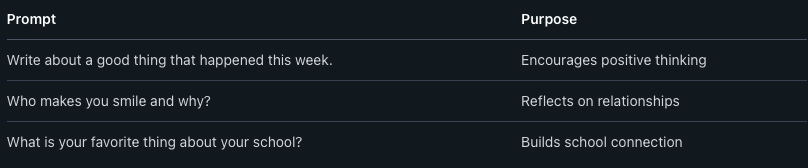
Regular journaling can make gratitude a habit. Students learn emotional vocabulary and practice writing full sentences. Gratitude journals can remain private or be shared with the class, based on student comfort.
Enhancing Reading Comprehension Through Themed Read Alouds
Using Valentine’s Day books for classroom read alouds can boost reading comprehension skills. Selecting the right stories, asking purposeful questions, and planning hands-on activities help students understand and connect with what they read.
Selecting Valentine's Day Books
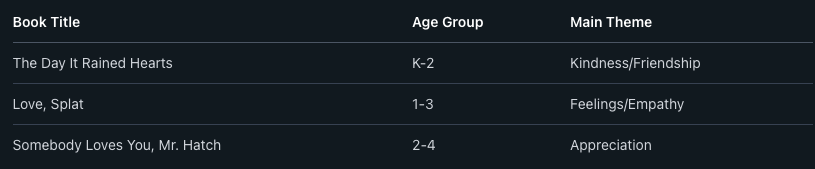
Teachers should choose read aloud books with clear storylines, age-appropriate language, and themes related to kindness, friendship, or Valentine’s Day traditions. Some popular choices include:
The Day It Rained Hearts by Felicia Bond
Roses Are Pink, Your Feet Really Stink by Diane deGroat
Love, Splat by Rob Scotton
Books with simple plots and strong illustrations help younger children follow along. For older students, texts with deeper character emotions allow for more thoughtful discussion. Teachers can prepare a short table to compare options:
Facilitating Discussion and Connection
Before reading, teachers can activate background knowledge by asking students about their own experiences with Valentine’s Day. During the read aloud, pausing to ask questions such as:
“Why do you think the character acted that way?”
“How would you feel in this situation?”
Guided questions support students in making text-to-self and text-to-world connections. For example, students can compare their feelings with the main character or talk about ways to show kindness at school. After reading, group discussions give everyone a chance to share their ideas and learn from each other.
Integrating Story-Related Activities
Hands-on activities connected to the read aloud help students remember key details and practice comprehension skills. Some ideas include:
Drawing a comic strip retelling the story.
Writing a letter from one character to another.
Creating Valentine’s Day cards that show kindness, similar to the characters.
Teachers can also use graphic organizers like story maps and character charts. These tools make it easier for students to spot the main idea, understand the sequence, and identify important details. This approach supports deeper comprehension and keeps students engaged with the material.
Cross-Curricular Connections and Seasonal Learning
Valentine’s Day gives teachers a chance to use the holiday in lessons for more than just crafts or cards. This time of year can support learning in math, science, and social studies by connecting activities to seasonal topics in February, like Groundhog Day and Lunar New Year.
Math with Heart-Shaped Graphs
Students can practice graphing skills using heart shapes and Valentine’s Day themes. Teachers may have students collect class data, such as favorite Valentine’s treats, colors, or ways to show kindness. This data can be displayed in a heart-shaped bar graph or pictograph.
A sample table could look like this:
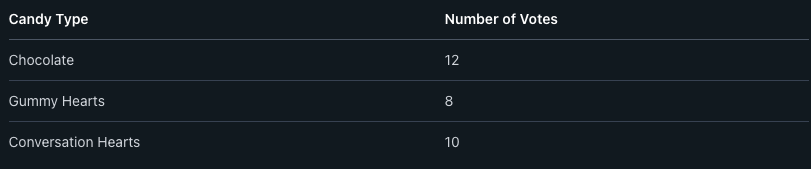
Students count, compare, and discuss what the graphs show. Creating graphs helps with counting, adding, subtracting, and understanding data visualization. This also introduces basic math vocabulary and lets students see how math connects to real-life celebrations.
Science: Exploring Heat and Emotions
February is a cold month in many places, so teachers can connect science lessons to the idea of warmth and heat. Simple hands-on activities could include testing which materials keep hands the warmest or how body heat changes with physical activity.
Students might also discuss how strong emotions, like feeling excited or nervous on Valentine’s Day, can make faces or bodies feel warm. Teachers can talk about body heat, temperature, and the science behind feelings.
For a fun twist, students can use Valentine’s messages to learn about the heat from their own hands by touching them to different classroom materials and charting how long it takes for each material to warm up.
Comparing February Holidays
Valentine’s Day is not the only holiday in February. Students can compare it with other February holidays, such as Groundhog Day and Lunar New Year.
Teachers may use a Venn diagram or a comparison chart to help students see similarities and differences:

Students explore unique customs, symbols, and the reason for each holiday. This helps them understand cultural diversity and the meaning behind different traditions celebrated during the same month.
Tips for Creating an Inclusive Valentine's Day Classroom
Teachers can help every student feel welcome during Valentine's Day activities by showing respect for different traditions and backgrounds. They can use thoughtful teaching ideas to make sure the classroom is a supportive and friendly place for everyone.
Respecting Diverse Traditions
Many students come from different cultural, religious, or family backgrounds. Some may not celebrate Valentine's Day, or they may have their own ways of celebrating. Teachers should ask families about their preferences before planning any activities that relate to the holiday.
Teachers can explain to students that people celebrate in different ways. For example, some families may share cards while others do not. It's helpful to give information about various traditions around the world using colorful displays or short readings. For those who do not wish to participate due to beliefs, allow them an alternative activity that is still engaging and respectful.
A simple chart or checklist can help teachers track who will be joining specific activities. This approach helps avoid misunderstandings and makes sure that everyone's beliefs are honored.
Ensuring No One is Left Out
It's important that all students feel included, especially during activities like passing out cards or treats. Teachers should make sure that students prepare a card or note for every classmate, not just their close friends. This rule reduces feelings of exclusion and promotes kindness.
A helpful teaching idea is to use a class list when passing out cards. Teachers can have children check off each name to ensure nobody is forgotten. This also teaches responsibility. If food or treats are shared, be aware of allergies by double-checking lists or using allergy-friendly options to include everyone safely.
Pairing students up in activities can promote teamwork and prevent anyone from being left out. If students notice someone is alone, encourage them to invite that person to join in. This practice helps build empathy.
Building a Supportive Environment
Teachers can set the tone for Valentine's Day by making respect and kindness the main goals. They should model positive behavior, such as saying thank you and listening carefully when others talk. Setting up a "kindness wall" for students to post positive notes about their classmates can help.
Rules for respectful language and actions should be clear. Display a list of guidelines in the classroom so everyone can see what is expected. Teachers should remind students that participation is always a choice and that nobody should feel forced.
Offer choices in projects, such as writing a poem, making a craft, or drawing a picture. This allows every student to show their feelings in a way that makes them comfortable. When teachers listen to students' worries and adjust plans if needed, the classroom becomes a safe and supportive space for all.
Frequently Asked Questions
Valentine's Day activities in the classroom can be both fun and educational. Many options fit different age groups, learning styles, and classroom needs.
What are some age-appropriate Valentine’s Day activities for elementary students?
Young students can enjoy simple crafts like making Valentine cards, decorating hearts, and creating paper flowers.
Teachers can use reading activities with Valentine-themed books and add short writing prompts about friendship or kindness.
Math games using candy hearts help students count, sort, and group items.
Students can also participate in group art projects to encourage teamwork.
How can high school students engage in Valentine's Day celebrations educationally?
Older students can study the history of Valentine’s Day and discuss cultural traditions in different countries.
They might write poems or essays on topics like love or friendship.
Class debates on how holidays shape behavior can spark critical thinking.
Teachers can assign research projects about famous couples in literature or history.
Can you suggest any Valentine-themed games suitable for a classroom setting?
Bingo is a popular choice with Valentine’s words.
Memory-matching games using heart-shaped cards are simple and fun.
Teachers can set up a scavenger hunt with clues related to Valentine’s themes.
Pictionary works well using words like “cupcake,” “heart,” or “rose.”
What are some creative Valentine's Day projects for college students?
Students can design digital cards or posters.
Short story writing projects on themes like relationships or kindness fit well.
Group presentations on the economic impact of Valentine’s Day allow for deeper study.
Students in art classes can create Valentine-themed artworks using different media.
How can teachers incorporate Valentine’s Day into their lesson plans?
Teachers can use Valentine’s Day as a theme for math problems or word problems.
History lessons can focus on the origins or evolution of the holiday.
Language arts classes can include Valentine poems or letter-writing activities.
Science teachers might have students explore topics like the biology of flowers or chocolate.
Are there any free resources available for Valentine's Day classroom activities?
Many websites offer free printable worksheets, coloring pages, and craft instructions for different grade levels.
Teachers can also find ready-made lesson plans and activity ideas on trusted sites like Teachers Pay Teachers (free section), Scholastic, or the National Education Association.
Make Valentine's Day unforgettable with our Valentine's Day Word Search Puzzle Activity, designed to combine learning and fun! Featuring a festive vocabulary word search, this activity encourages students to explore the spirit of the holiday while enhancing their vocabulary and cognitive skills.
What's Included:
5 Word Search Worksheets: Packed with a variety of Valentine's Day-themed vocabulary words.
Multi-Directional Puzzles: Words are hidden in all directions, including backward and diagonal, offering an engaging challenge for students.
Answer Keys: Quick and easy solution guides for every puzzle.
Key Features:
Perfect for use in classrooms, homeschools, or as a fun at-home activity.
Ideal for early finishers, Valentine’s Day-themed lessons, or take-home assignments.
Promotes problem-solving and vocabulary skills in a festive and interactive way.
How to Use:
Distribute the worksheets to your students.
Let them search for themed words hidden in the puzzle grid.
Add an extra challenge by having them use the found words to write sentences or design a heart-shaped word collage.
Incorporate this versatile and fun resource into your Valentine's Day unit to keep your students entertained, learning, and celebrating the season!