
6–10 MATH ADDITION Teaching Strategies for Effective Classroom Learning
Many students need strong addition skills to build a solid math foundation. Using the right teaching strategies for addition within 6–10 can help students understand numbers better and develop confidence. Teachers can make a big difference by choosing clear methods that work for all types of learners.
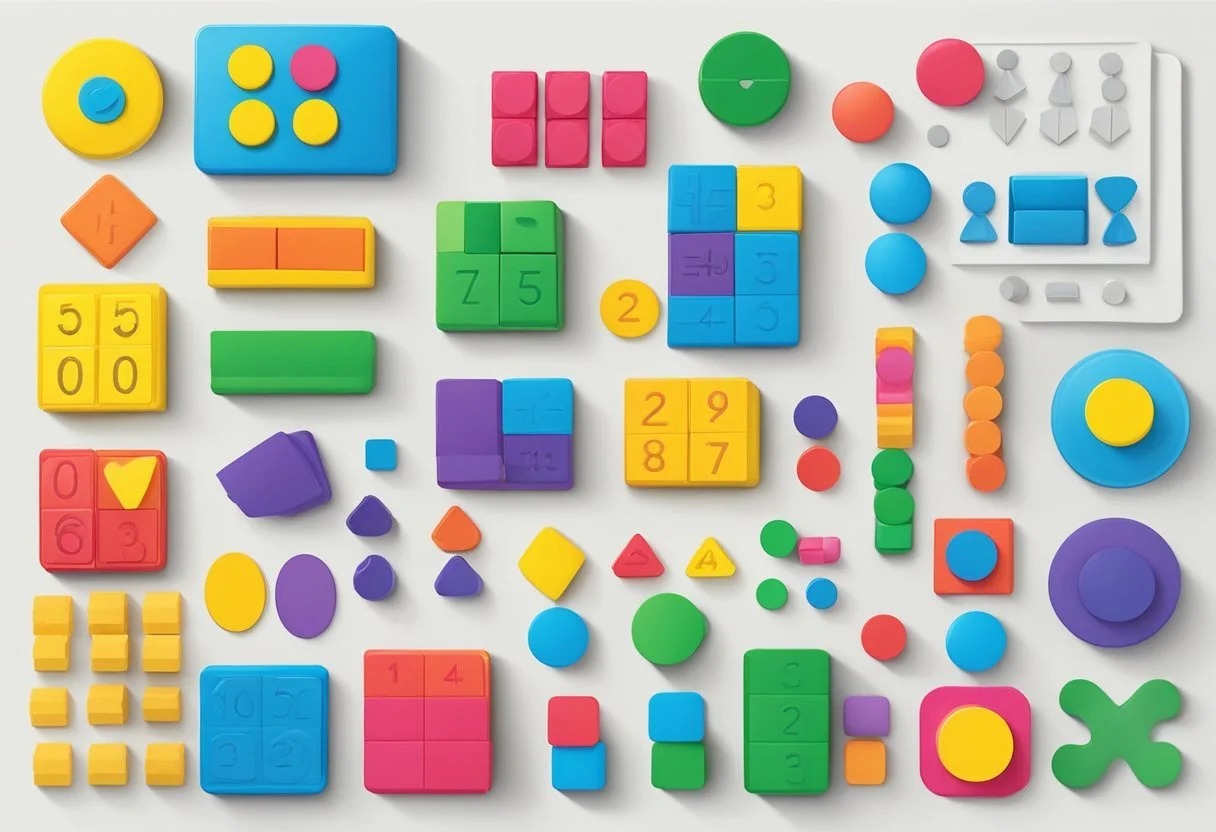
The right mix of tools, mental strategies, and visual models helps students master addition. As learners start to see connections in math, they also find it easier to approach new problems and build fact fluency. These methods can be adjusted to fit every classroom and support every student.
Key Takeaways
Clear teaching methods help students add numbers between 6 and 10.
Visuals and hands-on tools make learning addition easier.
Connecting addition and subtraction supports strong math understanding.
Fundamentals of Teaching 6–10 Addition
Success in teaching addition from 6 to 10 comes from building a strong foundation in number sense, practicing addition facts, and understanding how place value works. Each part helps students gain confidence and master addition skills that will support them in later math concepts.
Understanding Number Sense
Number sense is the ability to understand what numbers mean and how they relate to each other. Young students need to recognize numbers, compare their size, and break numbers into smaller parts. For teaching addition, they must see, for example, that 6 can be made from 3 + 3, or that 9 is 7 + 2.
Teachers use objects, fingers, or visual aids like ten-frames to show students different ways numbers can be grouped. This hands-on practice helps students see numbers not just as symbols but as quantities they can add together. Visual models make abstract math feel concrete and less confusing.
With a strong number sense, students can more easily predict answers, check their work, and notice shortcuts. These skills are the base for fluency in addition.
Building Addition Facts Fluency
Addition facts are simple combinations of numbers, like 7 + 2 = 9, that students need to recall quickly. Fluency means knowing these facts without stopping to count every time.
Teachers may use games, flashcards, or timed challenges to keep practice fun. For example, a small group can play a "race to 10" game, seeing who can add numbers to reach 10 first.
Ways to Practice Addition Facts:
Use colored counters to show different sums
Practice doubles facts (like 6+6) and near-doubles (6+7)
Mix real-world story problems into lessons
When students know their addition facts, they solve problems with less stress and more accuracy. This foundation is also critical for mastering harder math later.
Importance of Place Value
Place value tells what each digit in a number represents. In two-digit numbers, the first digit stands for tens, and the second stands for ones. For example, in 16, "1" is ten and "6" is six ones.
Understanding place value helps students add numbers that cross over ten, like 8 + 7. Teachers may use base-ten blocks or draw diagrams to show how ones turn into a new ten.
Key Place Value Ideas for Addition:
Grouping ones into tens when sums pass 10
Recognizing that 10 is a bundle of ones
Using number lines to jump in tens and ones
Place value supports mental math by letting students break apart and re-group numbers. This understanding leads to confident and accurate addition from 6–10, and well beyond.
Strategies for Addition Within 10
Students who add within 10 can use a few key strategies to solve problems more quickly. These methods help students build strong number sense and become more flexible with numbers.
Counting On and Counting All
Counting on means starting with the biggest number and then counting up. For example, to add 6 + 3, a student starts at 6 and says "7, 8, 9." Counting all means counting each number in both groups one by one, such as counting "1, 2, 3, 4, 5, 6," then "7, 8, 9" for the second group.
Counting on is usually faster and helps students see that they do not always need to start at 1. It is useful with smaller numbers and helps prepare for harder problems later.
Teachers can use number lines, fingers, or counters to show the steps. Both strategies help students see the connections between addition and subtraction.
Making a Ten and Compensation
Making a ten is when students move numbers to form a 10, making addition easier. For example:

If a student needs to solve 9 + 5, they can split 5 into 1 and 4. They add 1 to 9 to make 10, then add the leftover 4 to get 14.
Compensation means adjusting one number up and the other down to keep the total the same. For example, to solve 6 + 5, a student could take 1 from the 5 and give it to the 6 (changing to 7 + 4), which is easier for some students.
Both making a ten and compensation help students understand how numbers work together. They also lay the foundation for mental math and future addition and subtraction skills.
Using Doubles and Doubles Strategy
Doubles means adding the same number to itself, like 4 + 4 or 6 + 6. Students often find doubles facts easy to remember. Teachers can help by practicing these facts with games or short drills.
The doubles strategy is used when a problem is close to a known double. For example, to add 5 + 6, a student can think "5 + 5 = 10, then add 1 more to get 11." This helps students when they cannot solve the problem right away.
Below is a simple list of doubles facts:
1 + 1 = 2
2 + 2 = 4
3 + 3 = 6
4 + 4 = 8
5 + 5 = 10
Knowing doubles and how to use the doubles strategy helps students solve addition within 10 quickly. It also supports later math, including addition and subtraction with bigger numbers.
Utilizing Manipulatives and Visual Models
Students in grades 1–4 can better understand addition by using hands-on objects and visual tools. These methods help build strong number sense and make math lessons more interactive and concrete.
Using Counters and Ten Frames
Manipulatives like small blocks, counters, or beads help students see how numbers combine. Children can move these objects to represent equations. This builds a clear connection between the action of adding and the result.
Ten frames are simple grids with ten slots. They let students organize counters when adding numbers up to ten and beyond. Placing counters in a ten frame helps students visualize number combinations, spot patterns, and quickly see sums.
Below is a simple way teachers might use ten frames:

Using counters and ten frames also prepares students for mental math. They can break numbers into parts and recombine them in their minds more easily after practicing with these tools.
Number Lines for Addition
A number line lets students see addition as movement. Placing a finger on the starting number and “jumping” forward for each number in the equation helps make sense of how numbers grow when you add.
To solve 5 + 2, a student starts at 5, then moves two steps to the right, landing on 7. This visual path makes addition clear and memorable. Number lines also support understanding of problems with missing addends, like 6 + ___ = 9.
There are two main types of number lines:
Open number lines: No numbers are marked except the start and end. Students decide where to jump based on the problem.
Closed number lines: Every number is marked, giving clear reference points.
Both types provide valuable practice, and teachers can decide which fits the lesson best. Drawing jumps with markers or dry-erase pens on laminated number lines adds interaction.
Introducing Worksheets and Activities
Worksheets give students a chance to practice what they learn with manipulatives and visual aids. These practice pages often mix number sentences, word problems, and pictures to use different skills at once.
Activities can include coloring ten frames, circling groups of counters, and drawing number line jumps. This variety helps keep students engaged and checks their understanding in different ways.
Some worksheet ideas include:
Matching equations to ten frame images
Completing fill-in-the-blank number sentences on a number line
Using cut-out counters to “act out” addition before writing the answer
Variety in worksheets and activities ensures all learners find a method that fits their needs. By building practice around visual models, teachers support deeper understanding and retention of addition skills.
Mental Strategies and Fact Fluency
Students develop strong math skills by learning mental methods and practicing basic facts until they become automatic. Using quick thinking and flexible approaches helps them solve problems more effectively.
Break Apart and Regrouping Techniques
Break apart and regrouping involve splitting numbers into parts that are easy to add together. For example, to solve 27 + 35, a student might break it into (20 + 30) and (7 + 5). They add the tens and ones separately, then combine the sums:
20 + 30 = 50
7 + 5 = 12
50 + 12 = 62
This method reduces errors and builds number sense. Teachers may use manipulatives, like base-ten blocks, to show how numbers separate and come back together. Practice with these techniques every day helps students solve harder problems in their heads over time.
Applying the Commutative Property
The commutative property of addition states that changing the order of numbers does not change the sum. In symbols:
a + b = b + a
For example, both 8 + 3 and 3 + 8 equal 11. Knowing this allows students to reorder problems and choose number pairs that are easier to add mentally. Teachers often ask students to rewrite expressions in different orders:

Understanding this property improves flexibility and confidence during addition practice.
Developing Mental Strategies
Mental strategies include using doubles (such as 4 + 4), near doubles (like 5 + 6), and making tens (for example, 7 + 3 = 10). These methods help students quickly recall basic facts without counting on fingers. Building fact fluency means they can answer questions faster and solve more complex problems.
Teachers can encourage students to use mental math by practicing flashcards, playing math games, or asking quick questions in groups. Daily mental exercises help learners retain facts and use them automatically in their work. This foundation supports future skills, including subtraction and multi-digit addition.
Supporting Learners with Varied Abilities
Students learn at different speeds and have different strengths. Teachers can adjust their strategies to make math addition more comfortable and useful for everyone.
Teaching Small Groups Effectively
Working with small groups helps teachers notice what each student finds hard or easy. Small groups allow for activities like math games, hands-on manipulatives, and real-life examples. For instance, using counters or number lines helps students see how to add numbers together.
Teachers can change the pace or repeat lessons as needed. Small groups also let students talk about their ideas and explain how they solved problems. They can use peer teaching, where classmates help each other, or provide extra time for those who need it.
A typical small group session might include:

Adapting Strategies for Bigger Numbers
When teaching addition with bigger numbers, strategies like breaking numbers into parts (decomposing) and using place value charts become more important. Students can use base-ten blocks or draw quick sketches to handle numbers above ten.
Teachers may introduce column addition to help students line up numbers by place value. Visual tools, such as hundreds charts or interactive whiteboards, make steps clearer.
For more support, teachers can provide step-by-step guides or anchor charts on the wall. They may encourage students to work together in pairs or groups to solve challenging problems and compare different methods. Focusing on understanding, not just speed, helps all learners grow.
Connecting Addition and Subtraction Concepts
Learning how addition and subtraction work together helps students build stronger math skills. Showing the links between these operations makes it easier for them to solve problems and understand number relationships.
Exploring Subtraction Within 10
When students use subtraction within 10, they learn to take a group of objects and remove some to see what is left. This is different from addition, where they put groups together to find the total.
Teachers often use small objects, fingers, or number lines to show subtraction facts like 8 – 5 = 3. Using real items helps students see what it means to "take away" from a set.
It is helpful to use visual aids, such as:
Counters or cubes
Drawings or pictures
Simple ten-frames
These aids let students model different subtraction problems and see patterns. Seeing subtraction up close helps them remember facts and see the relationship with addition.
Relating Addition to Change and Inverse Operations
Addition and subtraction are called inverse operations. This means they undo each other. For example, if a student knows 6 + 2 = 8, they can also know 8 – 2 = 6.
Teachers can use math stories to show change, like, "Sara had 4 apples. She got 3 more. Now she has 7 apples." The same story can ask what she started with if a certain number was taken away.
A simple table can help connect these ideas:

Practicing both operations together lets students see how solving one type of problem can help with the other. It also builds confidence when they realize each operation has a "partner" that checks their answer.
Frequently Asked Questions
Math teachers use many strategies and hands-on resources to help kids learn addition. Each grade level needs different approaches and tools to support student learning.
What strategies can be used to teach addition to 6-10 year-olds?
Teachers often use visual aids like number lines, counters, and ten frames. They might also use math games, story problems, and group work to make learning active. Breaking addition into small steps helps younger children understand the process.
How do you introduce the concept of addition to first graders?
First graders learn with objects they can touch and count, such as blocks or small toys. Teachers often use simple sentences like "two blocks plus three blocks equals five blocks." Addition stories and pictures also help make the idea clear.
What are some effective worksheets for helping second graders learn addition?
Effective worksheets include activities like fill-in-the-blank equations and matching number sentences to pictures. Worksheets with word problems or puzzles help students practice adding in different ways. Timed drills for simple sums can build speed and confidence.
Can you provide examples of addition teaching methods for 4th-grade students?
Fourth graders can use mental math strategies, such as breaking numbers apart and regrouping them. Teachers introduce column addition for larger numbers. Students may also solve real-life problems or play logic games that use multi-digit addition.
What is the 'build to 10' addition strategy, and how can it be applied in teaching?
The 'build to 10' strategy asks students to make ten with one addend, then add the rest. For example, when solving 8 + 5, students add 8 and 2 to reach 10, then add the remaining 3 to get 13. Teachers model this with ten frames, beads, or drawing dots.
How can the Levelling addition strategy be implemented in a classroom setting?
The Levelling strategy encourages students to round numbers up or down to make adding easier, then adjust as needed. For example, when adding 39 + 26, students might change 39 to 40 (adding 1) and 26 to 25 (taking away 1), making the sum 40 + 25 = 65. Teachers can practice this on the board and give students similar problems to solve.


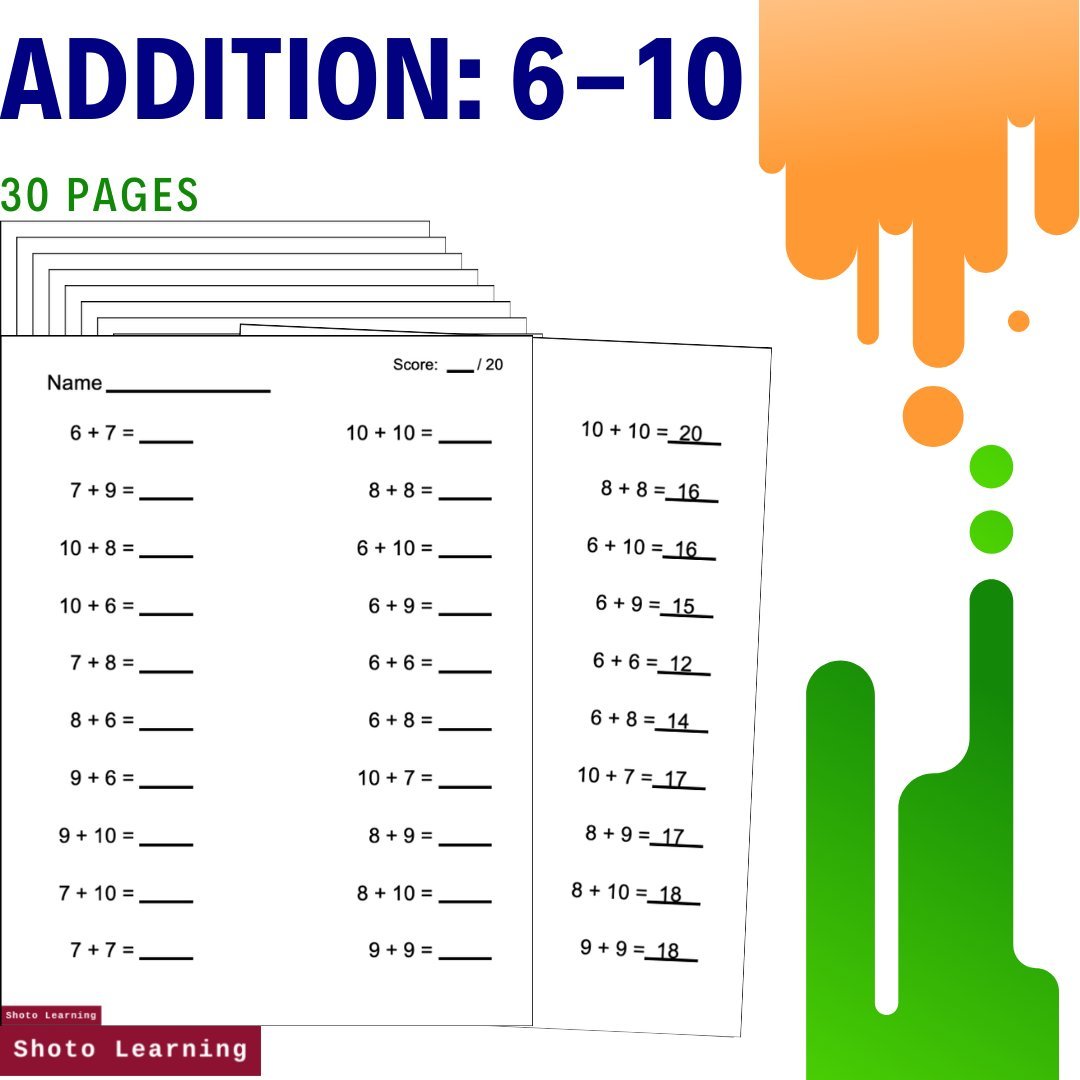


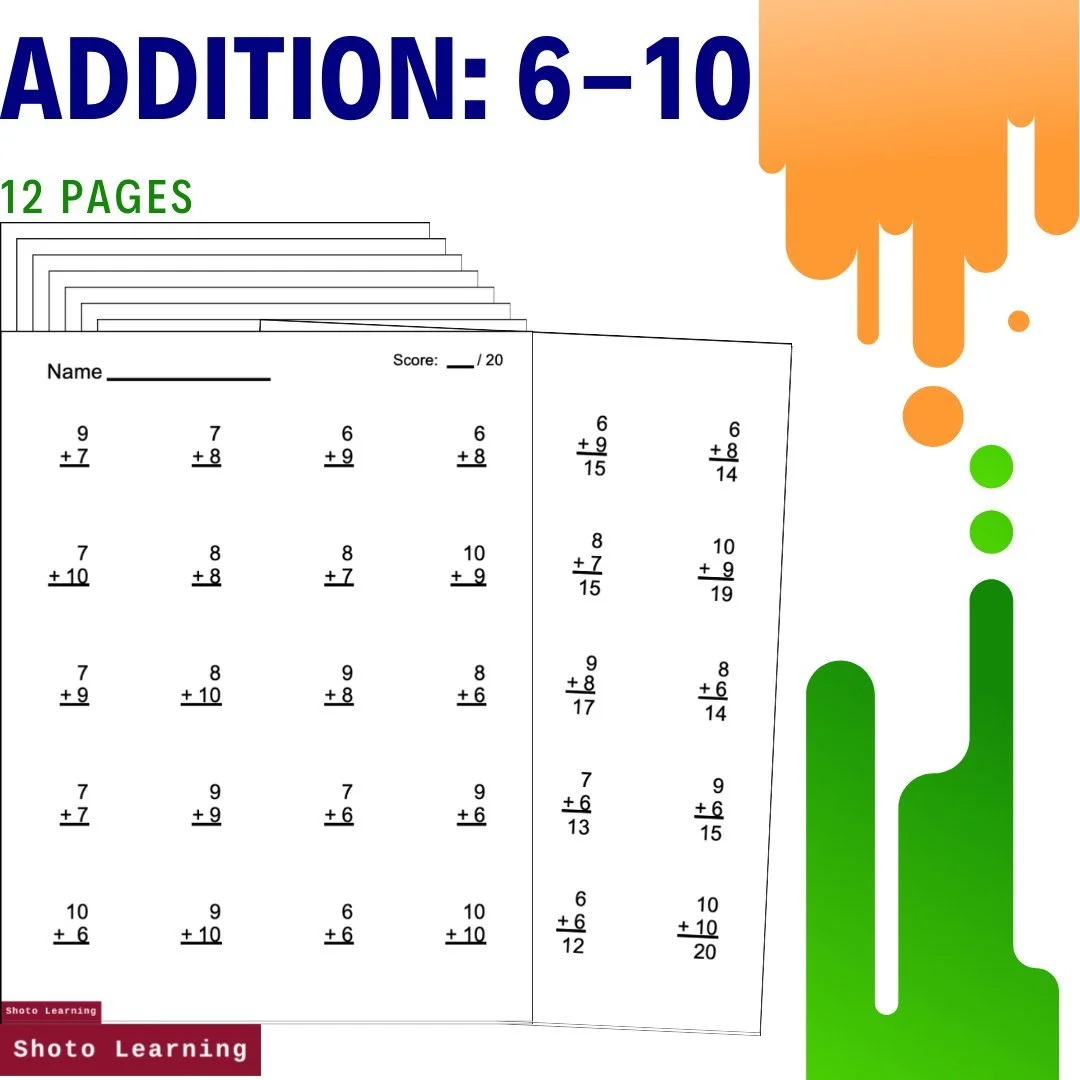


FREE - 6–10 Addition Worksheets | Horizontal Practice Problems
Help students master basic addition skills with these FREE math worksheets focused on adding numbers between 6 and 10! Designed to be straightforward and simple, these worksheets are perfect for beginner learners.
Key Features:
Numbers added together range from 6 to 10
No answer exceeds 20, making it ideal for early learners
20 horizontal math practice problems per page
1 printable worksheet included
Answer key provided for easy grading
Simple and clean layout for focused practice
How to Use:
Quick Grading: Perfect for fast assessments or daily math checks.
Workstations: Set up as a self-paced activity during math centers.
Homework: Assign for additional practice at home.
Assessments: Use as a pre-test or post-test to measure student progress.
This resource is excellent for reinforcing foundational addition skills and building math confidence in young learners!