
Fun Ways to Teach the Scientific Method to Kids Engaging Activities for Young Learners
Kids often have big questions about the world. Teaching the scientific method can help them find answers on their own and understand how things work. Finding fun and simple ways to teach the scientific method can make science easy and exciting for kids.

Hands-on activities and easy experiments are great for getting kids involved. When children make observations, try simple hypotheses, and explore results, they start learning like real scientists.
Learning science does not have to be difficult or boring. Parents and teachers can use everyday moments to spark curiosity and help kids ask good questions.
Key Takeaways
The scientific method helps kids understand and explore the world.
Activities and experiments make science learning fun and simple.
Everyday routines can be used to encourage curiosity and discovery.
Understanding the Scientific Method
The scientific method is a step-by-step process used to answer questions and solve problems. Kids can use this approach to explore the world around them in a logical and organized way.
Core Steps of the Scientific Method
The scientific method usually follows these key steps:
Observation: Kids start by noticing something interesting or asking a question.
Hypothesis: They make a guess, called a hypothesis, about what they think will happen.
Experiment: They perform an experiment to test their hypothesis, changing only one thing (the independent variable) and watching what happens (the dependent variable).
Analyze: They look at the results and analyze the data they collected.
Conclusion: They decide if the results support their hypothesis or not.
Being clear about each step helps kids stay organized. They learn to separate what they change from what they measure. For example, if kids want to see how sunlight affects plant growth, sunlight is the independent variable and plant growth is the dependent variable.
Importance of the Scientific Method for Kids
Learning the scientific method teaches kids how to solve problems and think carefully. It shows them how to create a hypothesis, test their ideas, and use evidence to draw a conclusion.
This process also helps kids practice being patient and open-minded. If their hypothesis is not correct, they can try again or ask a new question. This builds resilience and confidence.
By using the scientific method, kids get better at asking questions and understanding how the world works. It helps them become curious thinkers, which is useful both in school and everyday life.
Making Observations and Asking Questions
Kids learn the scientific method best when they are actively involved in seeing and exploring the world. Careful observation and question-asking help them become natural scientists and lead them into real discovery.
Techniques for Observation
Observation is the first step in the scientific method. Kids can use their senses—sight, hearing, smell, touch, and sometimes even taste—to notice important details around them. For example, they can watch how plants grow under sunlight or listen for bird songs in a park.
Teachers and parents can ask kids to keep observation journals. These are notebooks where kids draw or write what they see, hear, or feel. Kids can use simple checklists or tables to track changes, such as plant height or weather patterns. Reading about related topics before observing also helps kids know what to look for.
It’s important to give kids enough time to look closely. Short walks outside or simple experiments at the kitchen table work well. The goal is to help them slow down and really notice what is happening.
Encouraging Kids to Ask Scientific Questions
After making observations, kids should ask questions about what they noticed. Good scientific questions start with “why,” “how,” or “what if.” For example, “Why do leaves change color in autumn?” or “What happens if we give plants more water?”
Adults can model asking questions and encourage kids to think out loud. It helps to write questions down or create a class question board. Families and teachers can discuss possible answers together through conversation or reading books on the topic.
Letting kids choose their own questions makes learning more meaningful. This helps them feel more involved and excited about learning.
Simplifying Hypotheses for Young Learners
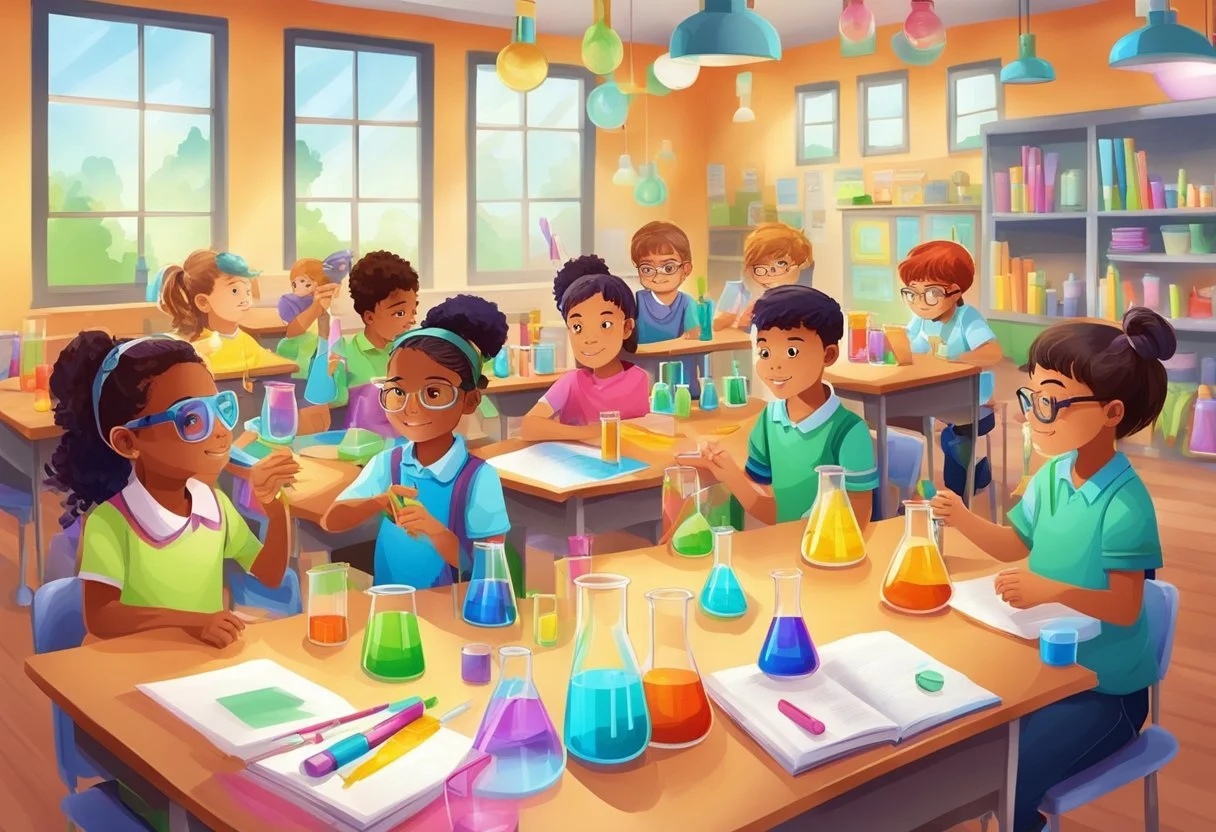
Kids often mix up guesses and hypotheses, and may not know how to turn their curiosity into a question they can test. By showing how hypotheses work and giving clear ways to make them, kids can better understand the scientific method.
Difference Between Hypothesis and Guess
A guess is just what someone thinks might happen, with no reason. It could be about anything, like saying it will rain because they hope for a rainy day.
A hypothesis is different. It is a clear statement based on what someone already knows or notices. For example, after seeing that plants grow faster with more sunlight, a child might say, "I think my plant will grow taller if it sits in the window."
Key Differences:

Teaching the difference helps kids think more about why things happen, not just what could happen.
How to Formulate a Kid-Friendly Hypothesis
A good way for kids to make a hypothesis is to use an “If…then…” sentence. This helps them link an action to a result.
Example:
If I water my plant every day, then it will grow faster than if I do not water it.
Encourage kids to think about what they can change (the variable) and what they will measure. Remind them to base their hypothesis on what they see or know, such as how light helps plants grow or how ice melts in warm places.
Tips for Kid-Friendly Hypotheses:
Use simple words.
Focus on one thing to change.
Always plan how to test the idea.
Using this simple format helps children write clear, testable hypotheses for their experiments.
Engaging Science Experiments for Kids
Kids learn best when they can see, touch, and try things themselves. Using hands-on science experiments makes scientific ideas clearer and more memorable for young learners.
Classic Hands-On Experiments
These science experiments have stood the test of time. They let kids observe cause and effect right before their eyes. One simple experiment is the vinegar and baking soda volcano. Children mix baking soda and vinegar in a small container and watch the fizz and foam as a chemical reaction takes place.
Another favorite is growing crystals using salt or sugar. This experiment lets kids see how crystals form and grow over several days. Observing moldy bread is another classic activity. By placing slices of bread in different conditions—such as warm, cold, or damp—kids can see how mold changes based on its environment.
Classic experiments often involve:
Mixing different substances
Letting things sit and observing the change
Looking for visible results, like bubbles, color changes, or growth
Simple Everyday Science Activities
Many science experiments use items found at home. For example, making a rainbow with a glass of water and sunlight helps kids learn about light refraction. Parents can guide children to hold the glass at different angles and notice how the rainbow appears and changes.
Building a paper airplane is another easy activity. Kids can test how changes in wing shape or size affect how far the plane flies. This makes it easy to talk about the scientific method. Children can form a question, make a guess, run the test, and record the results.
Some basic examples are shown below:

Measuring and Changing the Dependent Variable
Learning to measure and change the dependent variable is key in any science experiment. The dependent variable is what is being observed or measured in response to what is changed. For example, in a plant growth experiment, the dependent variable could be plant height, while the independent variable is the amount of sunlight.
Kids can run simple experiments like testing which type of liquid (water, juice, soda) helps a seed grow fastest. Students measure the height of each plant over a week, then compare the results to see which liquid worked best. Recording data in a chart helps make changes in the dependent variable clear.
Teaching children to control other factors, such as temperature or soil type, keeps the experiment fair. They learn to focus just on what they are trying to test and to look for honest results. This builds strong science skills and encourages careful thinking.
Guiding Kids Through Experiment Analysis
Kids learn more when they can see, touch, and record the steps of a science experiment. Helping them organize what they find and understand what their results mean is key.
Collecting and Organizing Data
Kids should write down all observations and measurements during an experiment. They can use tables to keep things organized. For example:

Using lists and simple charts also helps. Teachers can guide kids to label data clearly, use timings if needed, and include drawings.
Remind kids that every piece of data matters—even if it seems unimportant. In a lab report, students can create sections for their materials, steps, data, and notes. This encourages complete and careful recordkeeping.
Making Sense of Results
Once data is collected, kids need help to analyze it. This means looking for patterns or surprises in the results. Ask guiding questions like, "Did the same thing happen each time?" or "How did changing one thing affect the outcome?"
Kids should compare their findings to their original ideas or predictions. Creating a summary table can make results clear:

Teachers can help students form simple conclusions based on what the data shows. Kids should include a conclusion section in their lab report where they explain what they learned and what they might do differently next time.
Drawing Conclusions and Sharing Results
At the end of an experiment, kids summarize what they learned from their observations and collected data. It is important that they communicate these findings clearly and discuss their results with others.
Helping Kids Write and Present Conclusions
Children should use their experiment notes and data to answer their original question. They can write a simple conclusion that states if their hypothesis was correct or not.
A helpful approach is to use a lab report template. This should include:
The question
The hypothesis
The steps taken
The results
The conclusion
Encourage them to write clearly and avoid guessing. They should support their conclusion with facts from the experiment. When presenting, they might make posters, give a short talk, or use a slideshow. Practicing speaking gives them confidence and helps them organize their thoughts. Visual aids like charts and simple graphs help make information easier to understand.
Encouraging Group Discussions
Sharing results with others helps improve understanding. Group discussions let children compare findings and notice patterns or differences. The teacher can guide the conversation with questions like, “Did everyone get the same results?” or “Why do you think some results were different?”
Children should listen respectfully and take turns speaking. Discussion helps them see that experiments can have different results and lets them learn from their classmates’ methods. Writing down a few points from the discussion can also be added to their lab reports.
A simple list can help guide group talks:
What happened in each experiment?
Were predictions correct?
What surprised you?
What would you try next time?
This process builds teamwork and encourages curiosity.
Integrating Science Into Everyday Routines
Kids can practice the scientific method during daily routines at home and school. Regular activities like starting a new school year or reading together become good chances to ask questions, make predictions, and check the results.
Science During Back to School Season
The first weeks of school are full of new experiences and changes. Teachers and parents can help kids use the scientific method by encouraging them to ask questions about their environment. For example, children can compare which type of backpack holds the most books or which lunch container keeps food cold longest.
Kids can write predictions, test their ideas, and record their results in a simple chart:

By making science part of everyday problems, children see how experiments connect to their own lives. This builds a habit of thinking like a scientist at school and at home.
Incorporating Reading and Storytelling
Books and storytelling help students learn the scientific method in a creative way. Adults can read stories where characters solve problems by asking questions and testing ideas. After reading, kids can make lists of what steps the characters followed, such as asking a question, making a guess, and finding answers.
Reading logs or science journals can help kids track their own questions and discoveries. Simple prompts like “What did you wonder about today?” or “What did the main character learn?” encourage children to reflect. These tools make it easy to tie literacy skills and science together every day.
Encouraging Lifelong Curiosity and Discovery
Kids who stay curious often ask better questions and learn more on their own. They need real tools and adults who support their scientific interests every day.
Supporting Ongoing Scientific Exploration
Children build strong science skills by exploring the world outside the classroom. Family trips to the park, nature walks, and kitchen experiments make learning fun and practical.
It helps to give kids simple science tools. Magnifying glasses, small notebooks, and basic measuring cups let them do real investigations. These tools encourage kids to observe, take notes, and ask questions.
Adults can also model curiosity by wondering out loud or searching for answers together. When families read science books or watch nature shows, they show that it’s normal to keep learning.
Tips for Support:
Let kids choose topics that interest them
Set aside time for experiments at home
Visit local libraries, science fairs, or museums
Resources for Parents and Educators
Many resources make it easier to teach the scientific method. Free printables, online science games, and experiment guides help adults bring science to life at home or in class.
Below is a table with some helpful types of resources:

Teachers and parents can use free lesson plans, experiment videos, and discussion guides from these sources. Providing access to a variety of materials supports different learning styles. Sharing simple ideas helps everyone feel confident in guiding scientific discovery.
Frequently Asked Questions
Children can better understand the scientific method through hands-on activities, simple experiments, and clear visual aids. Many teachers and parents also use organized worksheets and downloadable PDFs to support structured learning.
What activities can make learning the scientific method enjoyable for children?
Games like “science mystery boxes,” scavenger hunts, and nature walks help children ask questions and make predictions. Group experiments, such as testing which substances dissolve in water, keep kids engaged. Interactive storybooks and apps also encourage curiosity about science.
How can I integrate the scientific method into classroom lesson plans?
Teachers can incorporate experiments related to current science topics, like plant growth or weather. Using science journals lets students record hypotheses, data, and conclusions. Working on projects in teams helps students practice observation and analysis together.
Which experiments are effective for demonstrating the scientific method to kids?
Easy experiments include making vinegar and baking soda volcanoes, growing beans in clear cups, or testing paper towel absorbency. These activities help kids form questions, make predictions, track results, and share findings.
What are creative ways to teach the scientific method at home?
Parents can use cooking to discuss measurements, changes, and results. Setting up simple challenges, like predicting which household objects will sink or float, encourages observation and reasoning. Watching science videos together is another way to spark questions children can investigate.
How can worksheets enhance the learning of the scientific method for kids?
Worksheets can help children organize their thoughts by providing sections for questions, guesses, steps, and results. Some worksheets use diagrams, charts, or pictures to guide children through each stage. They also allow kids to review and reflect on their scientific thinking.
Are there any comprehensive PDF resources for teaching the scientific method to children?
Many educational websites offer free or low-cost PDF downloads with activity ideas, experiment steps, and record sheets. Popular sources include educational publishers and museums. Some PDFs are designed for different age groups and provide detailed instructions and sample questions.


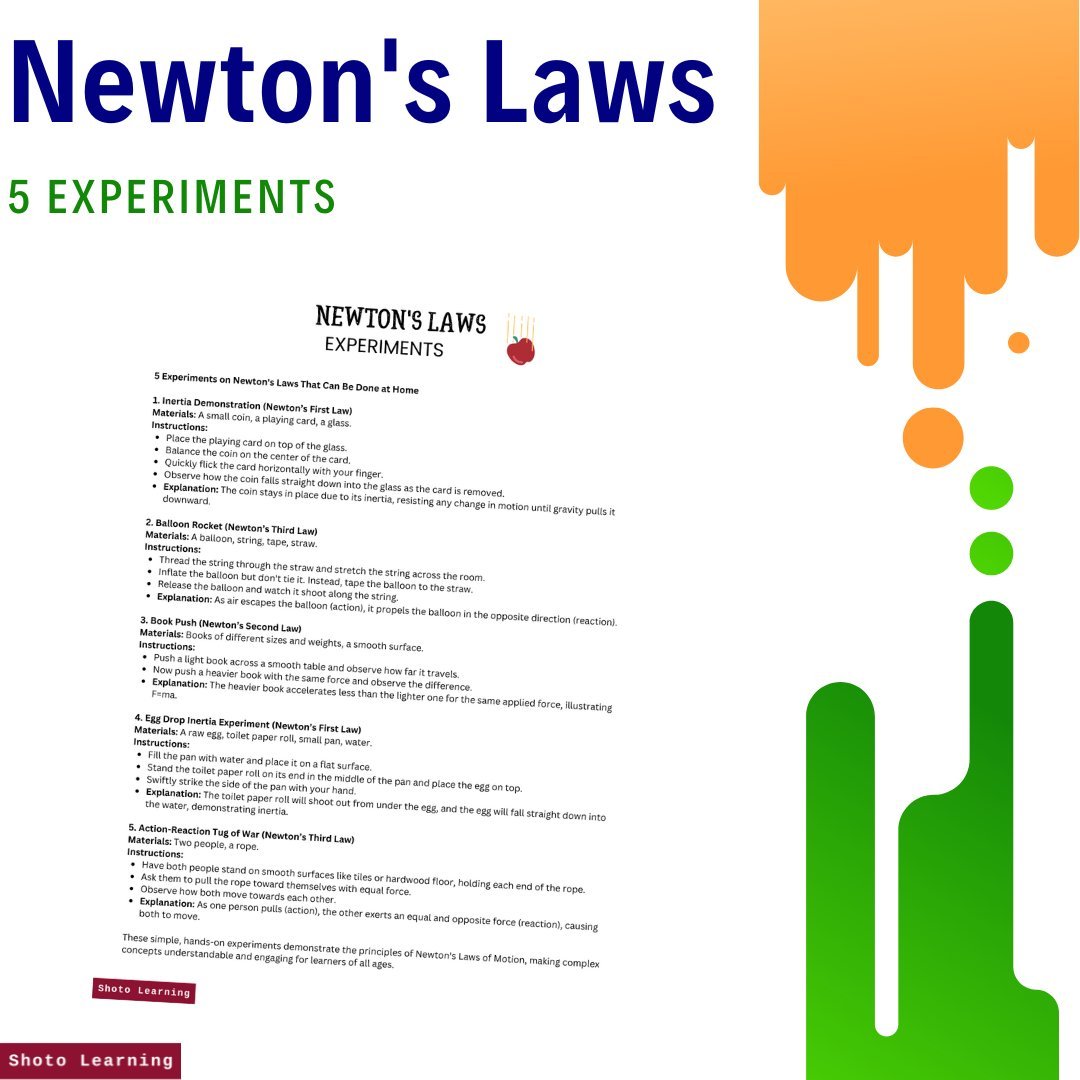


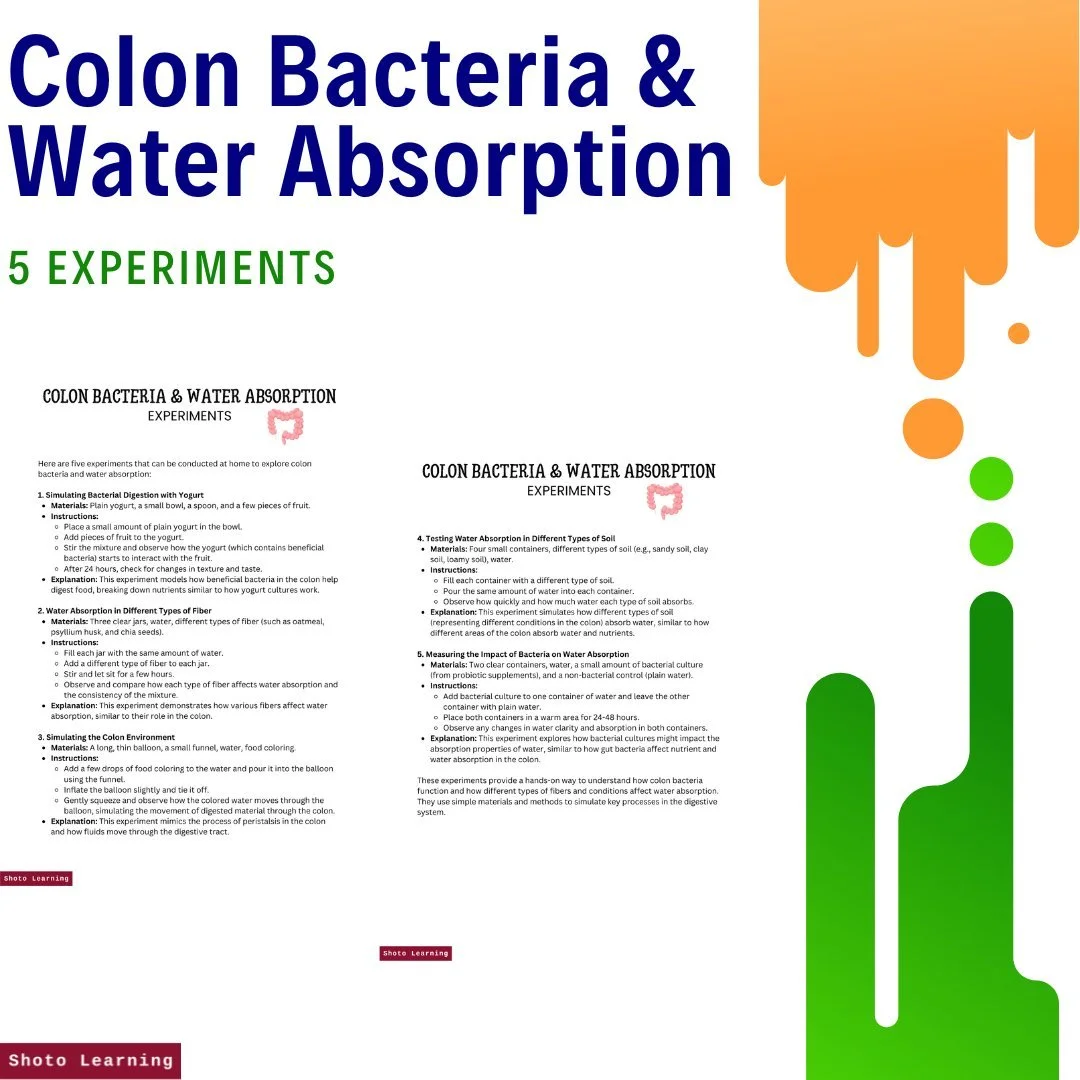


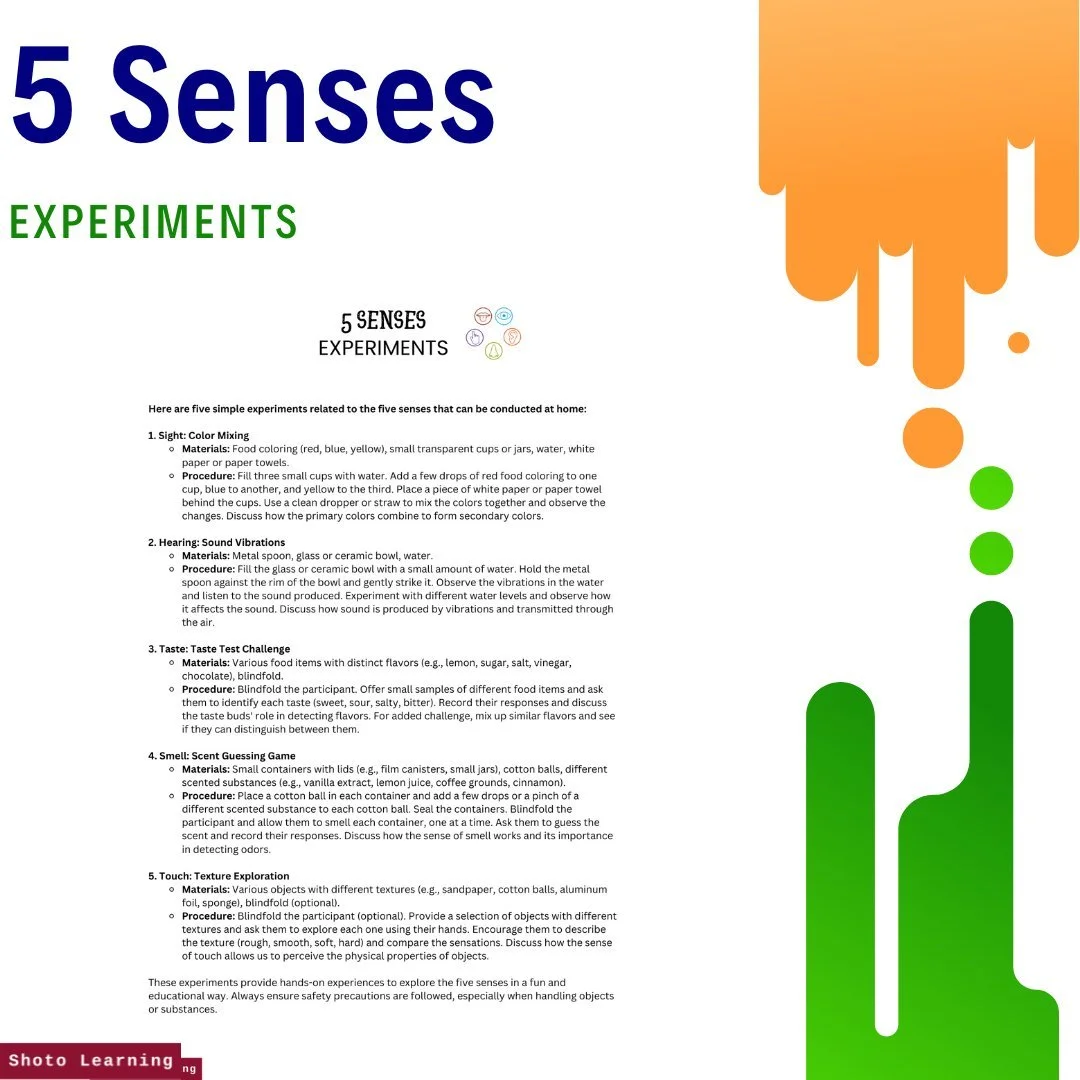


Make learning fun this Independence Day with 5 hands-on science experiments! This printable worksheet combines fun and education with activities themed around fireworks, rockets, and patriotic colors. Perfect for classrooms, homeschool, or family celebrations.
What’s Included:
1 Worksheet with 5 easy-to-follow experiments
Simple step-by-step instructions for each experiment
Clear explanations of the science behind each activity
Key Features:
Printable, no-prep PDF – just print and go
Covers fun STEM concepts like chemical reactions, air pressure, and density
Uses easy-to-find household items
Engaging for students, homeschoolers, or party groups
Perfect for Grades 2–6 or mixed ages
A great way to combine learning with July 4th celebration
Turn your Independence Day into a learning adventure with these exciting, hands-on science experiments!