

Teach Kids To Compare: Long/Short, Heavy/Light, Hot/Cold With Simple Everyday Examples
Teach kids how to compare everyday objects using terms like long and short, heavy and light, and hot and cold. These simple lessons help build strong observation, language, and early measurement skills through fun, hands-on learning.
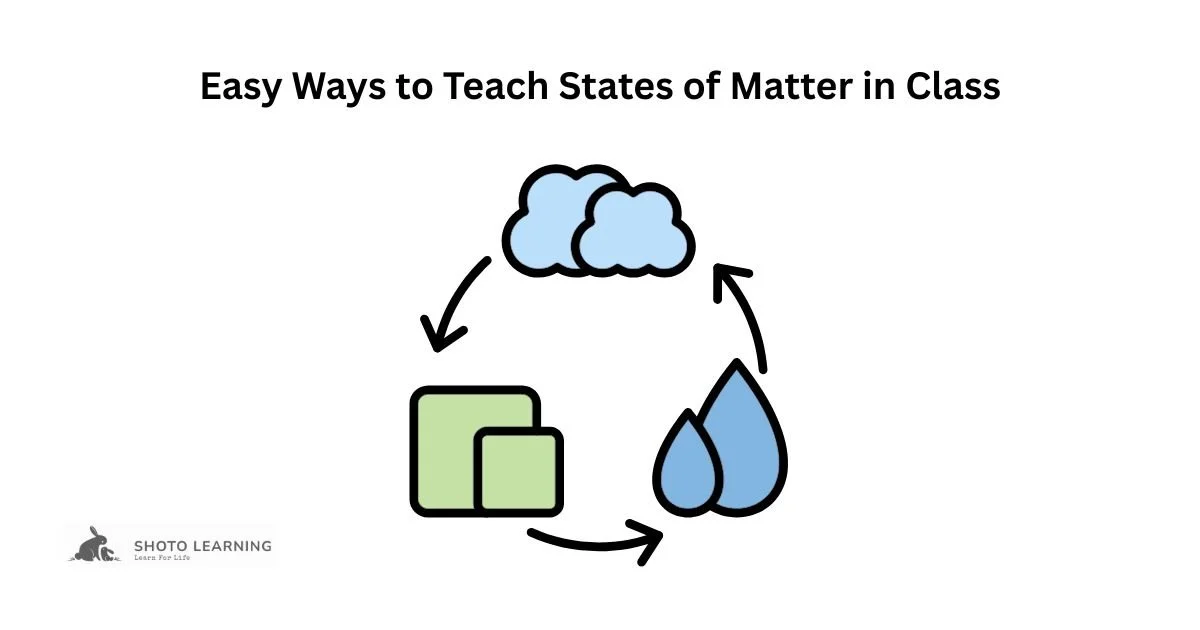
Easy Ways to Teach States of Matter with Practical Classroom Activities
Teaching states of matter doesn’t need to be complicated. With simple experiments, visuals, and real-life examples, students quickly grasp the differences between solids, liquids, and gases. These engaging strategies make science interactive and fun.
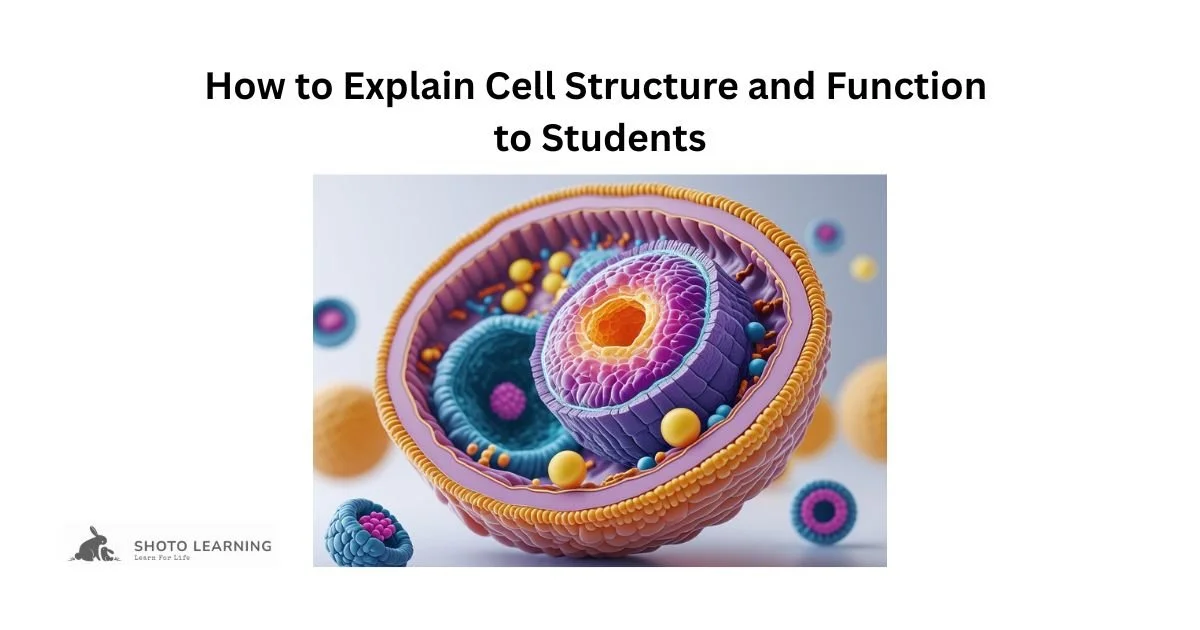
How to Explain Cell Structure and Function to Students Effectively in the Classroom
Learn how to teach cell structure and function in a fun, clear, and engaging way. Use models, real-life examples, and interactive tools to boost student learning.

Fun Ways to Teach the Scientific Method to Kids Engaging Activities for Young Learners
Teach kids the scientific method with fun, hands-on activities! Help young learners explore, ask questions, and discover science through simple experiments.

Guide to Teaching Addition 1 to 5: Effective Strategies for Early Learners
Learn how to teach addition from 1 to 5 with fun, visual, and hands-on strategies perfect for preschool and early primary learners. Boost math confidence early!
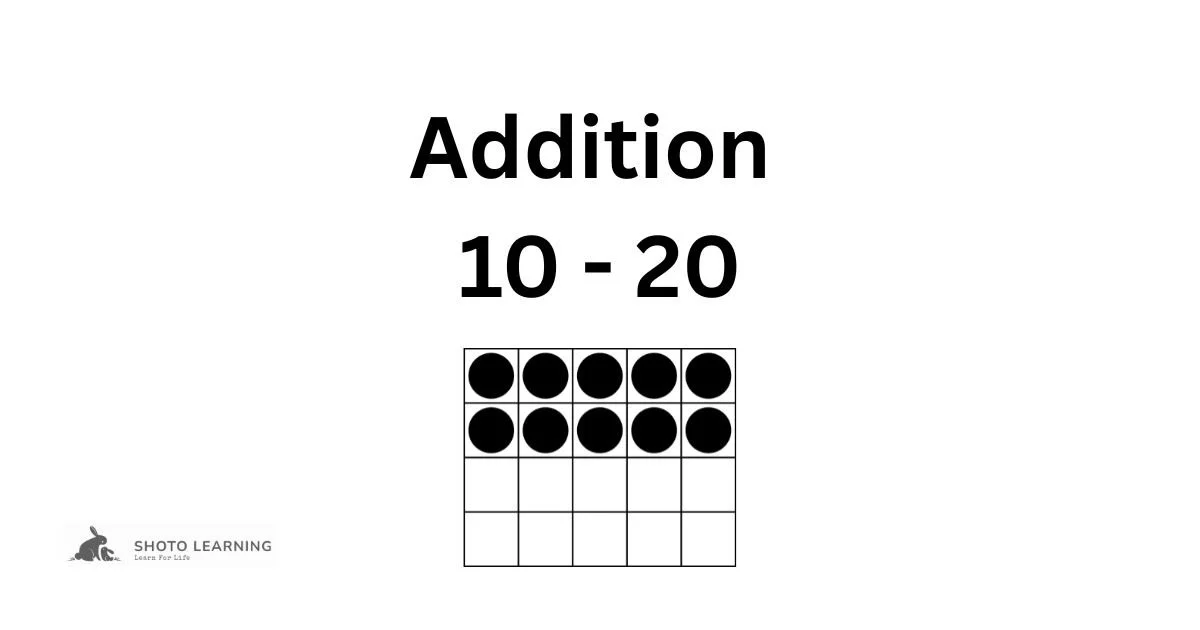
Guide to Teaching Addition 10–20: Effective Strategies for Confident Learners
Discover effective ways to teach addition facts from 10 to 20. This guide offers fun strategies using manipulatives, number lines, and place value concepts.

Why Teaching Evolution Matters: Practical Strategies to Enhance Scientific Literacy and Critical Thinking in the Classroom
Teaching evolution equips students with essential skills in scientific reasoning, evidence evaluation, and critical thinking, while also clarifying common misconceptions.