
Guide to Teaching Addition 10–20: Effective Strategies for Confident Learners
Learning to add numbers from 10 to 20 can feel tricky for many students, but it is an important math skill they use every day. This guide offers simple strategies that help students understand and master addition facts between 10 and 20. With the right tips, teaching these skills can be easy for teachers and fun for kids.
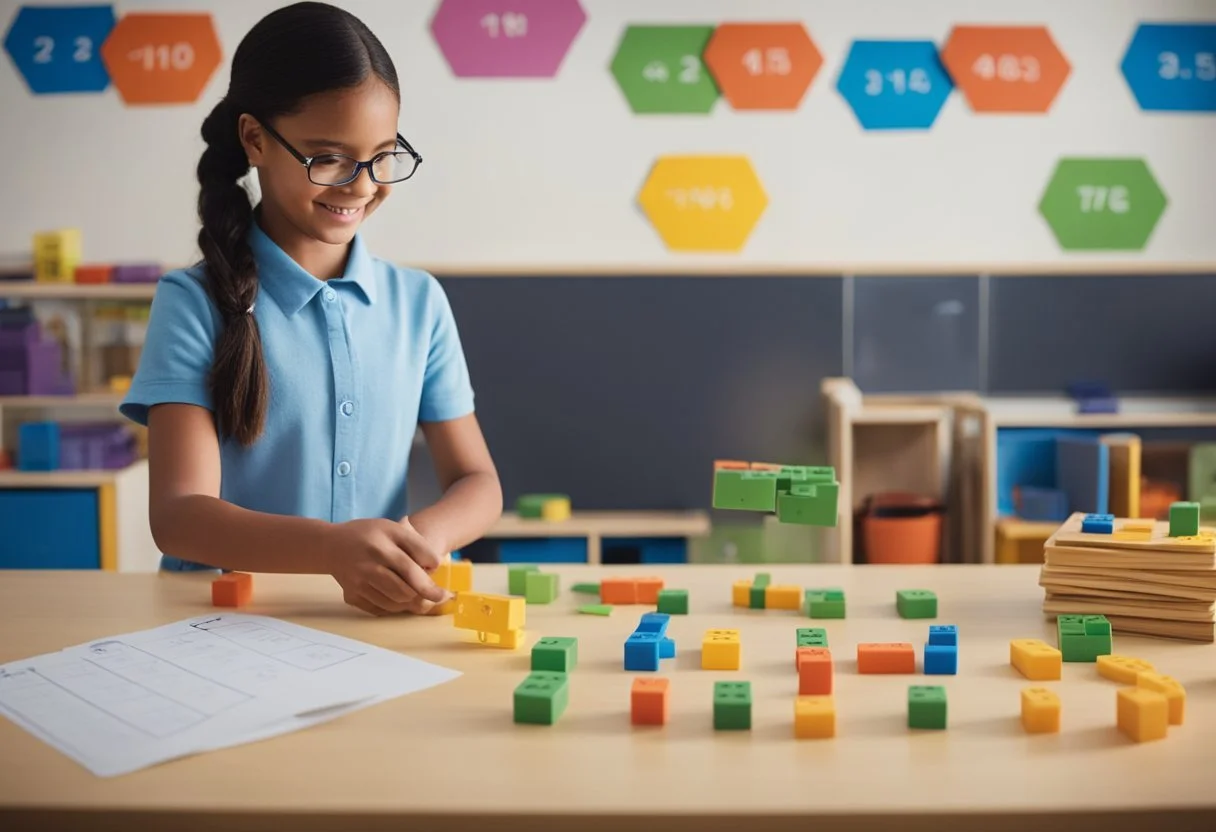
The article breaks down each step, from understanding basic addition to solving word problems. Strategies are designed for real classroom use and focus on building confidence in students.
Key Takeaways
Effective strategies make addition facts 10–20 easier for students to learn.
Teaching connects addition to real life and builds deep understanding.
Students can apply these skills to bigger math problems and situations.
Understanding the Foundations of Addition 10–20
Addition within 10–20 builds on core skills students develop in early mathematics education. Students use their understanding of numbers, place value, and fluency to solve problems and build confidence in math.
Establishing Number Sense
Number sense helps students recognize patterns and relationships between numbers. When working with addition in the 10–20 range, learners benefit from visual aids like number lines and ten-frames. These tools help them see how numbers fit together and how addition changes quantity.
Strong number sense lets students break down addition problems. For example, to solve 13 + 4, a student may think, “13 is 10 and 3. Add 4 to 3 to get 7, then combine with 10 to get 17.” This shows understanding, not just memorization.
Building number sense involves daily practice. Teachers can use games, counting activities, or manipulatives. The main goal is for students to see numbers as flexible and connected, which supports harder addition later.
The Role of Place Value
Place value is the idea that the position of a digit in a number shows its value. In the numbers 10 to 20, the “1” stands for ten, and the next digit shows how many more are added. This helps students quickly solve addition problems by separating tens and ones.
For example, when adding 15 + 3, a student can break the problem into parts:

The answer is 18. Students who understand place value can do this in their heads and learn to regroup (or carry) as needed.
Place value skills are built with base-ten blocks, hundreds charts, or drawing diagrams. Teachers should give students different ways to see how the place value system works.
Importance of Fact Fluency
Fact fluency means recalling basic addition facts quickly and correctly. For sums between 10 and 20, students who know facts like 8 + 2 = 10 can use that knowledge to solve harder problems, such as 12 + 6. They remember that 12 is 10 and 2, making it easier to add 6.
Teachers can support fluency with regular practice:
Flashcards
Mental math drills
Timed games
Peer quizzing
Fluency saves time, so students think about problem solving and not just the math facts. Over time, students will see number patterns and feel more comfortable with higher-level math. Practice should be daily, mixed, and fun to keep students engaged.
Key Strategies for Teaching Addition 10–20
Teaching addition within the range of 10 to 20 requires specific methods that help students build number sense and understand math concepts. Using clear strategies and hands-on tools, teachers can make these addition problems easier to learn.
Counting On and Number Lines
Counting on is a method where students start with the larger number and count up by the smaller one. For example, to solve 12 + 5, students start at 12 and say, “13, 14, 15, 16, 17,” which shows that 12 + 5 = 17.
Number lines give a visual way to see how numbers grow. Students can jump or move forward on a number line to add. This helps them see that numbers increase as they move to the right.
Here is a sample process for using number lines:
Mark the starting number on the line (for example, 11).
Make “jumps” forward the amount you are adding (e.g., five jumps for 11 + 5).
Land on the answer and say it out loud.
This method helps connect counting to addition and assists those who need to “see” changes.
Using Manipulatives for Conceptual Understanding
Manipulatives are physical objects like counters, blocks, or beads. These tools make it easier for students to understand how numbers combine. For example, using ten frames and counters helps students see how to build numbers from 10 to 20.
Teachers can give students 10 counters and then add more to show numbers like 13 or 17. Students can group counters in sets of ten and extras, which makes place value and addition clearer.
Table: Common Manipulatives

Manipulatives support students who need to touch and see to understand math.
Doubles and Near Doubles Techniques
Doubles are addition facts where the same number is added to itself, such as 7 + 7 = 14. Near doubles means using a double fact plus or minus one. For 7 + 8, students use 7 + 7 = 14 and add one more to make 15.
Learning doubles facts helps students recall answers quickly and use patterns to solve bigger problems. Teachers can practice these facts with flashcards, games, or chanting.
Teaching near doubles helps students approach tough problems with strategies they know. For instance, with 6 + 7, students remember 6 + 6 = 12 and then add one to get 13. This helps build math fluency and confidence.
Building Addition Fact Mastery
Students need both strong number sense and repeated practice to master addition facts from 10 to 20. Focusing on strategy, understanding, and review helps all learners build lasting skills and confidence.
Developing Addition Facts Fluency
Fact fluency is the ability to recall answers to addition facts quickly and correctly. Students gain this fluency through repeated exposure and consistent practice. Teachers can use games, flashcards, and short timed drills to help learners respond automatically.
Visuals, like number lines or ten frames, aid understanding and speed. For example, showing students how to count on from 10 or make tens with numbers like 12 + 5 helps them see patterns. Breaking down more difficult facts into smaller steps, such as 13 + 7 becomes (13 + 7 = 13 + 7 → 13 + 7 = 10 + 10 = 20), gives structure to learning.
Teachers should track which facts students know well and which need more attention. A simple tracking chart can show progress:

Progress is usually steady with daily short practice.
Memorization Versus Conceptual Understanding
Memorizing addition facts helps with speed, but understanding strategies behind the facts is important for deeper math learning. When students know why answers make sense, they can apply this knowledge to new problems.
Teachers should explain facts in different ways. For example, use doubles facts (like 8 + 8) and near doubles (like 8 + 7) to show relationships. Encourage students to talk about how they find each answer.
Using real-world examples, like adding apples or coins, connects the concept to daily life. This builds understanding and helps students remember facts for longer than memorization alone.
Incorporating Practice and Review
Regular practice is key to mastering addition facts. Short, focused sessions every day work best. Teachers can use quick warm-ups, math centers, or homework sheets to give frequent practice.
Mixing in older and newer facts during review helps information stick. For students who struggle, small group support or digital practice tools can help strengthen memory. Games such as "Addition Bingo" or "Race to 20" make practice enjoyable and reduce anxiety.
A weekly review plan helps teachers spot areas for more practice. Here’s an example:
Monday: New facts
Tuesday: Review old and new facts
Wednesday: Timed drills
Thursday: Math games
Friday: Practice test
Consistent review helps students master addition facts and gain lasting confidence.
Teaching Regrouping and Place Value Connections
Teaching addition in the 10–20 range often means introducing regrouping. Students must also understand place value to see why digits shift when adding numbers that cross a ten.
Introducing Regrouping Strategies
Regrouping, sometimes called "carrying," helps students solve problems like 9 + 7 or 8 + 8. They need to learn what to do when numbers add up to ten or more.
A good way to teach regrouping is by using base-ten blocks or counters. For example, if a child adds 8 + 7, they count out eight blocks, then add seven more. When they have a group of ten, they swap ten ones for one ten stick. This “trade” makes the idea of regrouping clear.
Step-by-step process:
Line up the numbers by place value (ones and tens).
Add the ones column.
If the sum is 10 or more, regroup by moving ten ones to the tens place.
Write the leftover ones below, and add any regrouped tens.
These steps help students understand not just how, but why regrouping works.
Linking Addition to Place Value
Understanding place value is key to mastering regrouping. Each digit in a number has a value based on its position (ones, tens, etc.).
When teaching addition, show students that adding the ones column can sometimes make the total shift to the tens place. Using a chart or a table can help:

In this example, 15 + 8 requires regrouping. Adding 5 and 8 makes 13, so 10 ones become 1 ten and 3 ones remain.
Visuals, like place value charts, help students see what actually happens to each digit during addition. Using clear language and simple objects, students build a stronger foundation for more complex math.
Connecting Addition and Subtraction Concepts
Addition and subtraction are closely linked. Understanding how they work together helps students solve problems more easily and builds a stronger math foundation.
Relationship Between Addition and Subtraction
Addition and subtraction are called opposite operations. When students understand that subtraction undoes addition, they can solve problems more efficiently. For example, if 13 + 6 = 19, then 19 – 6 = 13.
Teachers often use fact families to show this relationship. These are sets of related facts using the same numbers:

Fact families help students see how one fact can lead to another. This makes learning and recalling subtraction facts easier. Visual aids, like number lines or counters, also help students connect addition and subtraction in their minds.
Adding and Subtracting Within 20
Solving addition and subtraction problems within 20 gives students practice with basic facts and helps them build number sense. They can use several strategies, such as:
Counting on or back
Making ten
Using doubles
For example:
If a student knows that 8 + 7 = 15, then they can quickly figure out that 15 – 7 = 8. Teachers often encourage students to use what they know about adding to help them subtract. Worksheets and games focused on numbers up to 20 let students practice both skills without becoming overwhelmed.
Consistent practice with both addition and subtraction problems helps build fluency. It also encourages students to see patterns and relationships between numbers.
Real-World Applications and Word Problems
Addition between 10 and 20 connects to many parts of daily life. Using practical examples, students see how numbers work in measurement, time, and solving real-life math problems.
Solving Word Problems Effectively
Word problems using numbers from 10 to 20 help students build strong reasoning skills. They have to read the problem, understand what is being asked, and decide which numbers to add.
Teachers can use simple word problems such as:
Jason has 12 apples. He buys 7 more. How many apples does he have now?
Breaking word problems into steps is important. Students can highlight keywords, identify numbers, and write an equation. This makes it easier to solve. Encouraging students to explain their thinking helps them remember each step.
Common strategies include:
Drawing pictures
Using number lines
Making addition tables
Teachers should give a mix of problems that use real-life examples like shopping, sports scores, or classroom supplies. This makes the learning more meaningful.
Integrating Measurement and Magnitude
Addition also connects to ideas of measurement and magnitude. Students often work with lengths, weights, or amounts given as numbers from 10 to 20.
Example ways to teach addition with measurement:
Add lengths: A stick is 13 cm long. Another stick is 6 cm. How long are they together?
Weigh items: A box weighs 11 kg. Another box weighs 8 kg. What is the total weight?
Teachers can use rulers, scales, or measuring cups. This helps students see that addition is not just numbers on paper. They learn to understand the value, size, and amount that numbers represent.
Making simple charts or tables can show these measurements:

Linking Addition to Telling Time and Rates
Adding numbers is important when working with time and rates. Students might solve problems such as:
If a movie starts at 10:00 and lasts 2 hours, when does it end?
Sarah walks 12 blocks in the morning and 7 blocks in the afternoon. How many blocks does she walk in total?
Teachers can use clocks to show how time moves forward by adding hours or minutes. They can also use real-life examples, like a schedule or a bus timetable.
Rates combine addition with repeated actions. For example, a student finishes 11 math problems in class and 9 more at home. Finding the total shows how addition is used to track progress or speed.
Breaking down each scenario keeps math clear and helps students understand why these skills matter.
Extending Learning Beyond Addition 10–20
Building on addition skills from 10 to 20 helps students get ready for more advanced math. These next steps include understanding multiplication basics and learning about negative numbers.
Preparation for Multiplication
Learning addition facts up to 20 sets the stage for multiplication. Students who are confident in addition can more easily see how multiplication is repeated addition. For example, knowing that 5 + 5 + 5 equals 15 helps them understand that 3 × 5 is 15.
Teachers can use number lines, arrays, and hands-on activities to help students see patterns that appear in both addition and multiplication. For younger students, like those in first grade, making equal groups with objects can help build these connections. This approach also supports better results on standardized tests.
Table: Sample Addition to Multiplication Connections

Introduction to Negative Numbers
Once students are comfortable adding numbers up to 20, they can begin to explore the basics of negative numbers. Teachers introduce the idea using number lines that extend below zero, showing that counting backward can result in negative answers.
For example, a number line can illustrate that starting at 5 and subtracting 7 leads to -2. This visual approach helps students understand that negative numbers are simply values less than zero. It is important for teachers to use clear language and simple examples when describing this new idea.
Learning about negative numbers early gives students a head start on future math, including solving equations and performing operations involving both positive and negative values. These concepts are also important for understanding questions on standardized tests found in later grades.
Frequently Asked Questions
Addition within 10–20 builds important number sense for students. Teachers can use a variety of strategies, games, and visuals to help kids understand and remember these facts.
What are effective strategies for teaching addition within the 10–20 number range?
Teachers often break numbers apart to create easier sums. For example, to solve 13 + 6, a student can split 6 into 7 and 6 to make a new 10. Number lines and counting on are also helpful for visual learners.
How can addition facts be made fun and engaging for students?
Addition games, flashcards, and songs make practice enjoyable. Teachers can use board games or online math games to boost interest and participation. Group work and friendly competition keep students motivated.
What are some free resources available for improving addition and subtraction fluency within 20?
Websites like Khan Academy and PBS Kids Math offer free practice and lessons. Teachers Pay Teachers and education blogs sometimes share printable worksheets and activities for classroom use. Many public libraries also provide free access to math workbooks.
Which mental math strategies are beneficial for second-grade students learning addition?
Counting on from the largest number helps students solve facts quickly. Using doubles (like 6 + 6) and near doubles (like 6 + 7) provides shortcuts. Breaking numbers apart to form tens is another mental math tool second graders can use.
How can educators use anchor charts to assist in teaching addition and subtraction concepts?
Anchor charts show strategies and model thinking in a way that students can see every day. These charts might display number bonds, number lines, and examples of breaking numbers into parts. Posting them in the classroom helps students remember what steps to follow.
What methods help students memorize addition facts effectively?
Repeated short practice sessions work better than long drills. Mixing different types of problems keeps students alert and focused. Visual aids, such as flashcards and colorful charts, support memory, especially for students who learn by seeing.


Boost your students' addition skills with this FREE Addition Worksheet focusing on numbers 10–20! Designed for young learners and early finishers, this no-prep worksheet is ideal for classroom or at-home use.
Perfect for:
Quick math practice
Homework or take-home packets
Math stations or work centers
Assessments and reviews
🔢 What’s included:
1 Printable worksheet
16 horizontal addition problems per page
Numbers range from 10–20
Answers do not exceed 40
Clean and simple layout for ease of use
Answer key included
📝 How to Use:
Print and distribute for classwork or homework
Laminate for reusable dry-erase practice
Add to your math intervention or support binder
This free resource is an excellent way to reinforce number bonds and mental math for early learners. Grab it now and make math time easy and effective!