
Inspiring Lifelong Learners: Effective Techniques for Teaching Anatomy and Physiology
Teaching anatomy and physiology can spark a student’s interest in lifelong learning when the right strategies are used. By making lessons interactive, relevant, and personal, educators can help students truly understand and remember complex ideas. This helps students see real-life connections and keeps them motivated to keep learning.
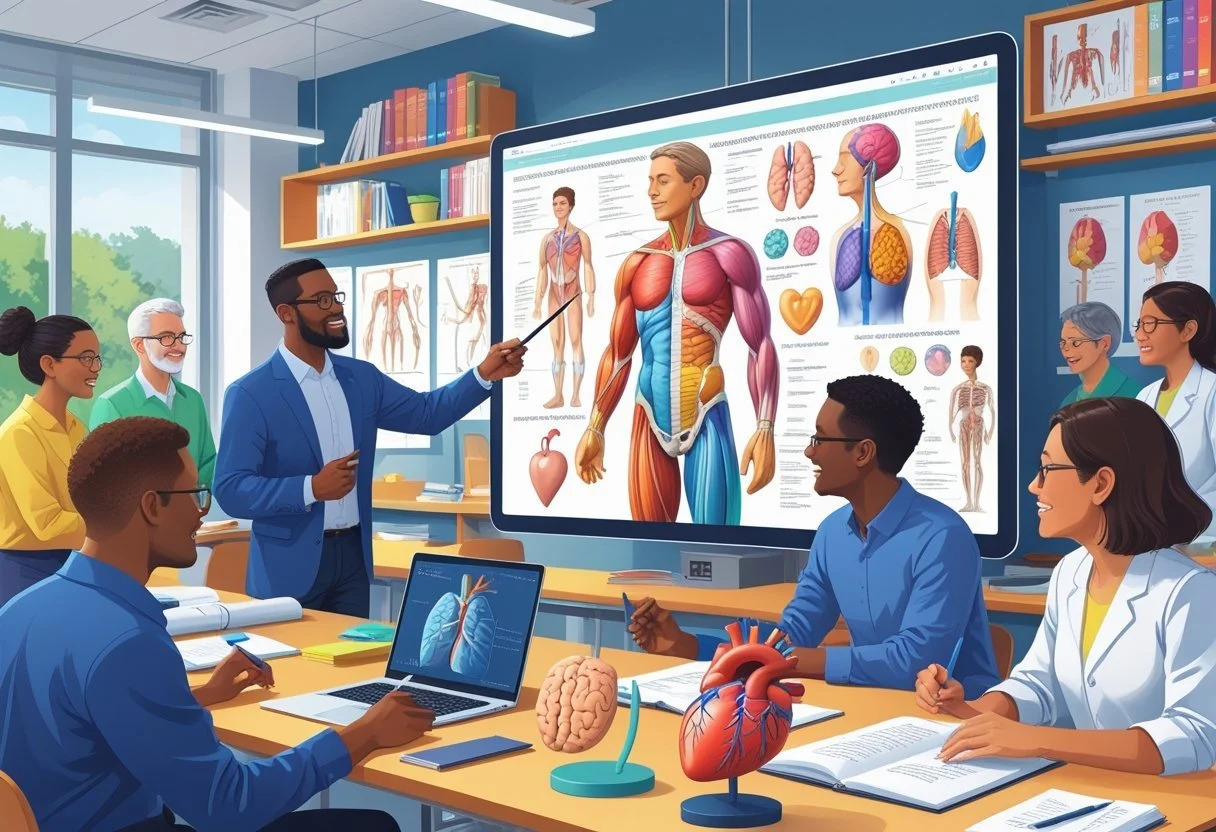
Students often engage more deeply when lessons use a mix of visuals, hands-on activities, and real-world examples. Teachers who encourage questions and problem-solving can nurture curiosity and critical thinking. Adapting teaching to student needs also supports success for different learning styles.
Key Takeaways
Interactive methods help students stay engaged in anatomy and physiology.
Personalized teaching and active learning build strong foundations and skills.
Real-world examples and hands-on tasks promote lifelong learning in students.
Foundations of Anatomy and Physiology Education
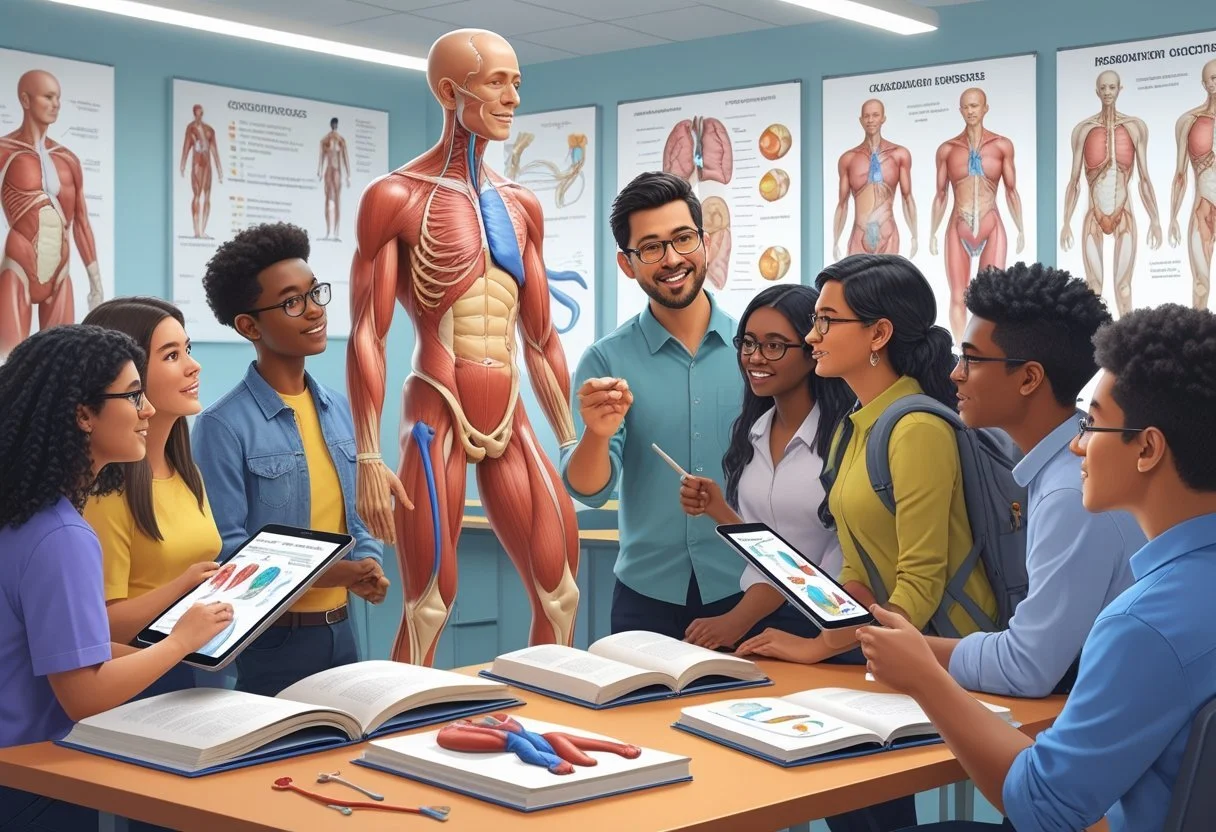
A strong foundation in anatomy and physiology gives students tools to understand the human body. It also prepares them to meet future needs in science and health fields.
Defining Anatomy, Physiology, and Lifelong Learning
Anatomy is the study of body structure, including bones, organs, and tissues. Physiology looks at how those parts function alone and together.
Lifelong learning means always being open to new ideas and skills, not just in school but throughout life. In anatomy and physiology, lifelong learners keep up with research, new health information, and medical advances.
This approach helps students stay curious and informed. They can respond to new health guidelines and scientific discoveries as they happen.
The Role of Science and Health in Modern Education
Science and health education help students understand topics like disease, body systems, and wellness. This knowledge supports strong communities and helps people make smart health choices.
Anatomy and physiology classes focus on how the body works in daily life. Teachers use lab work, hands-on activities, and case studies to make information clear.
Learning these subjects builds skills such as critical thinking, observation, and problem-solving. Students apply what they learn to real health situations.
Curriculum Design and Learning Objectives
A well-designed curriculum guides students step by step, starting from basic body structures to complex systems. Teachers set clear, specific learning objectives, such as:
Name and explain the major body systems
Identify organ functions
Describe how organs and systems connect
These goals shape lessons, activities, and assessments. A curriculum may use diagrams, models, and digital tools to help students see and understand concepts.
Good curriculum development considers student needs and aligns with science standards. Teachers review and update content to include recent discoveries and match current health and education best practices.
Engaging Teaching Methods for Student Success
Students learn anatomy and physiology best when lessons are hands-on, interactive, and connected to real-life problems. Using engaging teaching methods helps students build problem-solving skills, see the value of what they learn, and stay motivated in class.
Active Learning Strategies
Active learning uses methods that get students involved in the lesson. Teachers may use small group discussions, case studies, role-playing, or problem-based tasks. For example, students can work together to build 3D models of body systems or solve patient-case puzzles.
Using active learning strategies often leads to better understanding because students must explain ideas, ask questions, and defend their answers. It also encourages teamwork and communication skills. Teachers might organize short quizzes, drawing activities, or concept mapping exercises to check understanding during class.
Active learning makes students responsible for their learning. It gives them chances to think deeply and apply knowledge to new situations.
Flipped Classroom Approach
In a flipped classroom, students study basic information at home, such as watching videos or reading textbook chapters. Class time is then used for hands-on activities, discussions, and answering complex questions.
This approach lets students learn at their own pace outside class and come prepared for higher-level tasks. Teachers can focus class sessions on clarifying difficult ideas, working through clinical cases, or solving real-world problems as a group.
The flipped model also supports more student engagement. Students can ask questions about problems they struggled with, and teachers can give more individual feedback and support.
Gamification and Interactive Activities
Gamification uses elements from games, like points, badges, or leaderboards, in the classroom. This can make learning anatomy and physiology more fun and motivating for students.
Teachers might use online quizzes, simulations, or competitive games to review key concepts and terms. Interactive activities, such as virtual dissections or anatomy bingo, help students remember details in a playful way.
Table: Sample Gamified Activities
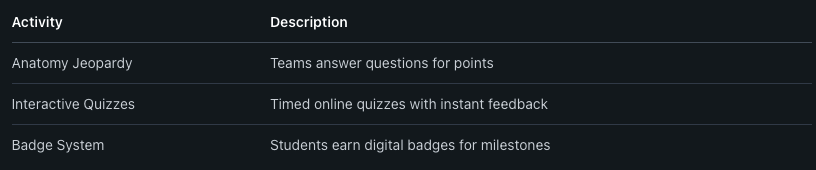
Gamification encourages healthy competition and regular practice. It also helps track progress, making it easier for both students and teachers to spot learning gaps.
Real-Life Examples and Clinical Applications
Connecting lessons to real-life examples and the clinical setting makes the material meaningful. Teachers can use case studies, stories from real healthcare workers, or recent medical news.
Clinical scenarios let students practice problem-solving and decision-making like future professionals. They might diagnose a mock patient’s symptoms or design a treatment plan using their anatomy and physiology knowledge.
Applying new knowledge to life-like situations shows why learning anatomy and physiology is important for careers in health or science. These methods help students remember information longer and see its value outside the classroom.
Personalizing the Learning Experience
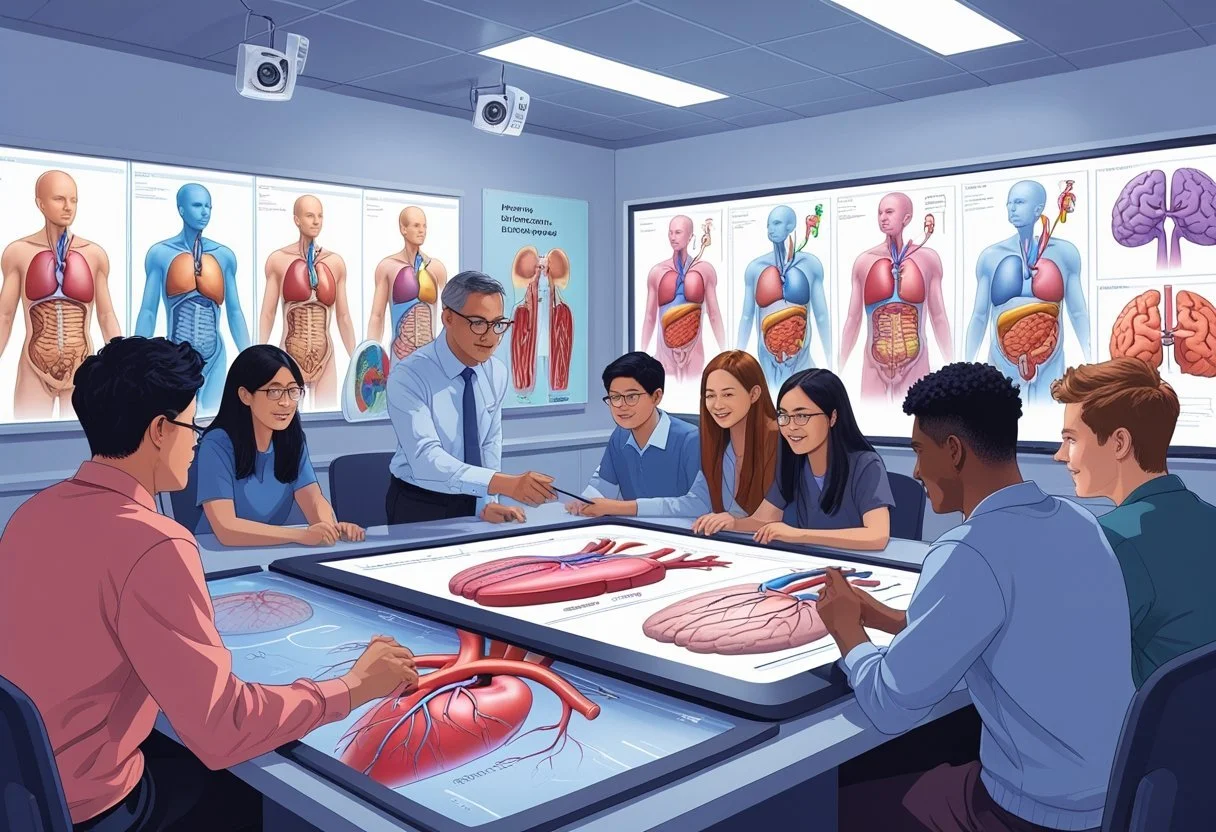
Every student has different needs when studying anatomy and physiology. Using a range of strategies helps more students succeed and stay interested.
Adapting to Diverse Learners and Learning Styles
Learners enter the classroom with varying backgrounds, strengths, and preferences. Some students prefer to see diagrams and images, while others learn best by listening or hands-on activities. It is important to offer multiple modes of instruction to support these differences.
Visual learners can benefit from clear charts, anatomical drawings, or videos. Auditory learners often engage more with lectures or group discussions. Kinesthetic learners may grasp new ideas from building models or interactive labs. Teachers can use surveys or observations to find out how their students learn best and adjust lessons to make the content more accessible.
Key strategies:
Use images, videos, and real specimens
Encourage note-taking or listening to recorded lessons
Add physical activities, such as model building, where possible
Experiential Learning and Small Group Activities
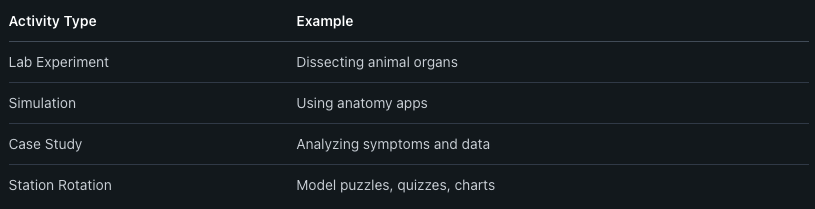
Experiential learning gives students direct, hands-on experience. In anatomy and physiology, this could involve labs, simulations, or case studies. These activities make concepts clearer and build essential problem-solving skills.
Small group work lets students discuss ideas and learn from each other. For example, students can work in groups to solve patient case studies or label anatomical structures on life-size posters. Moving through learning stations with different challenges helps students stay focused and allows the teacher to offer help where it’s needed most.
Common activities:
Peer Teaching and Mentorship
Peer teaching allows students to explain concepts to each other, which can reinforce learning for both the teacher and the learner. When students prepare to teach, they organize their own knowledge and look for gaps in understanding.
Mentorship programs can pair more advanced students with beginners. This structure helps new learners ask questions in a less formal setting and builds confidence for both sides. Peer feedback is often easier to accept, leading to improvement.
Ways to use peer teaching and mentorship include:
Peer-led review groups
Assigning group leaders in labs
Setting up a “buddy” system for new students
Incorporating Technology and Advanced AI
Technology offers powerful tools for teaching anatomy and physiology. Interactive apps show 3D models of organs and systems. Virtual and augmented reality programs let students “walk through” the human body, making learning more memorable.
Advanced AI can personalize quizzes and adapt practice questions to fit each student’s progress. Some platforms identify where a student needs extra help and suggest targeted exercises. Teachers can track performance data to see how students are improving and where they struggle most.
Popular technological tools:
3D anatomy apps (e.g., Complete Anatomy)
Online simulations and virtual labs
AI-powered adaptive learning software
Virtual reality headsets for immersive study
Enhancing Critical Thinking and Analytical Skills
Teachers can use real medical scenarios, encourage students to analyze body systems, and assign small research projects. These activities build critical thinking, problem solving, and reflection skills while helping students learn more about the human body.
Promoting Problem Solving and Reflection
Problem solving in anatomy and physiology often starts with realistic case studies. When students look at real patient symptoms, they have to think about what part of the body is affected and why.
Teachers can make students work in groups to discuss solutions. They might use reflection journals so students can write about what they learned and how they solved problems. This helps students pause and think about their mistakes and successes.
Simple activities include:
Diagnosing fictional patients
Role-playing as doctors
Using diagrams to map out causes and effects
These activities make it easier for students to practice thinking for themselves and learning from their own ideas.
Fostering Analytical Skills Through Human Body Systems
Learning about human body systems gives students chances to build analytical skills. Students must compare systems, explain how organs work together, and interpret what happens when one part does not work.
For example, teachers can use tables or charts to help students record functions and connections between systems. Analyzing how oxygen moves from the lungs to all parts of the body helps students understand the flow and impact every step has.
Key tasks for this section:
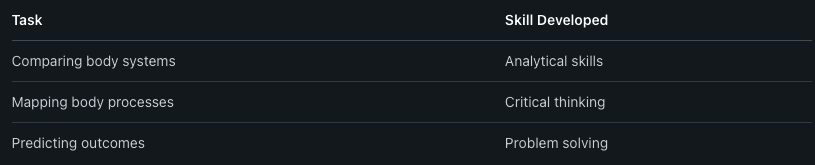
Such activities guide students to break down big ideas into smaller parts and understand processes step by step.
Encouraging Research and Discovery
Research and discovery let students find new information and look wider than the classroom. Assigning short research projects on diseases or new medical tools teaches students how to ask questions and search for facts.
Teachers may send students to use books, websites, or videos for their research. Students present their findings using posters or short talks, encouraging sharing and discussion.
This process helps students feel confident searching for answers and teaches them to check sources for reliability. It also shows the value of curiosity and ongoing learning in the field of health and science.
Optimizing the Learning Environment
A positive learning environment helps students succeed in Anatomy and Physiology. It supports well-being, encourages strong study habits, and promotes communication between teachers and students.
Building Resilience and Well-Being in Students
Resilient students cope better with the demands of Anatomy and Physiology. Teachers can increase resilience by fostering a growth mindset and showing that mistakes are a natural part of learning. Clear routines in the classroom reduce stress and help students feel secure.
Teachers should pay attention to students’ mental health. Short mindfulness exercises or breathing breaks during lessons can support well-being. Regular check-ins let teachers notice signs of burnout or anxiety early.
Encouraging students to take care of their physical health—such as regular sleep and healthy snacks—also supports mental resilience. Sharing campus well-being resources can connect students to help if they need it.
Effective Time Management and Study Tools
Students often feel overwhelmed by heavy content loads. Clear time management strategies help break large tasks into smaller, manageable pieces. Teachers can model weekly schedules and include time for review and rest.
Using study tools boosts understanding and retention. Flashcards, labeled diagrams, and simple quizzes help reinforce concepts. Digital organizers and planner apps track assignments and deadlines.
A sample weekly plan may look like:

Scheduling regular, short review sessions is more effective than last-minute cramming.
Feedback Mechanisms and Student Collaboration
Ongoing feedback lets students see where they are doing well or need improvement. Teachers should give fast, specific responses to assignments and quizzes. Simple checklists and rubrics help students understand expectations.
Peer collaboration increases learning. Small group study sessions or discussion boards let students explain concepts to each other, which builds confidence. Teachers can encourage collaborative note-taking using shared documents.
Student feedback is equally important. Surveys or suggestion boxes allow students to express concerns. Teachers may adjust their methods based on this feedback, making the classroom more responsive to everyone’s needs.
Practical Applications and Experiential Learning
Learning human anatomy and physiology is more effective when students use real-world scenarios and active experiences. Applying knowledge in practical settings helps understanding and retention, especially in areas linked to healthcare and medicine.
Hands-On Anatomy Laboratory Instruction
An anatomy laboratory offers direct experiences that support classroom learning. In labs, students can examine real or model bones, organs, and tissues. This hands-on approach helps them see the structure, location, and function of body parts more clearly.
Lab activities might include dissections, microscope analysis, or building models. These tasks encourage students to ask questions and think critically. Using tools like 3D digital models or virtual dissection tables makes the subject more accessible and engaging.
Safety and proper technique are key in any lab. Teachers should review lab safety rules, provide gloves, and make sure all students use instruments correctly. This careful approach allows learners to explore human anatomy in a meaningful, memorable way.
Embedding Exercise, Movement, and Walking into Learning
Adding physical activity such as exercise, movement, and walking into lessons helps students understand the body in motion. Guided walks to count steps or measure pulse and breathing can show how anatomy works in daily life.
Simple exercises, such as stretching or yoga poses, let students feel the muscles and joints they study. Comparing heart rates before and after movement shows how body systems interact.
Teachers can ask students to keep a journal that tracks changes in muscle use, breathing, or fatigue. This approach links theory with physical experience, making lessons more relevant and memorable.
Connecting Anatomy to Healthcare and Medicine
Relating anatomy to real healthcare or medicine gives students context for what they learn. Using case studies about injuries, diseases, or medical treatments connects classroom concepts to patient care.
Guest speakers like nurses or physical therapists can explain how they use knowledge of anatomy daily. Students may also review medical images (such as X-rays or MRI scans) and identify parts of the body.
Discussing topics like preventing injuries, managing illness, or rehabilitating movement helps students see the importance of anatomy in everyday life and future careers. A focus on real-world relevance keeps learners motivated.
Advancing Professional Development and Scholarly Teaching
Anatomy and physiology instructors need up-to-date training, reliable mentorship, and proven strategies to teach effectively. They benefit from structured programs and feedback as STEM and medical education keep changing.
Instructor Training Programs and Professional Growth
Effective instructor training programs give teachers new tools and methods to improve student learning. These programs include workshops, online modules, and hands-on sessions. They keep instructors informed about the latest research and technology in anatomy and physiology.
Many institutions require continuing professional development (CPD) for faculty. This promotes lifelong learning and helps teachers keep their knowledge and skills current. Certification options and focused seminars can further deepen expertise.
Key components of strong training programs:
Evidence-based teaching methods
Use of simulation and models
Peer review and self-assessment
Regular updates about curriculum changes
Teachers gain confidence and adaptability through repeated practice and support.
Mentoring and Reflective Practice
Mentoring connects less-experienced instructors with more experienced colleagues. A mentor listens, observes, and gives feedback about classroom practice or curriculum planning.
Mentors help others set goals, solve problems, and adjust teaching styles. Regular meetings and honest conversations create a safe place for professional growth.
Reflective practice involves teachers looking back on lessons and thinking about what worked and what can be improved. Simple tools like teaching journals or end-of-class surveys help gather insights. Instructors who reflect and discuss their results make steady progress and gain clearer understanding of effective teaching.
Evolving STEM and Medical Education Paradigms
STEM and medical education change as new research, technology, and society’s needs develop. Anatomy and physiology instructors adapt to these changes by updating course design and teaching approaches.
Active learning and team-based projects are now common in classrooms. Teachers also use digital simulations, models, and interactive resources to offer real-world experience. In medical education, there is a shift from lecture-heavy topics to case-based and problem-based learning.
Educational standards like competency-based education and outcome-based assessments are becoming popular. These help ensure students gain practical skills. Instructors must follow trends and best practices so their teaching is effective and relevant.
Designing Future-Ready Educational Programs
Educational programs for anatomy and physiology must adapt to current and future needs. Effective design addresses core scientific knowledge, real-world applications, and new challenges like environmental change.
Curriculum Design and Program Implementation
Strong curriculum design starts with clear learning objectives. These should match both academic standards and the demands of healthcare fields. Teachers can use backward design, starting with end goals and then planning lessons that build towards those goals.
Active learning is vital. It includes group projects, case studies, and hands-on labs. These methods help students apply what they know.
Technology brings new options. Interactive tools and simulations allow students to practice clinical and scientific skills. Well-structured programs also plan how to assess learning. Tests, practical exams, and projects give teachers feedback on student progress.
To help students prepare for various careers, programs may add skills like teamwork and communication to their courses. Partnering with local clinics or science labs can give students valuable real-world experience.
Integrating Problem-Solving and Uncertainty in Learning
Teaching should go beyond memorization. Encouraging students to solve problems builds critical thinking. Presenting real medical cases encourages students to analyze, discuss, and find solutions based on what they learn.
Uncertainty is common in healthcare. Students can learn to handle it through scenario-based exercises or decision simulations. These show that sometimes, there is no single right answer.
For example, teachers might ask students to diagnose a patient with unclear symptoms. This requires students to consider options, weigh evidence, and explain their reasoning. Making mistakes in a safe setting also helps students build confidence.
Working through uncertain problems prepares students for real-world practice. They learn how to ask the right questions and stay effective when they don’t have all the answers.
Addressing Climate Change and Emerging Topics
Modern anatomy and physiology programs include topics like climate change and new diseases. Students need to know how environmental issues affect human health. This includes learning about air pollution, extreme heat, and patterns of disease caused by shifting climates.
Programs may use up-to-date case studies and scientific data to show these effects. Teachers can add activities that track how extreme weather or pollution changes rates of illnesses.
Further, educational programs should address new topics such as pandemics or antibiotic resistance. This helps students see how global events impact healthcare. By linking these topics to the study of the human body, students understand science in the context of real-world problems.
Key Focus Areas:
Linking climate science and health
Using current events as learning materials
Promoting ongoing updates to the curriculum to cover new challenges
Frequently Asked Questions
Teachers often look for ways to make anatomy and physiology classes more interactive and interesting. Using hands-on activities, practical technology, and clear teaching methods helps students learn and remember key concepts.
What are effective strategies for engaging high school students in learning anatomy and physiology?
Teachers can use real-life examples, such as case studies, to show why the material matters. Group discussions where students share ideas can also help everyone participate. Breaking large topics into smaller parts and using images or models can reduce confusion.
What types of first day activities can help pique students' interest in anatomy and physiology?
Simple games, like anatomy bingo or fun quizzes, can introduce important terms in a relaxed way. Teachers might let students examine models or simple specimens to build excitement. Sharing interesting facts or stories about the human body can also grab students’ attention.
How can teachers incorporate fun and interactive lab activities into their anatomy and physiology curriculum?
Teachers can set up labs where students build body systems using clay or craft items. Digital simulations let students explore body functions safely. Dissection of approved specimens or virtual dissection programs can provide hands-on experience without health risks.
What approaches can be taken to make complex anatomy topics more accessible and interesting to students?
Using short videos or animations can help explain detailed processes. Breaking information into short lessons with plenty of visuals lowers confusion. Teachers can offer review games or simple worksheets to reinforce key points before moving on.
What innovative projects can students undertake to deepen their understanding of anatomy and physiology?
Students might create detailed models of organs using household items. They can design posters or infographics to explain a disease or body function. Creating short presentations or videos about a health topic also helps students teach one another.
In what ways can technology be utilized to enhance the teaching and learning experience in anatomy and physiology classes?
Interactive apps and 3D modeling software let students explore body systems closely. Online quizzes and flashcards give instant feedback. Teachers can use digital whiteboards to display diagrams or run virtual labs, making hard topics easier to see and understand.


Are you ready to embark on an enriching journey into the world of Anatomy and Physiology? Our all-in-one bundle is designed to provide you with a complete and engaging learning experience. Whether you're a student, educator, or lifelong learner, this bundle is your gateway to unlocking the mysteries of the human body.
What's Included:
Assignments: Embark on 10 stimulating assignments covering diverse topics, encouraging critical thinking and practical application of knowledge.
Bingo: Make learning fun and interactive with our Anatomy and Physiology Bingo game. Test your knowledge while having a blast.
Crossword: Challenge your mind with crossword puzzles that reinforce key anatomical and physiological terms and concepts.
Cryptogram: Decode cryptograms to uncover hidden insights about the human body.
Debate: Engage in lively debates about various aspects of Anatomy and Physiology, fostering critical thinking and discussion.
Experiments: Explore hands-on experiments illustrating fundamental principles across various disciplines, fostering deeper understanding and engagement.
Fill in the Blank: Test your recall and understanding with fill-in-the-blank exercises that cover essential topics.
Flashcards: Master essential terms, diagrams, and functions with our comprehensive flashcard sets. An effective tool for quick revision.
Free ABC Order: Organize anatomical terms alphabetically, making it easier to reference and study.
Free Flashcards: Expand your flashcard collection with these additional resources, further enhancing your knowledge.
Free Poster: Decorate your study space with an informative poster showcasing the intricacies of the human body, including the Skeletal System, Circulatory System, Muscle System, and Nervous System.
Lesson Plan: Dive deep with our detailed lesson plan, complete with engaging activities and discussion topics.
Matching: Develop connections between terms and their meanings through engaging matching exercises.
Missing Letters: Enhance your vocabulary while solving puzzles and filling in the missing letters of anatomical terms.
Multiple Choice: Test your knowledge with multiple-choice questions and broaden your understanding of anatomy and physiology.
PowerPoint: Access an informative PowerPoint presentation that visually guides you through the complexities of the subject.
Questions and Answers: Explore comprehensive question-and-answer sets covering key topics in Anatomy and Physiology.
Reading Comprehension: Sharpen reading skills with engaging passages, perfect for students and educators alike.
Scramble: Unscramble jumbled terms to reinforce your understanding of anatomical and physiological terminology.
Test (45 minutes): Challenge yourself with a 45-minute comprehensive test that assesses your knowledge and understanding.
True or False: Sharpen your critical thinking skills by evaluating statements related to Anatomy and Physiology.
Word Search: Search for anatomical terms hidden within word grids, enhancing your recognition of key vocabulary.
Writing Prompts: Encourage creative and critical thinking with a series of writing prompts that delve into various aspects of Anatomy and Physiology.
With this extensive bundle, you'll have the tools you need to excel in your studies, enhance your teaching resources, or simply satisfy your curiosity about the human body. Dive into the world of Anatomy and Physiology and embark on an enriching learning adventure today!
145 pages
Order your copy today and start learning!