
Teaching Bacteria in the Mining Industry: Harnessing Microbial Innovations for Sustainable Extraction
Bacteria are changing the way the mining industry works by helping recover valuable metals in cleaner and more efficient ways. These tiny organisms can break down rocks and ores, making it easier to get metals out without using harsh chemicals. Microbes are bringing new possibilities to an industry that is often seen as tough on the environment.
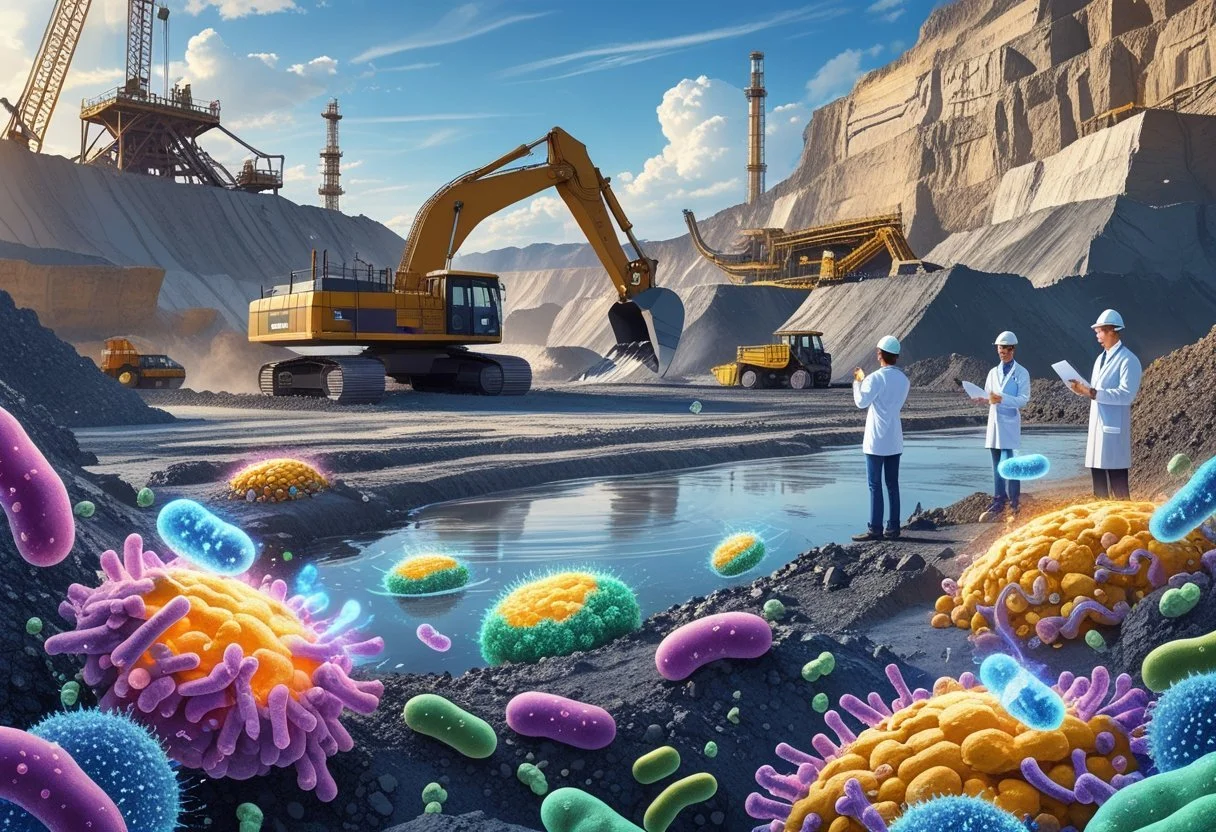
Scientists and mining companies are partnering to improve these methods, finding new types of bacteria and new ways to use them. This is leading to safer and more sustainable mining practices. Many people may not realize just how much these microbes can do, but their impact is already being felt across the globe.
Key Takeaways
Microbes help mining companies extract metals with less harm to the environment.
New bacterial methods are making mining more efficient and sustainable.
Scientists are finding ways to solve industry challenges using microbes.
The Role of Microbes in Mining
Microbes play a key part in mining by breaking down minerals and helping recover valuable metals. These microscopic life forms power processes like biomining and biomineralization, which can be more sustainable than traditional mining.
Microbial Communities and Biodiversity
Microbial communities in mining environments are diverse and often include bacteria, archaea, and fungi. These organisms are adapted to harsh conditions such as high acidity, heavy metals, and low nutrients.
The high genetic diversity among mining microbes allows them to survive stressful conditions. They form complex networks and often work together to speed up mineral breakdown.
Environmental microbiology studies have found specific bacteria, like Acidithiobacillus ferrooxidans and Leptospirillum ferrooxidans, that are common in mine sites. These microbes are especially important for breaking down sulfide ores.

This biodiversity makes microbial communities flexible and able to adapt to changes at mine sites.
Metabolic Processes of Mining Bacteria
Mining bacteria often use unique metabolic processes to get energy. They can oxidize metals like iron or sulfur, which helps dissolve minerals and release metals into solution.
Some bacteria get energy through chemosynthesis, not sunlight. They use chemicals in ores, like sulfide, as an energy source. These processes are crucial for biomineralization and help them grow in extreme environments.
For example, bacteria like Acidithiobacillus can turn insoluble metal sulfides into soluble forms. This makes it possible to extract copper, gold, and other metals from low-grade ores. The metabolic activity of these microbes can also limit the buildup of harmful waste at mining sites.
Microbial Biomining Techniques
Biomining is a process that uses microbes to extract metals from ores. This technique is used in both large-scale and small-scale mining operations.
There are several common biomining methods:
Bioleaching: Microbes release metals from ores by turning them into a liquid form.
Biooxidation: Microbes break down minerals to make it easier to extract metals later.
Biomineralization: Microbes form new minerals by changing the chemical makeup of their environment.
Bioleaching is widely used to recover copper and gold from low-grade ores. It often takes place in large heaps or tanks where microbes break down metal ores over weeks or months.
These techniques are seen as more environmentally friendly, as they use fewer chemicals and less energy than traditional mining. They also make it possible to mine ores that were once thought to be too poor in metal to use.
Advances in Biotechnology for Mining Applications
Modern biotechnology is changing how mining companies recover valuable metals. Microbial approaches, specialized tools, and teamwork are making it possible to work in once impossible conditions.
Biotechnological Tools and Methods
Biotechnology uses living organisms to process minerals and extract metals. Some of the most common biotechnological tools in mining include:
Bioleaching: Bacteria are used to convert metal sulfides into soluble metal ions.
Biodesulfurization: Microbes remove sulfur from coal and ores, reducing pollution.
Bioremediation: Bacteria clean up toxic substances left in mining waste.
Scientists use model organisms like Acidithiobacillus ferrooxidans to study how bacteria interact with metals. Genetic engineering lets researchers improve bacteria so they can work more efficiently and handle more harmful materials. Automation and sensors help monitor and control microbial activity during mining operations.
Harnessing Extremophiles for Extreme Environments
Extremophiles are microbes that live in harsh environments, such as acidic hot springs or deep underground mines. They survive where most other life cannot.
Mining companies use these extremophiles to extract metals in places that have high temperatures, low pH, or toxic chemicals. For example, some thermophilic bacteria can break down ores at temperatures up to 80°C. Acid-loving bacteria help dissolve minerals even in strong acids.
The use of extremophiles means mining can happen in places that were too difficult or unsafe for traditional methods. They also aid in reducing the use of harmful chemicals.
Biotechnological Collaboration and Innovation
Mining biotechnology relies on teamwork between biologists, engineers, and industry experts. Research partnerships between universities and mining firms help turn lab discoveries into practical solutions.
Companies often join with government agencies and research groups to solve complex problems, such as designing bacteria that can withstand high metal concentrations. Shared data and open-source software are speeding up research and making innovation more affordable.
A few examples of recent breakthroughs include:
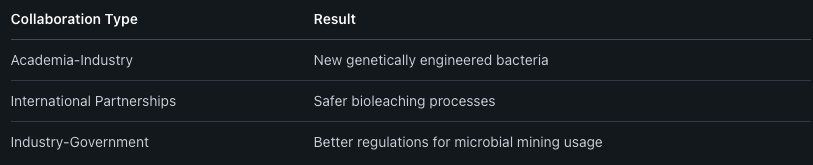
These partnerships encourage faster progress and help make mining more sustainable.
Key Bacterial Species Transforming Mining
Several types of bacteria are changing how mining companies extract metals and treat waste. These microbes help break down minerals, recover valuable elements, and reduce environmental impacts.
Role of Bacillus sp and Pseudomonas sp
Bacillus sp and Pseudomonas sp are two main bacteria used in mining. Bacillus species are known for their ability to break down minerals and free metals like copper and gold. They also help treat waste by removing harmful substances, making water from mines safer for the environment.
Pseudomonas sp can dissolve heavy metals, such as lead and zinc, from ores. Mining sites use them to clean water by removing toxic metals. Pseudomonas also produces substances that stick to metals, making metal recovery more efficient.
Both bacteria are strong in tough environments and can survive in acidic or toxic conditions. This makes them valuable for different mining processes.
Significance of Cyanobacteria and Chlorobium
Cyanobacteria are important for their role in biomining and reducing mining pollution. They take in carbon dioxide and use sunlight to make energy, a process called photosynthesis. During this, they can capture heavy metals from water and store them in their cells.
Cyanobacteria also help create bioreactors that treat mining wastewater, making it less harmful. They can build biofilms that trap toxic metals, keeping them from entering rivers or lakes.
Chlorobium is a green sulfur bacterium found near mines. It can break down sulfur-containing minerals. This activity helps recover metals and removes dangerous sulfur compounds from mine waste.
Marine Microorganisms and Their Potential
Marine microorganisms, especially those found in the Gulf of Mexico, are gaining attention in mining. These microbes include Serratia sp and several unknown species. They thrive in salty and deep-sea environments where traditional bacteria might not survive.
Some marine bacteria break down ores rich in metals like nickel and cobalt. They use special enzymes to extract these metals more efficiently in low-oxygen conditions.
Marine microorganisms are also studied for their ability to treat waste from seabed mining. Their resilience makes them suitable for new types of mining in harsh offshore areas. Research continues to explore their full potential in metal recovery and environmental cleanup.
Microbial Processes and Industrial Applications
Bacteria play a major role in the mining industry through specific processes that impact metal extraction, environmental control, and resource management. Their ability to form communities, communicate, and be genetically identified links to key practices in mining.
Bacterial Biofilms in Mining Operations
Bacterial biofilms are organized layers of bacterial cells attached to surfaces, like rocks or equipment. These biofilms help break down minerals and release valuable metals in a process called bioleaching.
One important feature of biofilms is their resilience. The extracellular matrix that holds these bacteria together protects them from harsh conditions, such as acidic environments found in mines.
In bioleaching tanks, biofilms improve metal recovery rates. They can also influence corrosion and clogging, which can be both beneficial and problematic for mining. Managing biofilm development can make extraction more efficient and reduce equipment damage.

Quorum Sensing and Signal Transduction
Quorum sensing allows bacteria to “talk” to each other using small molecules, coordinating their actions as a group. When bacteria reach a certain number, they can turn on genes related to mineral breakdown or biofilm formation.
This process is important because it lets bacteria adjust their behavior based on their population size. In mining, quorum sensing influences how efficiently bacteria extract metals.
Signal transduction is the pathway through which bacteria sense environmental changes and send internal signals to adjust their functions. Mining operations can sometimes add or block these signals to boost or decrease certain microbial activities, making the process more controlled.
Example: Blocking a certain signal can slow down unwanted biofilm clogging in pipes.
Submerged Fermentation Strategies
Submerged fermentation is a method where bacteria grow in a liquid medium, often in closed tanks called bioreactors. In mining, this approach is used to grow large amounts of bacteria that help with bioleaching or cleaning up pollutants.
This process has several key advantages. It allows technicians to control temperature, pH, and oxygen to keep bacteria healthy and working at their best.
By using monitoring sensors and automated systems, companies can adjust the growth environment, making the microbial process more predictable and scalable. Submerged fermentation is commonly used to produce bacterial “starters” for mining sites or treat mining wastewater.
Strain Isolation and Genotyping
Strain isolation is the process of separating a single type of bacterium from a mixed population. This lets researchers find and use specific bacteria that perform best for mineral extraction, pollutant breakdown, or equipment protection.
Genotyping means looking at the DNA of these bacterial strains. It helps scientists see which strains have special genes for forming biofilms or breaking down metals.
With these tools, mining operations can select exact strains that are most effective. This targeted approach saves money, reduces waste, and helps meet environmental standards. By continually testing and cataloging strains, companies keep improving their microbial processes.
Microbial Products and Value Addition
Bacteria in mining do more than extract metals. They help create valuable products, making the industry more sustainable and efficient.
Production of Bioactive Compounds
Bacteria used in mining can produce important chemicals called bioactive compounds and secondary metabolites. These compounds include antibiotics, enzymes, and surfactants, which can improve metal recovery and control unwanted microbes.
Some bacterial strains create microbial natural products that serve as biocides or assist in mineral separation. These products reduce the need for harsh chemicals, making processes safer. For example:
Antibiotics control harmful bacteria.
Biosurfactants help metals detach from ore.
Their production benefits mining by increasing yield and lowering environmental risks.
Biofuels and Bioethanol Production
Many bacteria can break down lignocellulosic biomass from plants. They use special enzymes to turn cellulose and hemicellulose into simple sugars. These sugars are then fermented into bioethanol or other biofuels.
Mining sites often produce plant waste that can serve as a feedstock. Using bacteria reduces waste and provides a renewable energy source. Some important steps include:
Pretreatment: Breaking down biomass.
Enzymatic hydrolysis: Converting fibers into sugars.
Fermentation: Turning sugars into fuel.
This process can make mining operations less dependent on fossil fuels.
Development of Bioplastics and Bio-based Products
Certain bacteria can turn sugars from mining and plant waste into bioplastics and bio-based products. These materials break down naturally, lowering plastic waste.
Key examples include polyhydroxyalkanoates (PHAs), which store energy for bacteria and can be processed into biodegradable plastics. Mining residues provide the carbon sources needed for this process.
Benefits include:
Reduced landfill waste
Less pollution from traditional plastics
Creating value from mining by-products
These innovations show how bacteria help add value while protecting the environment.
Environmental Impact and Sustainability
Using bacteria in mining can lower pollution, tackle plastic waste, and cut harmful gas emissions. Microbes are also helping to create more eco-friendly materials and new ways to clean up mining sites.
Reducing Environmental Footprint
Teaching bacteria to help with mining makes it possible to process metals without harsh chemicals. Traditional mining often uses toxic substances, like cyanide, to extract metals. These chemicals can leak into water and soil, harming local ecosystems.
Bioleaching lets bacteria break down ores and release metals in a safer way. This method uses less energy than high-heat smelting and produces fewer toxic byproducts.
A study showed that Acidithiobacillus ferrooxidans can extract copper without harsh waste. This helps companies lower their carbon emissions and meet strict environmental laws.
Bacteria can even help remove heavy metals from wastewater before it reaches rivers or lakes. By making mining safer, bacteria help protect plants, animals, and people living nearby.
Addressing Plastic Waste with Microbes
Mining equipment, safety gear, and packaging add to the plastic waste problem. Some plastics also build up in tailings and dump sites at mines. Certain bacteria can break down plastics into simpler parts, such as water and carbon dioxide.
Ideonella sakaiensis is a bacterium that can degrade PET plastics found in bottles and mining materials. Enzyme-based treatments using these bacteria are being studied for cleaning up mine waste and recycling old mining gear.
A table below shows bacteria working on plastic waste:

These approaches help lower landfill use and prevent pollution from microplastics at mining sites.
Microbial Solutions for Climate Change
Mining is known for releasing greenhouse gases like carbon dioxide. Some bacteria can help cut these emissions in several ways.
Methanotrophic bacteria consume methane, a powerful greenhouse gas, at old coal mines. Others help create nanomaterials that capture carbon or reduce the need for energy-intensive mining steps.
Bio-mining processes often operate at lower temperatures, which uses less energy and decreases carbon footprint. Researchers have engineered bacteria to absorb carbon dioxide as part of their metabolism, a process called carbon capture.
Key steps where microbes help with climate change in mining:
Consuming methane leaks at sites
Aiding in carbon capture and storage
Producing nanomaterials used for renewable energy
These microbial tools are helping companies move toward more sustainable and climate-friendly mining.
Challenges and Future Directions
Bacteria in the mining industry face complex challenges, such as the spread of antimicrobial resistance and the ongoing need to find new antibiotics. Diverse microbes also offer chances to discover new chemicals and respond to emerging risks in mining settings.
Antimicrobial Resistance and New Antibiotics
Microbes used in mining can sometimes develop antennaimicrobial resistance. This happens when bacteria become less responsive to antibiotics or antifungal agents. Resistant strains can spread in mining sites, making it harder to control unwanted bacteria.
Key Issues:
Development of mutant strains that survive old antibiotics
Exposure to waste and chemicals increases resistant microbes
Risks to both workers and the nearby environment
Scientists are looking for new antibiotics that can work against resistant bacteria. Mining companies may have to follow stricter rules about drug use and sanitation. New solutions must be found to keep people and ecosystems safe from resistant microbes.
Exploring Chemical Diversity
Mining environments hold many types of bacteria. These microbes can make unique molecules that may be used as antibiotics or therapeutic drugs. New antifungal agents and other chemicals could be found as researchers study bacteria from these areas.
Notable Opportunities:
Uncovering new classes of antibiotics
Identifying bacteria with rare chemical pathways
Testing microbial compounds that can be used in medicine
Below is a table showing the types of products possible from mining bacteria:
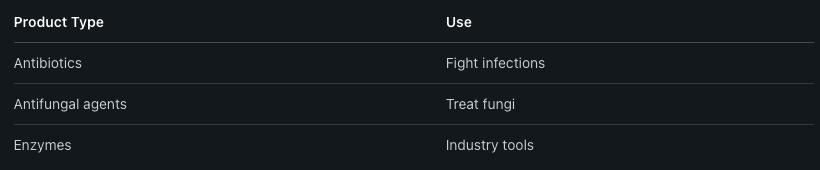
This chemical diversity gives scientists more options for drug discovery. Mining bacteria may help create new medicines in the future.
Emerging Threats and Opportunities
Changes in mining operations can create new threats and chances for bacteria. For example, the use of heavy metals or new mining methods may foster the growth of unwanted or resistant strains. At the same time, alterations in the ecosystem may allow beneficial bacteria to thrive.
Emerging trends:
Spread of resistance between bacteria (horizontal gene transfer)
Shifts in microbial balance due to mining waste
Potential to use engineered strains for safer mining
It is important to monitor these changes closely. Scientists and mining companies need to work together to use bacteria wisely, while also watching for new problems. Frequent testing and careful use of antibiotics can help manage threats and find new opportunities.
Analytical Techniques and Model Systems
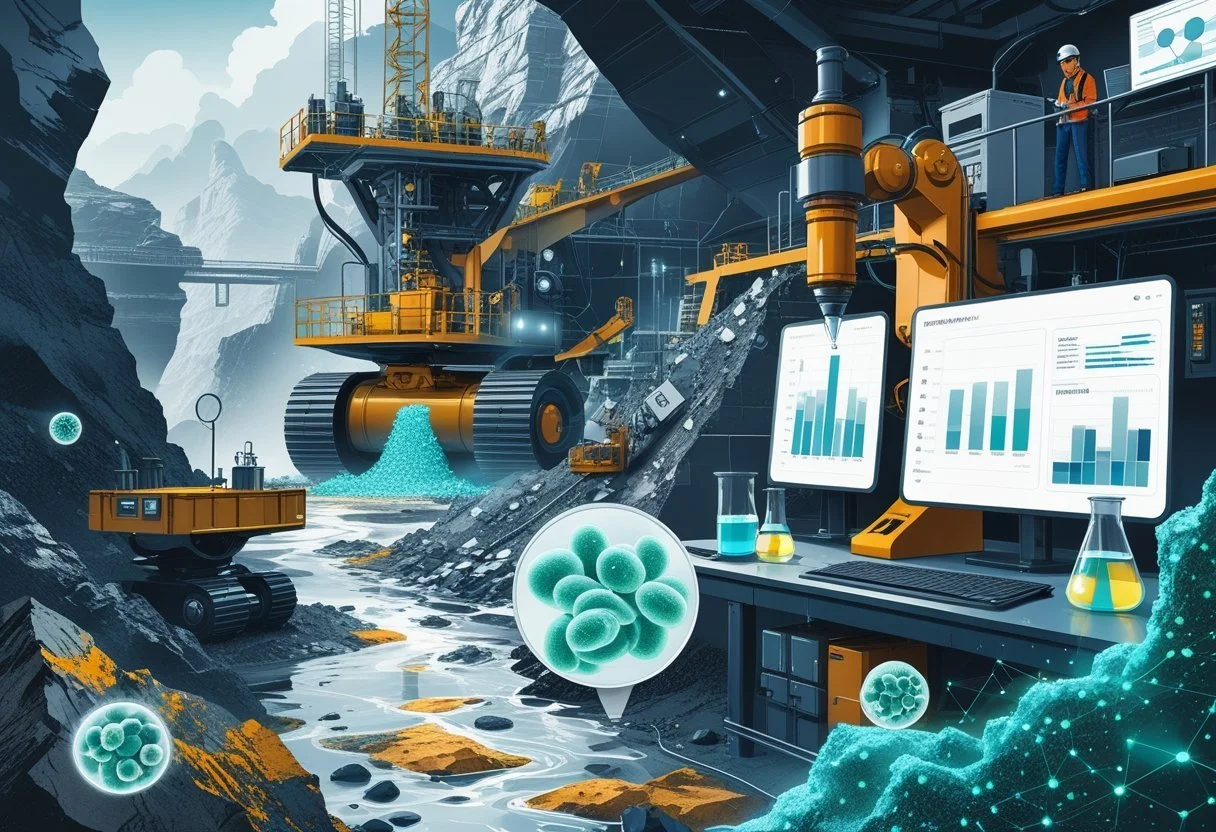
Mining companies use several laboratory tools to study bacteria. These tools help scientists see what bacteria are doing, how their genes work, and how they affect chemicals in mining.
DNA Fragments and Genomic Insights
Researchers break bacterial genomes into smaller DNA fragments to learn how bacteria survive and act in mining environments.
They sequence these fragments to find important genes, like those that help bacteria break down minerals or resist harsh chemicals. Gene deletion studies also use these fragments to remove certain DNA sections and observe what changes. This helps show which genes are critical for survival or chemical processing.
Genomic insights are valuable for understanding biosynthetic gene clusters. These clusters may control how bacteria make special compounds. Such information guides mining engineers to choose the best bacterial strains for metal recovery or pollution control.
Flow Cytometry Applications
Flow cytometry measures and sorts bacteria based on physical and chemical traits. Scientists use this tool to analyze the cell size, structure, and the presence of fluorescent markers in mixed bacterial samples.
This technique quickly counts and separates thousands of bacterial cells in a short time. It can reveal which bacteria are most active during mineral processing. Flow cytometry is also used for quality control to make sure bacteria in bioreactors remain healthy and effective.
Researchers can compare treated and untreated groups in experiments. For example, they can see how gene deletion or stress affects bacterial performance.
Thin Layer Chromatography and High Performance Liquid Chromatography
Thin Layer Chromatography (TLC) and High Performance Liquid Chromatography (HPLC) are used to separate and identify bacterial metabolites.
TLC is a quick and simple method. Scientists apply a bacterial extract to a plate. They use a solvent to move the sample up the plate. Different compounds move different distances, creating a clear pattern.

HPLC is more advanced. It separates, identifies, and measures small amounts of chemicals made by bacteria. Scientists use HPLC to test if gene deletion or changes in biosynthetic gene clusters affect the production of metals or chemicals important in mining.
Biosynthetic Gene Cluster Research
Biosynthetic gene clusters are groups of genes in bacterial genomes responsible for making special molecules.
Researchers use DNA sequencing and gene deletion techniques to identify, remove, or study these clusters. When bacteria produce helpful compounds, such as agents that break down rocks or bind to metals, these clusters are often involved.
Studying biosynthetic gene clusters helps scientists design new bacterial strains for mining. If a certain cluster gives bacteria special properties, researchers may transfer it to other bacteria. This boosts metal recovery, improves pollution treatment, or increases production of useful chemicals.
Frequently Asked Questions
Bacteria play a direct role in breaking down minerals and helping recover metals from ores. Their use has also changed how mining companies look at environmental impacts and efficiency.
What are the benefits of using bacteria in biomining processes?
Bacteria can speed up the breakdown of mineral ores, making it easier to get metals out. They help mining companies lower energy costs and sometimes reduce the need for harsh chemicals.
This method can result in less pollution and waste compared to traditional mining.
How do bacteria contribute to the recovery of precious metals from ore?
Certain bacteria feed on minerals and release acids as byproducts. These acids break down ore and release metals like gold, copper, and uranium.
As the metals get released, they can be collected using simple separation processes.
What types of bacteria are commonly used in the biomining industry?
Acidithiobacillus ferrooxidans and Leptospirillum ferrooxidans are some of the most well-known bacteria in biomining.
These bacteria survive in acidic and metal-rich environments, making them useful for breaking down sulfide ores.
Can bacterial mining methods be considered environmentally friendly?
Using bacteria in mining often reduces the need for toxic chemicals, which can help lower pollution. These methods also tend to use less energy and cause less damage to nearby land and water compared to traditional mining.
However, proper controls are still important to prevent unintended impacts.
What are the safety concerns associated with biomining?
Workers must take care to avoid direct contact with strong acids or bacteria used in the process. Equipment must be checked often to prevent leaks or spills.
Safe handling rules and cleanup plans are needed to protect both people and the environment.
How has the role of microbiology evolved in the mining industry over recent years?
Microbiology has become more important as mining companies look for new ways to extract metals efficiently and safely. Researchers now study bacteria to find better strains and improve metal recovery rates.
Today, microbiologists often work with engineers and geologists to develop new mining methods.


Introducing our comprehensive "Microbial Miners Bundle," designed to illuminate the captivating role of bacteria in the mining industry through a diverse array of engaging activities and resources.
Product Features:
Assignments: Embark on 10 stimulating assignments covering diverse topics, encouraging critical thinking and practical application of knowledge.
Bingo: 30 bingo cards featuring mining industry terms and bacterial concepts for interactive group play.
Crossword: Challenge your knowledge with a crossword puzzle focused on key terminology and microbial processes in mining.
Cryptogram: Decode hidden messages related to bacteria's impact on mining operations with this stimulating cryptogram activity.
Debate: Engage in lively discussions and critical thinking exercises surrounding the ethical and practical considerations of utilizing bacteria in mining.
Experiments: Explore hands-on experiments illustrating fundamental principles across various disciplines, fostering deeper understanding and engagement.
Fill in the Blank: Test your understanding of microbial mining concepts with this fill-in-the-blank worksheet.
Flash Cards: Reinforce key concepts and terms with flashcards designed for quick review and memorization.
Free ABC Order: Practice alphabetizing mining-related terms with this free ABC order worksheet.
Free Cut and Paste: Enhance learning through hands-on activities with a free cut-and-paste worksheet exploring bacterial processes in mining.
Free Poster: Decorate your learning space with a visually appealing poster highlighting the significance of bacteria in the mining industry.
Lesson Plan: Dive deep with our detailed lesson plan, complete with engaging activities and discussion topics.
Matching: Connect mining-related terms with their corresponding definitions in this engaging matching activity.
Missing Letters: Sharpen spelling and vocabulary skills by filling in missing letters to complete mining-related words.
Multiple Choice: Test comprehension with multiple-choice questions covering various aspects of bacterial involvement in mining.
PowerPoint: Access a comprehensive PowerPoint presentation providing an in-depth exploration of bacteria's role in the mining industry.
Questions and Answers: Deepen understanding with a worksheet featuring thought-provoking questions and detailed answers about microbial miners.
Reading Comprehension: Sharpen reading skills with engaging passages, perfect for students and educators alike.
Scramble: Unscramble mining-related words and phrases to reinforce vocabulary and comprehension.
Test (45 minutes): Assess knowledge retention and understanding with a comprehensive 45-minute test covering all aspects of bacteria in the mining industry.
True or False: Determine the accuracy of statements regarding bacteria's impact on mining operations with this true-or-false worksheet.
Word Search: Have fun while reinforcing terminology with a stimulating word search puzzle focused on mining and microbiology.
Writing Prompts: Inspire critical thinking and creativity with writing prompts centered around the utilization of bacteria in mining processes.
Unlock the secrets of microbial miners with our versatile bundle, perfect for educators, students, and anyone intrigued by the intersection of microbiology and mining. Discover the hidden world beneath our feet and embark on a journey of scientific exploration and discovery!
Order your copy today!