
Empowering Wellness: Teaching Leaky Gut and How Healthy Foods Support Digestive Health
Many people are searching for ways to improve how they feel every day. Knowing how leaky gut works and how healthy foods can make a difference is important for anyone wanting better wellness. This guide shows simple ways to understand and teach others about leaky gut and its effects.
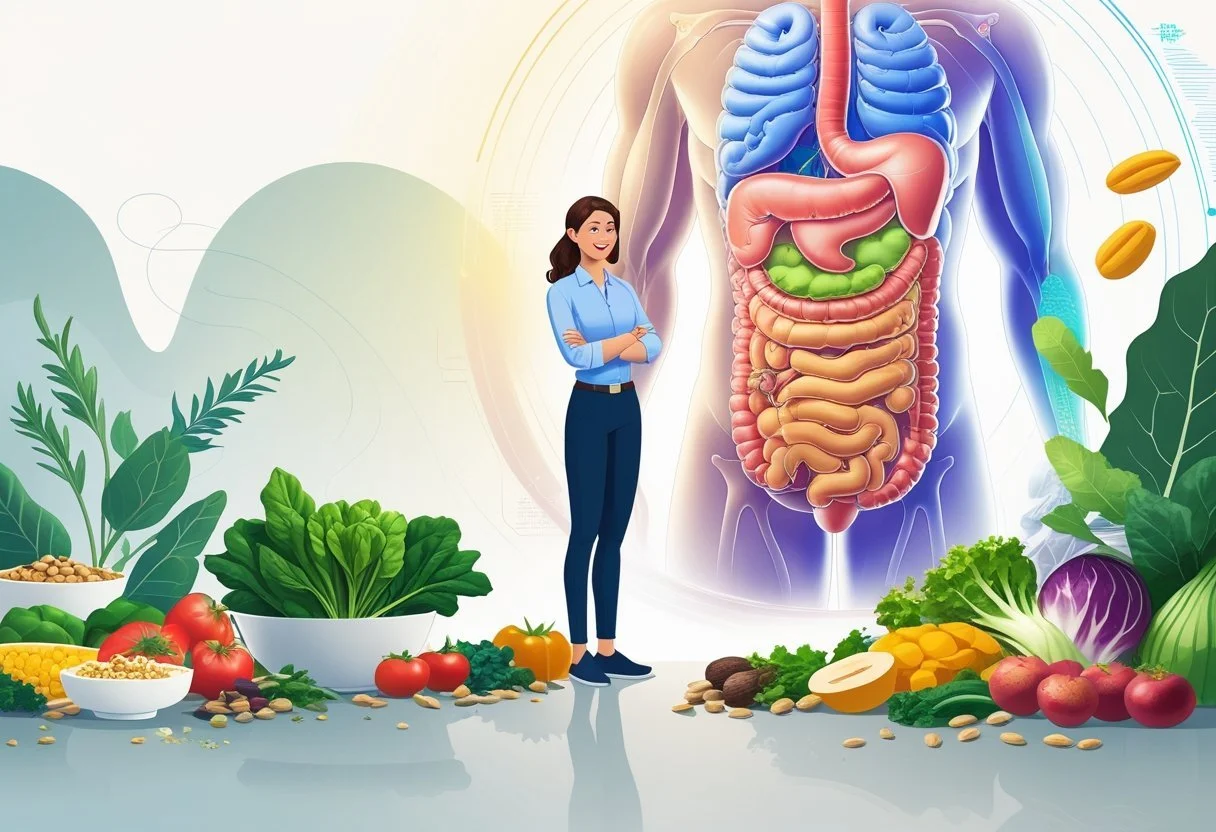
Leaky gut is when the lining of the gut gets weak and lets things pass through that shouldn't. This can affect many parts of a person’s health, including digestion and the immune system. Eating the right foods and knowing what to avoid can help support a stronger, healthier gut.
Key Takeaways
Gut health can influence how the body feels and functions.
Food choices play a key role in keeping the gut lining strong.
Understanding leaky gut helps people make better wellness decisions.
Understanding Leaky Gut and Its Health Implications
Leaky gut happens when the lining of the intestines becomes less effective. This can allow certain substances to pass into the bloodstream, which may impact health in different ways.
Defining Leaky Gut and Intestinal Permeability
Leaky gut is a term used to describe increased intestinal permeability. The small intestine usually works as a barrier to control what passes into the body. In leaky gut, the gaps between cells in the intestinal lining get bigger than normal.
These gaps can let things like bacteria, toxins, and undigested food particles enter the blood. This may cause the immune system to react, as it treats these particles as threats.
Research Note: Doctors can use certain tests to check for higher intestinal permeability, but there is debate about how to best diagnose leaky gut in people.
How Leaky Gut Affects Digestion and Overall Health
Leaky gut can disrupt digestion. The digestive system may not break down food as well, leading to poor absorption of nutrients. Sometimes, proteins and other large molecules end up in the blood where they don't belong.
This may trigger immune responses and lead to markers of inflammation in the body. Over time, some experts believe this ongoing inflammation can raise the risk for certain chronic conditions. Examples include food sensitivities, irritable bowel syndrome (IBS), and possibly autoimmune diseases.
Some researchers are studying links between leaky gut and low mood, fatigue, or joint pain. However, more evidence is still needed.
Key Signs and Symptoms of Leaky Gut
Leaky gut does not have one clear set of symptoms. Many signs can point to increased intestinal permeability. These may include:
Frequent bloating or stomach cramps
Gas, diarrhea, or constipation
Food sensitivities
Skin problems such as rashes or acne
Ongoing tiredness
Some people may notice brain fog or joint pain. Doctors sometimes look for markers of inflammation, like C-reactive protein, to help check for problems in the body. It is important to remember that these symptoms can have other causes an expert should evaluate.
The Gut Microbiome’s Role in Wellness
The gut microbiome is made up of trillions of microorganisms living in the digestive tract. These microbes work together to help with digestion, protect the gut barrier, and produce helpful compounds that support health.
Importance of Microbiota and Microbial Communities
The human gut is home to a wide variety of bacteria, fungi, and other microbes. These living organisms form a community called the microbiota or microflora. Each species has a unique job. For example, some bacteria break down certain types of fiber, while others help stop the growth of harmful germs.
A healthy gut often contains a balance between “good” and “bad” bacteria. When the balance shifts—like after antibiotics or poor diet—problems can start. A rich and diverse microbiota is linked with proper immune function, easier digestion, and stronger resistance to infections.
Scientists continue to study the gut microbiome. Specific groups of bacteria have been linked with lower inflammation, better weight control, and even stable mood.
Gut Barrier Function and Gut Ecosystem
The gut barrier is the lining that keeps the inside of the gut separate from the rest of the body. It is made up of tightly connected cells, mucus, and immune molecules. The gut ecosystem—which includes the microbiota—helps keep this barrier strong.
Microbes produce short-chain fatty acids like butyrate by breaking down fiber. Butyrate is important because it gives energy to gut cells and helps keep them healthy. It also may lower swelling and keep the barrier firm, stopping unwanted particles from leaking into the bloodstream.
If the gut barrier is weak, food particles and bacteria can pass through, which can lead to “leaky gut.” This can cause discomfort and may even affect other organs over time.
How Microbiome Changes Influence Health Outcomes
Changes in the gut microbiome can influence a person’s health in many ways. Loss of diversity, or a drop in healthy gut bacteria, is linked to more gut problems, allergies, and some metabolic diseases.
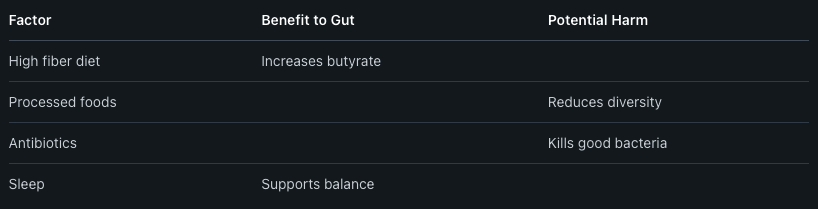
Factors that affect the microbiome include diet, stress, medicine use, and even lack of sleep. For example, eating more fiber-rich foods supports the growth of helpful bacteria. Low fiber or high processed food intake can harm the microbiome’s balance.
Studies show that a diverse gut microbiome supports normal immune reactions and may lower the chance of certain illnesses. Maintaining a healthy microbial community is important for ongoing digestive and whole-body wellness.
Common Factors That Influence the Microbiome:
The Immune System and Gut Health Connection
The gut and immune system are closely linked. Gut health can impact immune responses and play a role in both inflammation and autoimmune conditions.
Immune System Regulation and Inflammatory Responses
The gut is home to about 70% of the body's immune cells. The gut lining forms a protective barrier, allowing healthy nutrients to get in while blocking germs and toxins.
When the gut barrier is healthy, white blood cells inside the intestinal wall act as first responders. They help spot and fight invaders, like harmful bacteria. If the gut lining becomes damaged or "leaky," unwanted particles can pass through. This leakage can activate the immune system, leading to ongoing inflammatory responses.
Too much inflammation can cause problems. Short-term, it helps fight germs. But if the gut stays inflamed, it can lead to symptoms like bloating, pain, and fatigue. Over time, long-lasting inflammation may stress the immune system and make it react more to food or bacteria that are usually harmless.
Healthy foods such as fruits, vegetables, and high-fiber grains support the growth of good gut bacteria. These good bacteria can help control inflammation and keep the immune system balanced.
Autoimmune Disease and Chronic Inflammation
When the immune system is overstimulated, it can start attacking your own body. This is called an autoimmune disease. Common examples are Crohn’s disease, celiac disease, and ulcerative colitis—all of which affect the gut.
A leaky gut may allow larger food particles and bacteria to enter the bloodstream. The immune system reacts, and sometimes it cannot tell the difference between real threats and the body’s own cells. This can lead to chronic inflammation and trigger autoimmune attacks.
People with autoimmune diseases often experience ongoing symptoms. These might include pain, swelling, and tiredness. Managing gut health through a balanced diet and healthy habits can help reduce inflammation and may lower the risk of autoimmune flares.
Ways to support gut health:
Eat fiber-rich foods
Limit processed foods
Stay hydrated
Manage stress
A strong gut may help keep the immune system working as it should.
Dietary Factors That Empower Gut Wellness
Certain foods and dietary habits support the lining of the gut and help maintain a balanced digestive system. Nutrients like healthy fats, fiber, and probiotics each play a specific role in promoting gut wellness and may help reduce unwanted inflammation.
Anti-Inflammatory Diets and Whole Foods
An anti-inflammatory diet includes foods that help lower inflammation in the body. These often include fruits and vegetables like berries, leafy greens, and bell peppers. Such foods are rich in antioxidants that can help protect tissues in the digestive tract from damage.
Choosing whole foods over processed foods is important. Whole grains, nuts, seeds, and legumes offer fiber and support better digestive health. Avoiding foods high in refined sugars, fried foods, and artificial additives may help prevent irritation and support gut balance.
Herbal supplements, like turmeric or ginger, are sometimes used for their anti-inflammatory properties, although their effects can vary from person to person.
Healthy Fats, Whole Grains, and Resistant Starch
Healthy fats are needed for the gut lining. These come from sources such as olive oil, avocados, nuts, and fatty fish like salmon. Unlike saturated or trans fats, these options do not promote inflammation and may even help protect gut cells.
Whole grains and foods high in resistant starch are important because they provide fiber and feed helpful gut bacteria. Good sources include oats, barley, beans, and cooked-then-cooled potatoes. These foods help support regular digestion and the balance of bacteria in the gut.
A typical healthy dietary pattern will combine different macronutrients, including proteins, fats, and carbohydrates, to give the body what it needs to repair and protect the gut.
Role of Fermented Foods, Prebiotics, and Probiotics
Fermented foods such as yogurt, kefir, kimchi, sauerkraut, and miso are rich in beneficial live cultures called probiotics. These help keep harmful bacteria in check and support a balanced gut microbiome.
Prebiotics are special fibers found in foods such as bananas, onions, garlic, leeks, and asparagus. These feed probiotics and help them survive in the gut. Eating both prebiotics and probiotics can strengthen gut health.
Proper hydration is also key, as water helps move food through the digestive system and supports all gut functions. Pairing these foods together can maximize the benefits for gut wellness.
Common Triggers of Leaky Gut
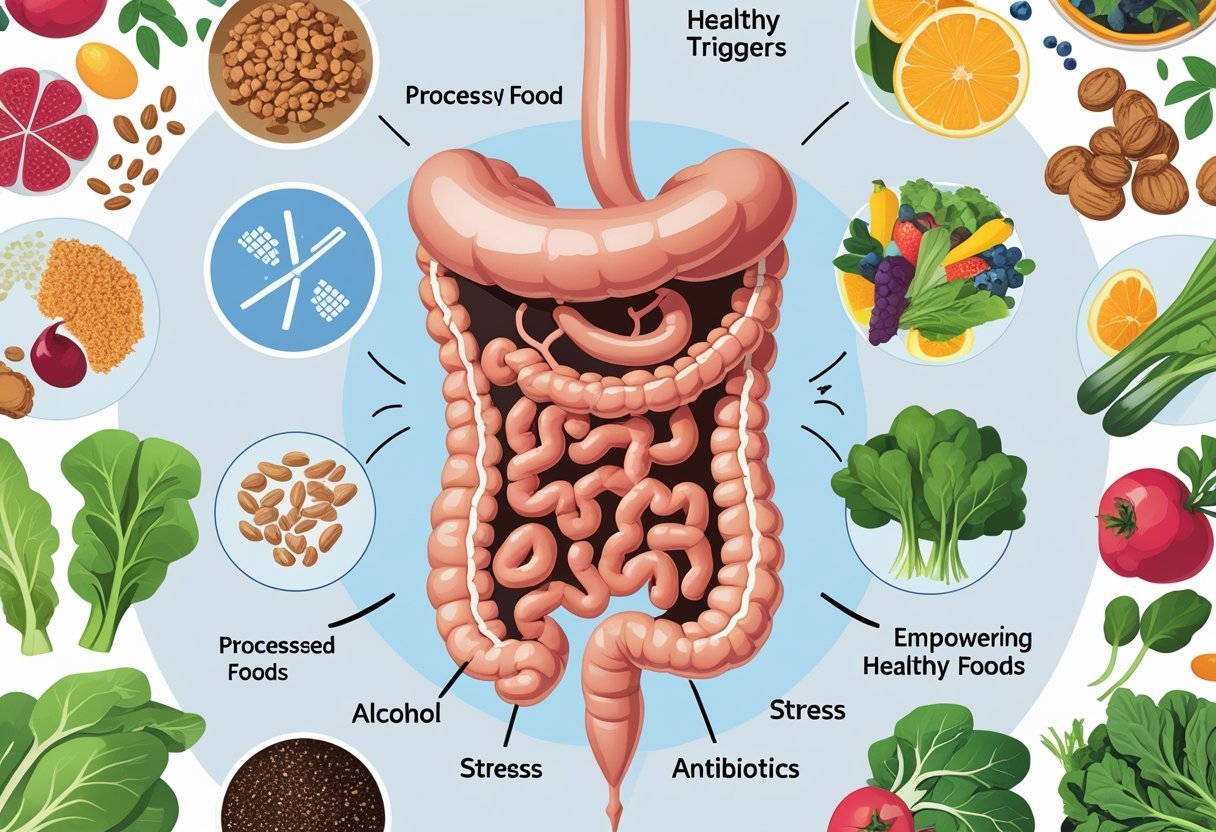
Leaky gut often involves several factors that increase gut inflammation and reduce digestive health. People may deal with these triggers in daily life without realizing their effects on the gut lining.
Inflammatory Diet and Poor Diet Choices
A diet high in processed foods, added sugars, and unhealthy fats can increase inflammation in the gut. Foods such as white bread, chips, sweets, and fried meals are common examples of these triggers.
Key culprits to watch for include:
Artificial additives and preservatives
Excess alcohol
Saturated and trans fats
A poor diet can lead to dysbiosis, or an imbalance of gut bacteria. This may damage the intestinal lining, making it more permeable and letting unwanted particles enter the bloodstream.
Reducing ultra-processed foods and increasing fiber through fruits, vegetables, and whole grains can support gut health. Healthy fats like those found in nuts, seeds, and fish may also help reduce irritation.
Antibiotics and Environmental Factors
Antibiotic use can disturb the balance of gut bacteria, or dysbiosis, sometimes allowing harmful bacteria to grow. This imbalance weakens the protective layer in the intestines, increasing the risk of leaky gut. Overuse or repeated antibiotic courses can be especially harmful.
Environmental factors, such as pollution and pesticides, may also play a role. Chemicals from these sources can cause inflammation and add stress to the digestive tract.
Common environmental triggers:
Airborne pollutants
Pesticide residues in food
Heavy metals
It helps to use antibiotics only when prescribed by a doctor and to avoid unnecessary exposure to harmful chemicals when possible.
Food Sensitivities and Personal Care Products
Food sensitivities occur when the body reacts poorly to certain foods. Gluten and dairy are frequent triggers for some people and can cause chronic irritation in the gut lining.
Symptoms may include:

Personal care products, such as lotions, soaps, and makeup, sometimes contain chemicals that can be absorbed through the skin or ingested accidentally. Substances like parabens, phthalates, and artificial fragrances are known to disrupt the gut barrier or trigger inflammation in sensitive people.
Checking ingredient labels and choosing gentle, fragrance-free products when possible can help reduce this risk.
Teaching Strategies for Leaky Gut Awareness

Teaching about leaky gut benefits from clear explanations, real-life examples, and practical advice. Using methods that support both understanding and healthy habits can lead to better health outcomes.
Educational Techniques and Evidence-Based Communication
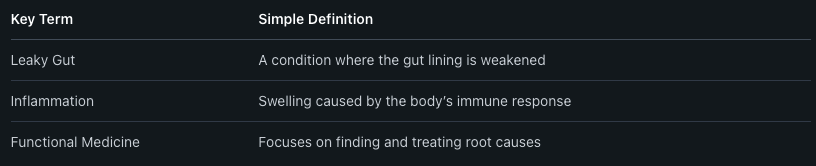
Educators should focus on using evidence-based information from reputable sources instead of unproven claims. Sharing simple definitions of leaky gut and how the digestive system works helps learners of all ages, including college students. Visual aids such as diagrams and tables can make biological concepts easier to grasp.
For example:
Open discussions allow learners to ask questions and clear up misunderstandings. Role-playing or scenarios can help practice conversations about gut health, making the topic less intimidating. Using sources like scientific articles and case studies builds trust and increases resilience against misinformation.
Promoting Lifestyle Changes and Self-Care Practice
Encouraging lifestyle changes is a key part of teaching leaky gut awareness. Instructors can share simple self-care habits, such as eating more whole foods, managing stress, and getting regular sleep. Group activities where participants track their meals or stress levels can highlight the link between habits and gut health.
Lists and checklists help learners take concrete steps:
Self-care practice checklist:
Drink enough water daily.
Limit processed foods.
Choose high-fiber fruits and veggies.
Practice relaxation, like deep breathing.
Keep a sleep routine.
Functional medicine often includes personalized plans. Sharing these strategies makes the process less confusing and helps people build resilience for lasting health improvements. Teaching in supportive, step-by-step ways helps learners feel confident about making changes.
Supporting Gut Health Through Mind and Body Practices

Gut health is shaped by daily habits that affect both the body and mind. Managing stress, moving regularly, and making time for rest can all help keep the digestive system balanced and strong.
Stress Management and Mindfulness
Stress makes it harder for the gut to work well. When people feel anxious or upset, the stress response system in the body can trigger inflammation and harm the gut lining.
Mindfulness is one way to help manage stress. It involves paying attention to thoughts and feelings in a calm, focused way. Studies have shown that regular mindfulness practices, such as meditation or deep breathing, can lower stress and reduce digestive problems.
Simple steps to support gut health with mindfulness:
Take a few minutes each day to sit quietly and breathe deeply.
Notice any tension or discomfort and let it go with each exhale.
Practice gratitude to shift focus from worries to positive thoughts.
These habits can help the gut by easing stress and promoting healthy digestion.
Physical Activity and Strength Training
Physical activity helps food move through the gut and supports healthy bacteria in the digestive tract. Both cardio and strength training are important.
Strength training, such as lifting weights or using resistance bands, helps build muscle and improve metabolism. This is linked to better blood sugar control, which can also benefit gut health.
Regular exercise may help with detoxification through sweat and encourages time-restricted eating by creating structure in daily routines. It’s a good idea for most people to aim for at least 30 minutes of movement, five days a week. Activities can include:
Walking
Cycling
Swimming
Bodyweight exercises
Relaxation Techniques and the Vagus Nerve
Relaxation techniques, like gentle breathing or yoga, can calm the body and improve gut function. The vagus nerve is important here. It connects the brain and the digestive system and helps control the body’s “rest and digest” response.
Stimulating the vagus nerve through slow, deep breathing or relaxing activities can lower stress levels and help the gut repair itself. Some ways to activate the vagus nerve include:
Humming
Singing
Splashing the face with cold water
Practicing slow breathing (try 4 seconds in, 6 seconds out)
These actions help send signals from the brain to the gut, supporting overall digestion and comfort.
Long-Term Health Outcomes and Chronic Conditions
Leaky gut may affect how the body handles stress, fights off disease, and manages inflammation. These effects reach beyond digestion, possibly impacting mental health, chronic diseases, skin changes, and daily energy.
Gut-Brain Axis, Mental Health, and Neurotransmitters
The gut and brain communicate through a system called the gut-brain axis. Bacteria and nutrients in the gut can influence how the brain works. When the gut lining is damaged, it might increase the risk of depression, anxiety, and certain mood disorders.
Research shows that gut health can alter levels of neurotransmitters like serotonin, which helps control mood and sleep. Problems with gut health have also been linked to higher rates of psychiatric conditions, brain fog, and even dementia.
Key mental health conditions connected to gut health:

Taking care of the gut may help support better mental and emotional well-being over time.
Inflammation’s Links to Disease and Aging
Chronic inflammation from a leaky gut can increase the risk of developing many diseases. Long-term inflammation has been linked to heart disease, diabetes, obesity, cancer, and even arthritis.
Ongoing inflammation can speed up aging and make people more likely to develop conditions like chronic kidney disease and cardiovascular disease. The skin can also change, showing signs like acne or dryness.
Inflammation makes it tough for the body to bounce back from illness or injury. Managing gut health could help reduce inflammation and protect against these problems.
Major diseases linked to chronic inflammation:
Heart Disease
Diabetes
Cancer
Arthritis
Chronic Kidney Disease
Obesity
Digestive Issues and Metabolic Health
A damaged gut lining can lead to digestive problems such as irritable bowel syndrome (IBS), gastroesophageal reflux disease (GERD), constipation, and diarrhea. Conditions like small intestinal bacterial overgrowth (SIBO), diverticulitis, and lactose intolerance may also become more likely.
Digestive health and metabolic health are closely related. Poor gut function can slow down metabolism, lead to weight gain, or make it harder to lose weight. It can also increase the risk of type 2 diabetes and make blood sugar harder to control.
Some people with leaky gut are more likely to develop autoimmune issues such as celiac disease or inflammatory bowel disease. Keeping the gut healthy is important for managing digestive comfort, supporting weight loss, and increasing daily energy.
Frequently Asked Questions

Gut health can be supported by making smart food choices, basic lifestyle changes, and using specific supplements. Understanding symptoms and risks helps people make better decisions about managing leaky gut.
What dietary changes can improve gut health?
Eating more whole foods, like fruits, vegetables, and whole grains, supports gut health. Fermented foods such as yogurt, kefir, and kimchi add helpful bacteria. Cutting down on processed foods, added sugars, and artificial sweeteners may help reduce gut irritation.
How does the '4 R protocol' contribute to healing a leaky gut?
The '4 R protocol' stands for Remove, Replace, Reinoculate, and Repair. Remove means eliminating foods or factors that hurt the gut. Replace adds back helpful elements, like digestive enzymes. Reinoculate introduces good bacteria with probiotics. Repair involves nutrients that help the gut lining heal, such as glutamine or zinc.
What are common symptoms associated with leaky gut syndrome?
Symptoms can include bloating, gas, cramps, and changes in bowel habits. Some people report tiredness, headaches, or issues with focus. Skin problems like rashes or acne might also be noticed.
Can certain probiotics aid in the treatment of a leaky gut?
Some probiotics, such as Lactobacillus and Bifidobacterium, may help balance gut bacteria. These strains are commonly found in yogurt or supplements. However, because everyone is unique, results can vary from person to person.
Are there any risks involved with the two-week leaky gut protocol?
Some people may notice mild digestive upset, such as gas or loose stools, when starting a new protocol. Allergic reactions or interactions with medicines are possible if supplements are included. It is important for people to talk to a healthcare provider before starting any protocol.
How does modern lifestyle impact gut health and contribute to leaky gut?
Eating lots of processed foods, not getting enough sleep, and chronic stress can weaken the gut lining. Too many antibiotics or frequent use of non-steroidal anti-inflammatory drugs (NSAIDs) may also harm the gut. Lack of physical activity can lower the diversity of gut bacteria.
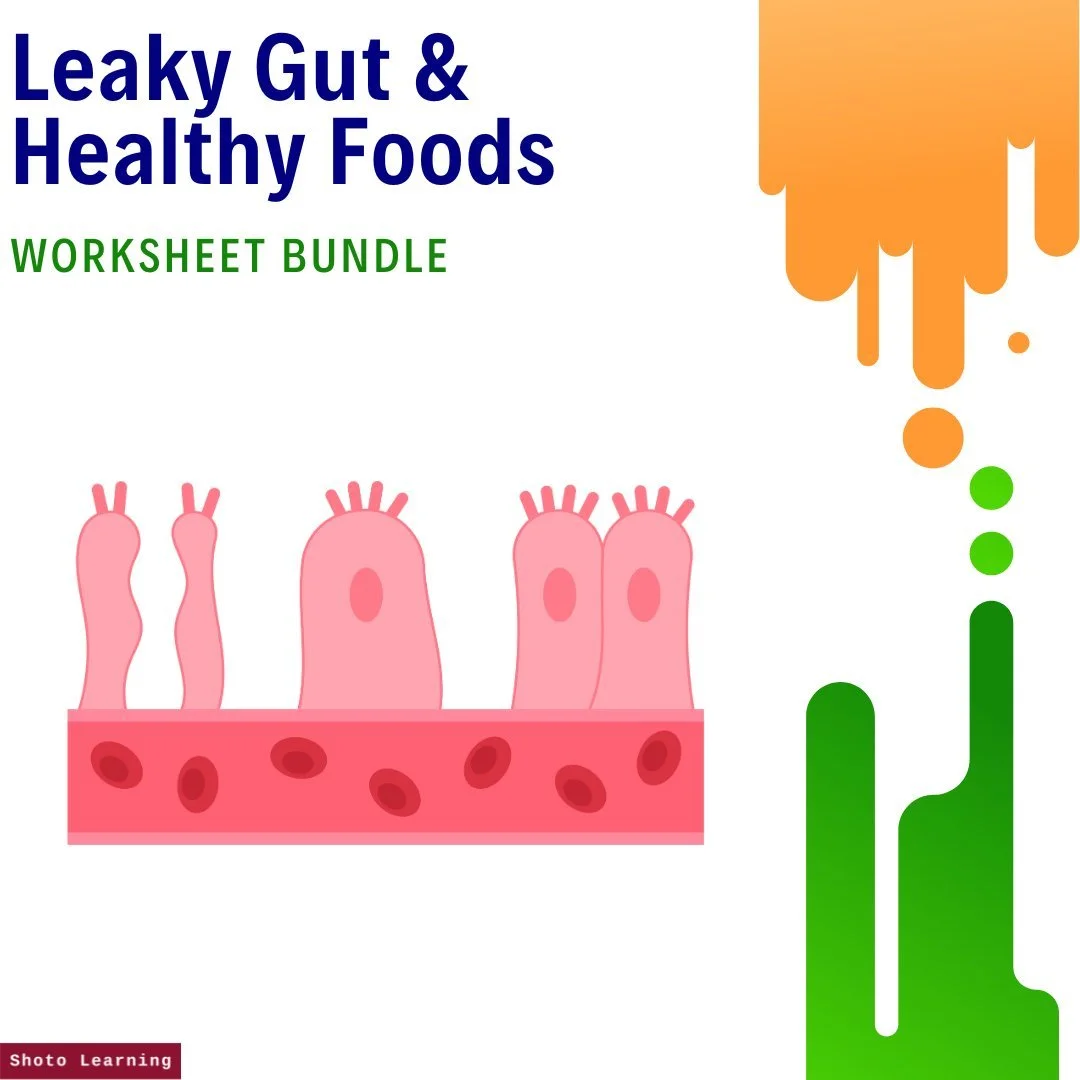


Embark on a holistic journey to gut health with our "Gut Health Mastery Bundle." This comprehensive package delves into the intricacies of Leaky Gut and the transformative power of Healthy Foods. Whether you're a student, educator, or health enthusiast, this bundle offers engaging and varied resources for a well-rounded learning experience. Here's what awaits you:
Included Worksheets:
Assignments: Embark on 10 stimulating assignments covering diverse topics, encouraging critical thinking and practical application of knowledge.
Bingo (30 cards): Transform your learning into a game with 30 interactive bingo cards.
Crossword: Enhance your vocabulary while navigating the key concepts of gut health.
Cryptogram: Decode the secrets of Leaky Gut and Healthy Foods in this intriguing worksheet.
Debate: Stimulate critical thinking with thought-provoking questions and answers.
Experiments: Explore hands-on experiments illustrating fundamental principles across various disciplines, fostering deeper understanding and engagement.
Fill in the Blank: Reinforce your knowledge through the classic worksheet format.
Flash Cards: Bolster your memory with quick, bite-sized information.
Free ABC Order: Practice alphabetizing essential terms for a stronger grasp of the subject.
Free Cut and Paste: Engage in a hands-on activity visual learners will appreciate.
Free Poster: Decorate your learning space with a visually appealing poster showcasing key concepts.
Lesson Plan: Dive deep with our detailed lesson plan, complete with engaging activities and discussion topics.
Matching: Connect terms with their corresponding definitions for deeper understanding.
Missing Letters: Challenge yourself to complete the blanks with this engaging worksheet.
Multiple Choice: Assess your understanding with a variety of multiple-choice questions.
PowerPoint: Visualize the complexities of Leaky Gut and Healthy Foods through an informative presentation.
Questions and Answers: Reinforce your learning with a comprehensive Q&A session.
Reading Comprehension: Sharpen reading skills with engaging passages, perfect for students and educators alike.
Scramble: Unscramble terms to reinforce memory and spelling.
Test (45 minutes): Evaluate your knowledge with a timed examination.
True or False: Test your understanding with this classic worksheet format.
Word Search: Discover and circle key terms in a delightful word search puzzle.
Writing Prompts: Encourage creative thinking and written exploration.
Why Choose the Gut Health Mastery Bundle?
This bundle isn't just a collection of worksheets; it's a holistic learning experience. Whether you prefer visual aids, interactive games, or traditional study methods, our bundle caters to everyone. Ideal for students, educators, or anyone eager to unravel the mysteries of Leaky Gut and embrace the transformative power of Healthy Foods. Elevate your understanding with this all-encompassing bundle!
Order your copy today!