
Nurturing Curiosity: Teaching Prokaryotic Cells in the Classroom for Engaged Science Learning
Curiosity drives learning, and one great way to spark curiosity in the classroom is by exploring the hidden world of prokaryotic cells. Understanding prokaryotic cells helps students build a strong foundation in science while practicing critical thinking skills. These tiny, single-celled organisms play a huge role in life on Earth but are often overlooked in science lessons.
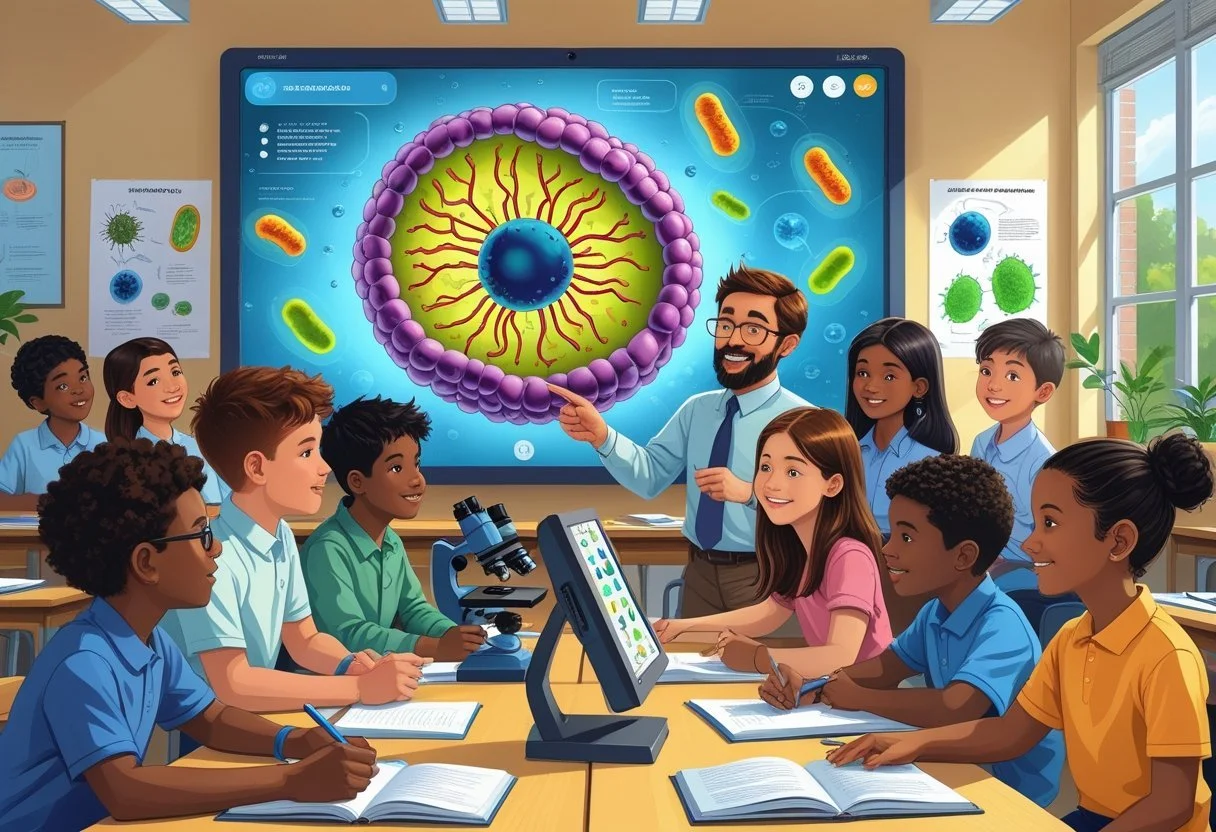
By using models, visuals, and hands-on activities, teachers can make these simple cells easy to understand and interesting to learn about. Bringing real-life examples and new discoveries into class helps students see how prokaryotic cells shape health, technology, and the environment.
Key Takeaways
Simple strategies can make prokaryotic cells engaging for students.
Learning about these cells supports science knowledge and thinking skills.
Real-world connections show students why cells matter in everyday life.
Foundations of Prokaryotic Cells
Prokaryotic cells are the simplest and oldest form of life. They have clear differences from eukaryotic cells and play critical roles in cell biology and microbiology. Understanding their structure, function, and diversity helps students connect general biology concepts to real-world examples.
Characteristics of Prokaryotes
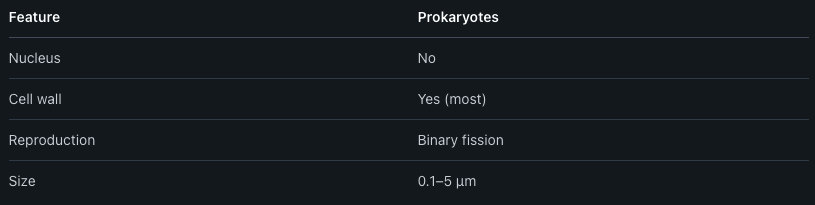
Prokaryotic cells are single-celled organisms that lack a nucleus. Their DNA floats freely in the cytoplasm in a region called the nucleoid. Unlike eukaryotic cells, they do not have membrane-bound organelles.
Most prokaryotes have a cell wall, which gives them shape and protection. The structure of the cell wall can vary, especially between major groups of prokaryotes. Many also have features like flagella for movement and pili for attachment to surfaces.
Their small size ranges from 0.1 to 5 micrometers. Prokaryotes often reproduce by binary fission, a simple process where one cell splits into two identical cells. Summary table:
Comparing Prokaryotic and Eukaryotic Cells
Prokaryotic and eukaryotic cells have important differences and similarities. Prokaryotes do not have a nucleus or other membrane-bound organelles. Eukaryotes, like plants, animals, and fungi, have a defined nucleus where DNA is stored, and many specialized organelles.
Eukaryotic cells are usually larger, from 10 to 100 micrometers. They have structures like mitochondria, endoplasmic reticulum, and Golgi apparatus that prokaryotes do not have. Both types share basic features:
A plasma membrane
Cytoplasm
Ribosomes for protein production
Genetic material (DNA)
This comparison helps students see why different organisms function and appear differently in cell biology and microbiology.
Major Groups: Bacteria and Archaea
Prokaryotes fall into two main groups: Bacteria and Archaea. Both are single-celled and lack a nucleus, but they have important genetic and chemical differences.
Bacteria are found nearly everywhere and include many familiar microorganisms. Some cause disease, while others are helpful—such as those that aid digestion or make yogurt.
Archaea often live in extreme environments, like hot springs or salty lakes. Their cell walls and membranes have unique molecules not seen in bacteria or eukaryotes.
Both groups are crucial in general biology and environments, recycling nutrients and supporting life. Understanding these differences gives students a foundation for more advanced topics in cell biology and microbiology.
Innovative Teaching Strategies for the Classroom
Teachers can help students learn about prokaryotic cells by using a variety of teaching strategies. Using practical activities, accessible instruction, and current technology in science lessons can make it easier for high school students to understand the basics of cell biology.
Hands-On Learning Activities
Hands-on activities let students interact with science concepts directly. For example, students can create models of prokaryotic cells using clay, beads, or printed templates. This helps them learn the function and structure of cell parts like the cell wall, plasma membrane, and nucleoid.
Microscope labs let students observe bacteria slides. By looking at real prokaryotic cells, students see how theory connects to real-world examples. Group work and science experiments encourage teamwork and make lessons memorable.
Simple investigations—like comparing bacteria growth on agar plates—show students how prokaryotic cells react to their environments. Teachers can also use interactive worksheets and matching games to reinforce vocabulary and structure identification.
Incorporating Universal Design for Learning
Universal Design for Learning (UDL) gives all students equal opportunities to succeed. Teachers can offer choices in how students access information—such as videos, diagrams, and written materials—so everyone can learn in their preferred way.
Using audio recordings and clear, large diagrams can help students who struggle with reading or have vision challenges. Allowing students to explain what they learned verbally or through drawing, rather than only through written tests, supports different strengths.
Teachers can also provide checklists or graphic organizers. These tools help high school students manage complex science topics by breaking them down into simple steps. UDL encourages participation from all students, including those with disabilities or learning differences.
Utilizing Modern Teaching Tools
Modern teaching tools expand what teachers can do in the classroom. Digital microscopes connect to screens, letting whole classes view prokaryotic cells together. This makes it easier to point out key cell structures and have class discussions.
Interactive whiteboards and science apps allow students to manipulate cell models virtually. Some educational websites have simulations where students can "build" a prokaryotic cell by dragging and dropping parts. This gives immediate feedback and helps students understand cell organization.
Teachers can use short, focused videos to show cell division or bacteria in motion. Many high school science lessons benefit from online quizzes and flashcards, which test recall in a low-pressure way. These tools make cell biology more engaging and accessible for everyone.
Cell Structure and Genetic Material
Prokaryotic cells have a simple but effective way of organizing their internal components and genetic material. Their structure and genetic systems help them survive and reproduce quickly.
Cellular Organization of Prokaryotes
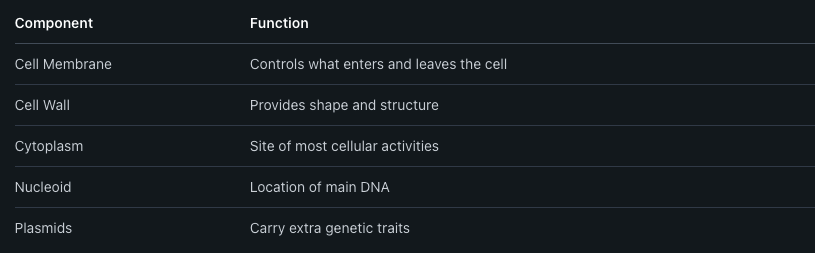
Prokaryotes, like bacteria, do not have a nucleus. Their DNA floats in the cytoplasm, usually in a region called the nucleoid. The cell is surrounded by a plasma membrane and a cell wall, which give shape and protection.
These cells often contain small, circular DNA molecules called plasmids. Plasmids carry extra genes, sometimes for antibiotic resistance. Prokaryotic cells lack many organelles found in eukaryotes, such as mitochondria and a true nucleus.
Key Features of Prokaryotic Cell Organization:
DNA and RNA in Prokaryotic Cells
The genetic material in prokaryotes is mostly made up of a single, circular DNA molecule. This DNA holds the instructions for making proteins needed for the cell's survival. Prokaryotic DNA is supercoiled to fit inside the cell.
RNA also plays a big role. There are three main types of RNA in these cells:
mRNA (messenger RNA): Carries genetic information from DNA to make proteins
rRNA (ribosomal RNA): Helps make up ribosomes
tRNA (transfer RNA): Brings amino acids to build proteins
Unlike eukaryotes, prokaryotes often transcribe and translate genes at the same time, in the same place.
Gene Expression and Regulation
Gene expression in prokaryotes is straightforward and fast. The process starts when a gene is transcribed into mRNA. Then, ribosomes quickly use this mRNA to build proteins.
Prokaryotes use operons to control several genes at once. An operon is a cluster of genes controlled by a single switch called a promoter. A common example is the lac operon in E. coli, which helps the cell break down lactose sugar.
They can turn genes on or off quickly to respond to changes in their environment. This ability helps them survive when conditions change, such as when nutrients become scarce.
DNA Replication in Bacteria
DNA replication in prokaryotes is simple but very efficient. It starts at a special site called the origin of replication. Enzymes called DNA polymerases help make a copy of the cell’s DNA.
The process is semi-conservative, which means each new DNA molecule has one old strand and one new strand. Because bacterial chromosomes are circular, replication goes in two directions until the entire molecule is copied.
This fast and accurate system allows bacteria to divide and multiply quickly. Mistakes can happen, but repair enzymes often fix these errors.
Genetic changes that do occur can be passed to new cells, driving evolution and adaptation.
Growth, Reproduction, and Adaptation
Prokaryotic cells, such as bacteria, have unique ways to grow, reproduce, and adapt to their surroundings. These processes help them survive, evolve, and respond to environmental changes.
Cell Division in Prokaryotes
Prokaryotes reproduce mainly through binary fission. This process differs from mitosis and meiosis, which happen in eukaryotic cells. In binary fission, the cell copies its single circular DNA molecule. The cell then grows larger, and the DNA moves to opposite ends. The cell membrane pinches in, and the cell splits into two identical daughter cells.
Binary fission is fast and efficient. Sometimes, a prokaryotic cell can divide in as little as 20 minutes under the right conditions. This quick reproduction helps populations grow rapidly. Unlike in meiosis, genetic diversity through cell division alone is limited, but prokaryotes use other methods to create genetic variety.
Genetic Variation and Adaptation Mechanisms
Genetic variation is important for the survival and adaptation of prokaryotes. They use several methods to increase diversity:
Conjugation: This involves direct transfer of DNA between two cells, often through a structure called a pilus.
Transformation: Cells take up free DNA from their environment.
Transduction: Viruses accidentally transfer DNA from one cell to another.
These mechanisms introduce new genes and traits. Mutation, or random changes in DNA, also creates variation. Unlike the complex changes in eukaryotic epigenetics, most prokaryotes rely on these genetic exchanges and mutations. These changes help them adapt to antibiotics, new food sources, and shifting environments.
Natural Selection and Evolution in Microbes
Natural selection acts on the genetic variation in prokaryotes. When the environment changes—like the introduction of an antibiotic—some cells may have traits that help them survive. These cells are more likely to reproduce and pass on their genes.
Over time, populations evolve as beneficial traits become more common. This process explains why some bacteria become resistant to antibiotics. Evolution in prokaryotes often happens quickly due to their short generation times and large populations.
Understanding evolutionary biology in microbes highlights the importance of adaptation. By studying how prokaryotes change, scientists learn about the spread of resistance, the origins of new traits, and the fundamentals of evolution on a microscopic scale.
Prokaryotic Cells in Ecosystems and Human Health
Prokaryotic cells shape the environment through their ecological roles, affect human health as both helpful and harmful agents, and form vital communities in our bodies. Their actions influence local and global systems, public health, and daily life.
Ecological Roles and Symbiosis
Prokaryotes play many jobs in ecosystems. They break down dead plants and animals, recycling nutrients like nitrogen and carbon. Without them, soil and water would lose their natural balance.
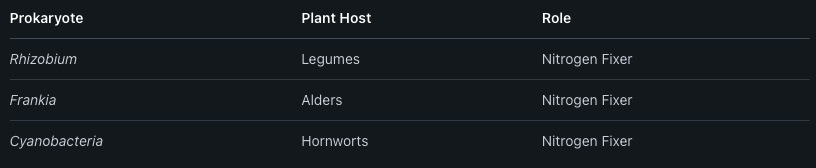
Many plants rely on prokaryotes in their roots to capture nitrogen from the air. This process, called nitrogen fixation, lets plants grow where they could not otherwise. Some of these relationships, like the one between certain bacteria and bean plants, are mutualistic: both partners benefit.
Table: Examples of Prokaryote-Plant Symbiosis
Other prokaryotes live as parasites or pathogens and can stress or harm their hosts.
Prokaryotes and Infectious Diseases
Prokaryotic cells, especially bacteria, are linked to infectious diseases around the world. Diseases like tuberculosis, strep throat, and cholera are caused by specific bacteria invading human tissue.
Common Bacterial Diseases:
Tuberculosis (Mycobacterium tuberculosis)
Pneumonia (various bacteria)
Salmonella poisoning (Salmonella species)
Bacterial infections spread in many ways, including person-to-person, through food, and from the environment. Epidemiologists study how these diseases move and how outbreaks start or stop. Quick diagnosis and the right antibiotics help control disease, though drug resistance can make treatment harder.
Parasite ecology helps explain why some bacteria become harmful only under certain conditions, depending on the host and environment.
Microbiomes and Public Health
Humans have a microbiome made up of trillions of prokaryotic cells. Most live in the gut, mouth, or on the skin. These microbes help digest food, make vitamins, and protect against illness by blocking harmful bacteria.
Research shows that a healthy microbiome lowers the risk of some diseases, including infections and even conditions like obesity. Changes in the microbiome can lead to health problems or make people more likely to get sick.
Public health programs look at how changes in living habits, diet, and medicine can affect the balance of helpful vs. harmful microbes. Keeping healthy prokaryotes in the body is an important focus for both personal and community health.
Modern Research and Technological Advances
Modern tools let scientists explore prokaryotic cells in new ways. These advances help researchers understand genes, change DNA, and find medical uses for bacteria.
Genetic Engineering and CRISPR
Genetic engineering uses technology to change an organism’s DNA. Bacteria are often used because they are simple and grow quickly.
CRISPR is a gene-editing tool that comes from bacterial defense systems. It lets scientists cut and edit DNA with high accuracy. Now, researchers can delete, add, or replace genes in bacteria easily. This has led to new strains of bacteria that produce medicines, clean up oil spills, or create renewable energy.
Biology teachers can show students how genetic engineering is changing medicine and industry.
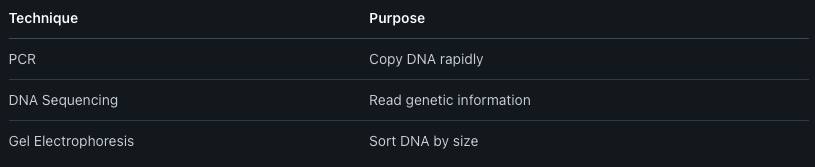
PCR and Molecular Techniques
Polymerase Chain Reaction (PCR) makes millions of copies of DNA from a small sample. This process is fast and reliable.
PCR helps scientists study bacteria even when only tiny amounts are present. It’s used in crime labs, medical testing, and research. PCR can also help spot bacterial infections, check water safety, or examine ancient bacteria found in ice.
Other molecular techniques, like gene sequencing, let scientists read parts of a bacterium’s genetic code. These methods help in data collection and mapping out how bacterial cells work.
Table: Common Molecular Techniques
Applications in Medicine and Biotechnology
Prokaryotic cells, mostly bacteria, are used to make insulin, growth hormones, and vaccines using technology. These products are safer and cheaper than old methods.
Bacteria can also clean up pollution. Bioremediation uses special bacteria to break down oil or remove toxins from soil and water. Some bacteria help recycle plants into useful products or make new kinds of plastics.
Biotechnology relies on bacteria for data collection and testing in labs. This helps with food safety, disease detection, and even studying changes in the environment.
Fostering Curiosity and Future Opportunities
Learning about prokaryotic cells can spark questions that lead students to new ideas and interests. This topic not only builds science skills but also prepares learners for tasks and careers that use critical thinking and innovation.
Encouraging Creative and Critical Thinking
Curiosity develops when students can ask their own questions and test their ideas. Teachers can give open-ended tasks that require students to design and explain experiments about bacteria or other prokaryotes.
For example, students might compare how different surfaces affect bacterial growth. A simple table can help organize findings:
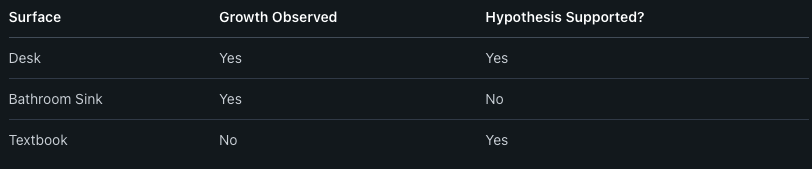
These exercises improve project management skills. They also help students practice making decisions and thinking in new ways. Creative projects, such as making models of cells, help learners apply what they've learned.
Connecting Science to Real-World Issues
Understanding prokaryotic cells helps students see why bacteria are important to health and the environment. Teachers can link topics to public health, such as how germs spread or how new medicines are developed.
Lessons can also show how science leads to progress in food safety, waste management, and disease control. Real-world examples, like the use of bacteria in cleaning oil spills, show why this knowledge matters.
Students may investigate local water sources or foods for bacterial content as fieldwork. This brings science into their lives and teaches them to look for answers outside the classroom.
Exploring Careers in Microbiology and Related Fields
Careers that use knowledge about prokaryotic cells include microbiology, healthcare, and environmental science. Students can explore roles like lab technician, researcher, or public health worker.
A list of potential career paths:
Microbiologist
Environmental scientist
Medical laboratory technician
Industrial researcher
Food safety inspector
Learning these skills also helps with jobs that need project management, such as running experiments or leading teams. By seeing the range of opportunities, students can better plan their future and understand the value of scientific progress and innovation.
Frequently Asked Questions
Students often ask about cell structure, differences between cell types, and the importance of prokaryotes in the environment. Teachers look for effective ways to make the material clear, hands-on, and accurate.
What strategies can be used to engage students in learning about prokaryotic cells?
Teachers can use real-life examples, such as bacteria in yogurt, to spark interest.
Interactive models, games, and hands-on lab activities help students connect ideas to the real world.
Storytelling and analogies can make difficult content more relatable and less abstract.
How can teachers explain the difference between prokaryotic and eukaryotic cells to students?
Using simple diagrams and side-by-side comparison charts helps students spot key differences.
Highlighting that prokaryotic cells lack a nucleus, while eukaryotic cells have one, makes the distinction clear.
Short videos or animations can visually show the main differences in cell structure.
What are the key characteristics of prokaryotic cells that students should understand?
Prokaryotic cells have no nucleus and are usually smaller than eukaryotic cells.
Their DNA floats freely in the cell, and they often have a cell wall.
Most prokaryotes are single-celled organisms like bacteria and archaea.
How can classroom activities be designed to help students visualize prokaryotic cell structure?
Teachers can provide clay or craft materials for building cell models.
Drawing and labeling diagrams helps reinforce what each part does.
Microscope labs with prepared bacterial slides allow students to see prokaryotes first-hand.
In what ways do prokaryotic cells contribute to ecological balance and environmental health?
Prokaryotic cells decompose dead plants and animals, recycling nutrients.
Some bacteria fix nitrogen, making soil healthy for plants.
Prokaryotes can clean up waste and break down pollutants in the environment.
What instructional methods are effective in correcting misconceptions about prokaryotic cells?
Pre-assessment quizzes can identify common misunderstandings early.
Open discussions and peer teaching sessions allow students to address and correct false ideas.
Using visual aids and real samples clarifies what prokaryotes look like and how they function.


Explore the microscopic world of prokaryotic cells with our Prokaryotic Cells Mastery Bundle – an all-inclusive package designed to make learning engaging and comprehensive. This bundle encompasses a diverse range of resources, each tailored to cater to different learning styles and preferences.
Bundle Highlights:
Assignments: Embark on 10 stimulating assignments covering diverse topics, encouraging critical thinking and practical application of knowledge.
Bingo (30 cards): Make learning fun with an interactive Bingo game featuring 30 unique cards.
Crossword: Challenge your knowledge with a crossword puzzle that reinforces key concepts.
Cryptogram: Decode secret messages while learning about prokaryotic cells.
Debate: Encourage critical thinking with thought-provoking debate questions and answers.
Experiments: Explore hands-on experiments illustrating fundamental principles across various disciplines, fostering deeper understanding and engagement.
Fill in the Blank: Reinforce understanding with fill-in-the-blank worksheets.
Flash Cards: Master key terms and concepts with a set of informative flashcards.
ABC Order (Free): Practice alphabetical order with a complimentary worksheet.
Cut and Paste (Free): Enhance hands-on learning with a free cut-and-paste activity.
Poster (Free): Decorate your learning space with an informative prokaryotic cell anatomy poster.
Lesson Plan: Dive deep with our detailed lesson plan, complete with engaging activities and discussion topics.
Matching: Strengthen knowledge retention through a matching worksheet.
Missing Letters: Improve spelling and recall with worksheets featuring missing letters.
Multiple Choice: Test understanding with a multiple-choice worksheet.
PowerPoint: Dive into an immersive presentation offering a visual journey into prokaryotic cells.
Questions and Answers: Deepen comprehension with a comprehensive set of Q&A.
Reading Comprehension: Sharpen reading skills with engaging passages, perfect for students and educators alike.
Scramble: Unscramble key terms related to prokaryotic cells in an engaging worksheet.
45-Minute Test: Assess knowledge and retention with a thorough 45-minute exam.
True or False: Challenge assumptions and reinforce facts with a true-or-false worksheet.
Word Search: Have fun while reinforcing vocabulary with an entertaining word search.
Writing Prompts: Encourage creativity and critical thinking with insightful writing prompts.
Dive into the world of prokaryotic cells with this diverse and comprehensive bundle, ideal for students, educators, and lifelong learners. Whether you prefer hands-on activities, interactive games, or visual presentations, this bundle has something for everyone. Unleash your curiosity and master the fundamentals of prokaryotic cells with this all-encompassing learning resource.
Order your copy today!