
Engaging Strategies for Teaching the Symbiotic Relationship Between Colon Bacteria and Water Absorption in the Classroom
Many students are surprised to learn that tiny bacteria living in the colon help control the amount of water the body absorbs. Teaching the symbiotic relationship between colon bacteria and water absorption helps students understand health, biology, and the importance of the gut microbiome. When students see how bacteria and the colon work together, the complex process becomes easier to grasp.
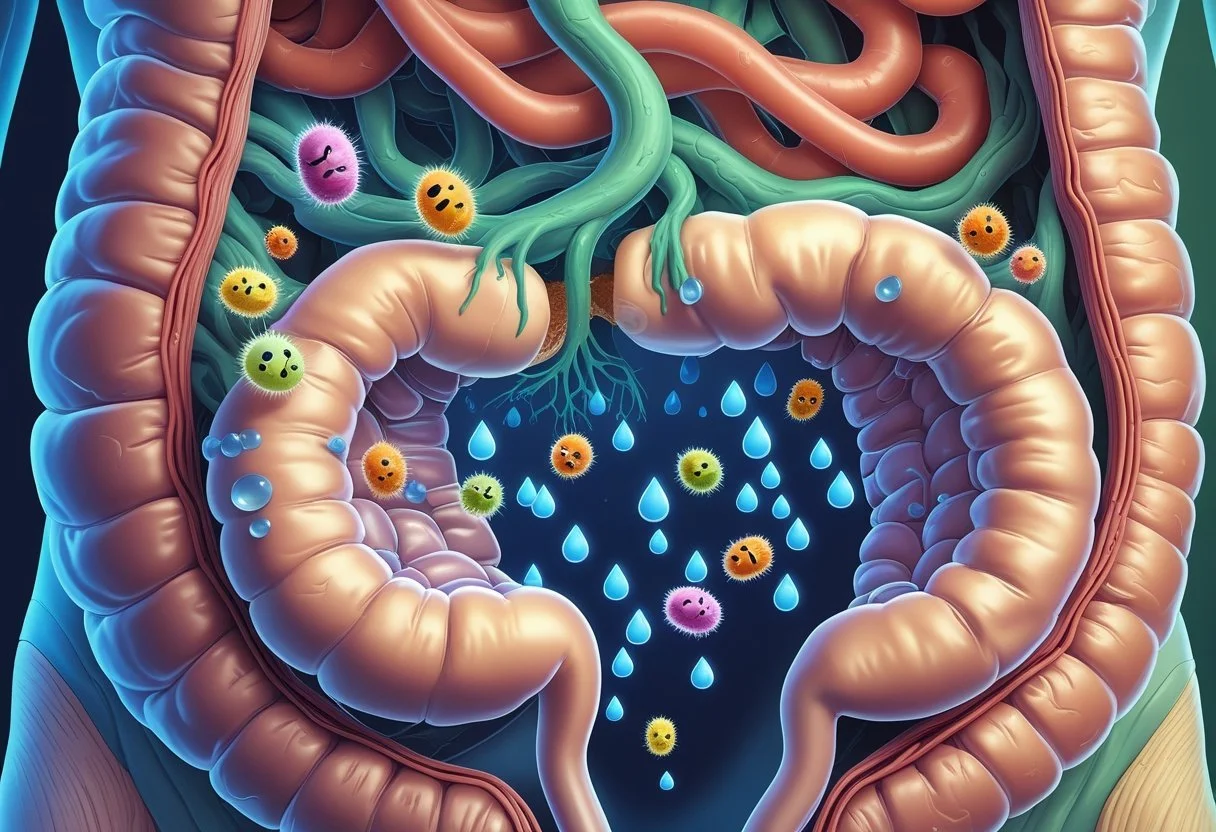
There are many simple activities teachers can use to make learning about this topic more engaging. These hands-on strategies show students how bacteria and water absorption connect, while also making the lessons more interesting. Using real-world examples can help students see how what happens in the gut affects the whole body.
Key Takeaways
Colon bacteria and water absorption are closely linked.
Interactive lessons help students understand gut health.
Real examples make the topic more engaging and relevant.
Understanding the Symbiotic Relationship Between Colon Bacteria and Water Absorption
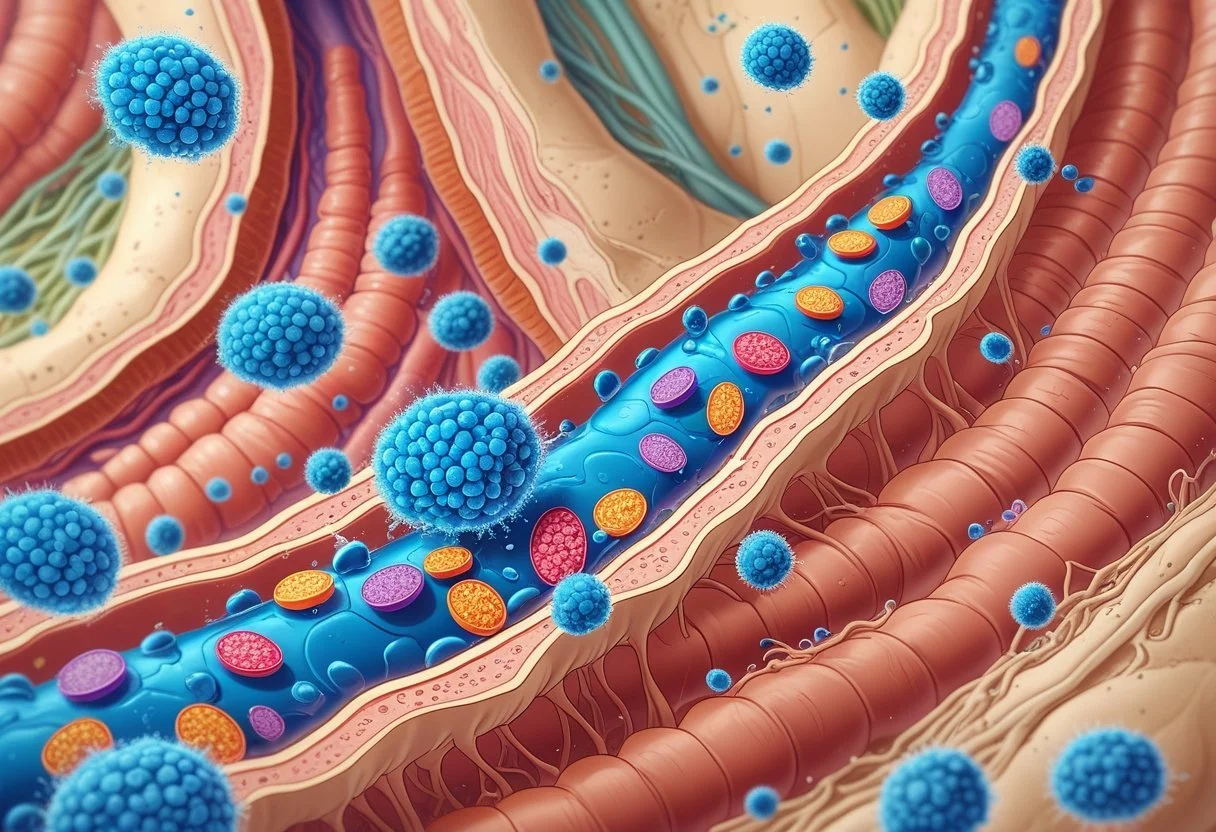
Symbiotic bacteria living in the colon play a key role in breaking down food and absorbing water. The relationship between human cells and these gut microbiota supports healthy digestion and water balance.
Defining Symbiosis in the Human Colon
Symbiosis means two different organisms live closely together and help each other. In the colon, this relationship is called mutualism, where both the body and bacteria benefit.
The colon contains trillions of bacteria that form the gut microbiota. These bacteria get nutrients and a safe environment from the human body. In return, they break down plant fiber and other materials the body cannot digest on its own.
Through this partnership, the colon produces short-chain fatty acids (SCFAs), which support colon health. This process also helps the gut absorb more water efficiently. The main types of bacteria found here include Bacteroides, Firmicutes, and Actinobacteria.
Key Points:
Symbiosis: Both human and bacterial cells benefit
Mutualism: Colon bacteria help make nutrients available
Gut microbiota affects digestion and health
Role of Gut Microbiota in Water Balance
Water absorption takes place mostly in the colon. Good water balance keeps stool solid and helps prevent diarrhea or constipation. Symbiotic bacteria aid this by breaking down fibers into small molecules.
These small molecules, such as SCFAs, pull water into the colon walls. Bacteria like Bifidobacterium and Lactobacillus improve water uptake by supporting colon lining cells.
A simple table shows their effect:
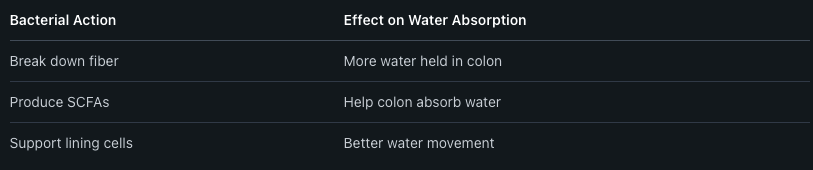
When the balance of gut microbiota is lost, water absorption may decrease, leading to digestive problems. Keeping a healthy balance of these bacteria supports both digestion and water levels in the body.
Key Bacterial Players in the Colon Ecosystem
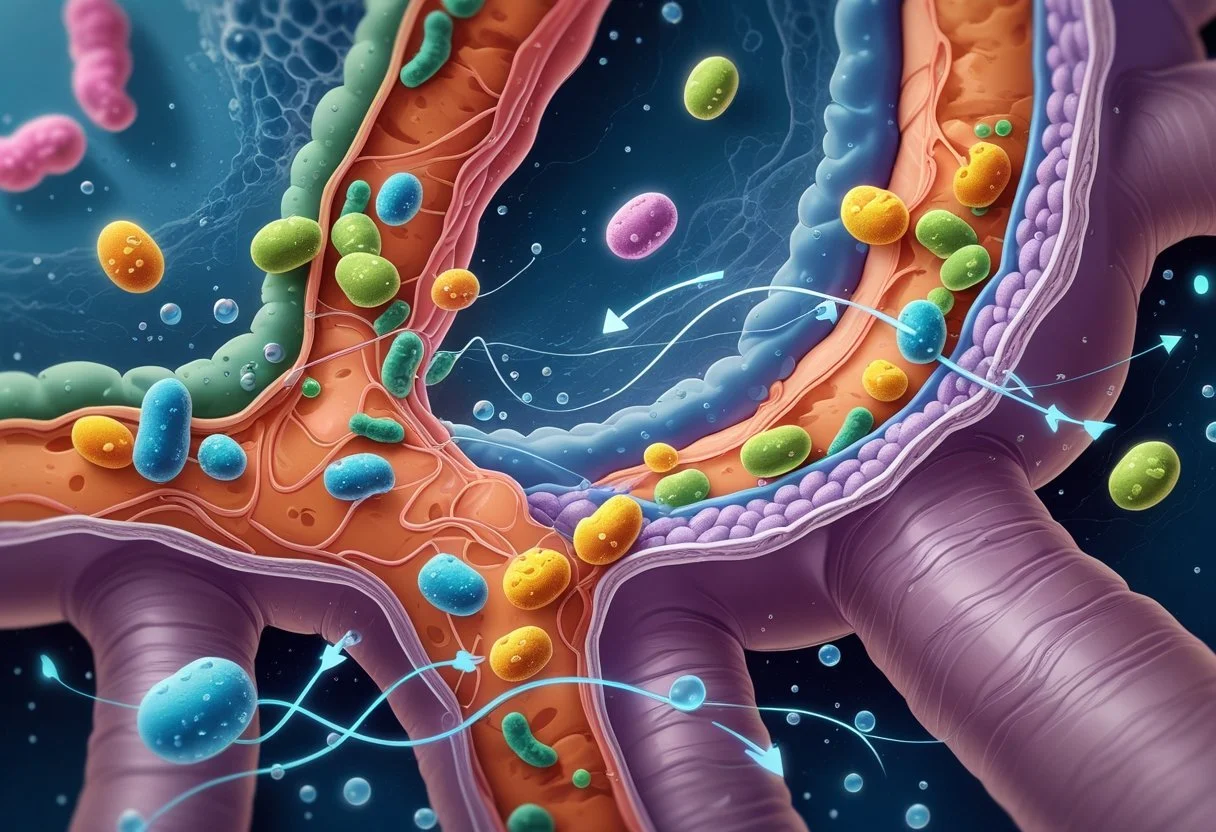
The colon is home to many kinds of bacteria that help the body absorb water and break down food. Some of the most important types keep the colon healthy by supporting digestion and the immune system.
Common Bacterial Phyla: Firmicutes, Bacteroidetes, and Actinobacteria
Three main groups—or phyla—make up most of the bacteria in the colon: Firmicutes, Bacteroidetes, and Actinobacteria.
Firmicutes help break down tough plant fibers, which can help produce useful short-chain fatty acids. Bacteroidetes play a key role in digesting complex carbs and are known for shaping colon health. Actinobacteria, though less common, include important bacteria like Bifidobacterium, which support gut health and help prevent the growth of harmful bacteria.
Here is a comparison:
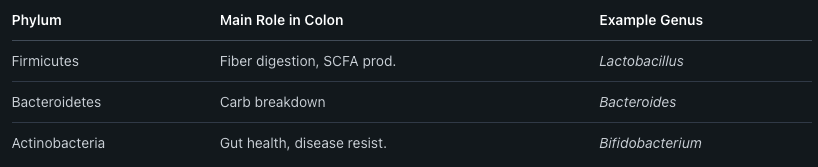
The balance among these groups supports water absorption and normal colon function.
Notable Genera: Lactobacillus, Bacillus, and Proteobacteria
Specific types of bacteria, called genera, are well known in the colon. Lactobacillus strains are famous for their ability to turn sugars into lactic acid, which lowers the colon’s pH and keeps harmful organisms in check.
Bacillus species, though more common in the environment, also live in the colon and can support food breakdown and immune health. Proteobacteria include bacteria such as Escherichia coli. Most are harmless, but high amounts can signal problems like inflammation or infection.
Some of these bacteria help make vitamins or produce byproducts that can help the colon absorb water more effectively. Others help maintain the lining of the colon.
Interactions With Heterotrophic Bacteria
Most colon bacteria are heterotrophic, which means they eat organic material for energy. These bacteria, including many from the phyla above, break down fiber and leftover nutrients that the body could not digest earlier in the gut.
Their activities release short-chain fatty acids and other products. These byproducts help draw water back into the body, making water absorption more efficient.
Heterotrophic bacteria also help keep harmful bacteria under control. They take up space, use available food, and sometimes release substances that kill or limit the growth of dangerous germs. Their teamwork keeps the colon’s ecosystem stable and healthy.
Mechanisms of Water Absorption and Bacterial Function
Colon bacteria play a key role in breaking down undigested food and producing compounds that help absorb water. Their activity also affects gut movement and the uptake of important nutrients.
Volatile Fatty Acids and Colon Health
Bacteria in the colon ferment fiber and other materials to release volatile fatty acids (VFAs), such as acetate, propionate, and butyrate. These acids are a main energy source for colon cells. VFAs also help keep the colon's salt and water balance correct.
Butyrate supports the health of colon cells, while acetate and propionate can reach the liver and play a part in overall metabolism.
VFAs lower the colon's pH. This environment limits the growth of harmful bacteria and supports water absorption by drawing water into colon cells for use or removal.
Gastrointestinal Motility and Water Retention
Colon bacteria influence gastrointestinal motility by making VFAs and other byproducts. These substances can affect how quickly the colon moves waste along.
Proper motility gives time for water to be absorbed from waste before it leaves the body. If motility is too fast, diarrhea can result, since water is not absorbed. If it's too slow, constipation may occur from too much water being drawn out.
Factors influencing motility include:
Types of fiber in the diet
Amount and types of bacteria
VFAs produced
Balanced gut bacteria help keep water retention and colon movement steady, helping stool stay soft and easy to pass.
Impact on Nutrient Absorption
Colon bacteria also help with nutrient absorption. They produce enzymes that break down fibers human enzymes can't digest.
This allows nutrients, like certain vitamins (especially vitamin K and some B vitamins), to be made or freed up for the body.
The table below lists some nutrients affected by colon bacteria:
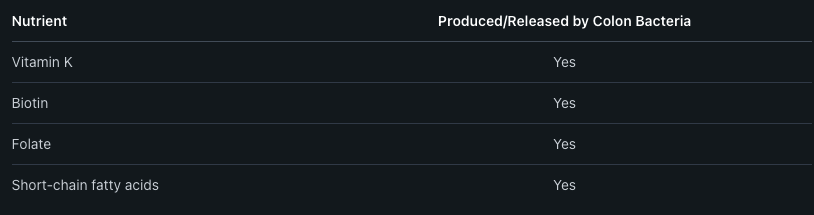
By supporting water absorption and making important nutrients, colon bacteria help maintain good nutrition and colon health.
Influences on the Gut Microbiome's Role in Water Balance
The gut microbiome helps control water absorption by interacting with both the food people eat and their immune systems. Many factors, like diet and immune response, shape how well the colon bacteria support water balance.
Dietary Factors and Organic Matter
What a person eats changes the types and activities of bacteria in the colon. Foods high in fiber and other organic matter feed beneficial bacteria that can produce short-chain fatty acids. These acids help the colon absorb water more effectively.
A low-fiber diet can reduce the number of helpful bacteria and slow down water movement in the colon. Diets with more processed foods often lower microbial diversity, which can make water absorption less efficient. Below is a simple table showing this connection:

Consuming a mix of fruits, vegetables, and whole grains supports a healthy gut microbiome, which in turn improves the colon’s ability to handle water balance.
Host Immune Response and Inflammation
The immune system keeps the gut in balance by controlling which bacteria can live and how active they are. When there is inflammation—caused by infections, autoimmune diseases, or other health problems—the balance of the gut microbiome changes.
Chronic inflammation can hurt the cells that line the colon, making them less able to absorb water. It can also lower beneficial bacteria and allow harmful bacteria to grow. This can lead to problems like diarrhea or dehydration.
A healthy immune response supports strong gut barriers and helps maintain the right mix of bacteria. This creates the conditions needed for good water absorption and overall colon health.
Engaging Classroom Strategies for Teaching Symbiosis and Water Absorption
Teaching the link between colon bacteria and water absorption in the body can be made more interesting with hands-on activities. Students can learn better when using models, simple sequencing ideas, and group projects focused on real life examples.
Interactive Models and Simulations
Using physical models and digital simulations helps students understand the structure and function of the colon. Teachers can use clay or household items to build a simple model of the gut, showing where bacteria live and how they interact with water.
Digital simulations allow students to see what happens when the balance of bacteria changes. These tools can show effects on water absorption and health. Teachers could let students adjust variables, like the amount of fiber or types of bacteria, and then observe results in real time.
Interactive quizzes or matching games with terms like “symbiotic bacteria,” “colon,” and “water absorption” can reinforce learning. Displaying a table or chart with “Functions of Gut Bacteria” and “Effects on Water Balance” keeps information organized and easy to understand.
High-Throughput Sequencing Activities
High-throughput sequencing is a tool scientists use to study many kinds of bacteria at once. In class, teachers can simplify this concept using colored beads or cards to represent different bacterial species.
Students can “sequence” a mock sample by sorting or counting items, then recording how many types of “bacteria” are present. Teachers may introduce simple assembly ideas, showing how single pieces (reads) come together to form a whole picture (microbial community).
A chart with columns for “Species Detected,” “Relative Abundance,” and “Effect on Water Absorption” helps students connect the presence of specific bacteria to real health outcomes. Discussing how sequencing reveals the richness of gut bacteria links directly back to water absorption and health.
Group Projects on Symbiotic Bacteria
Group projects give students a chance to research, present, and discuss the role of symbiotic bacteria in human digestion and water balance. Each group could focus on one type of bacteria or one part of the colon.
Students might use posters or slideshows with key points, diagrams, and pictures. They could explain how these bacteria form a symbiotic relationship with the body, describing what happens when this balance is disrupted.
A project checklist can help groups stay organized:
Choose a bacteria or colon region
Describe its role in water absorption
Present real-world examples or recent research findings
Share findings with the class in a short presentation
This approach encourages teamwork and connects classroom learning to practical science.
Case Studies and Real-World Applications
Colon bacteria play a vital role in water balance, health, and disease. By looking at specific examples, it becomes clear how the gut microbiome and water absorption work together in both humans and animals.
Human Health: Inflammatory Bowel Disease and Microbiome Interventions
Inflammatory Bowel Disease (IBD), which includes Crohn’s disease and ulcerative colitis, changes the balance of bacteria in the colon. These changes can lead to less effective water absorption and cause symptoms like diarrhea.
Key points:
People with IBD often have fewer helpful bacteria.
Poor water absorption can result, making symptoms worse.
Some patients receive fecal microbiota transplants (FMT) to improve their gut bacteria.
Studies show that FMT may help restore normal water absorption and reduce symptoms.
Simple dietary changes, like eating more fiber, can also support healthy bacteria. This shows the close link between bacteria, water balance, and digestive health.
Animal Models: Water Absorption in Ruminants
Ruminants such as cows and sheep depend on complex gut bacteria to break down food and draw water from the colon. Unlike humans, these animals have a multi-chambered stomach, but the colon’s bacteria are still key to water absorption.
Main features:
Ruminants need bacteria to ferment plant material.
Good fermentation leads to better water absorption in the colon.
This helps the animal stay hydrated and healthy, even when water in the environment is limited.
Researchers often study ruminants to understand how bacteria and water absorption connect, which can help improve livestock health.
Vertical Transmission and Fecal Microbiota
Vertical transmission means the passing of gut bacteria from mother to baby during birth or through nursing. This natural process sets up the gut’s bacterial community early on, which is important for water absorption in the developing colon.
Noteworthy facts:
Babies get their first gut bacteria from their mothers.
Healthy transmission leads to better water handling in the colon.
Problems in this process can increase the risk of digestive disease.
Fecal microbiota from adults is sometimes used to help infants or young animals recover after illness or antibiotic use, letting them regain healthy water absorption through a restored microbiome.
Broader Ecological and Environmental Connections
Microbes in the colon play important roles, much like microbial communities in soils, water, and other parts of nature. These microbes can help manage water in their environments, affect the health of plants and animals, and even influence large-scale changes in ecosystem stability and climate.
Microbial Communities Beyond the Colon
Microbial communities are everywhere—in soil, water, and even in the air.
Just like colon bacteria help with water absorption in the body, soil microbes help move and hold water in the environment. Soil bacteria and fungi break down organic matter and recycle nutrients for plants. Some microbes in aquatic ecosystems help clean water by breaking down pollutants.
Key facts:
Soil microbes include bacteria, fungi, and actinomycetes.
Microbes in plant roots (the rhizosphere) help plants take up water and nutrients.
Aquatic microbes help maintain water quality and nutrient cycles.
Different environments need different types of microbes, but they all help keep ecosystems healthy and balanced.
Ecosystem Stability and Climate Change
Microbial communities play an important role in supporting ecosystem stability. When these communities are healthy, they support plant growth and help balance water cycles.
Changes in climate, such as warmer temperatures or less rainfall, can impact microbial health. If microbes in soil, water, or the gut are harmed, this can lead to poor plant growth or soil that holds less water.
Examples of climate-related impacts:
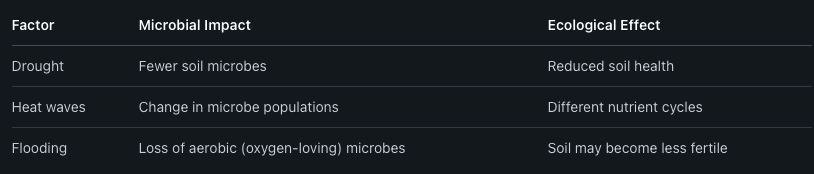
Microbial change can shape how well ecosystems can adapt to climate change.
Phytoremediation, Drought, and Inoculants
Phytoremediation uses plants and microbes to clean up polluted land and water. Some bacteria break down harmful chemicals, while others help plants take in more water—much like colon bacteria help the body absorb water.
During drought, it is harder for plants to get water. Adding special microbial inoculants to soil can help. These inoculants are groups of helpful microbes that improve plant roots' water-absorbing ability.
Microbial Inoculants Benefits:
Increase drought resistance of crops
Help plants recover from pollution and stress
Improve soil quality and water retention
By supporting the right microbial communities, people can help plants survive drought, clean up pollution, and maintain healthy ecosystems.
Frequently Asked Questions
The bacteria in the colon help break down fiber, influence water and salt levels, and support a healthy immune response. Teachers can use hands-on activities and real-life examples to explain these connections.
How does the human gut microbiota influence water absorption in the colon?
Gut bacteria help break down certain foods, especially fibers, producing byproducts that affect how much water the colon keeps or loses. Some bacteria create short-chain fatty acids that help pull water into the colon and keep waste soft.
What teaching strategies are effective for explaining the role of colon bacteria in nutrition and digestion?
Visual models and diagrams can help students understand the colon and bacteria. Using experiments with foods high in fiber and showing how bacteria react helps students see changes in water absorption.
Using stories about digestion from real-life meals also makes the concepts easier to relate to.
What role do symbiotic bacteria play in maintaining gut health and homeostasis?
Symbiotic bacteria help keep harmful germs out by using up food and space. They produce substances that support the colon’s lining and keep water levels balanced.
These bacteria also help with breaking down foods and making vitamins that the body needs.
How does the symbiotic relationship between colon bacteria and the host affect immune system function?
Colon bacteria help train the immune system to tell good bacteria from harmful ones. They support the mucus barrier, which stops germs from getting into the body.
Some bacteria also produce chemicals that reduce swelling and help control the immune response.
Can you describe the interaction between dietary fibers and colon bacteria in water absorption processes?
When fibers reach the colon, bacteria break them down and create short-chain fatty acids. These acids help draw water into the colon but also help absorb salt.
This process keeps stools soft and helps prevent constipation.
How do symbiotic gut bacteria contribute to the prevention of gastrointestinal diseases?
Symbiotic bacteria block harmful microbes from growing in the colon. They make substances that lower inflammation and help fix the gut lining if it is damaged.
Healthy gut bacteria can lower the risk of infections, constipation, and even some types of colon disease.


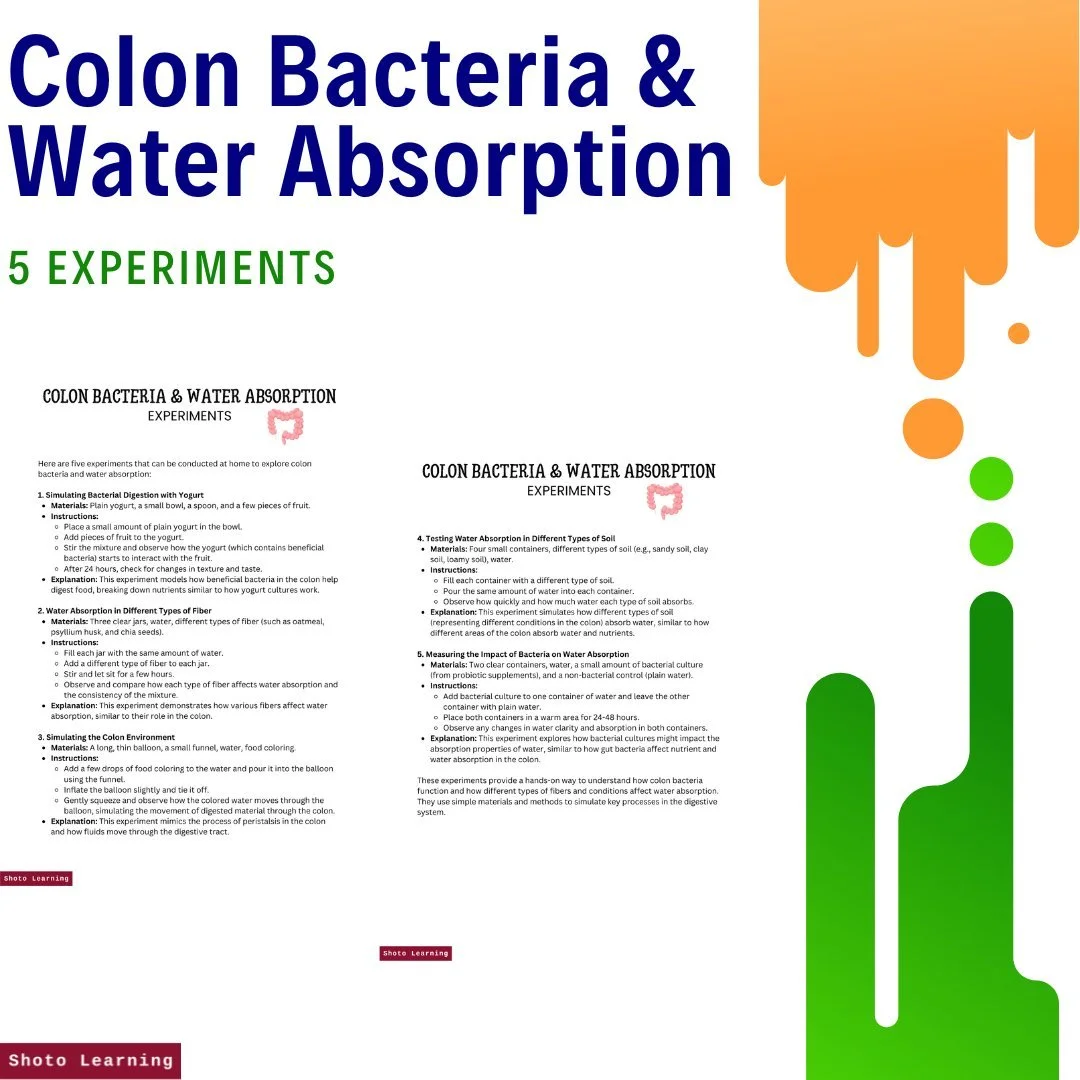


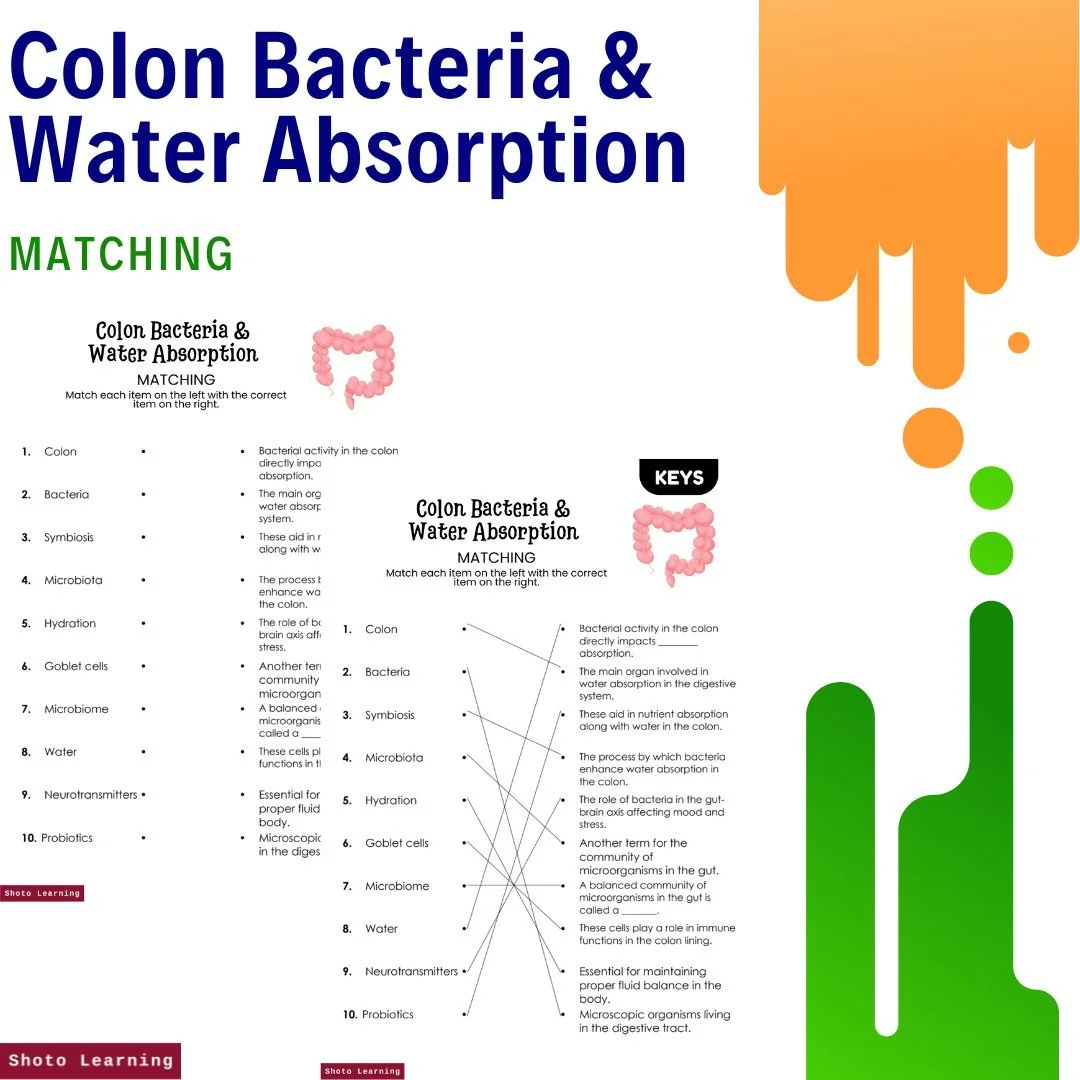

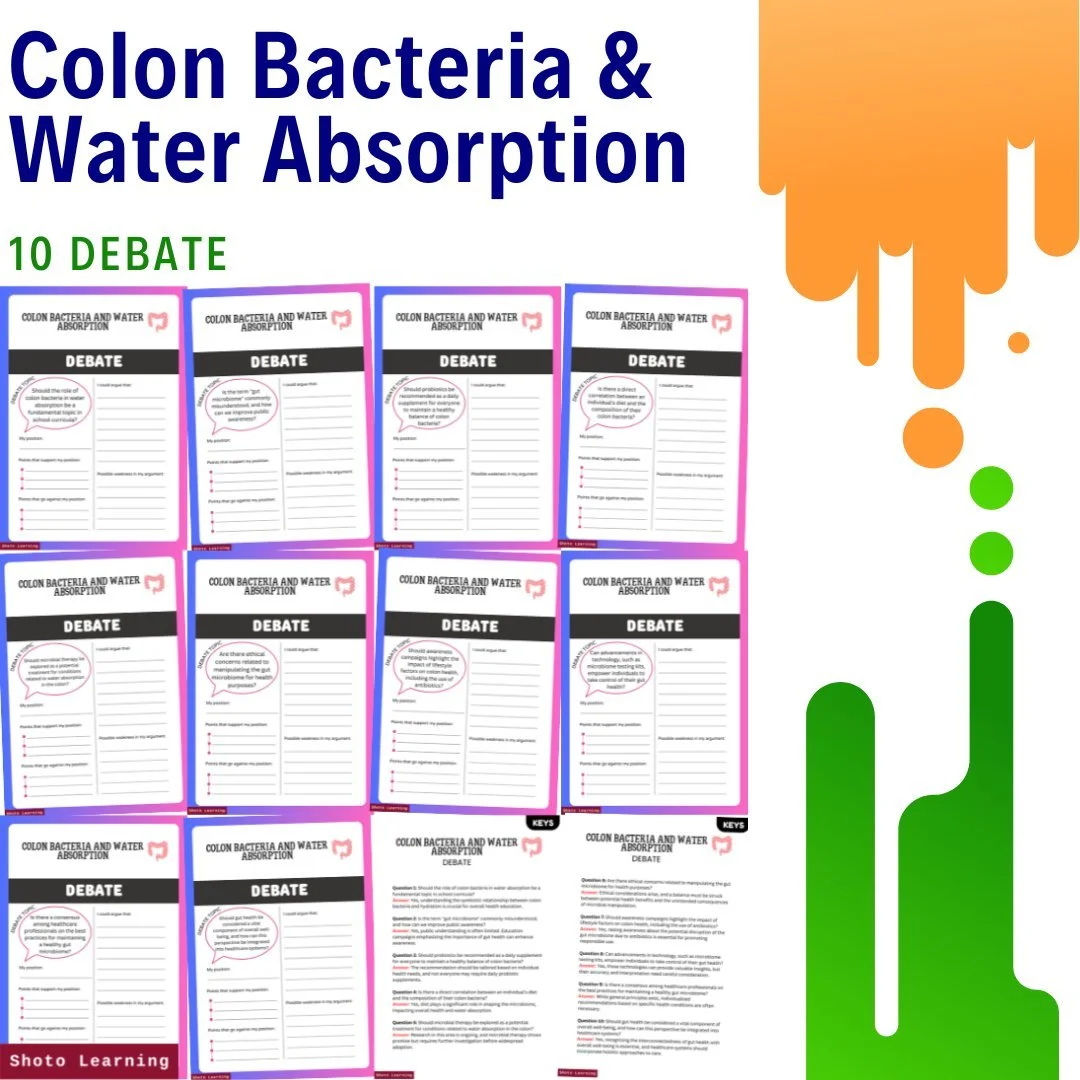


Embark on an exciting educational journey into the world of Colon Bacteria and Water Absorption with our comprehensive bundle. Immerse yourself in the intricate details of the colon's ecosystem and its role in water absorption. This bundle is meticulously designed to provide a thorough exploration of the subject, offering a diverse set of engaging worksheets. Here's what this mastery bundle includes:
Included Worksheets:
Assignments: Embark on 10 stimulating assignments covering diverse topics, encouraging critical thinking and practical application of knowledge.
Bingo (30 cards): An interactive way to reinforce key concepts.
Crossword: Challenge yourself with puzzles that test and expand your vocabulary.
Cryptogram: Decode the secrets of Colon Bacteria and Water Absorption in this intriguing worksheet.
Debate: Stimulate critical thinking by exploring and discussing different perspectives.
Experiments: Explore hands-on experiments illustrating fundamental principles across various disciplines, fostering deeper understanding and engagement.
Fill in the Blank: Reinforce learning through this classic worksheet format.
Flashcards: Solidify knowledge with quick, bite-sized information.
Free ABC Order: Practice alphabetizing while learning essential terms.
Free Maze Worksheet: Navigate through a maze activity for visual learners.
Free Poster: Decorate your learning space with a visually appealing poster.
Lesson Plan: Dive deep with our detailed lesson plan, complete with engaging activities and discussion topics.
Matching: Connect terms with their corresponding definitions for deeper understanding.
Missing Letters: Challenge yourself to fill in the blanks with this engaging worksheet.
Multiple Choice: Assess your knowledge with a variety of multiple-choice questions.
PowerPoint: Visualize Colon Bacteria and Water Absorption through an informative presentation.
Questions and Answers: Reinforce learning with a comprehensive Q&A session.
Reading Comprehension: Sharpen reading skills with engaging passages, perfect for students and educators alike.
Scramble: Unscramble terms to reinforce memory and spelling.
Test (45 minutes): Assess your understanding with a timed examination.
True or False: Test your knowledge with this classic worksheet format.
Word Search: Discover and circle key terms in a delightful word search puzzle.
Writing Prompts: Encourage creative thinking and written exploration.
Why Choose the Colon Bacteria and Water Absorption Mastery Bundle?
This bundle isn't just a collection of worksheets; it's a holistic learning experience. Whether you prefer visual aids, interactive games, or traditional study methods, our bundle has something for everyone. Ideal for students, educators, or anyone eager to unravel the mysteries of Colon Bacteria and Water Absorption. Elevate your understanding with this all-encompassing bundle!
125 pages
Order your copy today!