
Teaching Cahto: Preserving a Native Language Through Community-Led Education
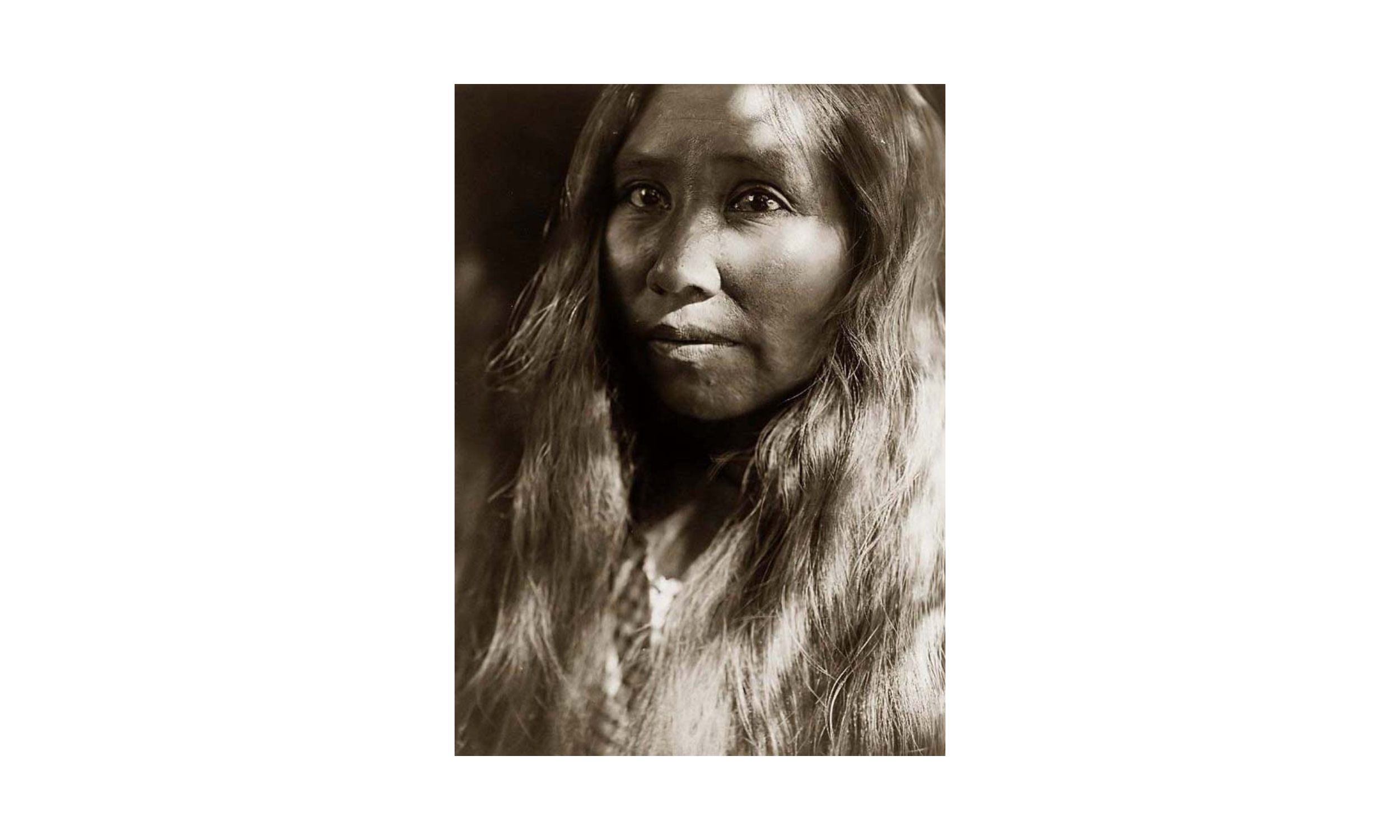
Teaching the Cahto language is a key step in saving the culture and history of the Cahto people. Many Native languages, like Cahto, are at risk of disappearing as elders pass away and fewer young people learn to speak them. By working to keep Cahto alive, families and communities can connect with their roots and share important stories.
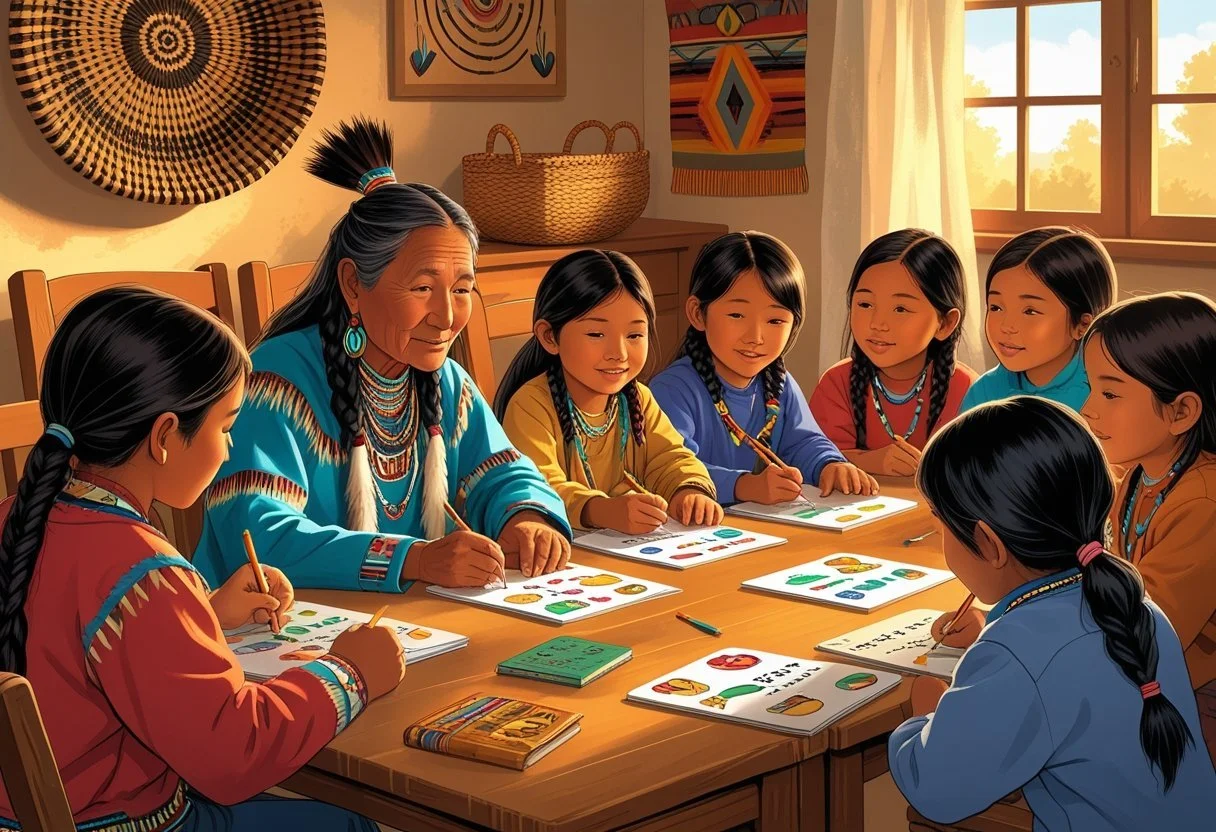
Anyone interested in language or culture can see the value in helping a language survive. Teaching Cahto takes time, effort, and creative ideas, but every new learner helps the language stay strong. Success often comes from people working together, sharing resources, and practicing the language in daily life.
Key Takeaways
Teaching Cahto helps protect culture and history.
There are challenges, but creative methods bring success.
Community effort keeps the language alive.
The Importance of Teaching the Cahto Language
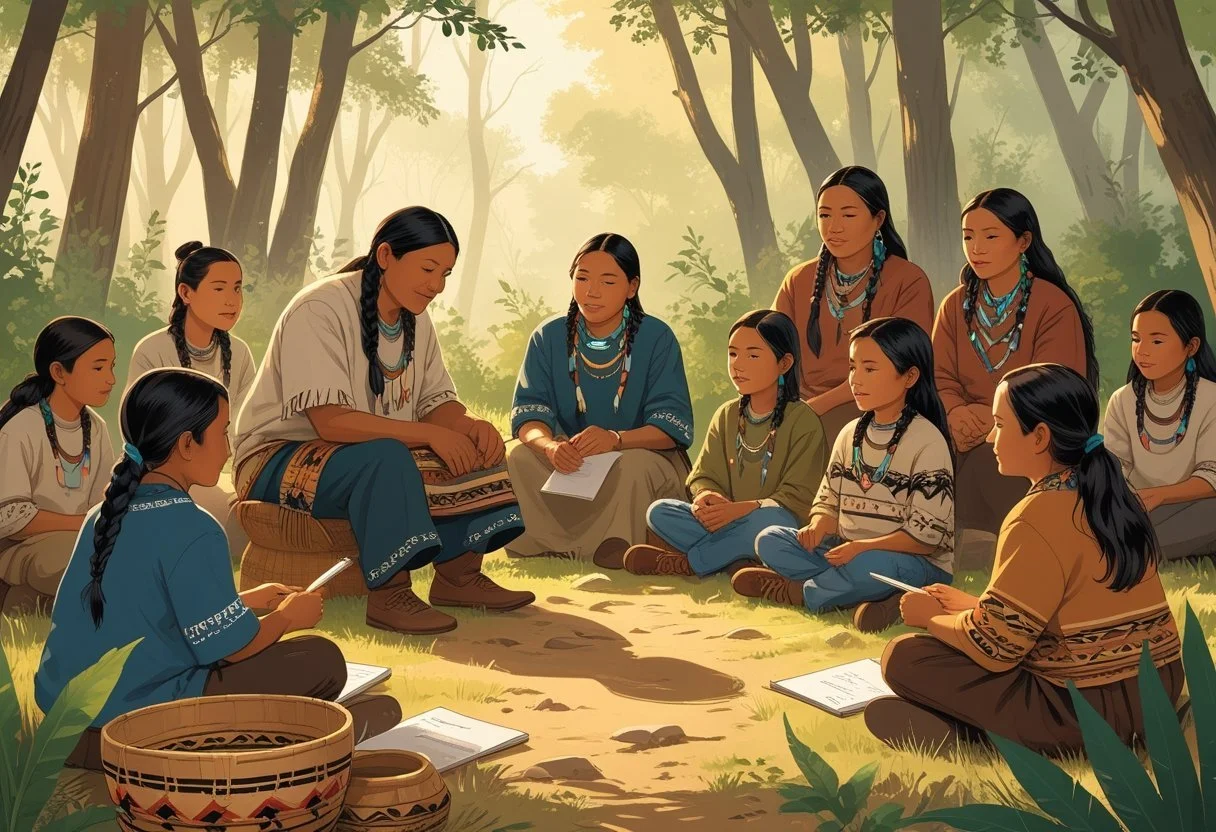
Teaching the Cahto language strengthens the Cahto community by supporting language preservation, cultural identity, and active participation from all ages. Focused teaching methods help connect elders, youth, and educators, building a strong foundation for the future.
Language Revitalization Efforts
Language revitalization means bringing a language back into daily use. For the Cahto language, this includes creating dictionaries, recording native speakers, and teaching the language in schools or community classes. Many indigenous languages, like Cahto, face the threat of becoming extinct if they are not spoken and taught regularly.
Key activities in language revitalization:
Developing learning materials: Cahto workbooks, word lists, and online tools.
Classes: In-person and online lessons for all ages.
Recording elders: Collecting stories, songs, and conversations.
These efforts allow younger generations to hear native speakers and practice real conversations. Without these steps, important words or grammar can be lost. Strong language revitalization programs also help raise awareness of the language outside the tribe.
Cultural Identity and Heritage
The Cahto language is a core part of the tribe's heritage. Speaking Cahto connects people to their history, values, and land. Many traditions, such as storytelling and ceremonies, use the native language to pass down knowledge in its original form.
When people learn their ancestral language, they gain a sense of pride and belonging. This connection often leads to higher self-esteem and deeper respect for elders who are fluent speakers. The Cahto language contains expressions and ideas that cannot be directly translated into English, making it important to teach the language itself, not just the meaning.
Examples of cultural practices linked to language:

Teaching the language keeps these practices alive and meaningful in the community.
Community Support and Involvement
Community support is necessary for keeping the Cahto language active. Involvement can include attending classes, encouraging children to speak Cahto at home, or volunteering with language programs. When families and elders participate, the language is more likely to be used every day.
Local schools and tribal organizations often work together to provide resources. Community events, such as language nights or cultural fairs, give people a place to use and practice Cahto together.
Ways the community can support language teaching:
Attend language classes
Share stories in Cahto at home
Help create teaching materials
Regular support from the community also helps attract funding and resources. Together, these actions make the Cahto language more visible and valued.
Historical Context of the Cahto Language
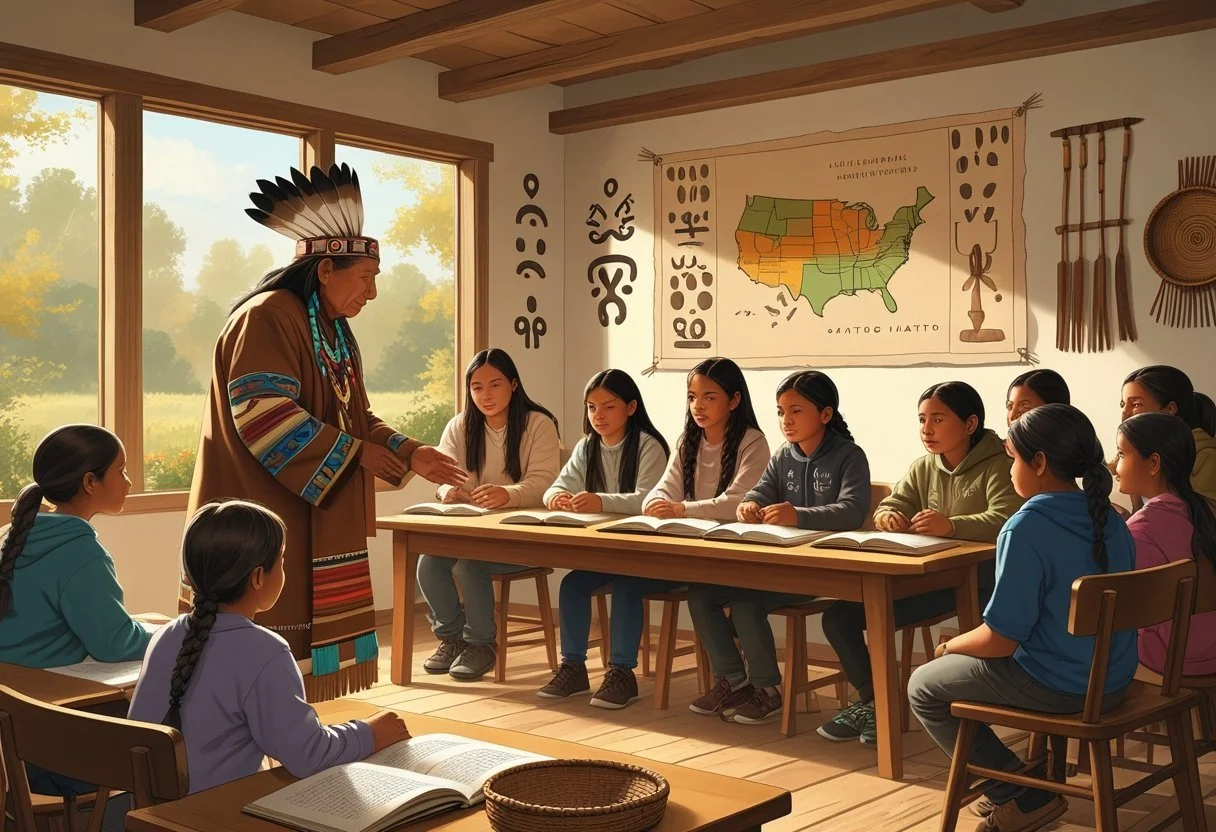
The Cahto language has faced serious threats due to past education policies and forced assimilation. Key government actions and policies shaped the way the Cahto language was lost and later revived.
Impact of the Indian Boarding School Era
Indian boarding schools were created in the late 1800s in the United States. These schools aimed to erase Native languages and cultures. Cahto children were separated from their families and sent far from home.
Teachers and staff punished students for speaking the Cahto language. This led to many children being afraid to speak it, even at home. The knowledge of the language was not passed to younger generations.
These actions caused a rapid decline in the number of Cahto speakers. Many elders remember how this period damaged their connection to their culture and language. The effects are still felt in the community today.
Role of the Bureau of Indian Affairs
The Bureau of Indian Affairs (BIA) controlled Native American education for much of the 20th century. It supported boarding schools and later ran day schools on reservations. The main focus was to teach English, not native languages like Cahto.
The BIA hired teachers who rarely spoke or understood Native languages. This choice made it even more difficult to use or learn Cahto in a school setting.
Curriculums under the BIA discouraged connections to native history and language. As a result, many Cahto children grew up with little understanding of their own language and traditions.
Changes in Education Policies
In the late 1960s and 1970s, federal policy shifted to support Native control over education. The Department of Education and tribal leaders began new programs to teach and preserve native languages, including Cahto.
Tribal immersion programs and language classes started to appear. Local schools and the Cahto Tribe worked together to help young people reconnect with Cahto language and culture.
More recent laws, like the Native American Languages Act, have provided resources for language restoration. These changes have made it possible for some young Cahto people to learn their heritage language again and pass it on to the next generation.
Challenges in Cahto Language Preservation
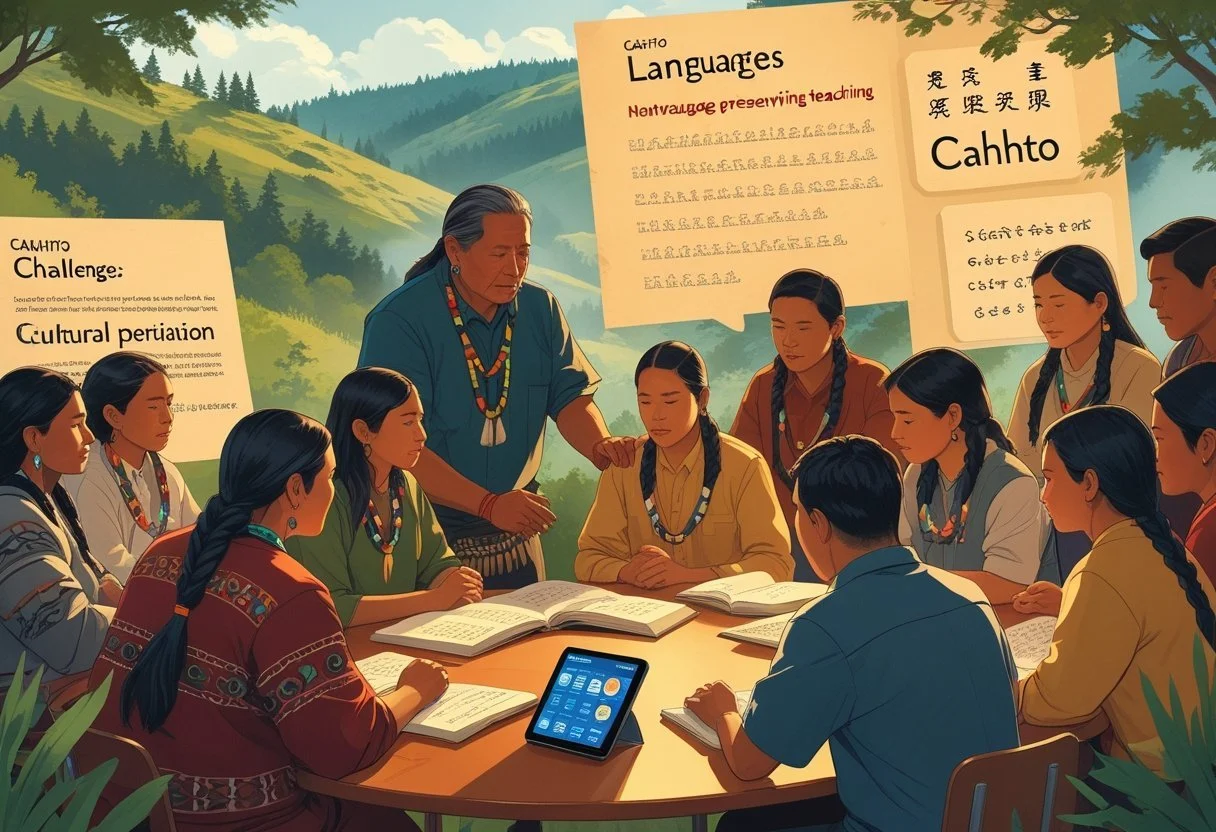
Preserving the Cahto language faces obstacles related to both the number of fluent speakers and the ability to teach new learners. Issues include an aging speaker population, changes in language habits, and the lack of learning resources and teachers.
Decline of Fluent Speakers
The Cahto language has very few fluent speakers left. Most of them are elders, and some are the last in their families who can speak it well. As the speakers age, the risk of losing their knowledge grows.
Few young people today speak Cahto at home or in daily life. Without regular use, fluency can fade quickly. The small speaker pool also makes it harder to record or document natural conversations.
Efforts to record stories, vocabulary, and pronunciations are difficult when there are only a handful of speakers. Once a fluent speaker passes away, their language skills and cultural knowledge may be lost forever.
Generational Language Shift
Many younger members of the Cahto community now mostly speak English. This shift often began generations ago when elders were encouraged or required to use English at school or work.
Language is often passed from parents to children at home, but when parents use less Cahto, learning slows down. Sometimes parents want their children to learn English well to succeed outside the community.
This trend means fewer children are hearing or practicing Cahto every day. Over time, this leads to entire generations lacking strong language skills, making preservation much harder.
Barriers for Second-Language Learners
It is challenging to become a second-language learner of Cahto. There are few teachers, and materials like books, audio recordings, or online lessons are limited or missing.
Second-language learners may struggle with pronunciation and grammar because they have little chance to hear fluent speakers. Lessons and classes may not be available in their area, especially for those living outside the community.
Common obstacles include:
Limited resources: Few language textbooks or guides exist.
Lack of practice: Hard to find others to speak with.
Motivation: Learning can feel tough if progress is slow or there are few opportunities to use the language.
A shortage of structured courses or language apps means interested learners must rely on elders or basic word lists, which makes progress slow.
Effective Methods for Teaching Cahto
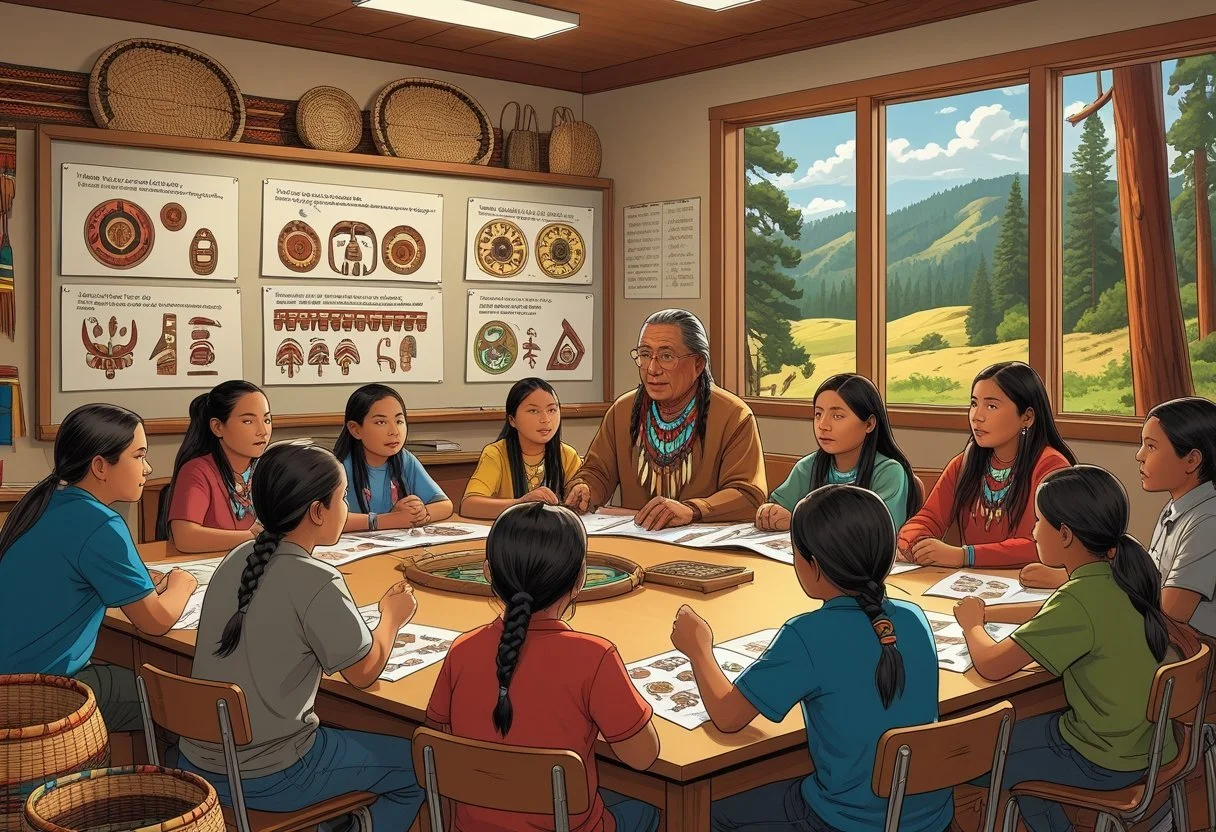
Teaching Cahto requires approaches that help learners use the language daily and connect it to their culture. Successful strategies include school immersion, community lessons, and using technology to make learning accessible.
Immersion Schools and Programs
Immersion schools let students learn Cahto by hearing and speaking it throughout the day. Classes are often led by fluent speakers, sometimes with support from elders. These programs teach subjects like math or science using Cahto instead of English.
This environment helps language acquisition because children practice speaking and listening to Cahto naturally. Students become comfortable using the language in different settings. Patience is important, as becoming fluent can take time.
Teachers use songs, stories, and activities to keep students engaged. Many immersion programs include lessons about Cahto traditions and stories, helping students connect words to real-life experiences.
Benefits of immersion:
Daily language use
Learning through real-life situations
Strong connection to culture
Community-Based Language Classes
Many people learn Cahto in community groups or evening classes. These classes are usually open to all ages, including adults and elders. They are often led by community members who are fluent speakers.
Key features:
Focus on speaking and listening
Use of simple conversations and greetings
Group activities and games to build confidence
Community classes encourage learning in a friendly, low-pressure setting. There is often an emphasis on patience. Learners can go at their own pace and get help from others. This approach also helps keep the language visible in daily life, not just in schools.
These classes sometimes meet in community centers, libraries, or even people’s homes. Food and traditional crafts can be included, strengthening social bonds and making learning more enjoyable.
The Role of Technology in Education
Technology has become a helpful tool for teaching Cahto. Mobile apps, online videos, and audio recordings make language resources more widely available. These resources let learners practice sounds, spelling, and speaking outside of class.
Ways technology helps:
Language apps: Practice vocabulary and pronunciation
Websites: Access to grammar guides and story recordings
Video calls: Reach learners who live far from Cahto-speaking communities
Online platforms allow learners to study at their own pace, which is especially useful where trained teachers are few. Some families use technology for language games or to review lessons together. Technology also helps record elders’ stories, so cultural knowledge is not lost.
Cahto Language Learners: Strategies and Success Stories
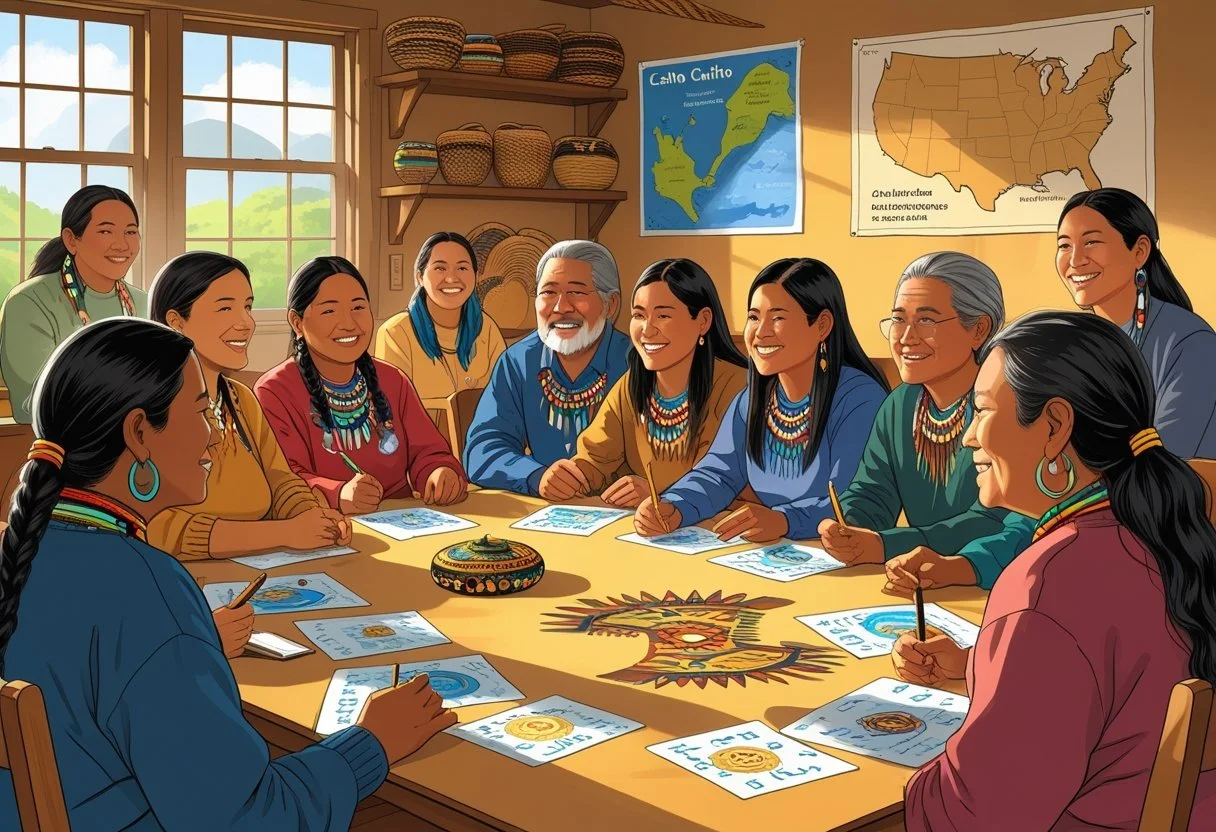
Learning Cahto is challenging, but many find ways to succeed by building support systems and focusing on steady progress. Practice, encouragement, and teamwork all play important roles in helping learners grow confident in their skills.
Supporting New Language Learners
Many new Cahto learners benefit from joining small study groups. In these groups, they can practice vocabulary and phrases together. Elder speakers sometimes volunteer their time to help, offering guidance and answers to questions.
Language classes often use visual aids like flashcards, posters, and videos. These materials make it easier for students to remember new words. Some families create word walls at home with common Cahto terms used for daily objects and activities.
Below is a simple table of common support methods and why they help:

Encouraging Patience and Persistence
Learning Cahto takes time and patience. Many students make mistakes when speaking or writing, especially at the start. Teachers remind learners that errors are a normal part of the process.
Success stories highlight how learners who keep practicing see improvement after weeks or months. Some set small goals, like learning five new words each week. Others record themselves speaking, so they can listen and notice how they get better.
Persistence is key. When a student feels stuck, it helps to review past lessons and ask for help from a peer or mentor. Staying positive and patient leads to better results than rushing or comparing progress to others.
Building Intergenerational Connections
Sharing language between generations is important in Cahto learning. Elders often know traditional stories and songs that aren't written down. Younger learners invite elders to gatherings or video calls to hear these lessons and ask questions.
Family language nights are common. Older and younger members practice simple conversations and traditional greetings together. This helps children and parents learn alongside each other, and it gives elders a chance to pass on their knowledge.
Special storytelling sessions also play a role. Young people record these sessions with permission to help remember phrases and stories. The sharing of language ties the community closer and passes Cahto down to the next generation.
Regional and Inter-Tribal Collaboration
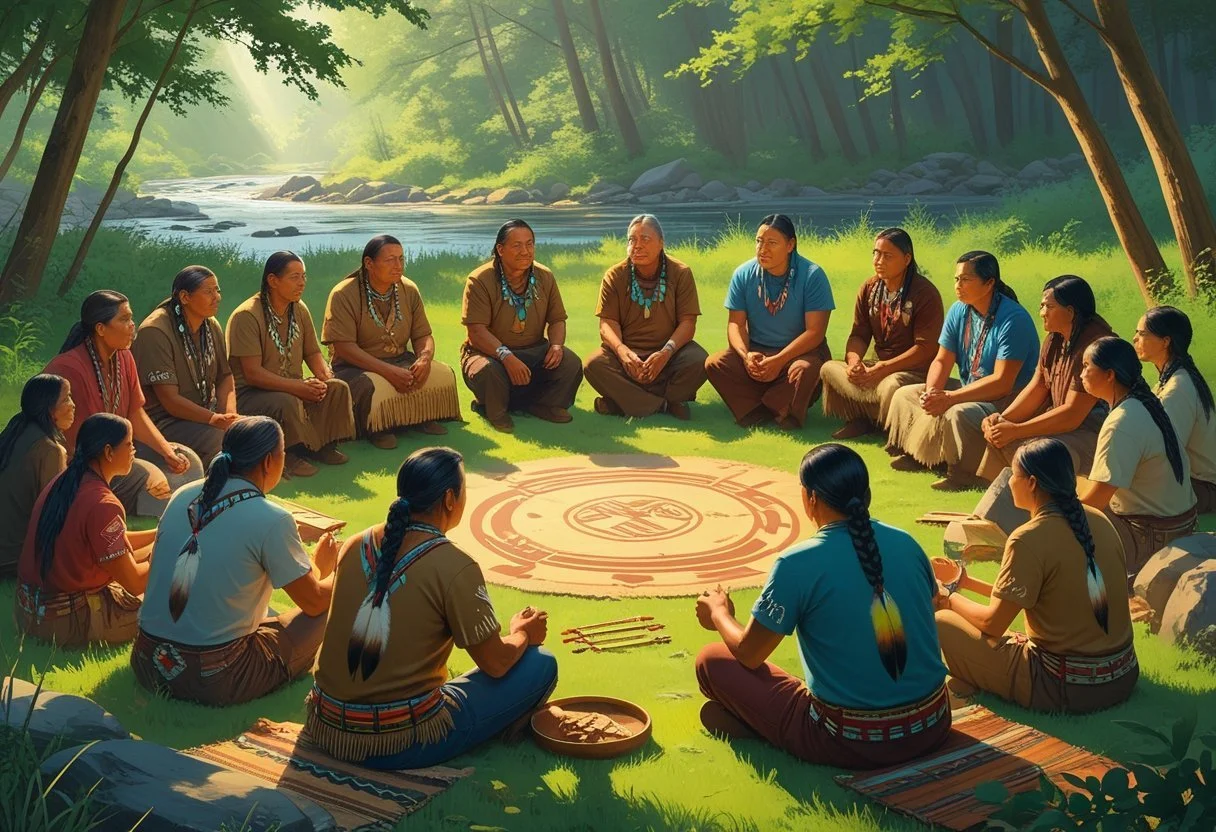
Teaching the Cahto language grows stronger when it builds links with other tribes and language programs. Working together helps share resources, strategies, and hope for Native languages across California, Oklahoma, and Alaska.
Connections with neighboring Indigenous Languages
Cahto shares history and land with several other Indigenous groups. In Mendocino County, California, tribes such as the Pomo and Yuki also work to keep their languages alive. These communities often face similar challenges, including limited fluent speakers and a lack of written materials.
Collaboration between tribes helps make learning resources, such as word lists, storybooks, and audio recordings. By pairing up, they host regional language camps and workshops. These events let elders from different tribes share teaching methods and cultural stories. Connections like these grow respect and understanding among young learners.
Often, collaboration includes joint advocacy for grants and support. When tribes unite, they are more likely to receive funding from state and federal programs focused on Indigenous languages.
Comparisons to Hupa Language Revitalization
The Hupa language, spoken in northern California, has one of the better-known revival efforts in the region. Hupa programs focus on immersion classes, where students only use the language in lessons, and master-apprentice programs that pair elders with learners.
Cahto teachers study Hupa’s methods to see what can work for their own classes. For example, Hupa recordings of traditional stories and vocabulary have been used as models by Cahto organizers. The Hupa tribe also works with neighboring tribes such as the Yurok and Karuk to share ideas.
These comparisons show that success often depends on steady teamwork and frequent communication between teachers and learners. By looking at Hupa’s progress, the Cahto language program can adjust its own strategies and avoid common problems.
Collaborative Educational Initiatives
Many communities run programs that bring together tribes from California, Oklahoma, and even Alaska to share teaching tools. For example, the Breath of Life Workshop in California helps people learn their ancestral language by using archived material and connecting them with linguists and elders.
Types of collaborative initiatives include:
Immersion camps: Organized to teach through daily activities
Resource sharing: Swapping lesson plans and audio files
Inter-tribal conferences: Where participants share updates and best practices
Having access to a wider network means teachers and learners get support and motivation. These partnerships build a stronger foundation for preserving Cahto and other Indigenous languages for future generations.
Preserving Cahto Through Place and Practice
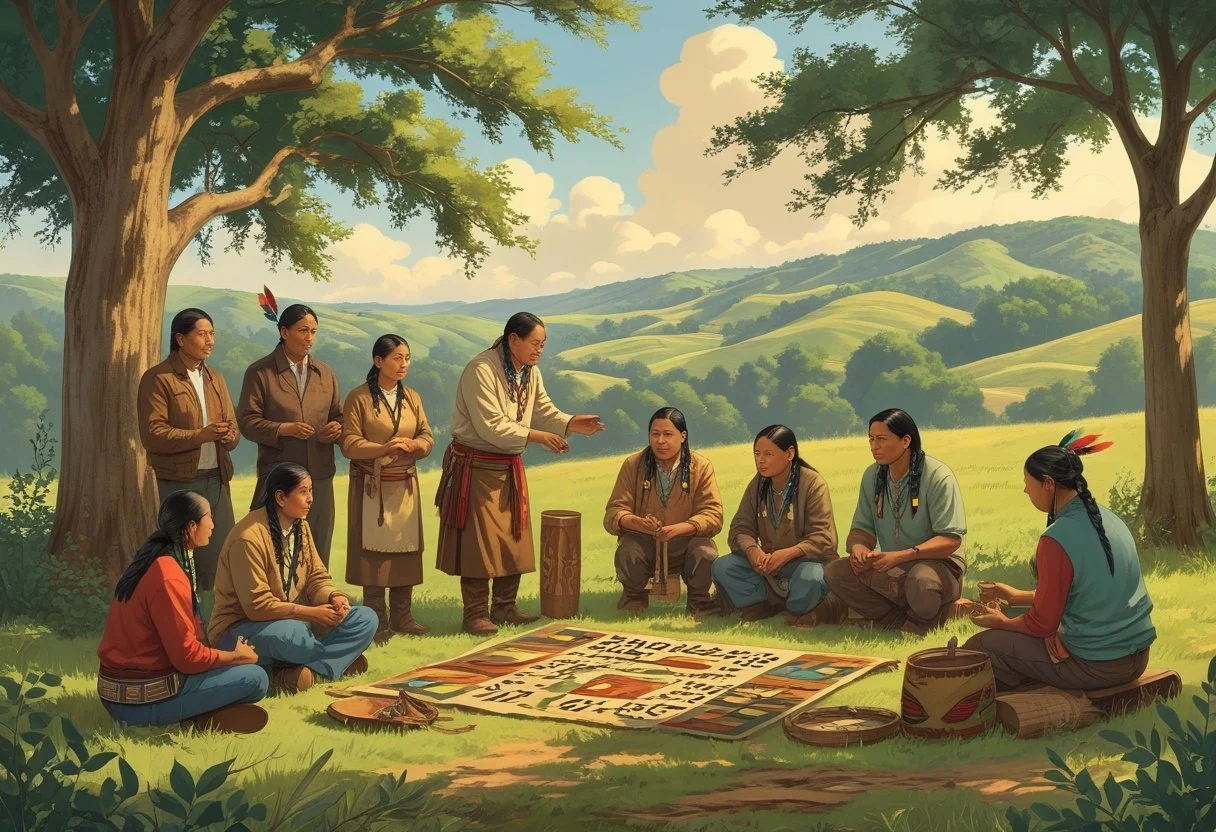
The Cahto language is closely tied to the land, daily life, and the sharing of stories. Location, traditional activities, and spoken word all help keep Cahto alive and meaningful.
Significance of California Landmarks
Cahto people have lived in northern California for thousands of years. Many lakes, rivers, and other landmarks are named in the Cahto language. These names show how the land shapes identity and history. For example, special sites like Blue Lake and surrounding regions hold deep meaning for the Cahto community.
Local place names in Cahto help children and adults remember the stories connected to each site. When elders talk about landmarks, they use old words, making it easier for new generations to learn the language. Visiting these places during lessons also helps people connect words to real experience.
Teachers sometimes use tables to compare current map names to original Cahto terms. This visual method helps students see how language, land, and culture are linked.

Language and Traditional Activities
Traditional activities are key to the survival of the Cahto language. Many verbs and vocabulary words are related to hunting, fishing, and trapping. Children learn these terms by watching adults set fish traps or gather roots.
In class, teachers often demonstrate how to make tools, name different animals, and describe steps in activities. This hands-on learning makes words stick. It covers terms for objects, actions, and even directions given in Cahto rather than English.
Examples of Cahto words used in practice:
Fish trap: daabish
Canoe: t’abat
Trap (animal): bidaa
Through regular use in daily practice, these words remain active in community life.
Oral Discourse and Storytelling
Oral storytelling is central to Cahto tradition. Elders share myths, family history, and tribal lessons in the Cahto language. These stories use unique phrases and ways of speaking that are not always in written forms. Children learn listening skills and pick up vocabulary that does not appear in school books.
Storytelling sessions happen at gatherings, lakes, or landmarks, making the practice part of both learning and culture. Each story often includes a lesson about local animals, land, or caring for the community. These sessions create time for language use and keep discourse styles alive.
Listening and retelling help younger people practice pronunciation and grammar. Sharing stories in groups supports the language’s future and honors the Cahto way of life.
Frequently Asked Questions
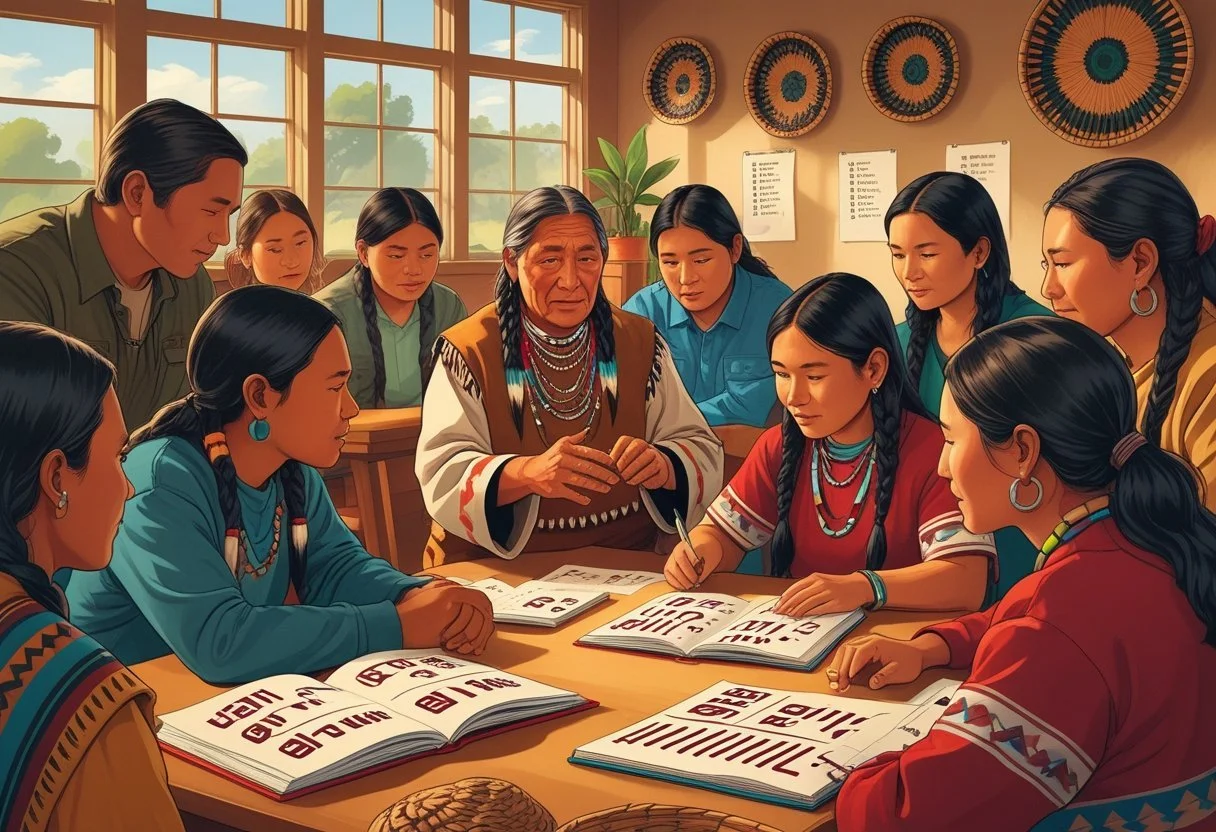
Teachers and community leaders use practical steps to help preserve the Cahto language. Community identity, technology, and support from schools all play important roles in language learning and preservation.
What are effective strategies for teaching a native language to new learners?
Teachers use methods such as immersion classes and storytelling. They often teach through everyday conversations and cultural activities. Visual aids, songs, and games help make learning more engaging and memorable for students.
How does preserving a native language contribute to a community's identity?
A native language helps people connect to their ancestors and past traditions. It passes down unique stories, knowledge, and values. When a community keeps its language alive, it strengthens pride and belonging among its members.
What are the challenges faced in revitalizing a threatened native language?
There may be only a few fluent speakers left, often older adults. Young people might prefer speaking a more common language, which can cause the native language to fade. Lack of written materials and resources also makes teaching harder.
In what ways can technology aid in the preservation and teaching of a native language?
People can use audio recordings, mobile apps, and online classes to learn and hear the language. Technology lets speakers connect even if they live far apart. Digital dictionaries and websites help share words and grammar rules with new learners.
What roles do educational institutions play in the regeneration of endangered native languages?
Schools can offer classes that teach the native language to children and adults. They can also support events like language camps or workshops. By adding the language to the curriculum, schools help more people learn and use it.
Why is intergenerational transmission crucial to the survival of a native language?
When parents and grandparents speak the language with children at home, it helps keep the language alive. Passing the language from one generation to the next is key for long-term survival. Regular use in daily life is the strongest way to prevent language loss.


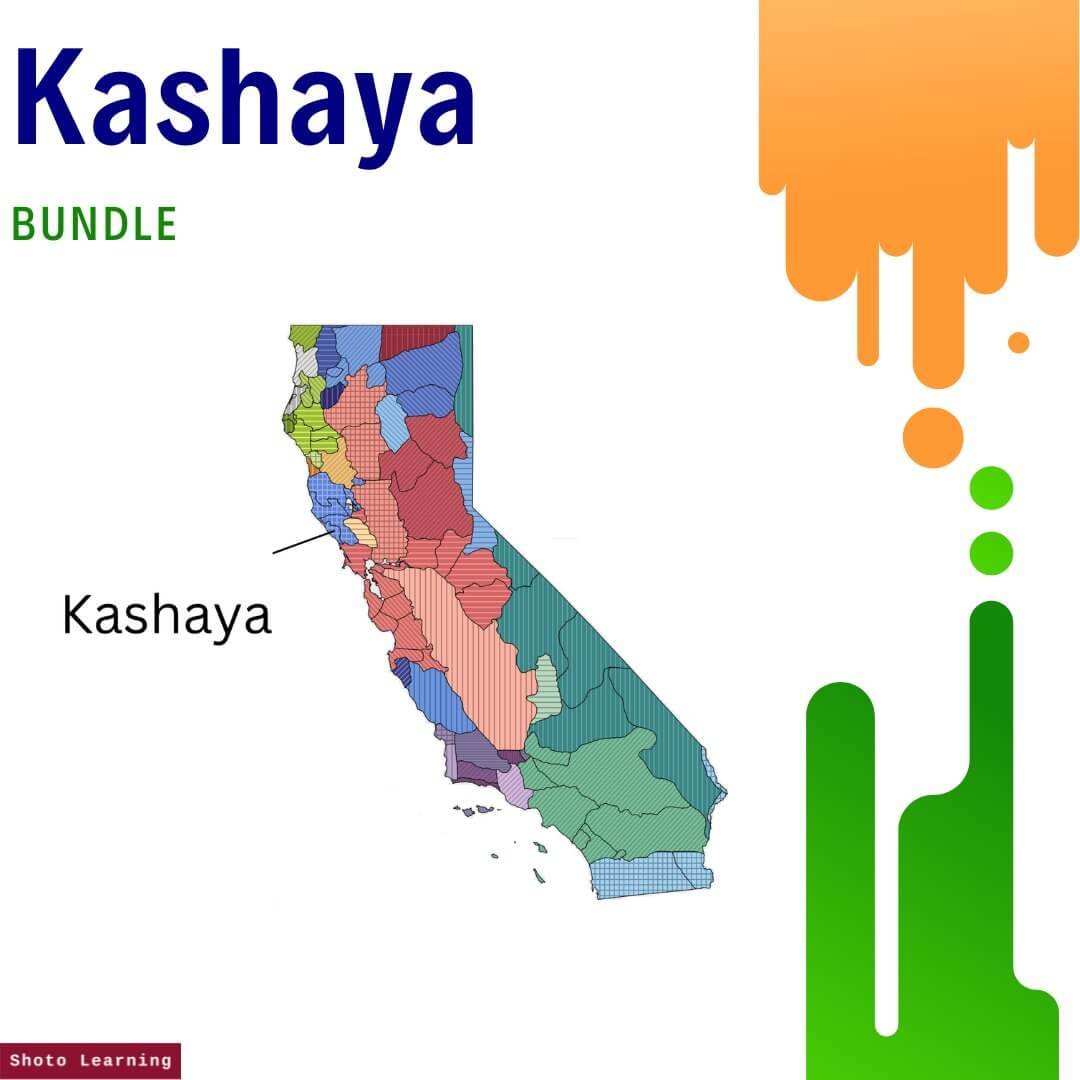





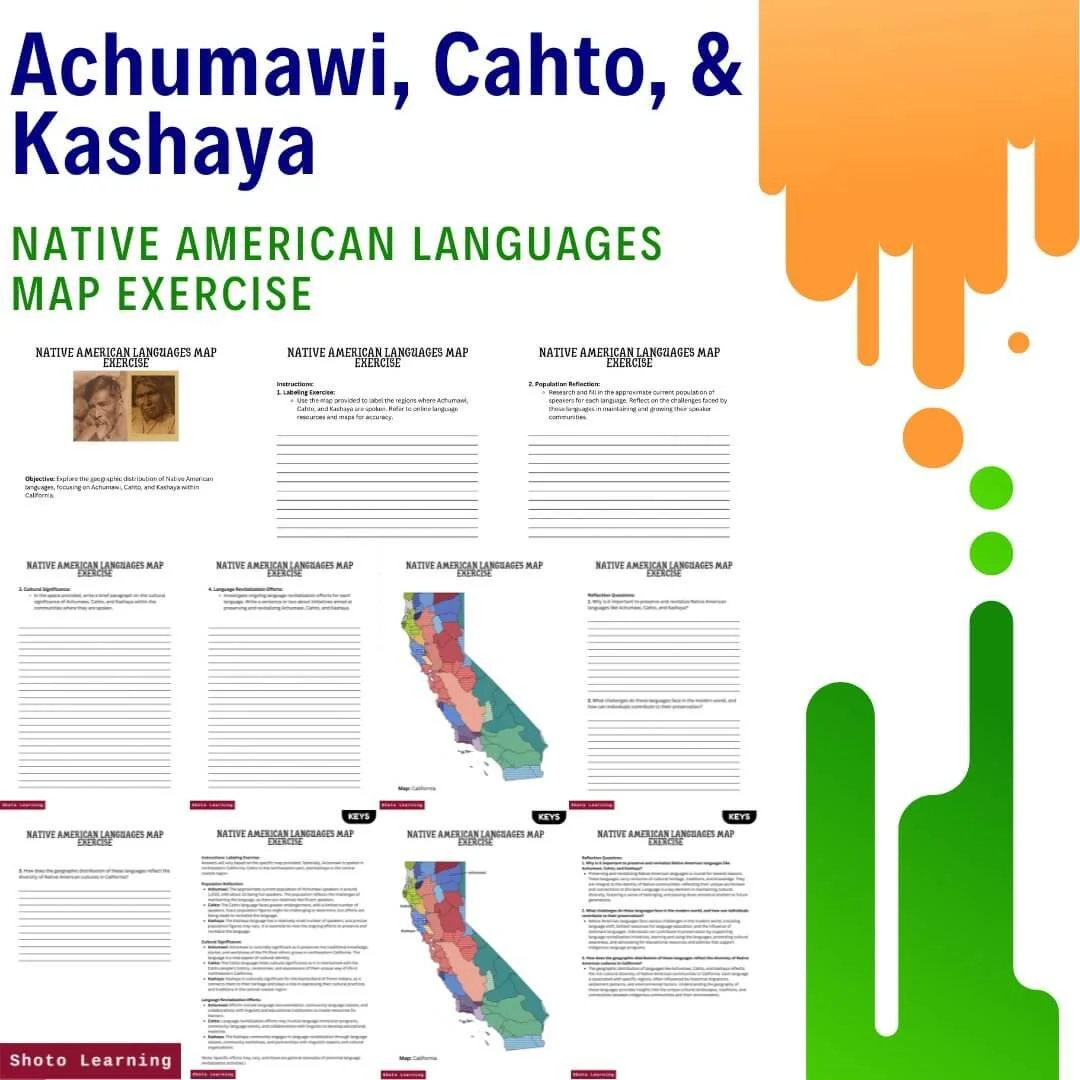


Embark on a linguistic and cultural journey through the rich tapestry of California's indigenous heritage with our exclusive "California Heritage Languages Bundle." This comprehensive package brings together three distinct Native American languages—Achumawi, Cahto, and Kashaya—providing a diverse array of worksheets to deepen your understanding and proficiency in these endangered languages.
Key Features:
1. Achumawi Essentials:
Introduction to Achumawi Vocabulary
Achumawi Numbers
Achumawi Family Terms
Achumawi Clothing Vocabulary
Achumawi and Atsugewi Heritage Language Comparison
2. Cahto Conversations:
Cahto Basic Sentences Practice
Cahto Nouns and Objects Matching
3. Kashaya Kaleidoscope:
Kashaya Food Vocabulary Puzzle
Kashaya Colors and Shapes
4. Achumawi, Cahto, and Kashaya:
Native American Languages Map Exercise
Dive into Linguistic Diversity: Explore the nuances of Achumawi, Cahto, and Kashaya languages through carefully crafted worksheets covering vocabulary, numbers, family terms, clothing, heritage language comparisons, basic sentences, nouns and object matching, food vocabulary, colors, shapes, and a captivating Native American Languages Map Exercise.
Cultural Enrichment: Each worksheet is designed not only to enhance language proficiency but also to provide insights into the cultural context of these indigenous communities. Delve into family dynamics, traditional clothing, culinary traditions, and the rich history preserved in heritage languages.
Holistic Learning Experience: Whether you're an educator, a language enthusiast, or someone passionate about preserving indigenous languages, this bundle offers a holistic learning experience. Engage in diverse activities, from sentence creation to cultural reflections and map exercises, fostering a deep connection to the heritage of California's Native American communities.
Why Choose the California Heritage Languages Bundle?
Comprehensive Curriculum: Covers a wide range of linguistic and cultural topics.
Inclusivity: Represents three distinct Native American languages from California.
Interactive and Engaging: Various exercises cater to different learning styles.
Preservation Support: Contributes to the preservation of endangered languages.
Immerse yourself in the linguistic and cultural richness of Achumawi, Cahto, and Kashaya with our "California Heritage Languages Bundle." This bundle is a valuable resource for educators, learners, and anyone passionate about preserving and celebrating indigenous languages.
52 pages
Order your copy today!