
Teaching Kashaya: Embracing the Richness of a Native Language Through Modern Education
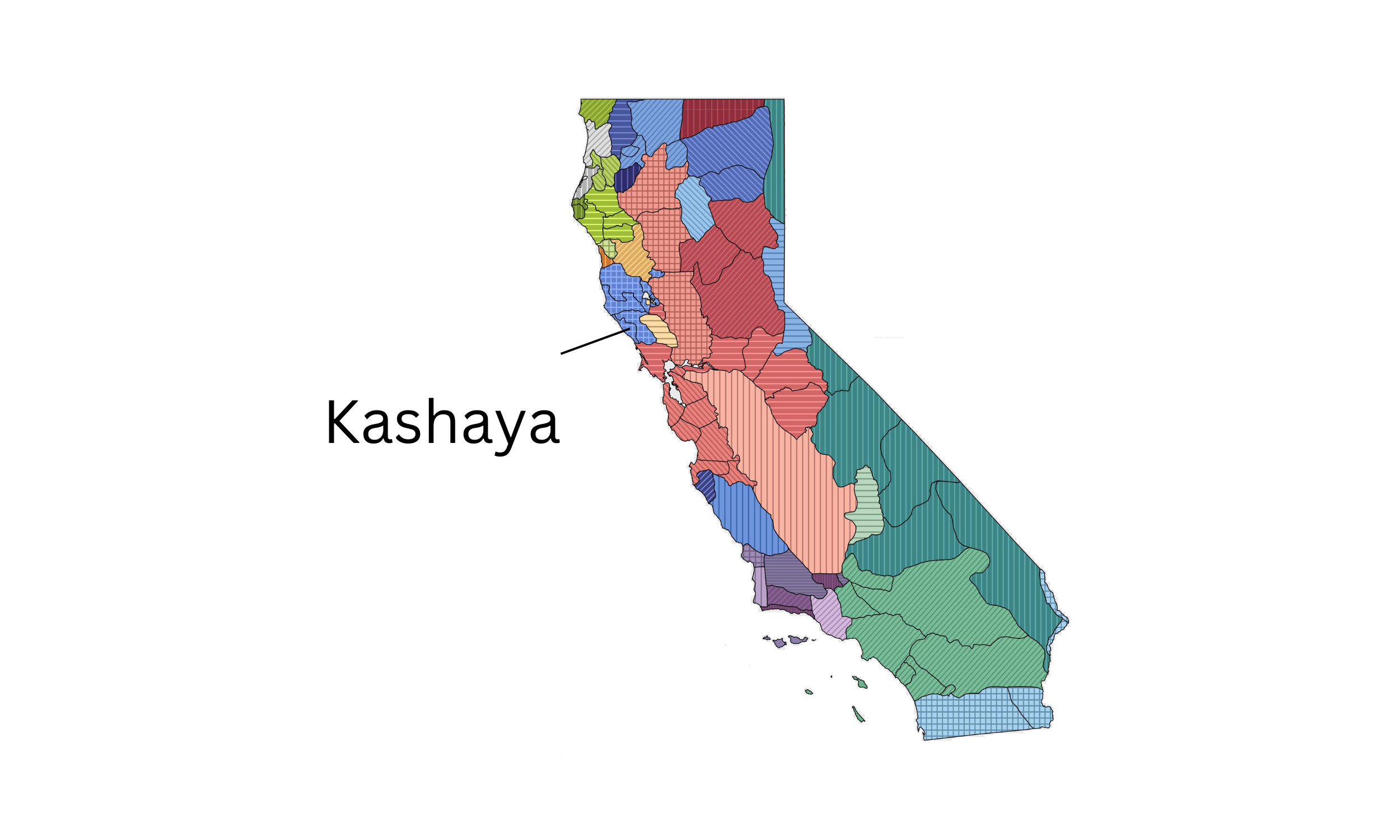
Teaching Kashaya opens the door to understanding a unique Native language and preserving cultural knowledge for future generations. Kashaya is not just a way to speak; it is a window into the history, beliefs, and traditions of its people. By learning or teaching Kashaya, anyone can take part in helping a language survive.
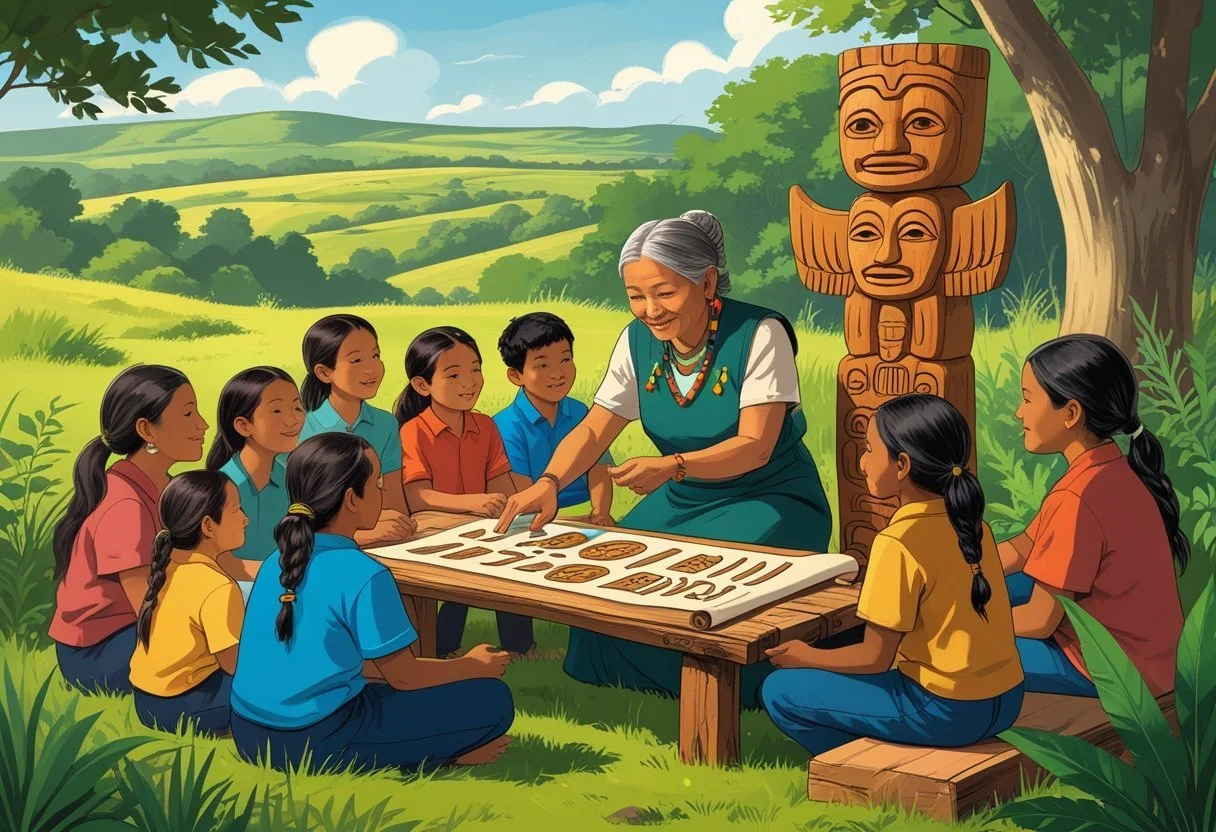
Exploring Kashaya means discovering how language shapes the lives and identities of its speakers. Readers will learn about the efforts to keep the language strong and the creative ways teachers use to share Kashaya today.
Key Takeaways
Kashaya connects language to deep cultural and historical roots.
Teaching Kashaya supports language revitalization and community identity.
There are unique methods and challenges in passing Kashaya to new learners.
Understanding Kashaya: History, Classification, and Significance
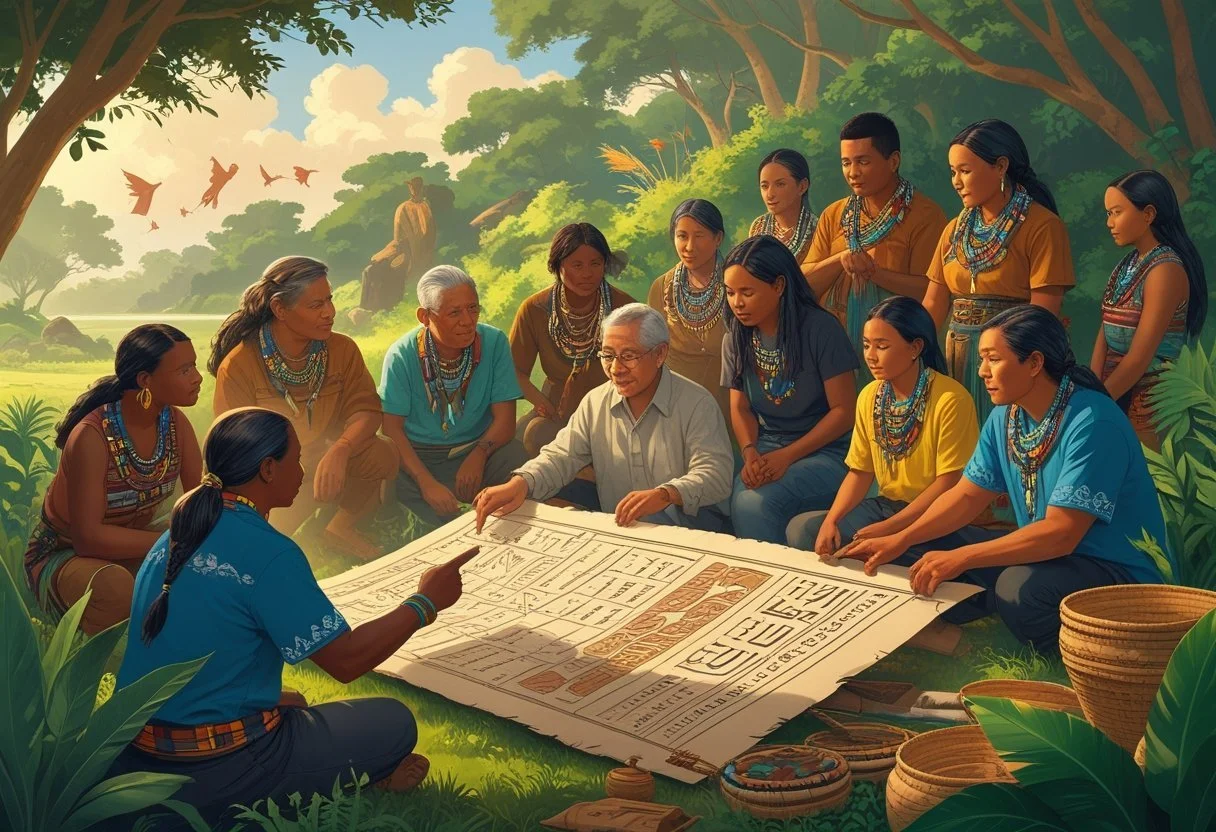
Kashaya is a Native American language with deep roots in Northern California. It offers a window into the cultural richness, linguistic complexity, and community life of the people who speak it.
Origins and Historical Context
Kashaya has been spoken for hundreds of years by the Kashaya Pomo community. Their homeland is along the scenic Sonoma County coast of California. Historical evidence suggests that the language developed long before European settlers arrived in North America.
Contact with Russian and later Anglo-American settlers began in the early 1800s. This led to big changes in daily life. Despite challenges, Kashaya speakers have kept important traditions and stories alive through their language.
Community-based research today helps document Kashaya’s history. Elders and younger members work together to keep the language active. Oral histories, songs, and place names in Kashaya record information often missing from books.
Language Classification and Family
Kashaya belongs to the Pomoan language family. This group includes seven different but related languages, all once spoken in northern California. Pomoan is a branch of the larger group of Native American languages.
Linguists classify Kashaya as the westernmost Pomoan language. It stands out from the other Pomoan languages because of its unique sounds and grammar. For example, it uses pitch to show differences between words, which is less common in other world languages.
A summary table shows where Kashaya fits:

Researchers continue to map the links between Kashaya, its relatives, and other Indigenous languages of California.
Cultural Significance Among Native American Languages
Kashaya is not only a means of communication but also a keeper of community traditions and beliefs. Through its words and grammar, it shares knowledge about plants, animals, and local geography. Much of this information is unique to the Kashaya way of life.
Songs, stories, and ceremonies are performed in Kashaya. They connect present generations to their ancestors. By passing on these traditions, the community strengthens its ties to land and culture.
Efforts to revitalize Kashaya, such as classes and language camps, reflect its importance. These activities help support identity and well-being among Kashaya people and highlight the value of Native American languages in the larger world.
The Importance of Language Revitalization and Reclamation
Language revitalization keeps Native American cultures strong by restoring languages that face endangerment. Community support and practical strategies help bring languages like Kashaya back into daily life and education.
Impact of Language Endangerment
When a language is endangered, valuable traditions, beliefs, and stories can be lost forever. This affects how people connect to their ancestors and culture. For many Indigenous communities, their language holds unique ways of thinking and understanding the world.
American Indian education programs often struggle to include Native languages because there are few fluent speakers. This makes it harder for the next generation to learn their heritage. Without action, languages such as Kashaya could disappear.
Languages carry knowledge that can’t always be translated. Losing them means losing a part of community history. Protecting endangered languages helps communities stay connected to their roots and identity.
Role of Community Support
Community support is essential for successful language revitalization. Families, elders, and teachers are important in passing on the language. Elders share words, pronunciation, and cultural meaning that books or recordings alone can’t provide.
Ways communities support language reclamation:
Organizing language classes or camps
Creating safe spaces for speaking and practicing
Celebrating language milestones together
When young people see their parents and leaders using Kashaya at events or in daily life, they feel encouraged to learn and use it. Support from the wider community makes learning the language feel important and valued.
Public schools, tribal programs, and language nests that focus on immersion often work best when communities are directly involved. Consistent encouragement helps learners keep practicing, even when it feels difficult.
Strategies for Reclamation
Reclaiming a language requires careful planning and the use of different methods. Some communities create dictionaries, audio recordings, and videos to teach pronunciation, grammar, and vocabulary. Technology lets teachers share lessons far beyond the classroom.
Immersion programs, where students hear and use the language daily, help with quick learning. Schools may offer Kashaya as a subject, or even run full language immersion classes for young children.
Key strategies include:
Recording elders speaking
Developing curriculum materials
Training new teachers in both the language and teaching skills
Grants and support from both local and federal programs often make these efforts possible. These strategies help put Kashaya back into family homes, schools, and public life.
Teaching Kashaya: Approaches and Pedagogies
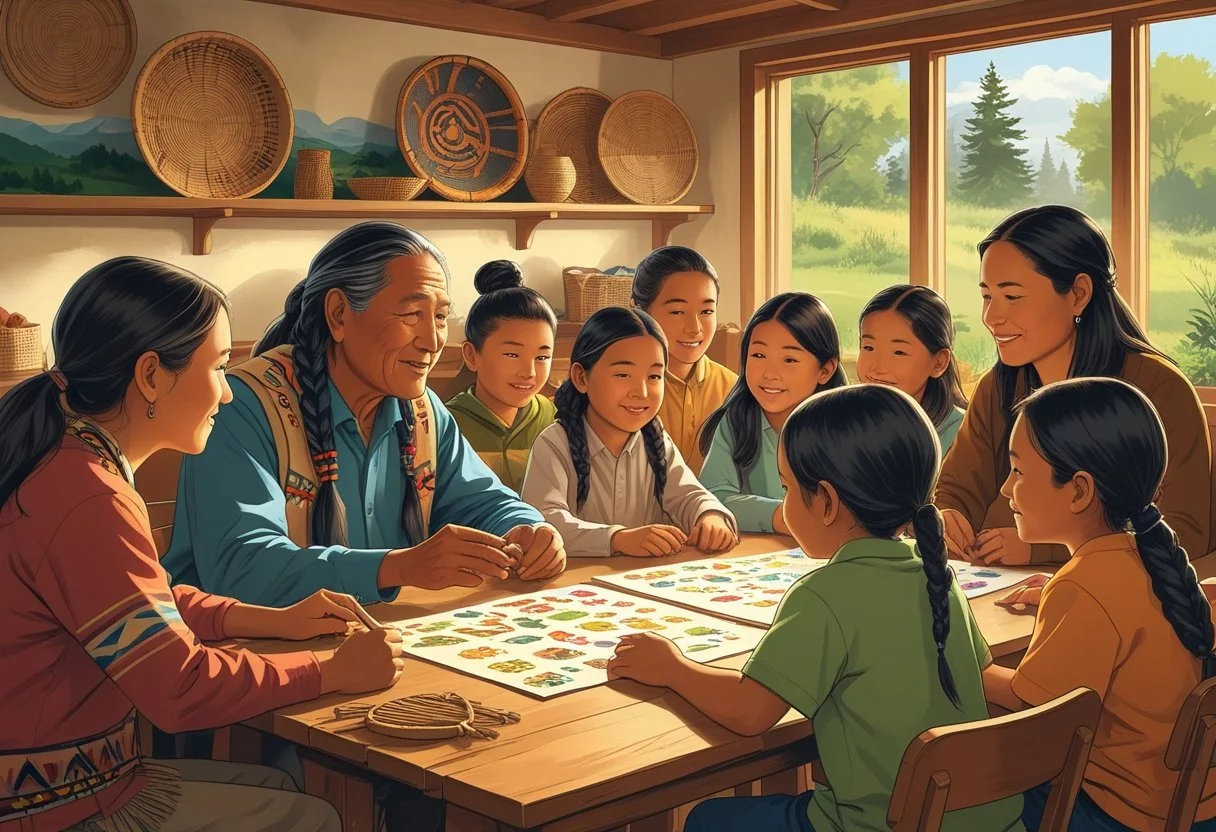
Teachers use a range of strategies to support Kashaya language learning. Combining direct instruction with hands-on practice and adapting methods for today’s classrooms are both important.
Effective Language Acquisition Methods
Direct teaching methods such as repetition, modeling, and guided dialogue support learning Kashaya as a living language. Teachers encourage learners to listen, imitate, and practice phrases in real situations. Oral traditions, including storytelling and songs, play a big role in building vocabulary and cultural knowledge.
Group discussion is essential. It helps learners practice speaking and listening in a natural setting. Role-playing and question-answer games keep students engaged and using the language. Teachers might also use:
Picture cards for word recognition
Simple conversation prompts to start basic dialogues
Peer teaching to encourage collaboration
These strategies help students develop confidence and language fluency at their own speed.
Adapting to Modern Classrooms
In today’s classrooms, technology supports Kashaya language learning. Digital tools, such as language apps and video lessons, supplement traditional teaching. Teachers use recordings of native speakers to provide accurate pronunciation and context.
Interactive whiteboards and tablets help students practice writing and reading Kashaya. Worksheets and digital flashcards reinforce new words and help with memory. Teachers often blend these tools with group work to strengthen understanding.
Flexible seating and small discussion groups make classes more interactive. Native speakers sometimes join classes, offering real-life examples and deepening students’ connection to the culture. These modern adaptations make it easier for students to access and retain Kashaya language knowledge.
Cultural Context: Kashaya Within Community Life and Discourse
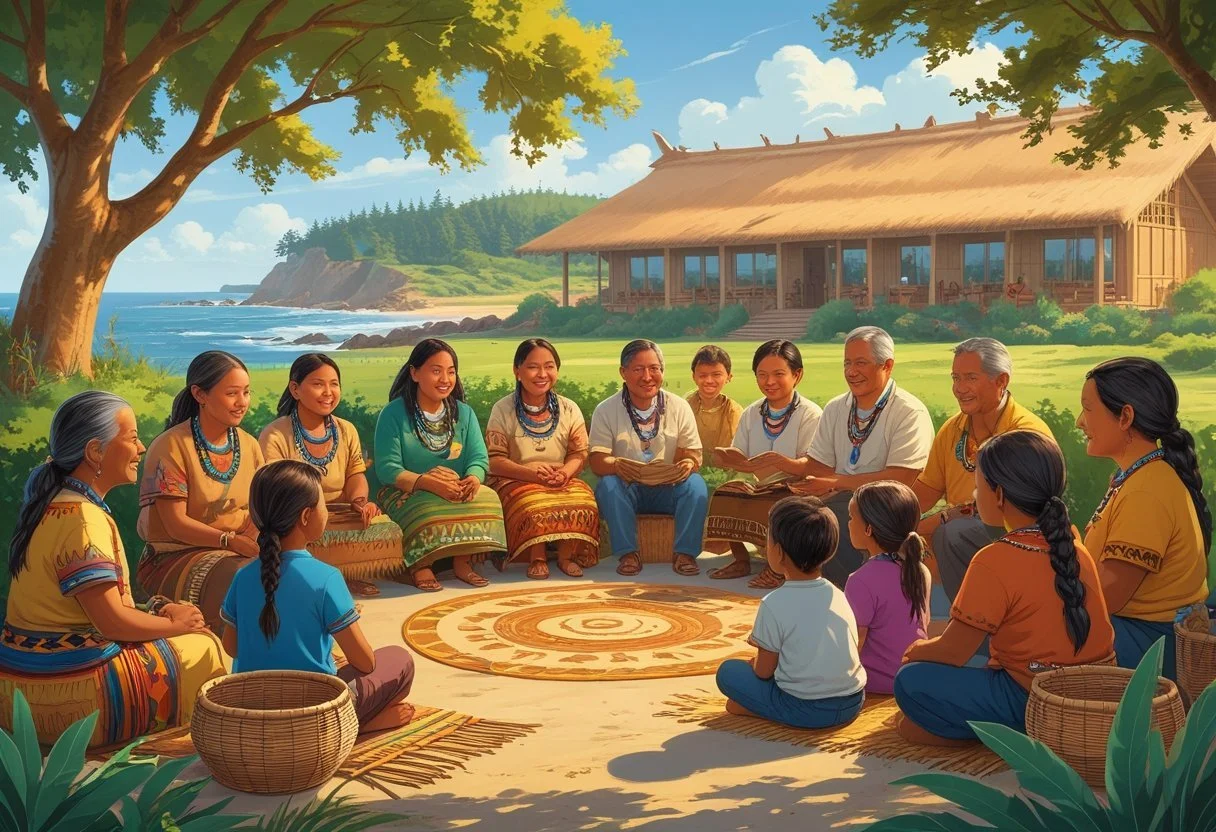
Kashaya language carries meaning beyond words. It shapes traditions, ceremonies, and how people share history in their daily lives.
Community Events and Rituals
Kashaya is spoken at gatherings such as the annual arati and archana ceremonies. These events bring together families, elders, and children to honor ancestors and support community unity. Traditional songs, prayers, and chants are performed in Kashaya, helping keep the language active among younger members.
During rituals, words related to agni (fire), ananda (joy), and akasha (sky) are often used. This connects the spoken language with spiritual and natural elements. Community-based research teams sometimes document these practices to better understand how language, ritual, and identity fit together. Key terms and traditions are passed down, strengthening ties among Kashaya speakers.
Important community milestones, such as harvesting and coming-of-age celebrations, also use Kashaya for important announcements and blessings. This formal use reinforces the meaning and respect held for the language.
Role in Storytelling and Oral Traditions
Storytelling has an important place in Kashaya culture. Stories told in Kashaya often share lessons and values, and preserve history that is not found in written records. Elders use specific phrases and expressions during storytelling sessions, teaching both language and cultural knowledge.
Oral traditions include myths, folklore, and personal stories. Many of these stories relate to how people live in harmony with nature and the spirit world, with references to concepts like akasha and ananda. By speaking in Kashaya, storytellers show the language’s full richness in tone and style.
Younger community members learn new Kashaya words and hear important discourse through listening and asking questions. This helps keep the oral tradition strong. Recording these stories has become a part of community-based research to share Kashaya knowledge both inside and outside the community.
Challenges in Teaching and Sustaining Kashaya
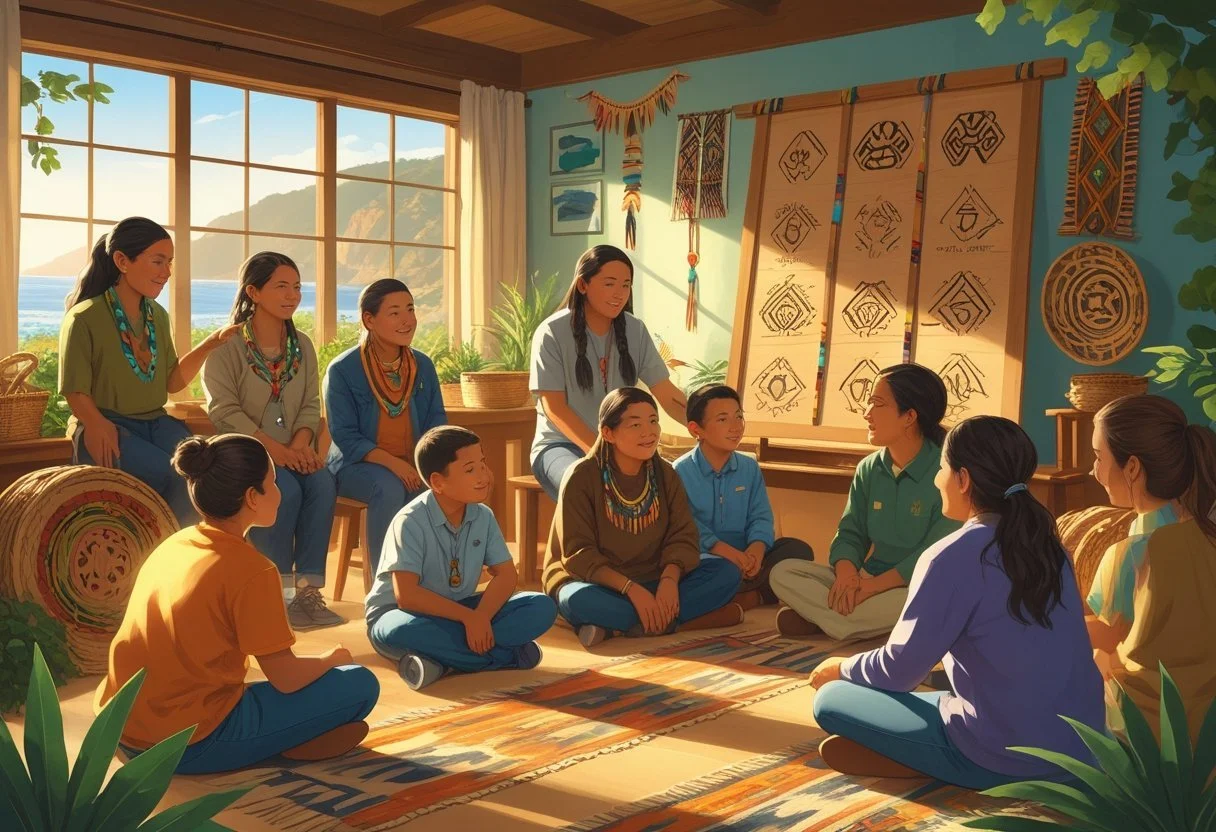
Teaching Kashaya faces several problems that affect its survival and daily use. Specific issues include outside language influence and not enough teaching materials or fluent speakers.
Erosion and Language Contact
Kashaya is at risk because more people use English and Spanish instead. Young speakers often do not use Kashaya at home or in school. This leads to language erosion, where people forget words and stop using the language.
Main reasons for erosion:
Fewer families pass the language to children.
Modern life in California increases contact with English.
School lessons are mostly in English.
Language contact changes Kashaya. Some Kashaya words now sound more like English. Certain original expressions are lost or mixed with other languages. These changes make it harder to keep Kashaya the way it was spoken before.
Addressing Gaps in Knowledge and Resources
Not enough learning materials exist for Kashaya. There are few textbooks, worksheets, or storybooks. Many lessons depend on elders, and some speakers are not confident in reading or writing Kashaya.
Important challenges include:
Lack of written resources: Writing lessons are rare and often incomplete.
Few fluent teachers: Most fluent speakers are elderly.
Limited funding: Schools and language programs do not always get the money they need.
Efforts to create new teaching tools are slow. It takes time to collect stories, record words, and build lesson plans. Community members often have to work together to fill these gaps.
Health, Healing, and Indigenous Wisdom in Kashaya Traditions
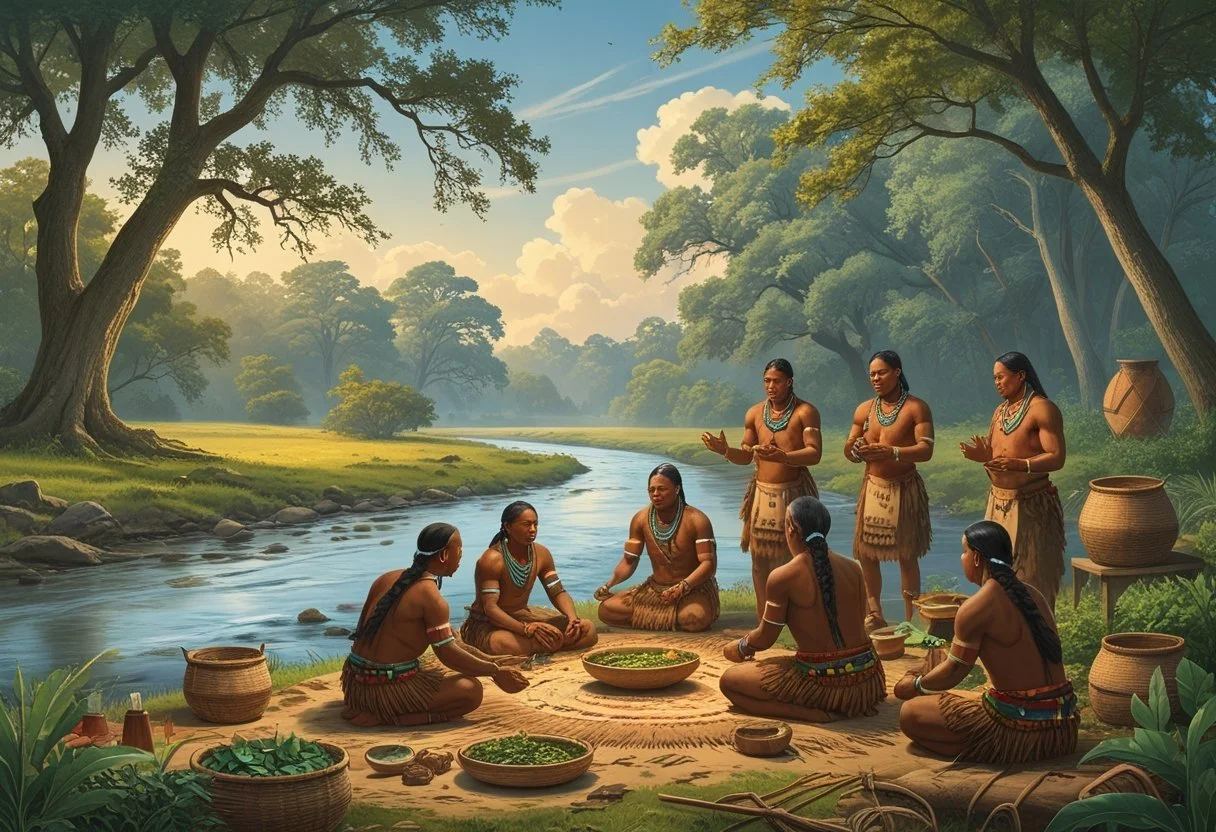
Kashaya culture includes deep knowledge about healing, medicine, suffering, and the journey to liberation. These teachings are part of daily life and have helped preserve both physical and spiritual well-being across generations.
Traditional Medicine and Ayurveda
Traditional Kashaya healing uses both local botanicals and time-tested practices. Many families rely on these methods to treat common illnesses and to improve overall health. Healers collect roots, leaves, and barks from native plants, preparing remedies that are meant to restore balance to the body.
Kashaya traditions also share some ideas with Ayurveda. Ayurvedic principles—such as focusing on balance and natural remedies—guide many Kashaya healing rituals. For example, treatments for long-term disease or cancer might involve using certain herbs and changes in diet, along with rest and spiritual guidance.
Local healers, sometimes called apaci, play a special role. They not only prepare medicine but also guide families in understanding the cause of illness and how to treat it. Kashaya healing methods place value on both the body's needs and the mind's state, aiming for complete well-being.
Concepts of Suffering and Liberation
The Kashaya worldview recognizes that suffering is part of the human experience. Illness, sadness, and disease are seen as challenges, but not as punishments. Instead, they are moments to seek healing and deeper understanding.
Seeking liberation from suffering is important in Kashaya beliefs. The idea of moksha (freedom from the cycle of suffering) is sometimes discussed, along with the concept of samadhi (deep peace). These are ways of reaching a state where pain or disease no longer control a person’s life.
Community rituals, storytelling, and guidance from respected elders help individuals understand suffering and how to move beyond it. Apaci may help those facing serious diseases like cancer to find comfort, strength, and sometimes, a sense of spiritual peace alongside medical care. Healing is not just physical, but also includes a path to emotional and spiritual balance.
Spiritual and Philosophical Dimensions of Kashaya
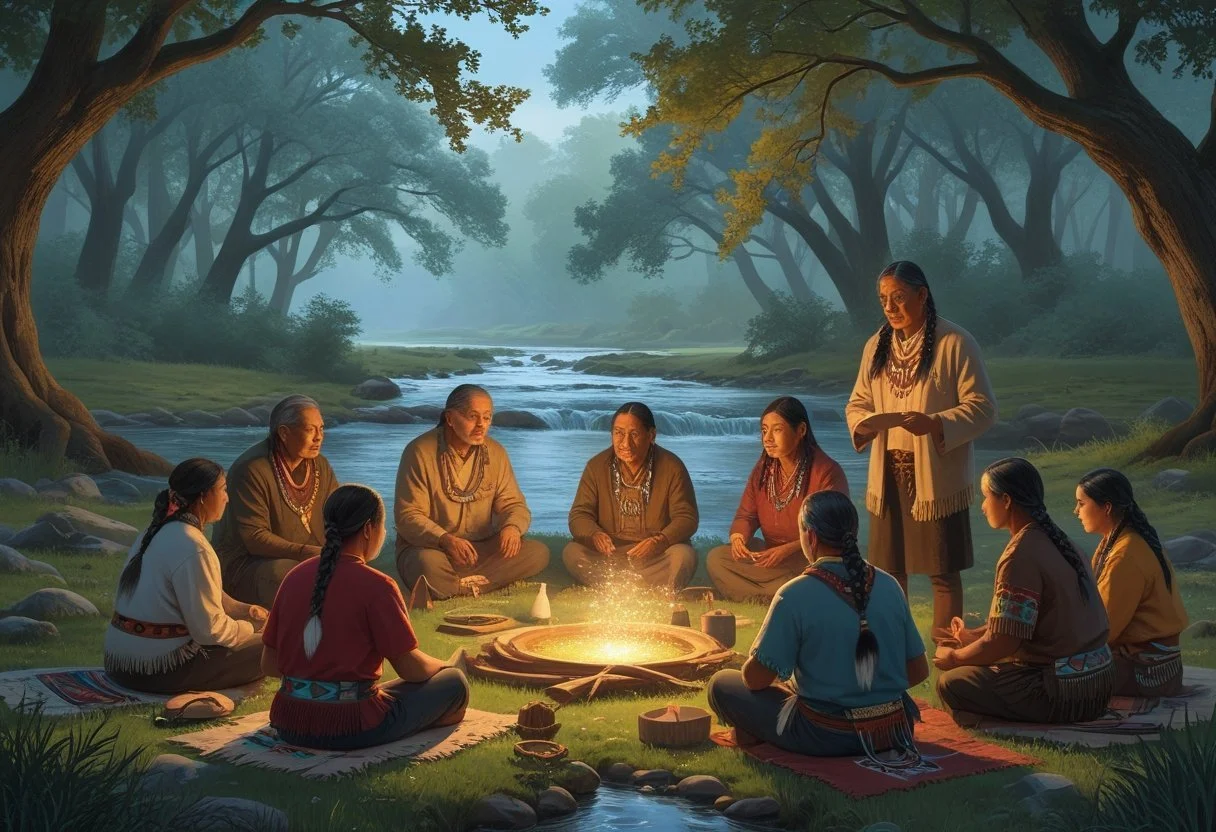
Kashaya reflects deep-rooted values about life, self-discipline, and understanding the true nature of reality. Its teachings often center on the guidance of revered spiritual figures and the quest for enlightenment.
Teachings of Acharya and Siddha
Acharyas are respected teachers who guide others in understanding the proper use and meaning of Kashaya. They focus on spiritual discipline and moral conduct using stories, rules, and practical lessons. Siddhas are those who have achieved a higher spiritual state, serving as examples for others.
Both Acharya and Siddha emphasize detachment from negative emotions and harmful desires. They teach that kashayas—anger, pride, deceit, and greed—block a person from realizing the absolute truth. To reach paramatma, or the highest state, one must overcome these kashayas.
The lessons are often shared through simple stories or lists that help the listener remember the teachings:

These teachings help people, especially sadhus and others seeking spiritual progress, understand themselves and what holds them back.
Pathways to Enlightenment
On the path to enlightenment, students learn how to overcome kashayas to see beyond ordinary life. Siddhas are often seen as proof that freedom from kashaya is possible by following disciplined methods.
Acharyas teach that enlightenment is not a single event but a journey. At every step, individuals must practice self-control and awareness. By letting go of anger, pride, deceit, and greed, a person moves closer to a peaceful and clear mind.
The philosophy teaches that the self, or atman, is part of the all-pervasive reality. If the mind is free of kashayas, it can recognize the true nature of the self and its bond with paramatma. Through disciplined practice, those on this path learn to live with honesty, humility, and clarity.
Frequently Asked Questions
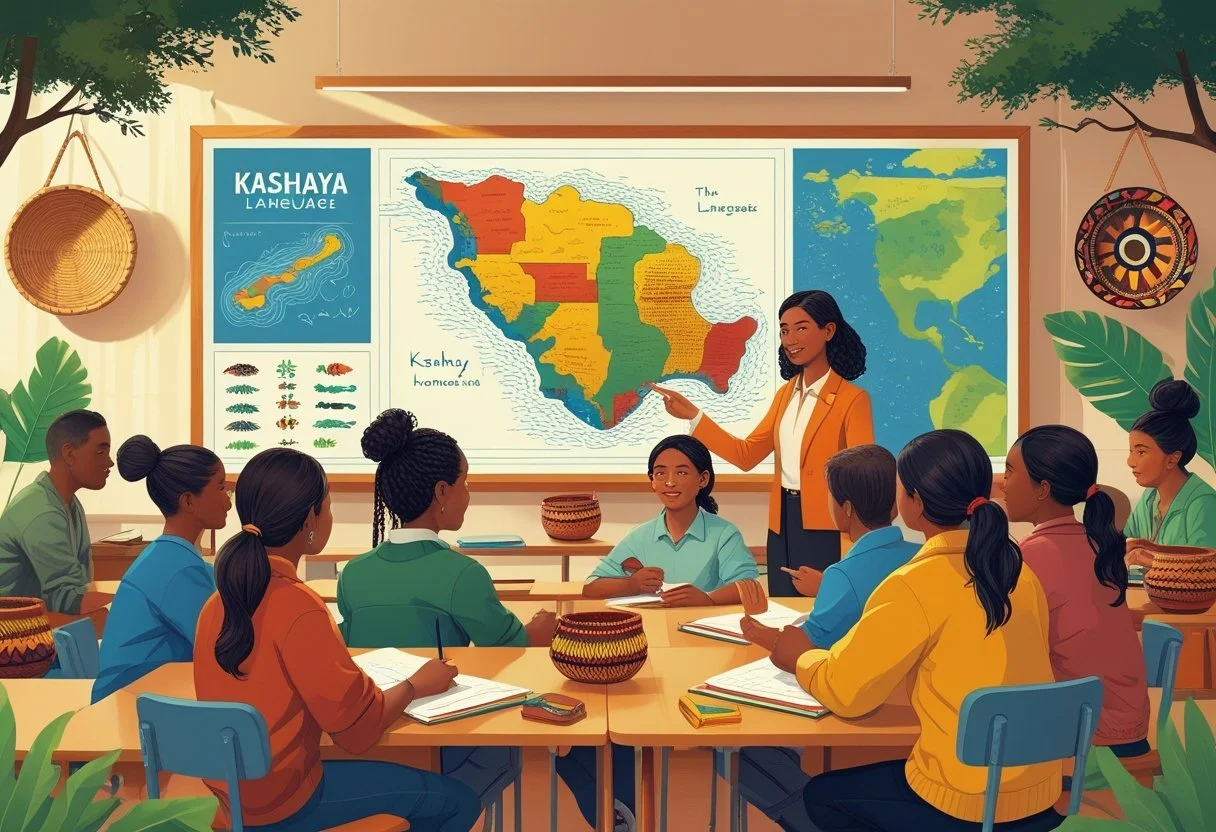
Teaching Kashaya involves both language skills and respect for Kashaya culture. It requires careful planning, use of modern tools, and active participation from the community.
What are the key strategies for effective Kashaya language revitalization?
Successful Kashaya language revitalization often uses immersion, storytelling, and language nests. Intergenerational learning helps younger people learn directly from elders.
Creating learning materials that reflect everyday life also increases student engagement. Regular community events support ongoing use and practice.
How can technology be leveraged to aid in teaching Kashaya to new learners?
Online dictionaries, mobile apps, and audio recordings make Kashaya more accessible. Teachers use video calls and digital classrooms to reach students in different places.
Interactive games and quizzes can help with vocabulary and pronunciation, making learning more engaging for beginners.
What are the cultural significance and benefits of learning Kashaya?
Learning Kashaya supports cultural identity for both individuals and the Kashaya community. It connects younger generations to traditional stories, songs, and values.
Understanding Kashaya can deepen respect for the land and its history. It also allows for stronger family bonds when elders and youth speak together.
What resources are available for educators looking to incorporate Kashaya in their curriculum?
Educators can use textbooks, audio tools, flashcards, and lesson plans created by Kashaya speakers and linguists. Some universities and cultural centers offer workshops or training.
Partnerships with local communities provide authentic materials and classroom visits from fluent speakers.
How can heritage speakers be involved in the process of preserving the Kashaya language?
Heritage speakers can serve as mentors, conversation partners, or guest instructors. They help develop and review teaching materials, sharing real-life examples.
They often play a key role in recording oral histories and making sure lessons reflect accurate usage.
What challenges are faced in the documentation and standardization of the Kashaya language?
There are few written records, which makes standardization difficult. Differences in dialects mean that communities may use words and grammar in slightly different ways.
Limited resources and trained linguists add to the challenge of documenting the full range of Kashaya speech. Technology can help, but accurate and respectful recording takes time.


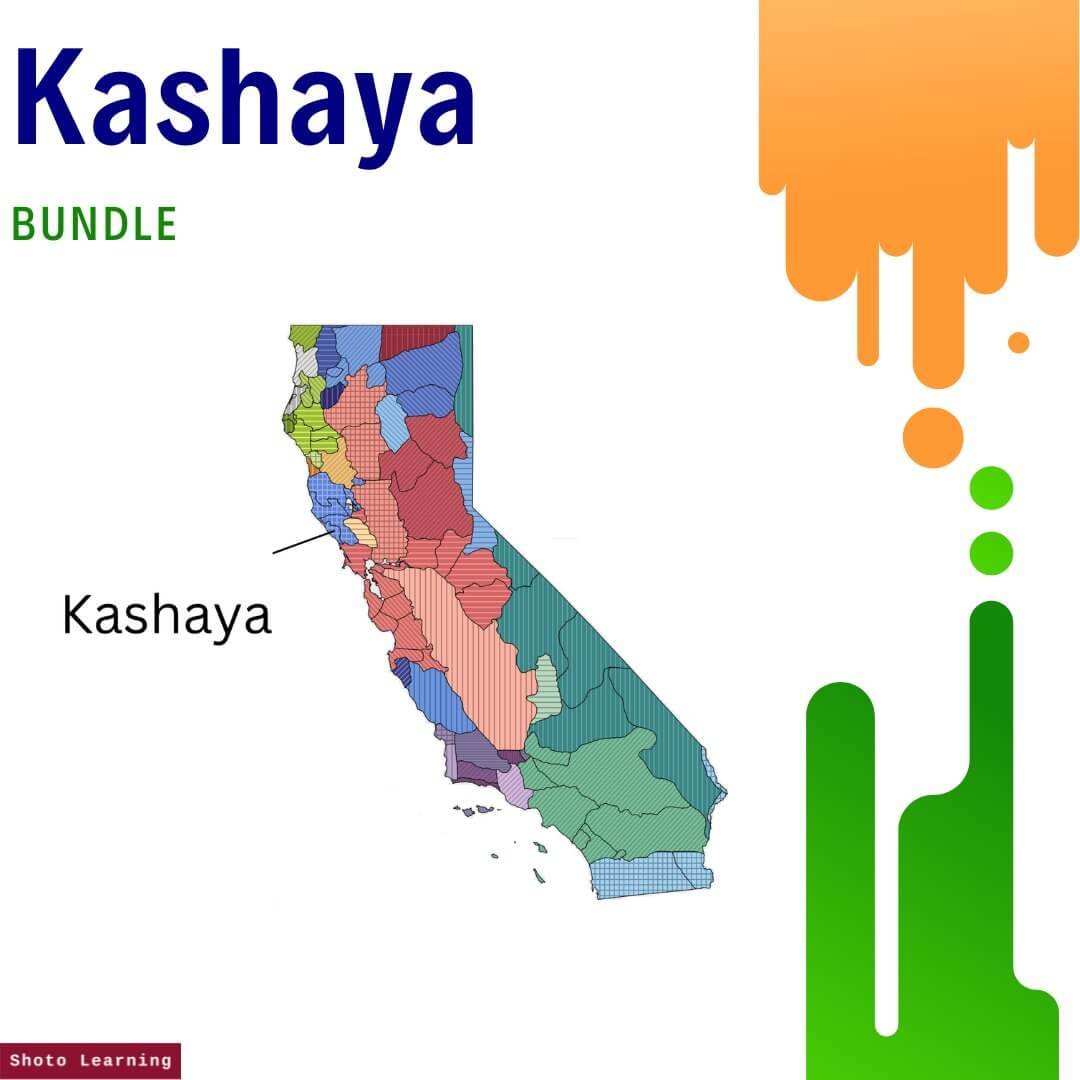





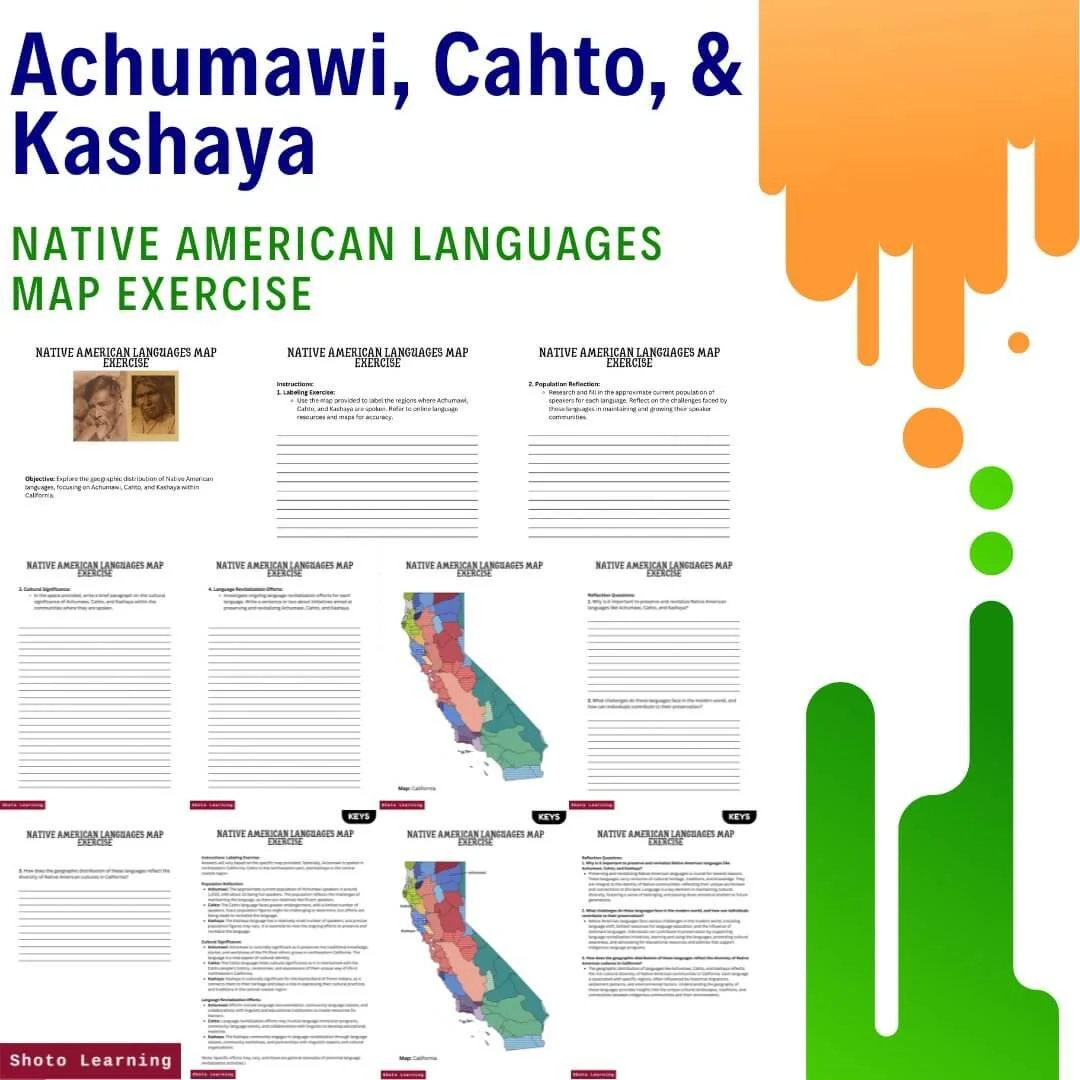


Embark on a linguistic and cultural journey through the rich tapestry of California's indigenous heritage with our exclusive "California Heritage Languages Bundle." This comprehensive package brings together three distinct Native American languages—Achumawi, Cahto, and Kashaya—providing a diverse array of worksheets to deepen your understanding and proficiency in these endangered languages.
Key Features:
1. Achumawi Essentials:
Introduction to Achumawi Vocabulary
Achumawi Numbers
Achumawi Family Terms
Achumawi Clothing Vocabulary
Achumawi and Atsugewi Heritage Language Comparison
2. Cahto Conversations:
Cahto Basic Sentences Practice
Cahto Nouns and Objects Matching
3. Kashaya Kaleidoscope:
Kashaya Food Vocabulary Puzzle
Kashaya Colors and Shapes
4. Achumawi, Cahto, and Kashaya:
Native American Languages Map Exercise
Dive into Linguistic Diversity: Explore the nuances of Achumawi, Cahto, and Kashaya languages through carefully crafted worksheets covering vocabulary, numbers, family terms, clothing, heritage language comparisons, basic sentences, nouns and object matching, food vocabulary, colors, shapes, and a captivating Native American Languages Map Exercise.
Cultural Enrichment: Each worksheet is designed not only to enhance language proficiency but also to provide insights into the cultural context of these indigenous communities. Delve into family dynamics, traditional clothing, culinary traditions, and the rich history preserved in heritage languages.
Holistic Learning Experience: Whether you're an educator, a language enthusiast, or someone passionate about preserving indigenous languages, this bundle offers a holistic learning experience. Engage in diverse activities, from sentence creation to cultural reflections and map exercises, fostering a deep connection to the heritage of California's Native American communities.
Why Choose the California Heritage Languages Bundle?
Comprehensive Curriculum: Covers a wide range of linguistic and cultural topics.
Inclusivity: Represents three distinct Native American languages from California.
Interactive and Engaging: Various exercises cater to different learning styles.
Preservation Support: Contributes to the preservation of endangered languages.
Immerse yourself in the linguistic and cultural richness of Achumawi, Cahto, and Kashaya with our "California Heritage Languages Bundle." This bundle is a valuable resource for educators, learners, and anyone passionate about preserving and celebrating indigenous languages.
52 pages
Order your copy today!