
Teaching Mikasuki/Miccosukee: Reviving and Preserving a Rich Cultural Heritage in Modern Education
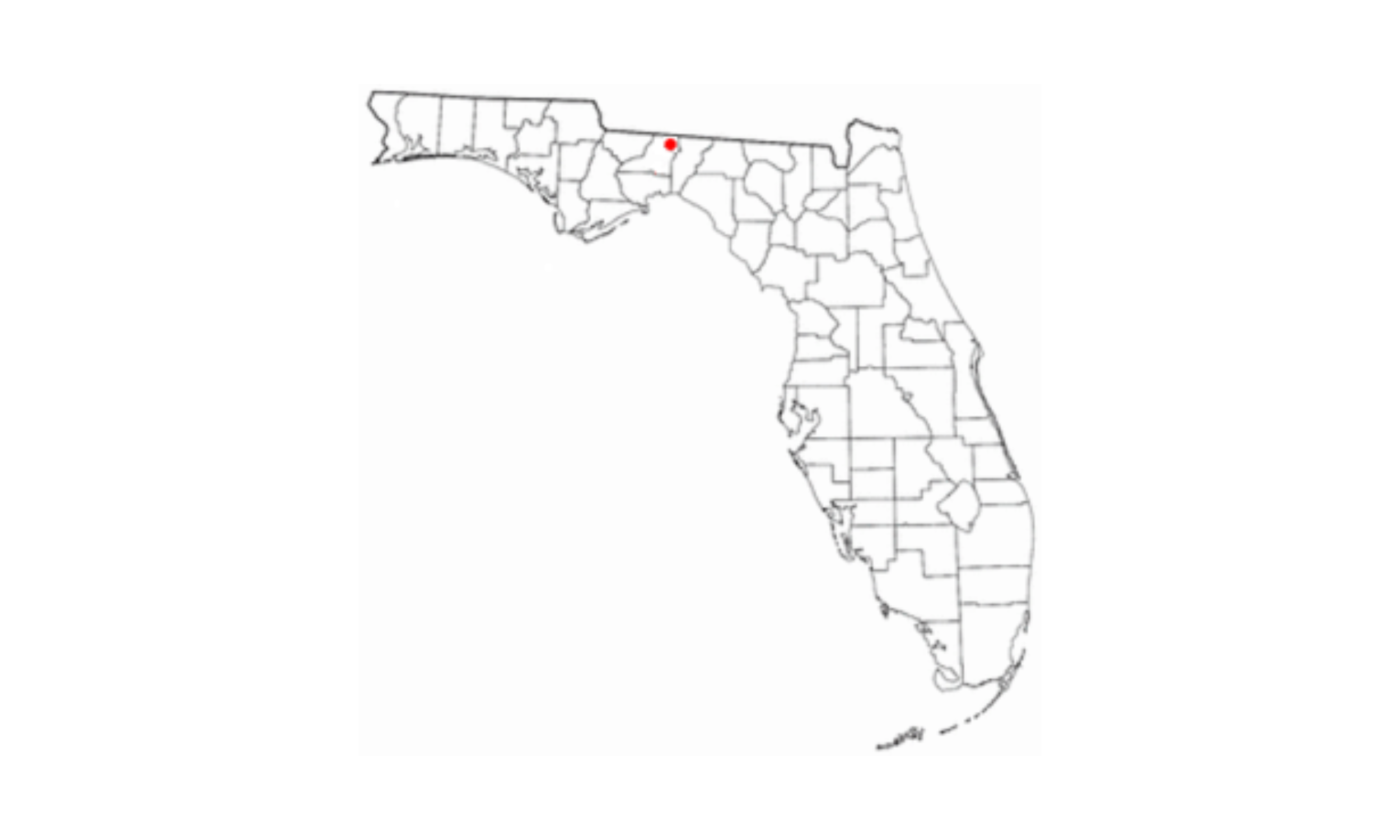
The Mikasuki (also called Miccosukee) language is an important part of the cultural identity of the Miccosukee Tribe. Teaching and preserving Mikasuki helps keep traditional knowledge and cultural practices alive for future generations. This work supports not only language skills but also strengthens the connections between community members and their shared history.
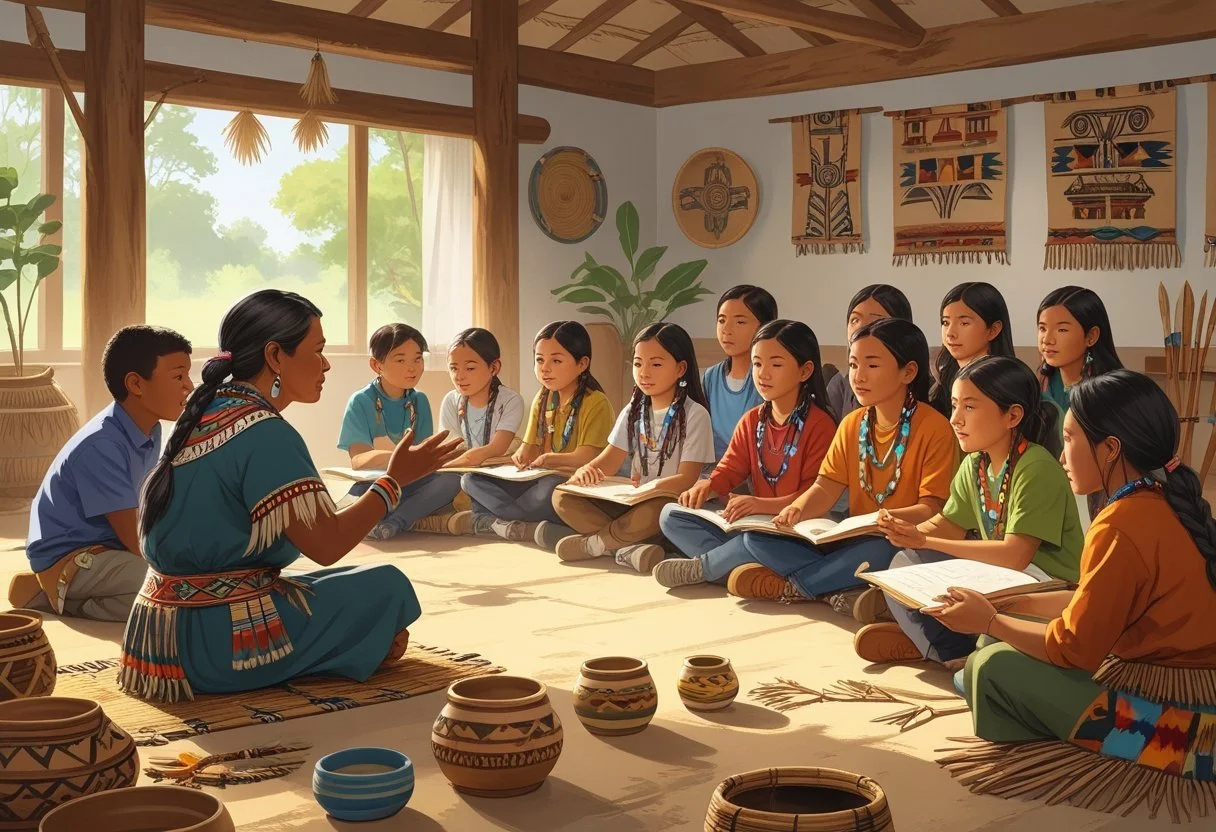
Reviving Mikasuki faces some real challenges, including a small number of fluent speakers and the pressure of more widely spoken languages. People and organizations are working together to create programs and resources that make learning and using Mikasuki part of daily life.
Key Takeaways
Mikasuki language connects the tribe to its cultural roots and history.
Community and organizational efforts support teaching and revitalization.
Challenges exist, but preservation secures cultural heritage for the future.
The Mikasuki/Miccosukee Language: Foundations and Significance
The Mikasuki, also called Miccosukee, language is a key part of the tribe’s identity. Its history, unique features, and links to other American Indian languages show why it matters today.
Origins and Linguistic Roots
Mikasuki traces back to the Muskogean family of languages, which once spread across the Southeast. This language family includes Creek, Choctaw, Chickasaw, and several others. Mikasuki developed as a distinct branch among these, but it shares many common roots with Creek (Muskogee).
Members of the Miccosukee tribe originally came from groups that split off from the Creek Confederacy centuries ago. Their language grew stronger as they settled in what is now Florida. Oral tradition played a large role in passing down stories, laws, and beliefs in Mikasuki. Today, it is one of the few Muskogean languages still spoken.
Unique Linguistic Features
Mikasuki has several traits that set it apart from other Indian languages. It uses a subject-object-verb (SOV) word order. This is different from English, which uses a subject-verb-object (SVO) pattern. For example, instead of “She eats fish,” a direct translation might be “She fish eats.”
There are sounds in Mikasuki that do not exist in English, such as nasalized vowels. The language has no written tradition; instead, it relies on spoken words and careful listening. This oral tradition helps keep community values and cultural knowledge alive.
The language lacks gender nouns and uses verbs to show respect or politeness. It also marks tense and aspect in unique ways compared to other Muskogean tongues.
Relation to Other Indian Languages
Mikasuki is closely related to Creek, and the two share many words and grammar rules. However, after the Miccosukee and Seminole people left the Creek group, changes happened in both speech and culture. The two languages are now different enough that speakers cannot understand each other without learning both.
The Muskogean language group also includes Alabama, Koasati, and Hitchiti, but none are exactly like Mikasuki. The Miccosukee language is not related to most other Indian languages found in Florida, like Timucua or Calusa, which belong to separate families. This makes Mikasuki a unique part of the region’s heritage.
Historical Context and Evolution
Mikasuki, also called Miccosukee, is a language that has deep roots in Florida and its native people. Its story includes centuries of change, conflict, and movement among Southeastern Indian tribes.
Early History and Florida Tribes
Mikasuki is part of the Muskogean language family. Long ago, it was spoken by tribes living in what is now northern Florida and southern Georgia.
The ancestors of the Miccosukee people are closely related to the Hitchiti and other Southeastern Indians. Many lived in small villages near rivers, building homes from local materials like palmetto and cypress.
They fished, farmed, and hunted to survive. Each tribe managed its own territory, often working together but sometimes fighting over land. This region was home to many languages, but Mikasuki stood out among the northern Florida tribes.
European Contact and Colonization
Spanish explorers arrived in Florida in the 1500s. Soon after, British and French settlers also came to the southern states.
Disease, war, and forced missions took a heavy toll on native populations and their languages. Many tribes, including those speaking Mikasuki, lost land to colonization.
Some joined new alliances, while others moved deeper into Florida to escape conflict. Colonization forced tribes to adapt, and some learned new languages or merged with neighbors. Despite these changes, the Mikasuki language survived, though fewer people spoke it each year.
Migrations and Settlements
During the 18th and 19th centuries, government policies like the Indian Removal Act led to major migrations. Many Southeastern Indian tribes were removed from their homelands.
Some Mikasuki speakers moved into the Everglades, joining with other groups and forming what would become the modern Miccosukee Tribe. Others left for new territories in Oklahoma or stayed hidden in the swamps.
Settlements in southern Florida allowed the language and traditions to continue, but outside pressure never stopped. Today, most Mikasuki speakers live in organized communities in the Everglades region, holding on to their heritage despite many changes.
Cultural Heritage and Identity
Mikasuki language holds deep ties to cultural identity. It is used to pass down traditions, beliefs, and stories across generations. Maintaining these practices supports community strength and shared heritage.
Rituals and Ceremonies
Ceremonies serve as important expressions of Mikasuki heritage. One of the most important is the Green Corn Ceremony. This event marks the annual corn harvest and brings the community together in a period of renewal, forgiveness, and reflection.
People gather for traditional dances, songs, and communal meals. Rituals before and after the ceremony symbolize a connection with the land and ancestors. Many ceremonies follow a set order, with elders leading prayers and younger members learning their roles.
Ceremonies help reinforce cultural identity by connecting people to sacred time, their ancestors, and the natural world. Learning the Mikasuki language during these rituals strengthens the sense of belonging and shared history.
Art, Music, and Storytelling
Mikasuki culture values creative expression. Traditional arts include basket weaving, beadwork, and patchwork clothing. These crafts use patterns and colors that hold special meanings, showing tribal stories and relationships.
Music and dance are central to celebrations and ceremonies. Drums, rattles, and handmade flutes set the rhythm as dancers move in patterns passed down by elders. Songs are often in the Mikasuki language, preserving both music and spoken traditions.
Storytelling is another important part of cultural life. Elders tell legends and family histories, using stories as a way to teach lessons about respect, bravery, and the right way to live. Oral storytelling not only entertains, but also preserves Mikasuki heritage for future generations.
Legends, Folklore, and Oral Tradition
Legends and folklore are key parts of Mikasuki identity. Stories about the origins of the world, animals, and the first people help explain cultural values. The cosmogony, or creation myths, describe how the world and its sacred time began.
These stories are told aloud, often during gatherings in the evening. The oral tradition is strong—each tale is memorized and retold many times to keep it accurate. Some stories warn about dangers, while others celebrate heroes and explain the natural world.
Keeping these stories alive in the original language helps maintain their meaning. It also reinforces the unique world view of the Mikasuki people and strengthens cultural identity.
Religion and Spiritual Beliefs
Religion shapes many aspects of Mikasuki life. Spiritual beliefs include respect for nature, ancestors, and unseen spirits. Many rituals are performed to ensure balance and harmony with the natural world.
Sacred sites and objects, like special trees or ceremonial grounds, play a role in these beliefs. Prayers, offerings, and dances are important ways the community connects with spiritual forces. Religion and spirituality are often taught through stories and participation in ceremonies.
Preserving these beliefs and practices in the Mikasuki language keeps religious traditions tied to heritage. It helps future generations understand the deep connection between language, faith, and cultural identity.
The Importance of Teaching and Revitalization Efforts
Teaching Mikasuki is critical for preserving Native American heritage. Revitalization efforts help protect cultural practices and strengthen cultural identity.
Current Language Preservation Initiatives
Many organizations and tribal members are working to revive Mikasuki. The Miccosukee Tribe has led language classes for both elders and youth to encourage regular use in daily life. They have also developed audio materials and dictionaries so more people can learn the language at home.
Some projects record stories and songs in Mikasuki to protect these unique traditions. There are also language documentation efforts with universities. These efforts make it possible to pass down not only vocabulary but also important cultural values and practices.
Other tribes look to the Miccosukee approach as a model. A table of common preservation activities includes:

Role of Education and Schools
Education programs are central to language revival. The Miccosukee Indian School includes Mikasuki in its regular curriculum, starting in early grades. Students learn basic vocabulary, numbers, and phrases, with more advanced language taught as they get older.
Teachers use both traditional stories and modern lesson plans. They often invite elders to share their experiences and stories. This connects students to real cultural practices, not just language.
Some schools also hold events or contests. These activities encourage the use of Mikasuki outside the classroom. Teachers and leaders report that students who learn the language often feel a stronger link to their identity and community.
Community Engagement and Intergenerational Learning
The community plays an active role in Mikasuki language preservation. Many efforts focus on connecting elders and young people. Elders share language, stories, and teachings, while younger generations learn to speak and use the language in daily life.
Workshops and gatherings are common ways to support language use. Families are encouraged to speak Mikasuki at home, not just at school. Intergenerational learning helps transfer both language and cultural practices, including music, traditional crafts, and stories.
Youth programs and language camps give children a space to practice and learn together. By engaging all ages, the community strengthens its cultural identity and ensures that Mikasuki does not fade away.
Challenges in Reviving Mikasuki/Miccosukee
Reviving the Mikasuki/Miccosukee language faces several serious obstacles. Key factors include shifts in daily life, loss of fluent speakers, and the effects of outside pressures on traditional communities.
Modernization and Social Change
Modernization has changed the daily lives of many Mikasuki/Miccosukee people. In the 20th century, more community members moved to cities and became involved in new jobs and schools. These changes often led to less use of the language at home and in public life.
Younger generations now have more contact with English and technology. English is used in most schools, on the internet, and at work. This shift causes fewer opportunities for children to hear and speak Mikasuki/Miccosukee.
Changes in social traditions also impact language use. Old ways of passing down knowledge, such as storytelling or community meetings, happen less often. This interruption can make it hard for cultural values and language skills to survive.
Loss of Native Speakers
The number of fluent Mikasuki/Miccosukee speakers has dropped sharply. Most speakers today are elders, and few young people learn the language fully.
As elders age, the risk of losing valuable knowledge increases. When they pass away, much of the language and its cultural meanings can disappear. Families may value their heritage, but without fluency, it is hard for children to understand or use complex ideas in their native language.
Table: Estimated Mikasuki/Miccosukee Speakers by Age

This makes language programs urgent, but teaching without enough fluent speakers is a challenge.
Impact of Political and Social Conditions
Political and social conditions have shaped the chances for language revival. In the past, government policies pushed for assimilation. Children were sometimes punished for speaking their native language in school.
Today, tribal governments support language revival, but they must work within local and federal laws. Resources for language programs and teachers can be limited, making it hard to organize strong educational efforts.
Social hierarchy within communities can also affect who learns and teaches the language. Sometimes, those with leadership roles or respected social status are responsible for language instruction, making access uneven. This can slow the spread of the language among all members of the community.
Role of Organizations and Researchers
Many groups and experts play a part in saving the Mikasuki language. Their roles include research, documentation, and providing resources to support language teachers and communities.
Anthropologists and the Bureau of American Ethnology
Anthropologists have carefully studied the Mikasuki language for many years. They record words, grammar, and stories spoken by tribal elders. These records help teachers and learners keep the language alive.
The Bureau of American Ethnology (BAE), which began in 1879, sent researchers to work directly with the Mikasuki and related groups. The BAE collected language samples, folk tales, and cultural lists.
Examples of the BAE’s work with Mikasuki:
Field notes on pronunciation and vocabulary
Story collections told by fluent speakers
Comparative studies with other southeastern tribes
Their findings are used in language classes and cultural programs.
Smithsonian Institution Contributions
The Smithsonian Institution has also played an important role. Its researchers have published dictionaries and language outlines based on visits to Mikasuki speakers.
Through its museums and archives, the Smithsonian stores rare recordings and written files. These records are shared with tribal educators.
Key Smithsonian projects include:

The Smithsonian’s efforts have made Mikasuki language resources easier to find for teachers, scholars, and community members.
Interactions with Other Southeastern Tribes
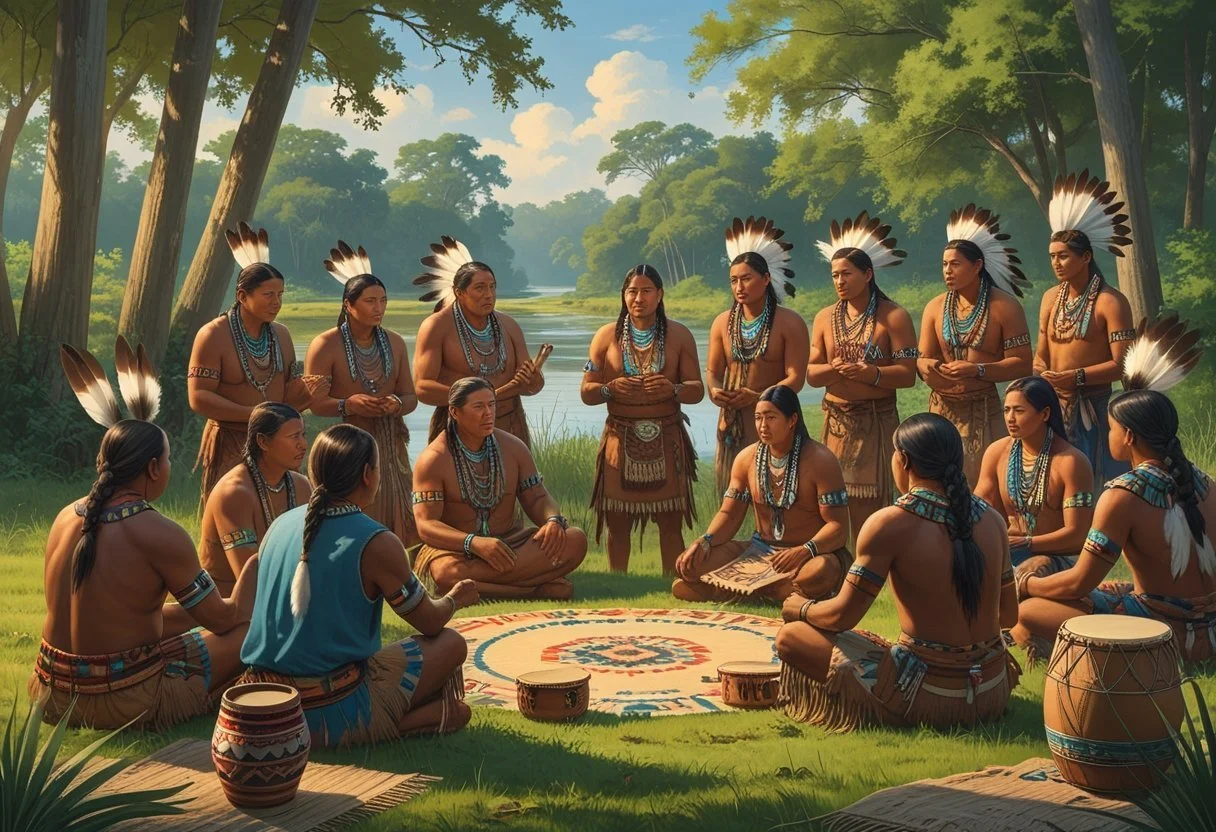
The Mikasuki people share a long history with many Southeastern tribes. Key alliances, conflicts, and cultural exchanges helped shape their language and identity.
Creek War and Tribal Divisions
The Mikasuki language and people trace origins to the Creek Confederacy. During the early 1800s, the Creek War caused major divisions. Some groups, speaking Hitchiti (a close relative of Mikasuki), split off and migrated south into Florida.
Key Details:
The Creek War (1813–1814) split Creek Indians into two main groups: those who sided with the United States (Lower Creeks) and those who resisted (Red Sticks, including many future Mikasuki and Seminoles).
Many Mikasuki moved away from conflict zones and joined with the Seminole Indians.
Tribal divisions led to differences in language, governance, and territory among Creek descendants.
This movement shaped the Mikasuki community, leading them to settle in different areas of Florida. It also influenced the way Mikasuki and Seminole identities formed.
Relations with Timucua, Apalachee, Calusa, and Tocobaga
Before and after arriving in Florida, the Mikasuki and related tribes came into contact with other Southeastern peoples. These included the Timucua, Apalachee, Calusa, and Tocobaga.
Interactions:
Trade and seasonal hunting often brought tribes together.
After Spanish missions weakened Timucua and Apalachee populations, some survivors joined new groups, such as the Seminole and Mikasuki.
The Calusa and Tocobaga, mostly from southern and central Florida, interacted through alliances or conflicts over territory.
Table – Interactions by Tribe:

Most direct cultural exchanges happened with Timucua and Apalachee. The influences of Calusa and Tocobaga were more indirect, often related to changes in settlement and boundaries.
Cultural Practices in Daily Life
Community life centers on traditional skills and customs that have shaped the Mikasuki/Miccosukee people for generations. Food, shelter, healing, and economic survival are woven together with cultural identity.
Fishing, Agriculture, and Corn Cultivation
Fishing remains a key activity for many Mikasuki/Miccosukee families. Fish from the Everglades’ rivers and lakes provide food and support community gatherings. People often use small boats and hand-made nets, keeping their methods close to what ancestors used.
Agriculture focuses on crops that thrive in the local climate. Corn is central, grown in raised fields called chickees. It is used for meals, ceremonies, and even trade. Corn is often dried and ground to make traditional dishes.
Seasonal cycles guide planting and fishing. Many families combine fishing with gardening. This mix provides food variety and keeps old skills alive.
Traditional Medicine and Remedies
Traditional medicine uses plants and natural materials from the Everglades. Healers know which roots, leaves, and barks treat illness. Tobacco is especially important. It is used both as a medicine and in spiritual rituals.
Common remedies include teas made from wild herbs. For colds, they might use pine needles or swamp bay leaves. These medicines come from knowledge passed down through stories and practice.
People sometimes use modern clinics, but home remedies are still respected. Healers share their wisdom with younger generations, helping to keep these practices alive.
Housing and Settlements
Classic housing for the Mikasuki/Miccosukee is the chickee, a shelter made of cypress logs and palm thatch. Chickees were built above the wet ground, allowing air to flow and keeping living spaces dry. Building a chickee was often a communal task.
Settlements were often small and flexible, letting families move if water levels changed. A typical settlement included several chickees: one for cooking, one for sleeping, and others for gathering.
Although many families now live in modern homes, chickees are still built for cultural events and education. They remain a symbol of resilience and connection to the land.
Economic Activities and Gaming
Traditional economic activities include fishing, farming, and craft work like basket-weaving. These skills support local families and keep important knowledge alive. Handmade baskets and beadwork are sold in markets or at festivals.
In recent decades, gaming has become a major part of economic development. The Miccosukee Tribe operates casinos, which provide jobs and funding for schools, health, and housing. This change supports both the community and cultural preservation.
The shift to gaming has brought new opportunities and challenges. Many value how traditional and newer economies now exist side by side, allowing the community to adapt while holding onto its roots.
Transformation Through Conflict and Adaptation
Throughout history, the Mikasuki and Miccosukee people faced many challenges from outside forces that shaped their community. Wars, U.S. policies, religion, and disease all played a role in changing their language, social structure, and way of life.
Seminole Wars and Their Impact
The Seminole Wars greatly changed life for the Mikasuki and Miccosukee. These conflicts began in the early 1800s as settlers moved into Florida, leading to violence and loss of land.
Three wars—especially the Third Seminole War (1855-1858)—forced many to flee deeper into the Everglades. This movement made it harder for them to stay together and keep traditions.
Families split apart. Community leaders often emerged during this time. Their role was to keep the group’s social structure, laws, and language alive.
After each war, the U.S. took more land, leaving small groups isolated. The wars weakened their numbers but pushed survivors to hold on to their identity and language.
Andrew Jackson and U.S. Policies
Andrew Jackson played a key role in shaping U.S. policy towards Native peoples in Florida. As a military leader and later as president, he led campaigns to remove Native groups from their lands.
The Indian Removal Act and other policies under Jackson led to forced marches, violent raids, and treaty violations. The Mikasuki and Miccosukee were among those pushed off their homes, losing fields, villages, and sacred lands.
Under government pressure, their social hierarchy shifted. Many elders and leaders lost their status. U.S. officials tried to replace their systems with foreign rules.
Although many were relocated, some hid in remote wetlands. They changed their daily lives to avoid being found, speaking their language in private and passing down stories secretly.
Missions and Spanish Influence
Spanish explorers arrived in Florida in the 1500s. They built missions to convert and control the Native people, including the ancestors of the Mikasuki and Miccosukee.
Spanish priests tried to teach Christianity and European customs. Some villagers accepted these new ideas, while others refused. This contact brought changes to clothing, food, and religious beliefs.
Hierarchies sometimes shifted, as mission leaders took on new roles. Old traditions mixed with new beliefs, changing ceremonies and community life.
While some skills and tools were adopted, many original practices disappeared from open view. However, the Mikasuki and Miccosukee found ways to keep important knowledge alive, even as daily life changed under Spanish rule.
Disease and Population Changes
European contact caused major health crises for Native people in Florida. Diseases like smallpox, measles, and influenza spread quickly.
The Mikasuki and Miccosukee had no immunity to these illnesses. Many elders and children died, shrinking villages and weakening families.
Population Change Table:

With smaller numbers, keeping language and traditions became harder. Leaders worked to teach young people and keep their social groups strong despite losses.
Disease also changed how the group lived. Some families left villages to live further apart, hoping to avoid sickness. The survivors focused on keeping their identity and language alive in the face of great loss.
Preserving Heritage for Future Generations
Reviving the Mikasuki language relies on sharing traditional wisdom, teaching children in both Mikasuki and English, and supporting cultural practices daily. These actions help Mikasuki speakers stay connected to their past and protect their identity.
Oral Tradition and Storytelling's Role
Oral tradition is at the core of how the Mikasuki community passes on language. Storytelling teaches younger generations about history, moral values, and important life lessons. Stories are often told by elders who have a deep understanding of culture.
Through listening, children learn not only vocabulary and grammar but also the meaning behind words. They understand family ties, nature, and the spirit of their people.
The stories are not written down. Everything is memorized and retold, so language remains alive and active. This living tradition helps ensure that Mikasuki skills are passed down even if there are few fluent speakers.
Bilingual Education and Curriculum Development
Bilingual education supports heritage by teaching subjects in both Mikasuki and English. Schools working with tribal leaders create special lesson plans that match the community’s needs. These lessons cover daily life, traditional stories, and modern subjects.
A table of focus areas in bilingual programs:

Teachers often use songs, games, and group activities to keep students interested. Some schools invite elders to teach native words and phrases.
Proper curriculum development ensures children learn to read, write, and speak in both languages. This helps strengthen pride in their Native American identity.
Maintaining Cultural Identity
Maintaining cultural identity is necessary for the survival of the Mikasuki language. Cultural practices, like ceremonies and communal events, promote the use of Mikasuki words in daily life. Wearing traditional clothing and using native art are also ways to express identity.
Young people who learn Mikasuki can participate in storytelling, song, and dance that are important to their heritage. Speaking the language at home supports strong family bonds.
Having a strong cultural identity helps people meet challenges like pressure to speak only English. It also creates a sense of belonging and responsibility to continue Native American traditions.
Further Resources and References
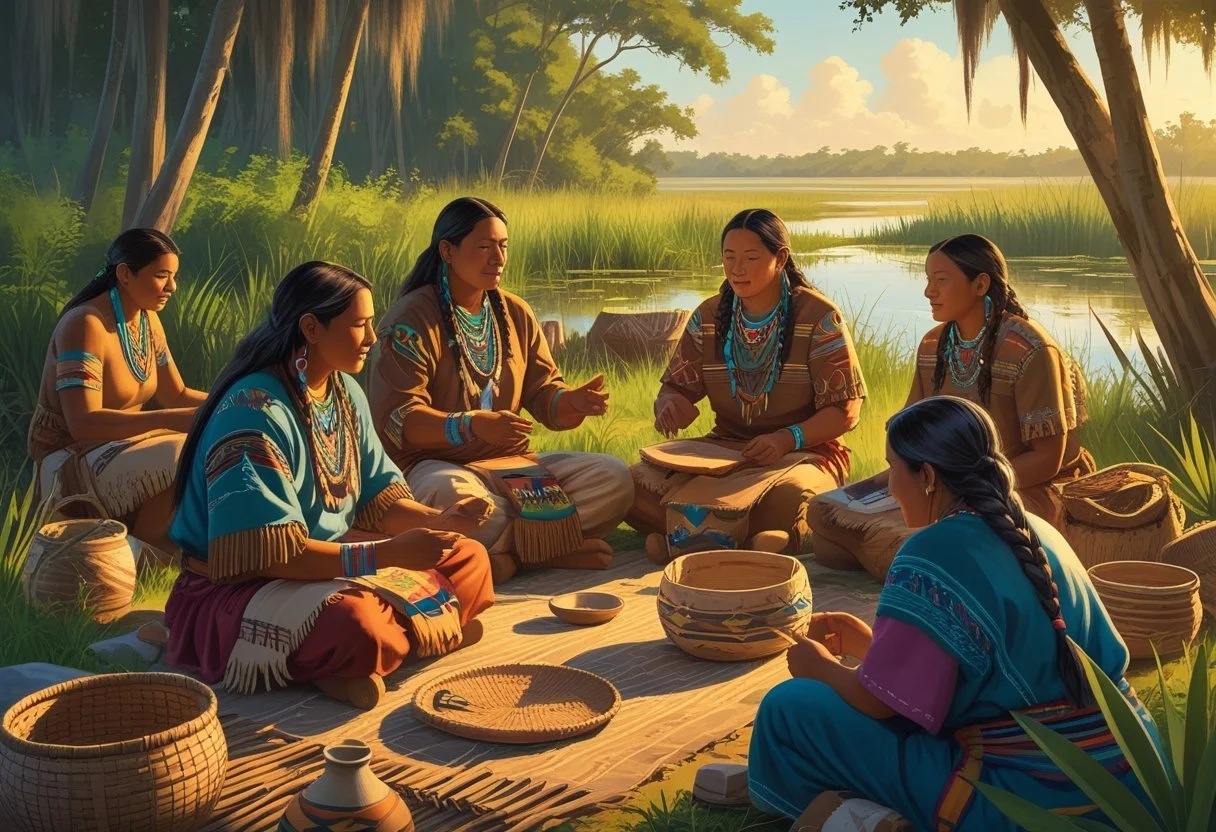
Learning more about Mikasuki/Miccosukee language revitalization includes reading work from experts and understanding the active roles played by Native American communities. Many valuable books, articles, and community efforts support the survival and teaching of this Indigenous language.
Recommended Reading and Bibliography
Books and articles help learners, teachers, and supporters get reliable, clear information. Some key titles and resources include:
"A Dictionary of the Miccosukee or Mikasuki Language" by Julian Granberry
"Florida's Seminole and Miccosukee Peoples" by Patsy West
Academic journals like International Journal of American Linguistics
Many resources discuss language structure, teaching methods, and the history of the Mikasuki/Miccosukee-speaking peoples. Libraries, university websites, and the Miccosukee Tribe of Indians of Florida's official site offer access to bibliographies and digital archives.
Lists of references often include both published books and research papers. These resources help explain language rules, vocabulary, and cultural context for students and teachers.
Contributions From Indigenous Communities
Miccosukee and other Native American communities play a central role in keeping their language alive. They develop lesson plans, teach classes, and produce digital content for language learners.
Community members and elders often create recordings, storybooks, and word lists. They lead immersion camps and organize regular events in the Mikasuki language.
The Miccosukee Tribe’s language department and educational programs support ongoing preservation. Community input guides what is taught and how. Indigenous peoples’ knowledge ensures the language stays accurate and meaningful for new generations.
Frequently Asked Questions
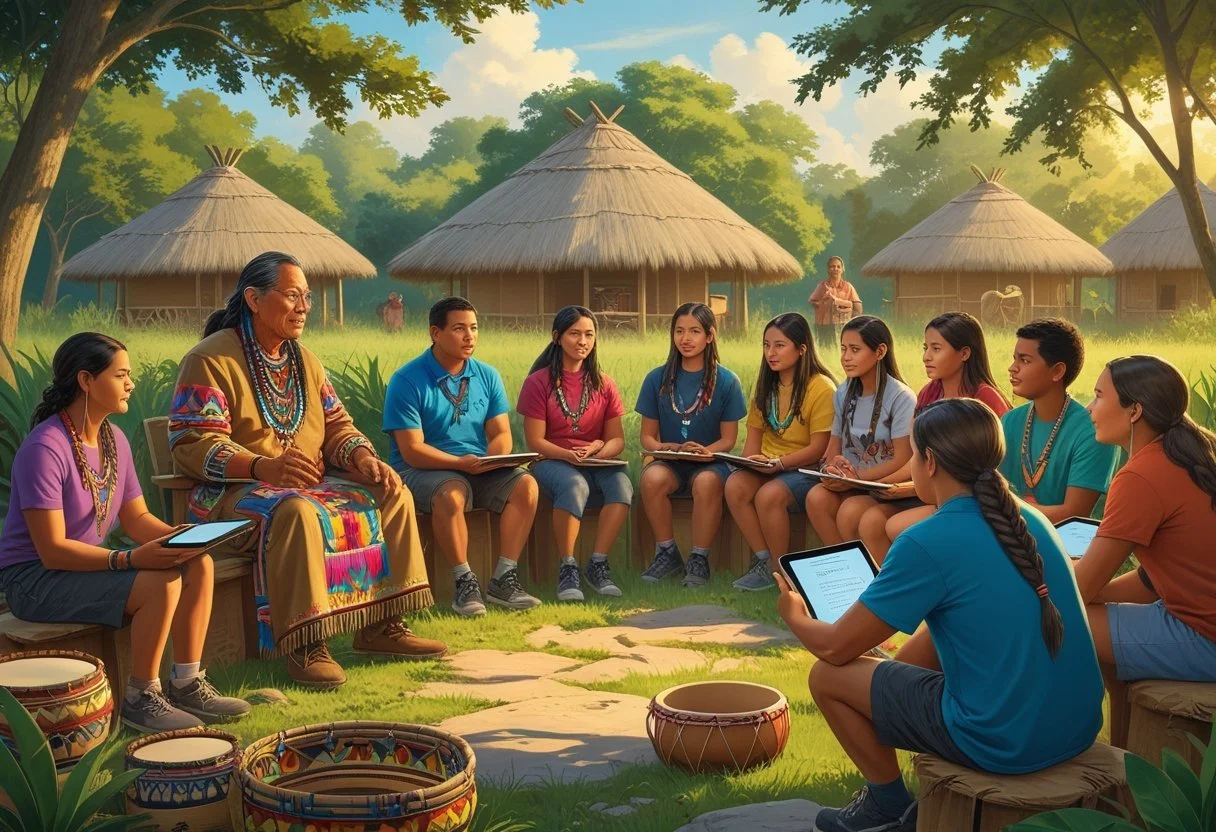
Teaching and preserving the Mikasuki/Miccosukee language requires a mix of tradition and new technology. Access to language resources, community support, and practical teaching strategies all help strengthen language use for both new learners and native speakers.
What are the most effective methods for teaching the Mikasuki/Miccosukee language to new learners?
Many teachers use a combination of immersion, storytelling, and direct instruction. Speaking the language daily and practicing with native speakers helps learners build real-world skills.
Songs, games, and hands-on activities engage students. Visual aids and repetition also support memory and understanding.
How is technology being utilized in the preservation and education of the Mikasuki/Miccosukee language?
Communities have started to use recorded audio, language learning apps, and digital dictionaries. Online video lessons allow students to hear correct pronunciation from native speakers.
Social media groups and websites also help connect learners and teachers, making resources more accessible.
What resources are available for individuals interested in learning about Mikasuki/Miccosukee culture and language?
There are language classes offered by tribal cultural centers and schools. Some organizations provide textbooks, word lists, and phrase guides.
Museums, books, and documentaries share detailed information about traditions and history. Some resources may only be available within the community due to cultural sensitivity.
What role do community initiatives play in the revitalization of the Mikasuki/Miccosukee language?
Community-led language camps, speaking clubs, and after-school programs keep the language active. Elders often lead these groups, teaching not only language but also cultural values.
Events such as storytelling nights and traditional arts workshops encourage younger generations to participate.
How can educators integrate Mikasuki/Miccosukee language education into broader curriculum?
Teachers can include language lessons alongside history, geography, and art. Collaborating with tribal members helps create respectful and accurate content.
Short daily language activities and including local storytelling provide students with ongoing exposure to the language.
What are the challenges faced in maintaining fluency among native speakers of Mikasuki/Miccosukee?
Fewer homes use the language every day, which leads to declining fluency among younger people. Limited resources and a small number of teachers make it hard to offer regular language classes.
Outside influences and the dominance of English also affect the motivation and opportunities to use Mikasuki/Miccosukee in daily life.


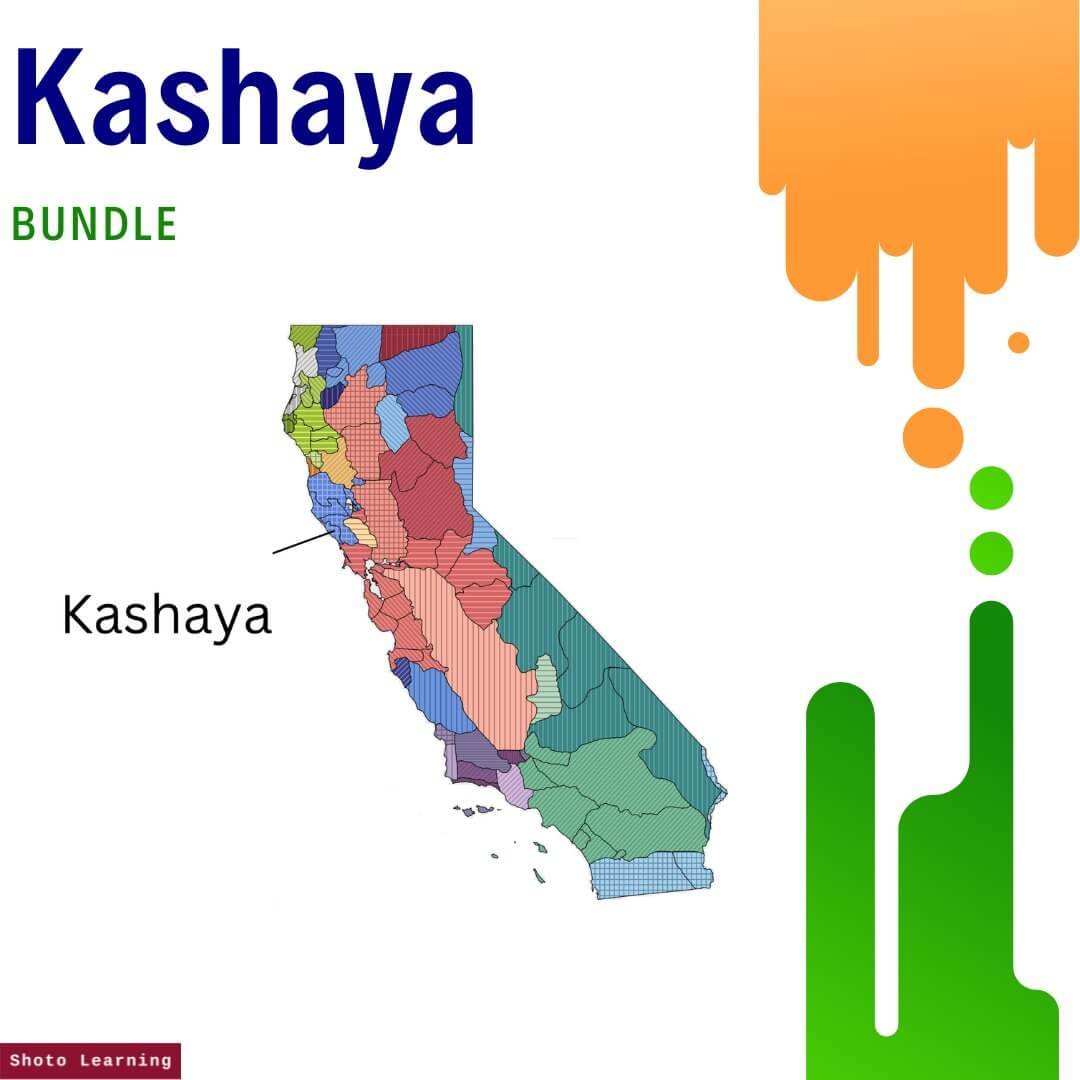





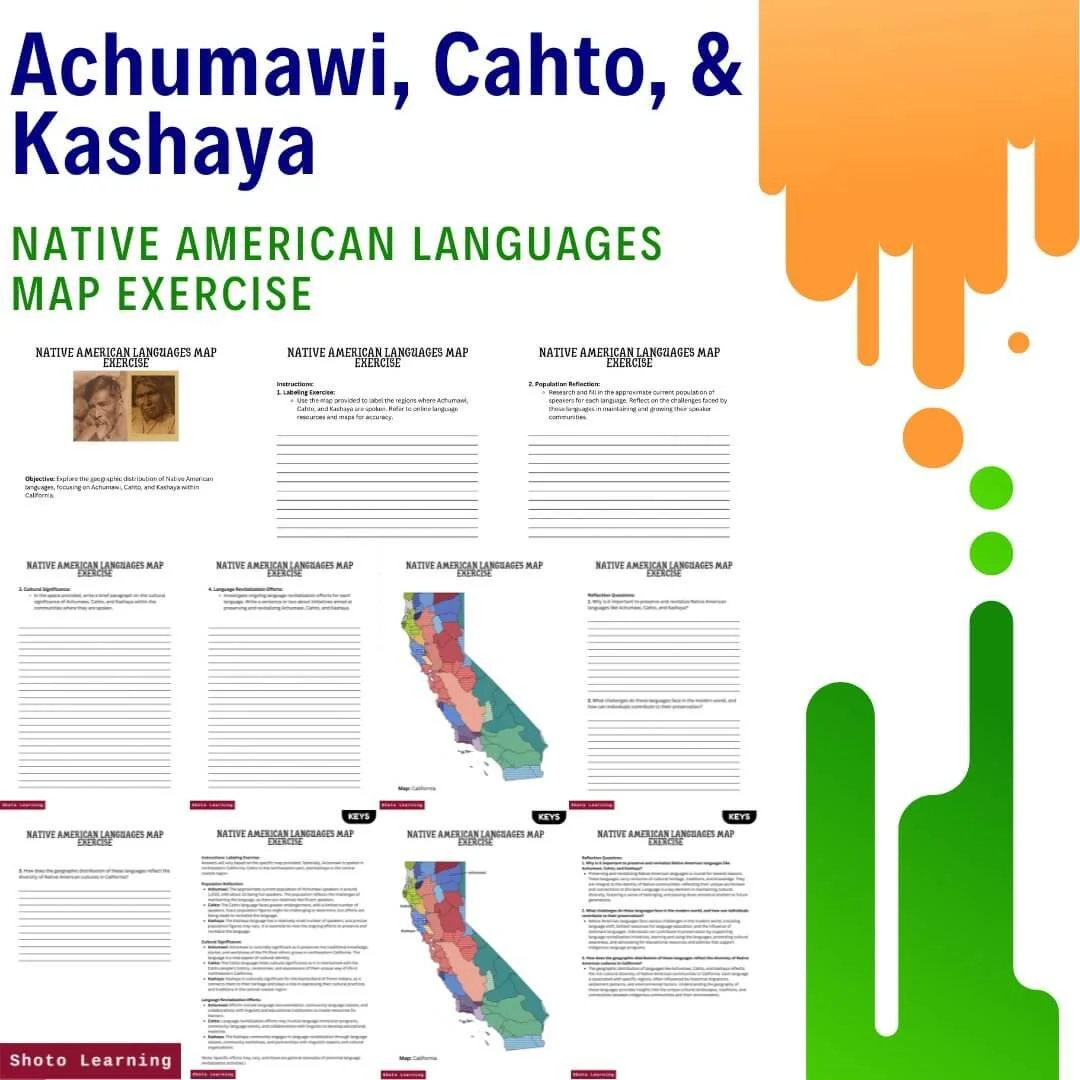


Embark on a linguistic and cultural journey through the rich tapestry of California's indigenous heritage with our exclusive "California Heritage Languages Bundle." This comprehensive package brings together three distinct Native American languages—Achumawi, Cahto, and Kashaya—providing a diverse array of worksheets to deepen your understanding and proficiency in these endangered languages.
Key Features:
1. Achumawi Essentials:
Introduction to Achumawi Vocabulary
Achumawi Numbers
Achumawi Family Terms
Achumawi Clothing Vocabulary
Achumawi and Atsugewi Heritage Language Comparison
2. Cahto Conversations:
Cahto Basic Sentences Practice
Cahto Nouns and Objects Matching
3. Kashaya Kaleidoscope:
Kashaya Food Vocabulary Puzzle
Kashaya Colors and Shapes
4. Achumawi, Cahto, and Kashaya:
Native American Languages Map Exercise
Dive into Linguistic Diversity: Explore the nuances of Achumawi, Cahto, and Kashaya languages through carefully crafted worksheets covering vocabulary, numbers, family terms, clothing, heritage language comparisons, basic sentences, nouns and object matching, food vocabulary, colors, shapes, and a captivating Native American Languages Map Exercise.
Cultural Enrichment: Each worksheet is designed not only to enhance language proficiency but also to provide insights into the cultural context of these indigenous communities. Delve into family dynamics, traditional clothing, culinary traditions, and the rich history preserved in heritage languages.
Holistic Learning Experience: Whether you're an educator, a language enthusiast, or someone passionate about preserving indigenous languages, this bundle offers a holistic learning experience. Engage in diverse activities, from sentence creation to cultural reflections and map exercises, fostering a deep connection to the heritage of California's Native American communities.
Why Choose the California Heritage Languages Bundle?
Comprehensive Curriculum: Covers a wide range of linguistic and cultural topics.
Inclusivity: Represents three distinct Native American languages from California.
Interactive and Engaging: Various exercises cater to different learning styles.
Preservation Support: Contributes to the preservation of endangered languages.
Immerse yourself in the linguistic and cultural richness of Achumawi, Cahto, and Kashaya with our "California Heritage Languages Bundle." This bundle is a valuable resource for educators, learners, and anyone passionate about preserving and celebrating indigenous languages.
52 pages
Order your copy today!