
Demystifying Cell Membranes: Structure, Function, and Their Role in Biological Systems
Cell membranes control what enters and leaves every cell, making them essential for life. Understanding how cell membranes work helps explain many things about health, disease, and how our bodies function. While they may seem complicated, cell membranes have clear structures and roles anyone can learn about.
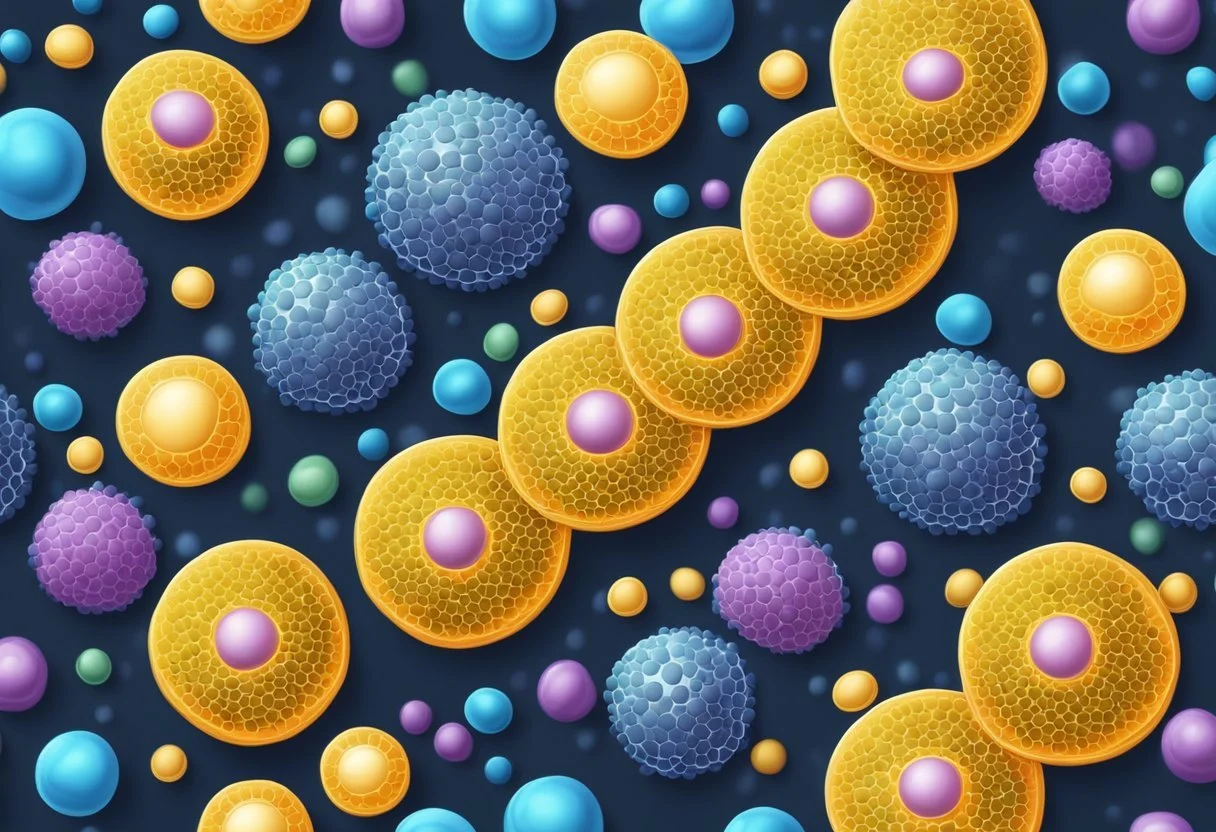
This guide breaks down what cell membranes are made of, what they do, and why they matter. By exploring their makeup and purpose, readers will see how these “gatekeepers” keep cells safe and active.
Key Takeaways
Cell membranes have a simple but important structure.
They control cell activity and protect health.
Learning about membranes helps connect science to daily life.
Fundamental Structure of Cell Membranes
Cell membranes act as selective barriers for cells. They help control what moves in and out, allowing for stable internal systems and supporting cell growth and biodiversity.
Phospholipid Bilayer Composition
The main part of a cell membrane is the phospholipid bilayer. Each phospholipid has a hydrophilic (water-loving) head and two hydrophobic (water-fearing) tails. When in water, they arrange themselves into two layers, with heads facing outward and tails inward, away from water.
This bilayer forms a strong but flexible barrier. It keeps the cell's inside separate from its outside environment. The arrangement also allows the membrane to bend, which is important for cell movement and growth.
The bilayer blocks most water-soluble substances, helping maintain internal balance. Small or nonpolar molecules can slip through, but most ions and large molecules need help to cross.
Membrane Proteins
Cell membranes are not made of lipids alone. There are also proteins scattered throughout the bilayer, and these make up about half of the membrane's mass. There are two main types: integral proteins (which go through the whole membrane) and peripheral proteins (which are attached to the surface).
Integral proteins often help form channels or pumps that move substances in or out. They are essential for communication and transport between the cell and its environment. Peripheral proteins usually help maintain the cell's shape or relay signals.
Some proteins act as receptors, letting the cell sense changes around it. This function is important for a cell to adjust to its surroundings, interact with other cells, and support biodiversity within an organism.
Cholesterol and Fluidity
Cholesterol is a key part of many cell membranes, especially in animals. It fits between the phospholipids in the bilayer and helps keep the membrane fluid but stable.
When temperatures drop, cholesterol prevents the membrane from becoming too stiff. At high temperatures, it stops the membrane from getting too loose. This control is important for keeping a proper environment inside the cell so it can grow and function.
By affecting fluidity, cholesterol helps proteins in the membrane do their jobs well. This balance supports healthy systems and plays a part in the way different cell types work together in a living organism.
Functional Roles of Cell Membranes
Cell membranes control what enters and leaves the cell, letting only certain substances pass. These membranes also help cells sense changes, transfer signals, and communicate with each other to survive and function.
Selective Permeability and Barriers
The cell membrane acts as a selective barrier, allowing only specific molecules to cross. Small, nonpolar molecules like oxygen and carbon dioxide can pass through easily. Ions and large polar molecules, such as glucose and sodium ions, usually need help from proteins.
This barrier protects the cell’s internal environment. Dangerous substances and pathogens, such as viruses or harmful chemicals, are kept out. Meanwhile, water and nutrients are let in, supporting cell life and energy systems.
Membrane proteins, such as channels and carriers, play a key role in this selective permeability. By acting as gates, they make sure that transport is controlled with accuracy, which is important for homeostasis.
Signal Transduction
Cell membranes contain proteins that detect signals from the outside environment. These receptors are sensitive to hormones, growth factors, and other signals. When a signal molecule binds to a receptor, it triggers a change inside the cell.
This process, called signal transduction, can activate enzymes, alter gene expression, or cause the cell to move or divide. Signal transduction helps the cell respond quickly to its surroundings.
Some pathways use secondary messengers like cAMP to spread the message inside the cell. This complex surveillance lets the cell react to stress, nutrients, or danger, helping it stay alive and balanced.
Cell Communication
Cells use their membranes to send and receive messages. Surface proteins serve as ID tags, letting the immune system tell friendly cells from intruders.
Neighboring cells talk by touching membranes or releasing signaling molecules. For example, nerve cells use special proteins to transfer electric signals from cell to cell.
Membrane proteins also help cells form tight layers or tissues, which organize groups of cells for specific jobs. Communication through membranes is vital for development, repair, and defense.
Key communication tools:
Receptors
Glycoproteins
Adhesion molecules
Membrane Transport Mechanisms
Cells use several mechanisms to move substances across membranes:
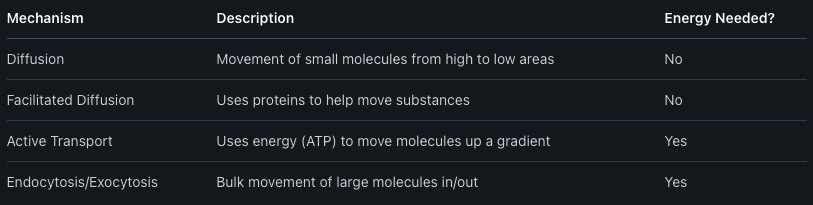
Diffusion and facilitated diffusion allow cells to absorb oxygen, water, and nutrients without using energy. For substances like ions, active transport pumps (e.g., the sodium-potassium pump) are needed, which use ATP.
Cells also use endocytosis to engulf large particles and exocytosis to export waste or proteins. These transport systems make it possible for cells to maintain their energy balance, defend against threats, and adjust to changes.
Cell Membranes in Health and Disease
Cell membranes influence how cells live, die, and respond to diseases. Changes in membrane structure and function play important roles in cell survival, cancer, neurodegeneration, and new treatment strategies.
Role in Cell Death and Survival
Cell membranes help control cell death, or apoptosis, as well as survival. The mitochondrial membrane is key in this process because it releases cytochrome c, which starts apoptosis. Proteins from the Bcl-2 family either help or block this release. For example, some Bcl-2 proteins protect the membrane, keeping cells alive, while others make the membrane leaky, leading to cell death.
Proper regulation of apoptosis is necessary for normal growth and development. When apoptosis fails, damaged cells may not die, increasing cancer risk. Too much cell death, on the other hand, affects tissues in neurodegenerative diseases like Parkinson’s disease or Alzheimer’s disease.
Disease Mechanisms Linked to Membranes
Problems with cell membranes show up in many diseases. In cancer research, researchers look at how cancer cells often change their membranes to avoid cell death and promote tumor growth. Changes in certain membrane proteins can help cancer cells ignore tumor suppression signals.
In prostate cancer, changes in the plasma membrane help cancer cells spread. In contrast, in neurodegenerative diseases like Alzheimer’s and Parkinson’s, abnormal membrane changes can lead to the loss of nerve cell function and increase cell death.
Here’s how membrane changes can impact diseases:

Therapeutic Targets
Cell membranes are important targets for new treatments. Therapies that control how membranes work can help fight cancer or reduce the effects of neurodegenerative disease.
In cancer, some treatments target Bcl-2 family proteins, helping to activate apoptosis in tumor cells. Other drugs look for ways to restore normal membrane function or stop cancer cells from changing their membranes to avoid death.
For Alzheimer’s disease and Parkinson’s disease, researchers are testing drugs that protect cell membranes or stop harmful membrane changes. These strategies may help slow nerve cell loss and support better brain health. Some therapies aim to keep mitochondrial membranes stable so that cells avoid unnecessary death.
Cell Membrane Dynamics and Evolution
Cell membranes are not all the same, and their features can change over time. These changes are shaped by evolution, genetics, and how organisms live in different settings.
Membrane Evolution and Diversity
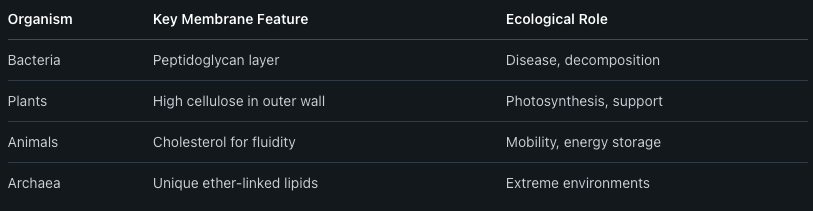
Membranes have changed a lot since life began. Bacteria, plants, animals, and fungi each have their own mix of fats (lipids) and proteins in their membranes.
For example, archaea have unique lipids that help them live in very hot or salty places. In contrast, animals have cholesterol in their membranes, making them more flexible.
Cells change their membranes to survive in new environments. This is key for ecology, as different organisms adapt to their surroundings by changing the mix of materials in their membranes. The right balance helps keep water in and unwanted things out, which helps organisms stay healthy.
Genetic Variation and Adaptation
Genes decide what makes up cell membranes. Differences in DNA lead to different membrane proteins and lipids.
When environments change (like temperature or salt levels), some gene variations help cells survive better. These helpful changes get passed on, which leads to new traits in future generations.
This process is important for sustainable development. Plants with membranes that protect them from drought can grow better in dry places, helping ensure food supply. In wildlife, genetic changes in membrane makeup can allow animals to adapt to rising temperatures.
Genes, the environment, and evolution work together to shape membranes. Each plays a role in the ongoing story of how life adapts and survives.
Molecular Mechanisms and Cell Signaling
Cells use membranes to control the flow of signals and molecules. These processes rely on specific molecular interactions and changes inside the cell that help it respond to its environment.
Receptor-Ligand Interactions
Cell membranes hold many types of receptors. These are proteins that recognize and bind to specific molecules called ligands, such as hormones or growth factors.
When a ligand binds to its receptor, it often causes the receptor to change shape. This change can trigger a series of events inside the cell. Many receptors rely on actin for support or movement at the membrane.
There are several receptor types, including G protein-coupled receptors (GPCRs), ion channels, and tyrosine kinase receptors. Each responds to different signals. For example, insulin binds to its receptor to help control blood sugar.
Cells depend on receptor-ligand interactions to detect changes and respond quickly. Defects in these interactions can lead to diseases.
Intracellular Signaling Pathways
After receptors bind their ligands, they send messages inside the cell. These messages often use groups of proteins in a chain, called a signaling pathway.
One common change is phosphorylation. This adds a phosphate group to proteins and can turn them “on” or “off.” Chromatin structure can also be changed by signaling proteins, affecting how genes are used.
Signaling pathways help control cell growth, movement, and responses to DNA damage. For example, when damage occurs, signaling can activate repair proteins or cause the cell to stop dividing.
Cells use feedback loops and scaffolding proteins to keep signaling accurate.
Post-Translational Modifications
Proteins are often changed after they are made. These changes, called post-translational modifications, help the cell control protein function.
Phosphorylation: Adds a phosphate group, affecting activity.
Acetylation: Adds an acetyl group, often changing gene expression by modifying chromatin.
Ubiquitination: Marks proteins for removal or changes their location.
Sumoylation: Adds a small protein (SUMO), affecting protein stability or location.
These modifications regulate cell signaling. For instance, phosphorylation and ubiquitination help manage responses to DNA damage.
Cells must control these modifications tightly to maintain health and prevent problems like cancer.
Research, Technology, and Innovations in Membrane Science
Cell membrane science relies on advanced research methods and technology. Key discoveries guide new therapies and help scientists investigate how life works at a cellular level.
Advances in Biomedicine and Clinical Trials
Modern biomedicine uses knowledge of cell membranes to develop drugs that improve human health. For example, researchers design medicines that target specific proteins on membrane surfaces. This approach can limit side effects because treatments reach only certain cells.
Clinical trials are essential for testing how safe and effective these treatments are. The FDA approves most clinical trials in the United States to ensure safety. Many studies reported in the Journal of Cell Biology have led to breakthroughs in cancer, genetic diseases, and infectious diseases.
Researchers often use liposomes and nanoparticles to carry drugs into cells. These technologies help drugs cross the cell membrane efficiently. Clinical trials also explore how these new delivery systems can treat diseases that were hard to reach before.
Experimental Design and Analysis
Proper experimental design is critical for studying cell membranes. Scientists often use control and experimental groups to test how changes in membranes affect cell function. Without careful planning, results can be misleading.
Standardized methods make it easier to compare results between labs. For example, scientists use fluorescence microscopy to watch how membranes move and change. They apply electrophysiology to measure the flow of ions across membranes, which controls cell signaling and activity.
Data analysis includes using charts, tables, and statistical tests. These tools help scientists check if the results are real or just random. Journals, such as the Journal of Cell Biology, require strong analysis and clear methods before publishing results. This ensures that findings can be trusted and repeated.
Big Data and Information Technology
Big data and information technology (IT) allow researchers to handle large sets of cell membrane data quickly. Biologists gather images, genetic sequences, and chemical details about membranes using high-powered computers.
Scientists use software to process images and find patterns that would be hard to spot by eye. Large databases help teams all over the world access new discoveries instantly. For example:

Big data makes it easier to spot trends in clinical trials or across many experiments. IT also speeds up the review and sharing of important research, which can lead to faster treatments and new ideas for protecting health.
Real-World Applications and Case Studies
Cell membranes play a crucial role in modern science. Their unique properties are central to advances in medical, agricultural, and neuroscience research.
Stem Cell Research
Researchers use their understanding of cell membranes to manipulate and reprogram stem cells. The cell membrane controls what enters and leaves, which helps scientists direct stem cells to develop into specific types of tissues.
One technique is adding certain proteins or molecules to the cells' environment. This helps stem cells become heart, nerve, or muscle cells. Cases show that carefully controlling the membrane's channels and receptors improves the growth and repair of tissues.
Membrane studies also support treatment for diseases like Parkinson's by ensuring healthy stem cells integrate safely into body tissues. Challenges still exist, such as avoiding immune system rejection, but improved knowledge of cell membranes leads to safer results.
Agricultural Science Innovations
In agricultural science, cell membranes are key to developing crops that survive harsh conditions. For example, scientists found that changing the fat content in plant cell membranes protects crops against cold and drought.
Key Benefits:
Better water and nutrient flow in crops
Greater resistance to pests and diseases
Improved crop yields in difficult climates
A case study on rice showed that plants with stronger cell membranes handled salty soils better, leading to healthier roots and more grain. Research also focuses on protecting membranes from damage during storage and transport, which reduces food waste and spoilage.
Neuroscience and Behaviour
Cell membranes in nerve cells are essential for brain function. The hippocampus, an area involved in forming new memories, relies on well-functioning membranes to send electrical signals between neurons.
Studies show that certain proteins in nerve cell membranes affect learning and behaviour. Changes in these membranes can lead to problems with memory, movement, or mood. For example, in some brain diseases, faulty cell membranes disrupt communication between neurons, leading to confusion or loss of skills.
By studying these membrane changes, neuroscientists can better understand mental illness and possibly design new treatments. These insights also help explain why behaviour changes when cell membranes become weak or damaged.
Historical Perspectives and Future Directions
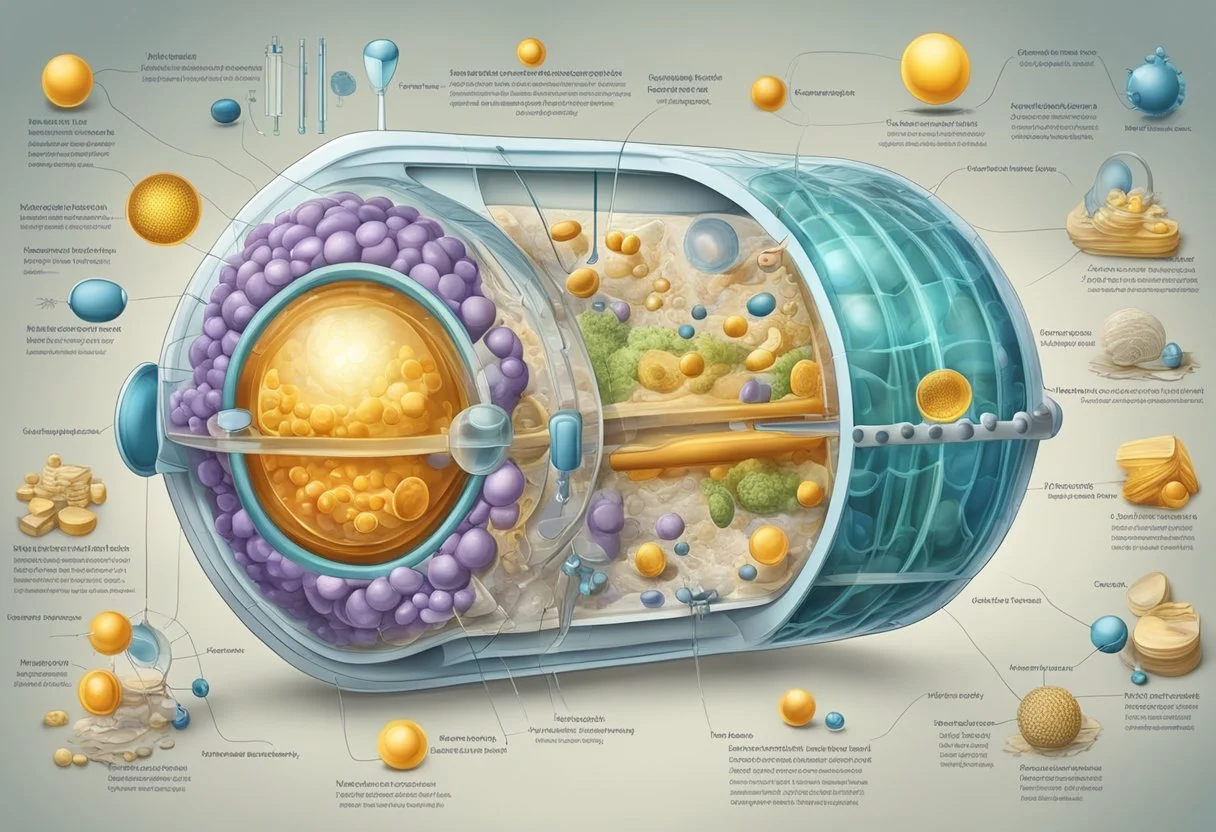
Cell membrane research has passed through many phases, marked by breakthroughs that shaped modern biology. Today, new discoveries connect membrane science with technology and medicine, creating new possibilities for the future.
Timeline and Milestones in Membrane Biology
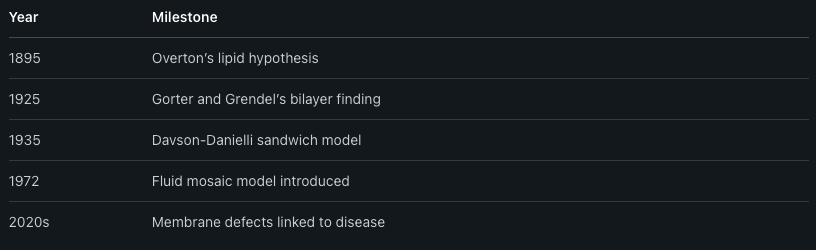
The study of cell membranes began in the late 19th century. In 1895, Charles Overton suggested that membranes are made from lipids. By 1925, Gorter and Grendel discovered the lipid bilayer. This finding showed that membranes have two layers of fat molecules.
In 1935, Davson and Danielli described the “sandwich model,” adding proteins to explain membrane structure. Membrane biology changed again in 1972, when Singer and Nicolson introduced the fluid mosaic model. This model said proteins float in or on a flexible sea of lipids.
Powerful tools like the electron microscope helped researchers see membrane details in the 20th century. In recent decades, studies have revealed how membranes control cell signaling and transport. As of 2025, research focuses on how membrane defects cause diseases like cystic fibrosis and Alzheimer’s.
Major milestones:
Emerging Trends and Convergence
Modern membrane research uses genetics, chemistry, and computer modeling together. Many studies now use cryo-electron microscopy to see proteins in membranes at atomic detail. This helps explain how cells let in some molecules but block others.
Machine learning and artificial intelligence predict how membrane proteins fold and work. These advances support drug design for illnesses like cancer and viral infections. Researchers use lipidomics to map all the fats in a cell, which shows that small changes in lipids can affect health.
There is also a trend to blend biology and engineering. Some labs create synthetic membranes for drug delivery or build artificial cells for research. Collaboration between science fields and the use of large datasets are leading to faster progress in understanding and using cell membranes.
Frequently Asked Questions
Cell membranes control what enters and leaves the cell. They help the cell interact with its environment and keep its inner balance.
What are the components that make up a cell membrane?
A cell membrane is mainly made of a double layer of phospholipids.
It also has proteins, cholesterol, and carbohydrates.
These parts each have specific jobs to help the membrane work properly.
How does the structure of the cell membrane facilitate its functions?
The cell membrane's phospholipid bilayer makes it flexible and protects the cell.
Proteins in the membrane allow certain substances to pass through.
Carbohydrates help with cell recognition.
In what ways do cell membranes contribute to cellular communication?
Cells use their membranes to send and receive signals.
Membrane proteins act as receptors for chemical messages like hormones.
These signals help cells react to changes around them.
What role does the cell membrane play in the transport of substances?
The membrane lets some items pass while blocking others, a feature called selective permeability.
Small or nonpolar molecules can pass easily, but larger or charged ones need help from membrane proteins.
This allows the cell to take in nutrients and remove waste.
How does the cell membrane maintain homeostasis within the cell?
The cell membrane keeps the balance of water, salts, and other substances inside the cell.
It prevents harmful materials from entering and helps remove waste.
This allows the internal environment of the cell to stay stable.
Can you explain the fluid mosaic model of the cell membrane?
The fluid mosaic model describes the membrane as a flexible sheet with many different proteins and molecules scattered throughout.
Phospholipids can move sideways, making the membrane fluid.
Proteins and other molecules float in this layer, giving the membrane its "mosaic" look.




Dive deep into the world of cell membranes with our comprehensive Cell Membrane Mastery Bundle, designed to provide a holistic learning experience for students, educators, and biology enthusiasts alike. This all-inclusive bundle features a wide array of engaging and interactive resources, each meticulously crafted to enhance understanding and retention of key concepts related to cell membrane structure, function, and significance in cellular biology.
Included in this bundle:
Assignments: Embark on 10 stimulating assignments covering diverse topics, encouraging critical thinking and practical application of knowledge.
Bingo: Challenge your knowledge with 30 bingo cards featuring cell membrane-related terms and concepts.
Crossword: Test your understanding with a crossword puzzle that explores essential terminology and concepts.
Cryptogram: Decode the hidden message while learning about cell membranes in a fun and challenging way.
Debate: Engage in thought-provoking discussions on the role of cell membranes in cellular function and organization.
Experiments: Explore hands-on experiments illustrating fundamental principles across various disciplines, fostering deeper understanding and engagement.
Fill in the Blank: Reinforce your understanding with fill-in-the-blank exercises covering key concepts related to cell membranes.
Flash Cards: Master cell membrane terminology and concepts with a set of 20 flashcards for quick review and study.
Free ABC Order: Practice alphabetizing cell membrane-related terms with this free worksheet.
Free Label the Parts: Identify and label the components of a cell membrane with this free activity.
Free Poster: Decorate your classroom or study space with a visually appealing poster highlighting key aspects of cell membranes.
Lesson Plan: Dive deep with our detailed lesson plan, complete with engaging activities and discussion topics.
Matching: Test your knowledge with a matching activity that pairs cell membrane terms with their definitions.
Missing Letters: Exercise your problem-solving skills with worksheets challenging you to fill in missing letters to complete cell membrane-related words.
Multiple Choice: Assess your understanding with a set of multiple-choice questions covering various aspects of cell membranes.
PowerPoint: Dive into an informative presentation exploring cell membrane structure, function, and significance.
Questions and Answers: Test your knowledge with a series of questions and answers covering cell membrane biology.
Reading Comprehension: Sharpen reading skills with engaging passages, perfect for students and educators alike.
Scramble: Unscramble jumbled words related to cell membranes in this engaging activity.
Test (45 Minutes): Challenge yourself with a timed test covering key concepts related to cell membranes.
True or False: Determine the validity of statements about cell membranes in this true-or-false activity.
Word Search: Search for cell membrane-related terms hidden within a grid of letters.
Writing Prompts: Stimulate critical thinking and creativity with writing prompts related to cell membrane biology.
With this comprehensive bundle, you'll have everything you need to master the complexities of cell membranes and gain a deeper appreciation for their vital role in cellular biology. Unlock the secrets of cellular gatekeepers today!
Pages: 134 pages
Order your copy today!