
Navigating the Intriguing World of Cell Organelles: Practical Approaches for Engaging Biology Lessons
Understanding cell organelles can be tough for many students. Using different teaching strategies helps make these complicated ideas clear and interesting for everyone. Students often remember key facts better when lessons include hands-on activities and real-life examples.
There are many types of cell organelles, each with unique jobs inside the cell. Teaching about cell organelles is easier when lessons focus on practical connections, such as how organelles keep cells healthy and affect human diseases.
Key Takeaways
Clear teaching strategies make learning about cell organelles easier.
Linking organelles to health and research increases understanding.
Hands-on learning supports lifelong interest in cell biology.
Core Cell Organelles and Their Functions
Cell organelles perform specific jobs that support life, growth, and energy in living things. These structures each play unique roles in processing nutrients, managing information, and keeping cell functions in balance.
The Nucleus and Genetic Information
The nucleus holds the cell’s genetic material. This large, round organelle is protected by a double membrane. Inside the nucleus, DNA is stored, which includes thousands of genes.
Genes are short pieces of DNA that tell the cell how to build proteins. These proteins control cell activity, direct growth, and handle repairs. The process where DNA is used to make proteins is called gene expression.
In molecular biology, the nucleus is viewed as the cell’s main control center. When the cell needs to make new proteins or respond to its environment, it uses the instructions stored in its genes. The nucleolus, found inside the nucleus, helps build ribosomes, which are needed for protein synthesis.
Mitochondria: The Powerhouse of the Cell
Mitochondria produce most of the energy that cells need to work. Each mitochondrion has an inner and outer membrane and can be found in nearly all animal and plant cells.
These organelles break down glucose and other nutrients with oxygen. This process, known as cellular respiration, creates ATP (adenosine triphosphate), which powers other cell activities. Without enough mitochondria, a cell can run low on energy and not function properly.
Mitochondria are sometimes called “the powerhouse of the cell” since they drive many key reactions in biochemistry and organic chemistry. They also play a role in signaling, cell death, and maintaining healthy glucose levels in the body.
Endoplasmic Reticulum and Protein Synthesis
The endoplasmic reticulum (ER) is made up of folded membranes. There are two kinds: rough ER, covered in ribosomes, and smooth ER, which does not have ribosomes.
The rough ER is directly involved in making proteins. When ribosomes build a protein, they send it into the rough ER, where it is shaped and modified. These proteins may be shipped to other organelles or out of the cell.
The smooth ER makes lipids (fats) and helps manage calcium and detoxify chemicals. Both types of ER are critical for the cell’s structure and for handling nutrients. The ER works closely with the nucleus and the Golgi apparatus to ensure that biomolecules are correctly processed.
Lipid Droplets and Metabolism
Lipid droplets are small, round structures found in many types of cells. They store fat molecules called triglycerides and cholesterol esters. These fats serve as a backup energy source when glucose levels drop.
During lipid metabolism, the cell can break down these stored fats for energy. Lipid droplets are important for controlling energy balance and storing nutrients safely. In animals, they help manage how and when the body uses fat for fuel.
They also play roles in making hormones, building cell membranes, and protecting the cell from damage caused by too many free fatty acids. Scientists study lipid droplets to understand obesity, diabetes, and other health problems linked to metabolism.
Effective Teaching Strategies for Cell Organelle Concepts
Teaching about cell organelles in middle school is more successful when students can see and touch models or use technology to explore. Mixing hands-on tasks with visuals and digital tools helps improve understanding and supports students in their STEM journey.
Utilizing Visualization Techniques
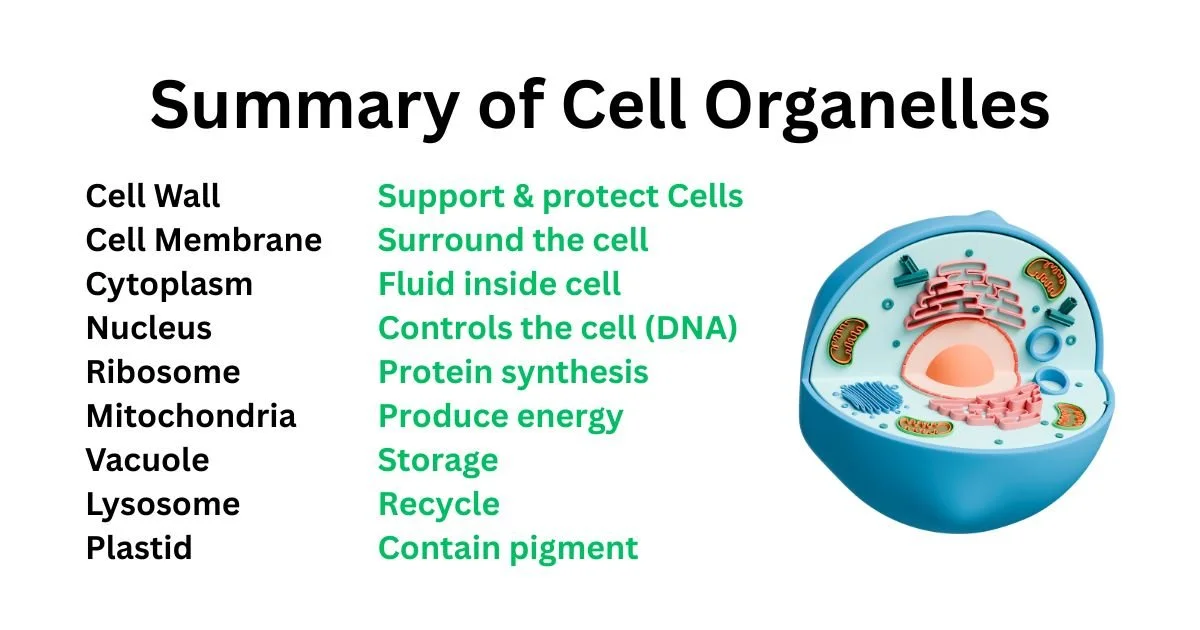
Clear visuals make it easier for students to identify and remember the roles of each cell organelle. Teachers often use diagrams, labeled images, and even videos to show the differences between organelles like the nucleus, mitochondria, and endoplasmic reticulum.
Highlighting the distinct structures and locations of these organelles helps students connect form and function. Comparative tables can help students see differences and similarities:
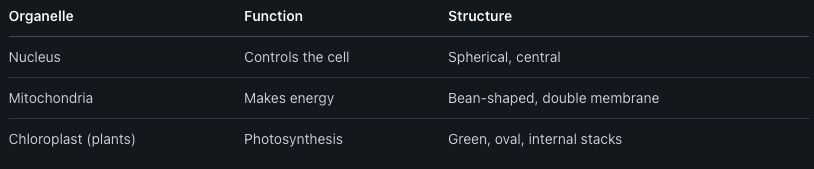
Using color-coded visuals is especially helpful for students who find complex cell structures confusing.
Models and Hands-On Activities
Physical and digital modeling activities make abstract organelle concepts more concrete. Creating cell models out of clay or craft materials allows students to build and label each part. Teachers may ask students to assemble puzzle-like brain models or use kits with removable cell parts.
Lab activities, such as observing cells under a microscope, give students a research experience. They can compare plant and animal cells and point out differences in appearances and organelles. Short projects, like making a model with household items, encourage creativity and reinforce what they’ve learned about structure and function.
Consistent hands-on practice leads to better recall, especially for younger learners.
Integrating Bioinformatics and Technology
Technology and bioinformatics provide interactive ways for students to explore organelles. Middle school classes can use tablets or computers to view 3D models of cells, rotate them, and click on the parts to read descriptions. Some lessons include computational models that show how organelles work together.
Teachers can provide websites or apps where students run simple simulations, such as tracking how energy moves from mitochondria to other parts of the cell. Staff training or professional development for teachers helps them use these digital tools effectively in lessons.
Using both technology and traditional teaching makes it possible to reach different types of learners and connect biology to real-world uses.
Cell Organelles in the Nervous System
Cell organelles play a critical role in the function of neurons, affecting how information moves through the nervous system. Each part of a neuron, including axons, dendrites, and synapses, has unique qualities that support brain activity, learning, and memory.
Neurons and Cellular Structure
Neurons are the main cells of the nervous system. Each neuron has three main parts: the cell body, axon, and dendrites. Inside the cell body, organelles like the nucleus, mitochondria, and ribosomes control cell activity, produce energy, and build proteins.
The mitochondria supply the energy needed for electrical properties and action potentials. Ribosomes help synthesize proteins that neurons need to grow and repair themselves.
Neuroscientists study neuron morphology and electrophysiology to understand brain function and cognition. Neuronal networks and microcircuits form when many neurons connect, allowing information to travel across the brain and body.
Function and Importance of Axons and Dendrites
Axons and dendrites are key for signal transmission in the brain. Axons are long structures that send electrical messages to other neurons. Dendrites capture signals from nearby cells. Both axons and dendrites have specialized membranes and organelles for fast signal transmission.
The axon uses energy from mitochondria to send action potentials over long distances. The axon terminals release chemical messengers called neurotransmitters during synaptic transmission.
Dendrites contain many receptors that catch signals and start electrical impulses. Their branching shapes allow one neuron to connect to many others, increasing the brain’s ability to process information. These connections form the basis of neural circuits involved in learning and memory.
The Synapse and Neurotransmitter Activity
At the end of the axon, the synapse is where neurons communicate. A synapse is a gap between two neurons. When an action potential reaches the axon terminal, tiny sacs called vesicles release neurotransmitters into the synaptic gap.
Neurotransmitters travel across the gap and bind to receptors on the next neuron's dendrite. This process, called synaptic transmission, lets signals pass from cell to cell in neuronal networks.
Synaptic connections change over time, a feature known as synaptic plasticity. This process supports learning, memory, and reasoning. Computational neuroscience often models these synaptic activities to better understand cognition and brain function.
Linking Cell Organelle Health to Human Diseases
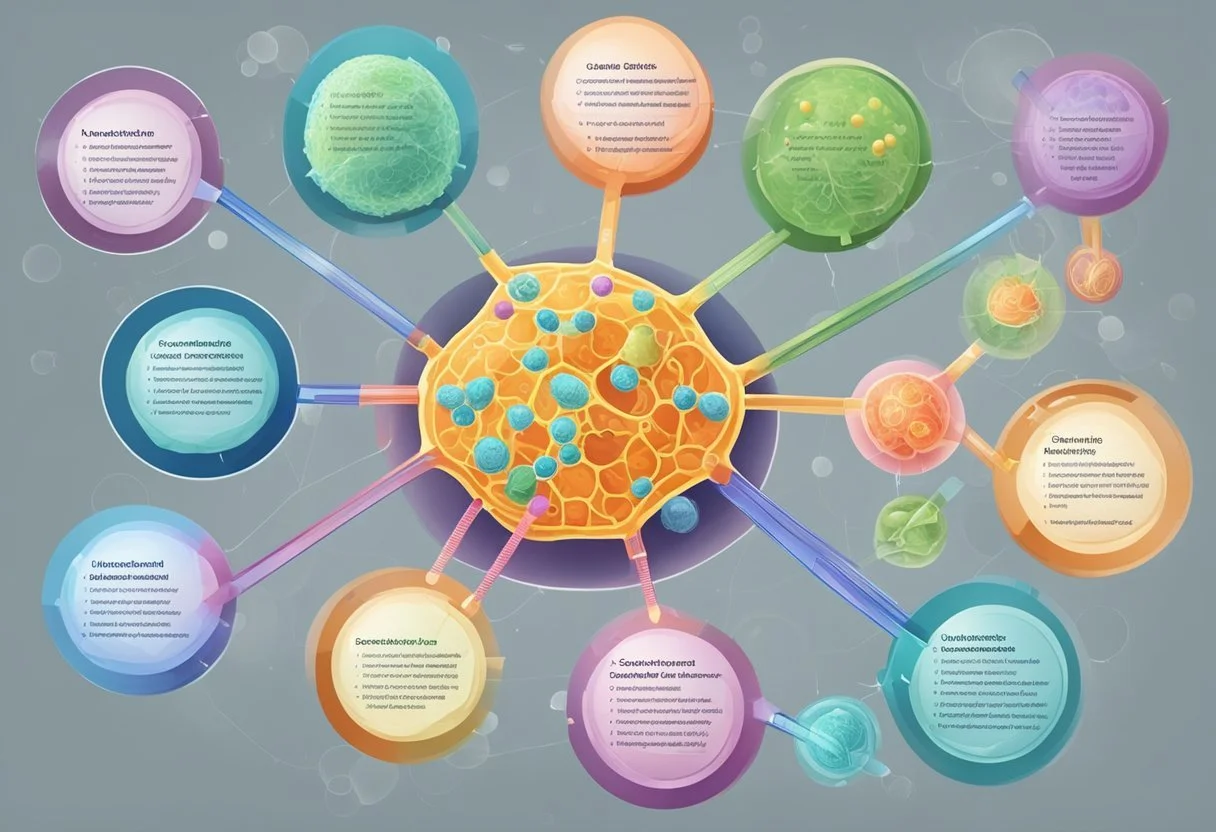
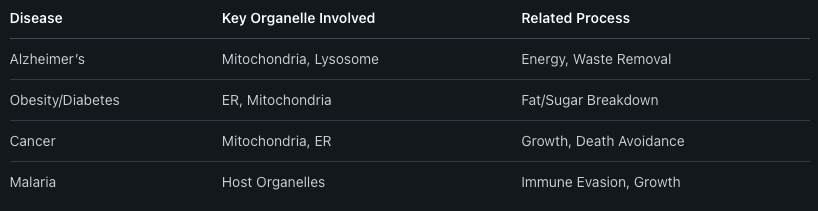
Problems with cell organelles are linked to specific diseases in the human body. When organelles do not work properly, cells can age faster or fail to function, leading to conditions such as Alzheimer's disease, diabetes, cancer, and infections.
Neurodegeneration and Alzheimer's Disease
Dysfunction in cell organelles, like mitochondria and lysosomes, can cause brain cells to break down. In Alzheimer's disease, mitochondria produce less energy and create more harmful byproducts called reactive oxygen species. These byproducts damage cell parts and may lead to faster aging in brain cells.
Lysosomes are responsible for clearing out waste in cells. In Alzheimer’s disease, lysosomes do not clear protein clumps well. This leads to the build-up of amyloid-beta plaques, which hurt communication between brain cells.
Researchers are exploring therapies that target mitochondria and lysosomes to slow neurodegeneration. These treatments aim to reduce cell stress and help brain cells remove toxic materials more effectively.
Metabolic Diseases and Organelles
Metabolic diseases, such as obesity or type 2 diabetes, are often linked to problems in the way cell organelles handle fats and sugars. The endoplasmic reticulum (ER) helps fold proteins, break down fats, and manage stress inside cells.
When the ER becomes stressed, it sends signals that can lead to inflammation or insulin resistance. Mitochondria also play a role. If they stop working well, cells can’t convert sugars or fats into energy. This can raise the risk of metabolic diseases.
Some new therapies target these pathways. Drugs that help mitochondrial function or calm ER stress may lower inflammation or improve how the body uses insulin.
Cancer and Malaria Connection
Cancer is tied to changes in cell organelle function. For example, cancer cells often have abnormal mitochondria that help them survive and grow, even when oxygen is low. The ER can also help cancer cells avoid proteins that control cell death.
Malaria is caused by a parasite that invades red blood cells and hijacks their organelles. The malaria parasite, Plasmodium falciparum, uses the host’s organelles to hide from the immune system and grow. This makes it hard for the body to fight infection.
Some new cancer treatments block changes in organelles to stop tumor growth. For malaria, scientists are studying drugs that target the parasite’s use of cell organelles without hurting healthy cells.
Exploring Cell Organelles Through Research and Experimentation
Students and educators can deepen their understanding of cell organelles by combining hands-on experiments, genomics, and computer analysis. Each method adds a different layer of knowledge, from observing organelles directly to decoding how genes and proteins function within cells.
Laboratory Approaches and Techniques
Many educators use laboratory techniques to guide students in studying cell organelles. Microscopy is a key tool. It allows visualization of structures like the nucleus, mitochondria, and chloroplasts. Bright-field and fluorescence microscopes provide detailed images and can be used to examine organelles in plants, animals, or yeast.
Students may design research projects involving staining, sectioning, or isolating specific organelles. For example, differential centrifugation can separate mitochondria from other cell parts, and students then test functions such as enzyme activity.
Simple experiments can include testing the effect of salt, temperature, or chemicals on organelle behavior. These approaches are supported by biotechnology tools that help track proteins and measure cellular changes, making them practical in both chemistry and biology classrooms.
Functional Genomics and Proteomics
Functional genomics focuses on understanding the roles of genes in cells. By using gene editing tools such as CRISPR, researchers can turn off or modify genes in organisms like yeast to see what happens to organelles. This helps clarify what each gene does.
Proteomics looks at all the proteins in a cell. Scientists can use techniques like mass spectrometry to identify proteins in mitochondria or lysosomes and learn how they work together. Data from these studies can show how protein changes may cause diseases or help cells adapt to new environments.
These methods reveal which genes and proteins are most important for organelle function. This research experience is central to careers in biotechnology, molecular genetics, or chemical engineering.
Computational Analysis in Cell Biology
Computational models are vital for interpreting complex data from experiments. Researchers use software to predict how changes in gene expression will impact cell organelles. These tools can simulate how organelles grow, move, or interact.
Many research projects now involve analyzing large datasets from genomics or proteomics. Students and scientists examine figures or create visual maps of organelle networks. This helps them see relationships between different proteins, genes, and organelles.
Computer analysis is also helpful in comparing cell organelles between species, such as humans and yeast. It lets scientists test ideas before doing experiments in the lab, saving time and resources.
Connecting Cell Organelles to Metabolism and Autophagy

Cell organelles carry out important jobs that affect energy use and waste removal in cells. Some organelles help break down food and lipids, while others clear out damaged parts to keep the cell working well.
The Role of Metabolism in Cellular Health
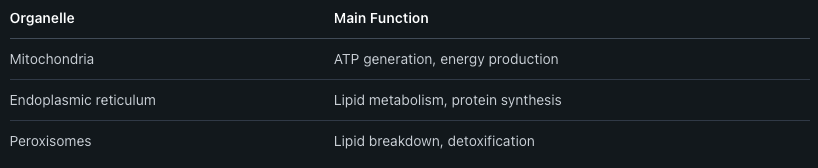
Metabolism is the group of chemical reactions in a cell that creates and uses energy. The mitochondria are key organelles for this process. They turn broken-down food, like glucose and fatty acids, into ATP, which is the cell's main energy source.
Cells also depend on the endoplasmic reticulum and peroxisomes for processing lipids and detoxifying harmful substances. These steps help make biomolecules needed for growth and repair.
A healthy metabolism depends on each organelle working correctly. If one part is damaged, problems can happen, like excess fat buildup or poor energy production.
Important metabolic organelles:
Autophagy and Cellular Maintenance
Autophagy is a process cells use to clean out old or damaged parts. Lysosomes are the main organelles in autophagy. They have special enzymes that break down waste and recycle useful materials.
During times of stress or low nutrients, autophagy increases to give the cell extra building blocks by recycling unneeded components. This helps protect the cell from damage.
Autophagy is essential for removing faulty proteins and worn-out organelles. Without it, unwanted biomolecules and fats can build up, which can hurt cell health.
Key steps in autophagy:
Damaged material is marked and wrapped by a membrane.
The autophagosome forms and joins with a lysosome.
Enzymes break down the contents.
Recycled parts go back into the cell for reuse.
Supporting Lifelong Learning in Cellular Biology
Students encounter cell organelles early in their STEM journey. Building a strong understanding from middle school through higher education can support deeper interest and success in cellular biology. Professional development opportunities ensure ongoing growth in the field.
Pathways from Middle School to Graduate School
Cellular biology education starts with basic concepts in middle school, using tools like diagrams, hands-on models, and games to make learning interactive. Effective middle school lessons introduce cell structure and function, emphasizing organelles like the nucleus, mitochondria, and chloroplasts.
As students advance to high school, they explore topics such as cellular respiration and genetics, connecting textbook knowledge to real-life examples through experiments and lab work. In undergraduate and graduate school, learners engage with research projects, lab internships, and advanced coursework. These allow for in-depth study and encourage critical thinking about the role of organelles in health and disease.
Programs that combine classroom learning with laboratory experiences better prepare students at each stage. Strong mentorship during college and graduate school helps learners pursue advanced degrees and research careers in cellular biology.
Career Development and Professional Growth
Career development in cellular biology involves staying updated with the latest research and workplace skills. Scientists and teachers often attend conferences, workshops, and online webinars to expand their knowledge and network with peers.
Professional development can include:
Certification courses in lab techniques
Collaborating on research publications
Presenting findings at scientific meetings
Employers value ongoing learning. They may support staff in taking courses or earning professional credentials. Graduate school often requires students to develop skills in data analysis, problem-solving, and communication, all of which are useful for teaching, research, or industry careers in biology. Joining professional groups, like the American Society for Cell Biology, connects researchers and educators, helping them stay engaged and up to date.
Frequently Asked Questions
Many teachers use models, simulations, and creative lesson plans when teaching about cell organelles. Different strategies help students of all ages understand cell structure and function in a clear and engaging way.
What are effective hands-on activities for teaching cell organelles?
Building 3D cell models with clay, candies, or craft materials helps students visualize organelles. Using microscope slides to observe real plant and animal cells connects lessons to real-world biology.
Creating cell analogies using familiar objects, like comparing a cell to a city, supports deeper thinking.
How can cell structure simulations enhance the understanding of organelles?
Digital simulations allow students to explore cell structures without needing real lab equipment. Virtual labs let students "dissect" digital cells and see how organelles interact inside the cell.
Interactive diagrams can reinforce which parts do which jobs.
Which methods are most successful for engaging high school students in learning about cell organelles?
Group projects, such as building and presenting a cell model, foster teamwork and communication. Case studies let students apply what they've learned to real-world examples, like diseases caused by organelle malfunction.
Debates or presentations about the roles of organelles build research and public speaking skills.
What strategies work best for introducing elementary students to the concept of cells and organelles?
Simple diagrams, puzzles, and coloring activities help young learners recognize basic cell parts. Storytelling can introduce organelles as characters with unique jobs, making the topic more approachable.
Using songs or chants for organelle names and functions supports memory.
How can teachers incorporate cell organelles lesson plans into a curriculum effectively?
Aligning lessons with science standards ensures the information is age-appropriate and relevant. Mixing short lectures with labs, videos, and group activities keeps students engaged.
Building from basic cell structure to specific organelles provides a logical progression.
What are innovative techniques to make the study of cells and organelles enjoyable?
Gamified quizzes or escape room activities motivate students to remember organelle facts. Augmented reality apps let students view and interact with 3D cell models using tablets or phones.
Connecting lessons to health or news stories makes the topic current and meaningful.


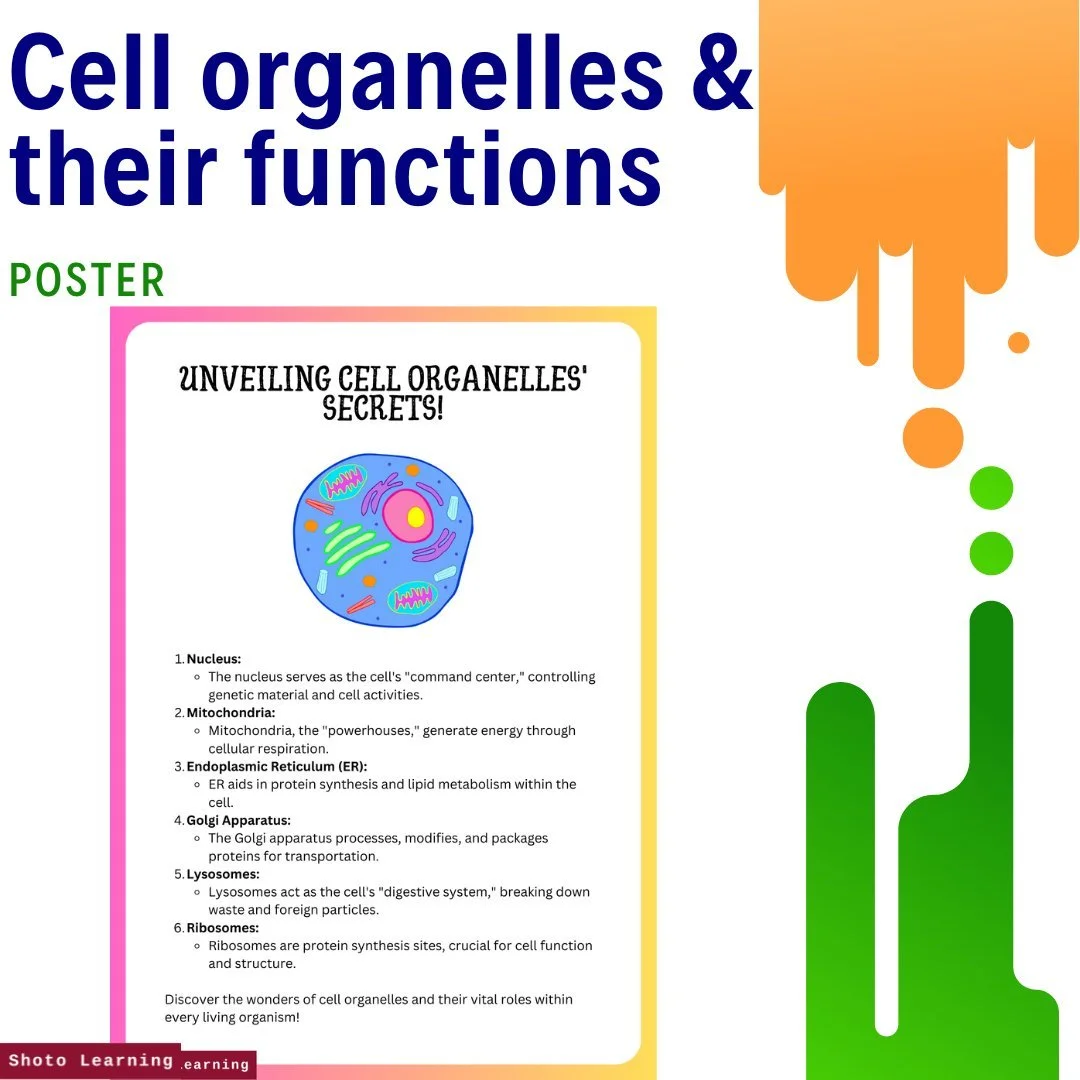


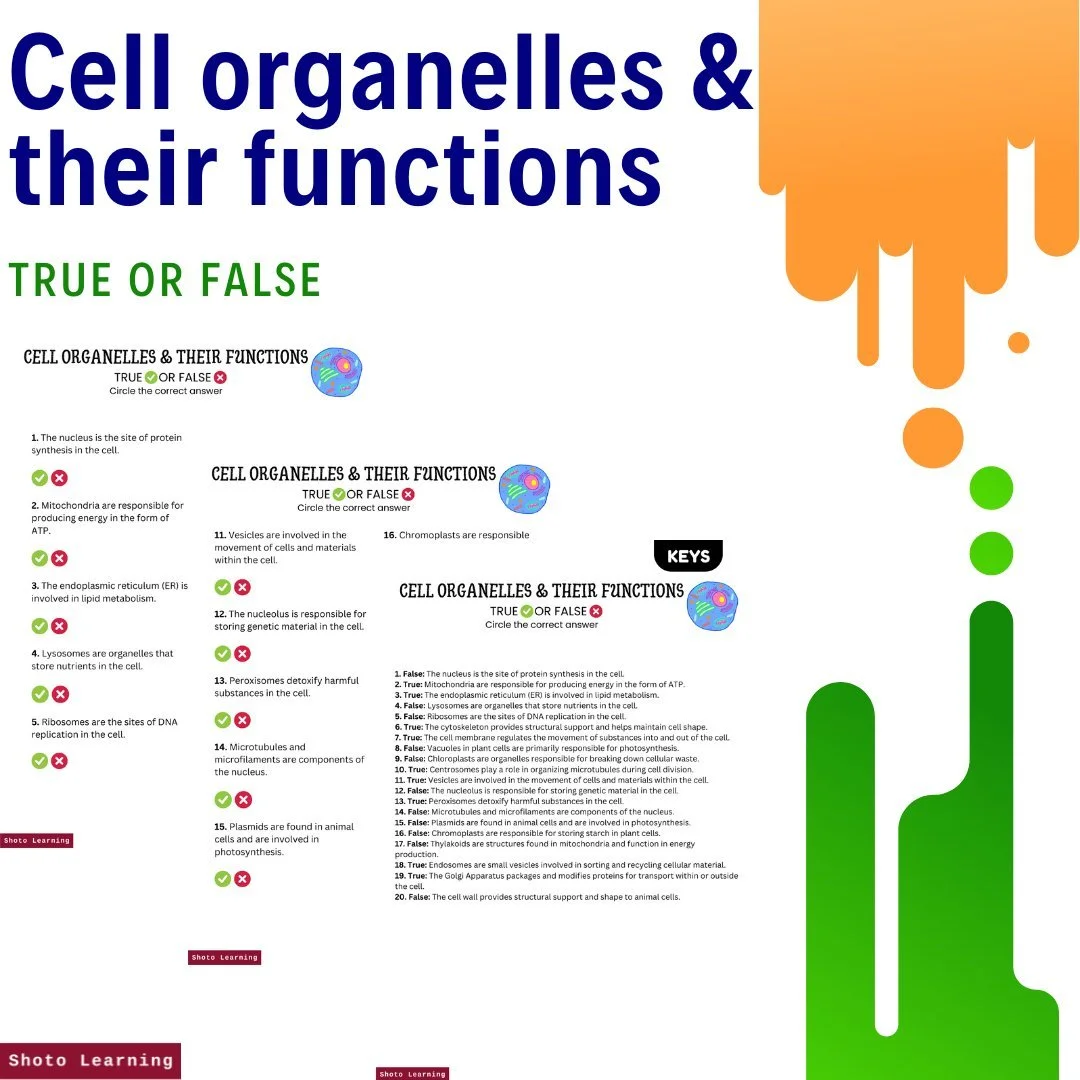


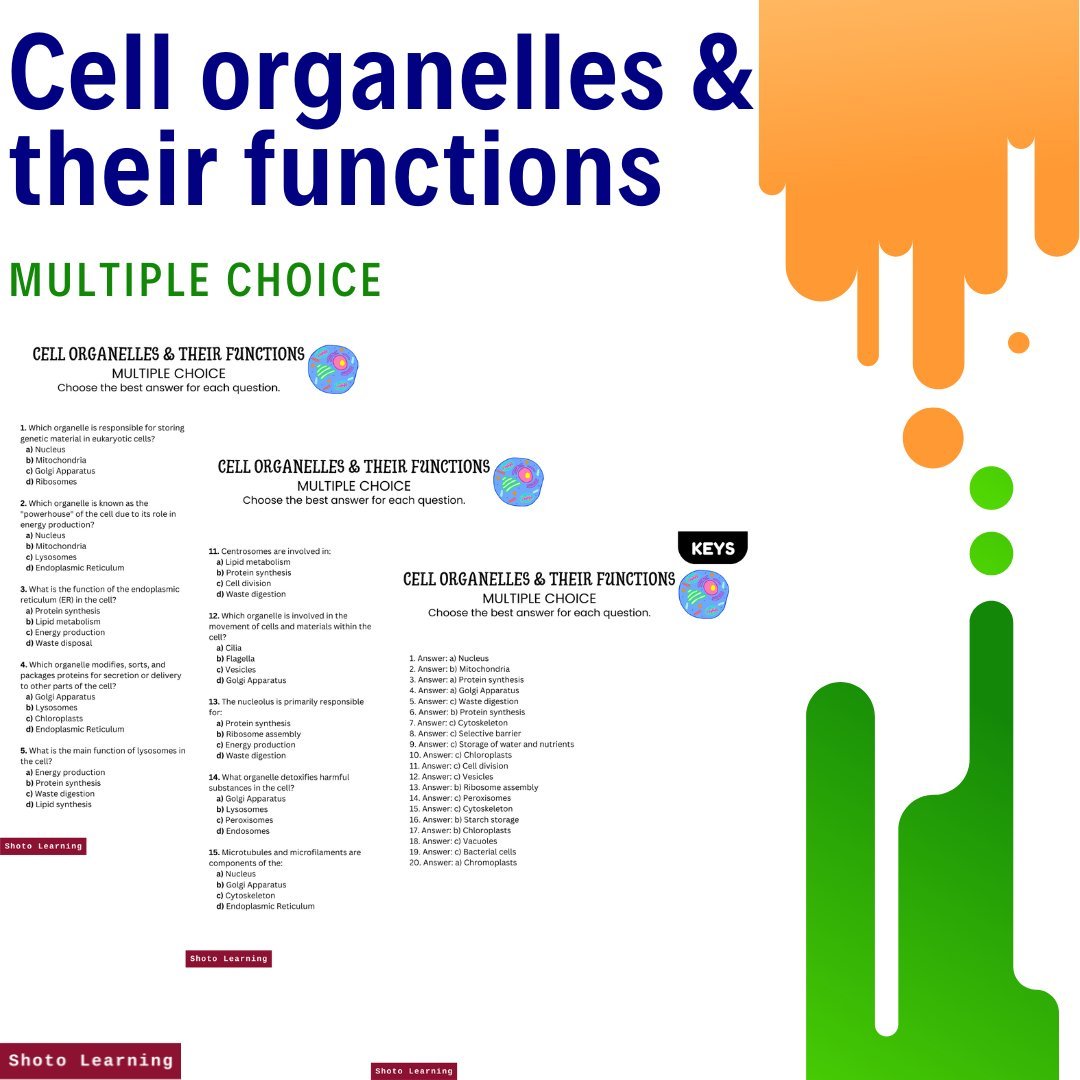


Dive deep into the world of cell organelles and their functions with our comprehensive "Cell Organelles and Functions Mega Bundle"! This all-inclusive bundle offers a wide range of engaging and educational resources designed to enhance your understanding of cellular biology.
Key Features:
Assignments: Embark on 10 stimulating assignments covering diverse topics, encouraging critical thinking and practical application of knowledge.
Bingo: 30 bingo cards featuring cell organelles and their functions for interactive learning and review sessions.
Crossword: Challenge your knowledge with a crossword puzzle focusing on cell organelles and their roles.
Cryptogram: Decode hidden messages related to cell organelles and functions with this fun and challenging activity.
Debate: Engage in stimulating discussions on various aspects of cell organelles and their functions with our debate prompts.
Experiments: Explore hands-on experiments illustrating fundamental principles across various disciplines, fostering deeper understanding and engagement.
Fill in the Blank: Test your knowledge with fill-in-the-blank questions covering essential concepts in cellular biology.
Flashcards: Reinforce key information with flashcards highlighting cell organelles and their functions.
Free ABC Order: Practice alphabetizing cell organelles and their functions with our free ABC order worksheet.
Free Label the Parts: Test your labeling skills with our free worksheet on identifying cell organelles.
Free Poster: Explore the intricate details of cell organelles and their functions with our free poster.
Lesson Plan: Dive deep with our detailed lesson plan, complete with engaging activities and discussion topics.
Matching: Match organelles with their corresponding functions in this interactive matching activity.
Missing Letters: Fill in the missing letters to complete words related to cell organelles and their functions.
Multiple Choice: Test your knowledge with multiple-choice questions covering various aspects of cellular biology.
PowerPoint: Explore the world of cell organelles and functions with our informative and visually appealing PowerPoint presentation.
Questions and Answers: Test your understanding with a comprehensive set of questions and answers on cell organelles and their functions.
Reading Comprehension: Sharpen reading skills with engaging passages, perfect for students and educators alike.
Scramble: Unscramble words related to cell organelles and their functions with this challenging activity.
Test (45 Minutes): Assess your knowledge with a 45-minute test covering cell organelles and functions.
True or False: Determine the accuracy of statements related to cell organelles and their functions with this true or false activity.
Word Search: Have fun while reinforcing your knowledge with a word search puzzle featuring cell organelles and their functions.
Writing Prompts: Stimulate critical thinking and creativity with writing prompts centered around cell organelles and their functions.
Whether you're a student, educator, or enthusiast, our "Cell Organelles and Functions Mega Bundle" has everything you need to master the fascinating world of cellular biology. Dive in, explore, and discover the intricacies of cell structure and function like never before!
Pages: 132 pages
Order your copy today!