
Understanding Human Body Systems: A Fun Guide for Kids
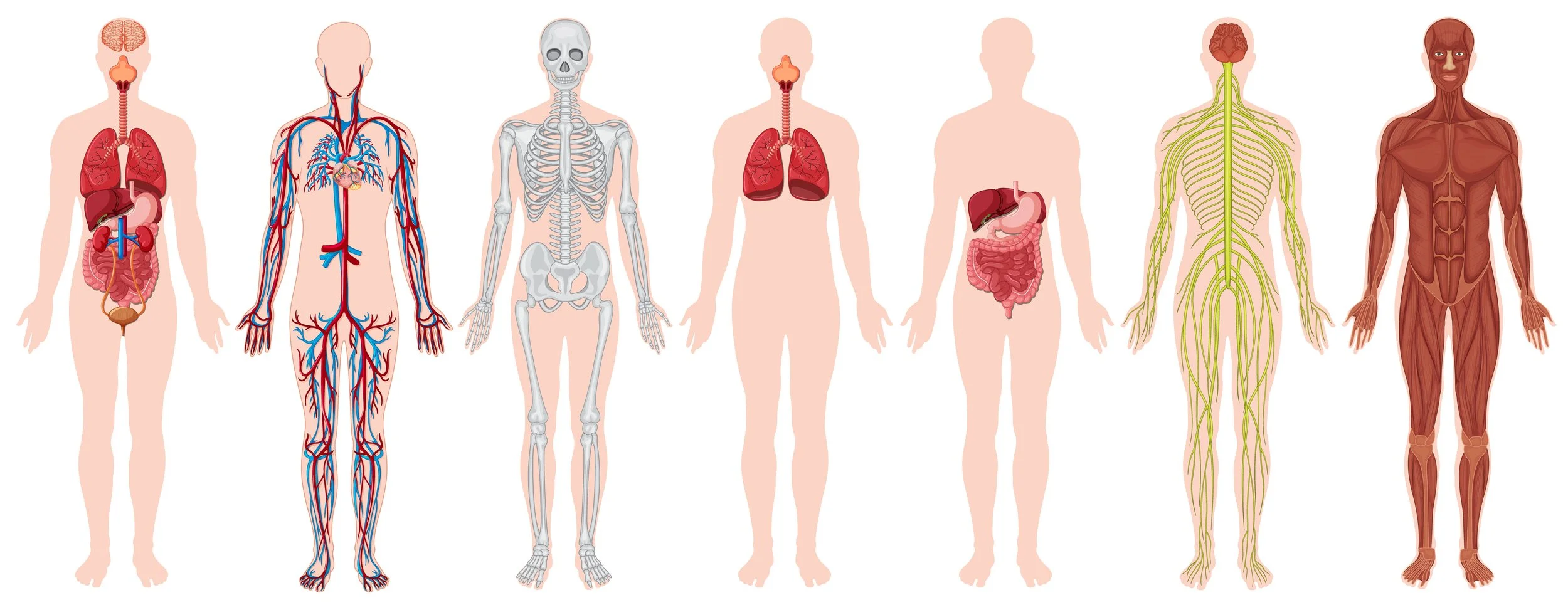
The human body is a complex and fascinating machine, composed of various systems that work together to keep us healthy and functioning optimally. Teaching kids about these human body systems can be both fun and educational, sparking their interest in biology and anatomy from an early age.
Overview of Human Body Systems
Nervous System
Function: Controls communication and coordination in the body.
Components: Includes the brain, spinal cord, and nerves.
Teaching Tip: Engage children with activities focused on the senses, such as optical illusions or sensory exploration.
Muscular System
Function: Responsible for movement and physical activity.
Components: Comprises muscles, tendons, and ligaments.
Teaching Tip: Encourage movement through sports, dance, or physical games that activate their muscles.
Skeletal System
Function: Provides structure and support to the body.
Components: Consists of bones, joints, and connective tissue.
Teaching Tip: Use bone models or interactive games that promote movement and stretching to illustrate how bones function.
Respiratory System
Function: Facilitates breathing and oxygen intake.
Components: Includes the lungs, trachea, and bronchial tubes.
Teaching Tip: Incorporate breathing activities like yoga or meditation to help children understand how we breathe.
Digestive System
Function: Breaks down food and absorbs nutrients.
Components: Encompasses the mouth, esophagus, stomach, and intestines.
Teaching Tip: Plan cooking or gardening activities to teach kids about nutrition and the digestive process.
Cardiovascular System
Function: Circulates blood throughout the body.
Components: Comprises the heart, blood vessels, and blood.
Teaching Tip: Organize heart-pumping activities, like running or jumping jacks, to demonstrate how the heart works.
Endocrine System
Function: Regulates hormones and maintains bodily balance.
Components: Includes glands such as the pituitary and thyroid.
Teaching Tip: Use activities related to emotions and moods, like journaling or mindfulness exercises, to explore how hormones affect our feelings.
Immune System
Function: Protects the body from infections and diseases.
Components: Comprises white blood cells, antibodies, and specialized cells.
Teaching Tip: Teach children about hygiene and health through activities like handwashing demonstrations or discussions about vaccines.
Effective Teaching Strategies
When introducing children to the human body systems, consider using visual aids such as diagrams, models, and engaging videos. Hands-on activities, experiments, and interactive learning can significantly enhance their understanding of how these systems interact.
Always use age-appropriate language and encourage questions to foster curiosity and engagement. By making learning enjoyable, we can instill a love for science and a deeper appreciation for the incredible complexity of the human body.
Conclusion
Teaching kids about the human body systems can be an exciting and enriching experience. By helping them understand how their bodies work, we not only promote healthy habits but also ignite a passion for biology and anatomy that can last a lifetime.
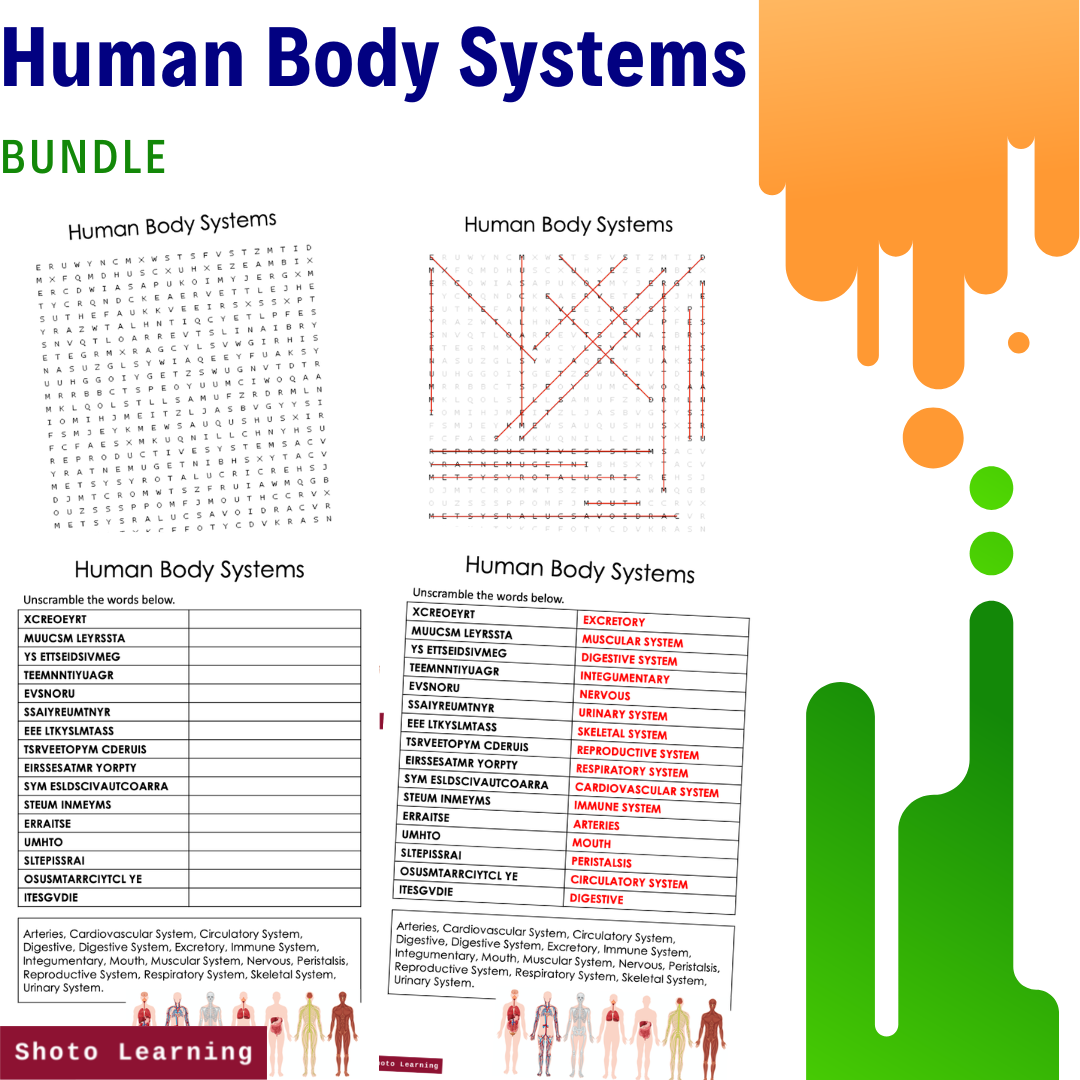
This Human Body Systems Science Activity Bundle is an engaging way to introduce students to the body's main systems. Perfect for both in-class and online learning, the bundle includes a word find and scramble words game to help students learn the key vocabulary related to the body's major systems. With this bundle, students will have a clear understanding of the main body systems and the associated vocabulary.
HUMAN BODY SYSTEMS - WORD FIND & UNSCRAMBLE WORDS
Words from the human body systems are featured in this Science Game Puzzle Worksheet. To find the 16 hidden words and unscramble them.
When teaching a unit on the human body systems, this is a good resource for early finishers or as a take-home game.
The vocabulary words covered include:
Arteries, Cardiovascular System, Circulatory System, Digestive, Digestive System, Excretory, Immune System, Integumentary, Mouth, Muscular System, Nervous, Peristalsis, Reproductive System, Respiratory System, Skeletal System, Urinary System.
Solution included.
Let’s be friends!
Blog ★ Pinterest ★ Facebook ★ Instagram ★ YouTube
Happy teaching!