
Understanding the Respiratory System: A Comprehensive Teaching Guide
The respiratory system is a vital network in the human body, responsible for bringing oxygen into our cells and expelling carbon dioxide. This intricate system consists of key components, including the nose, trachea, bronchi, lungs, and diaphragm. Together with the cardiovascular system, it ensures that every cell in the body receives the oxygen it needs to function optimally. In this blog post, we will provide effective strategies for teaching the respiratory system to students, making the learning experience both informative and engaging.
Introduction to the Respiratory System
Begin your lesson with an engaging introduction to the respiratory system and its essential functions. Utilize clear diagrams and models to illustrate the various parts of the respiratory system. This visual approach helps students grasp the complexities of how we breathe and why it matters.
The Process of Breathing
Explain to your students the fundamental process of breathing. Discuss how we inhale oxygen and exhale carbon dioxide, emphasizing the significance of this exchange. Demonstrating breathing techniques can also enhance understanding.
Interactive Activities for Engaging Learning
Incorporate interactive activities to deepen students' understanding of the respiratory system. Activities such as role-playing or conducting simple experiments can illustrate concepts effectively. For example, have students simulate breathing by inflating balloons or blowing bubbles, which visually represent lung function.
Anatomy of the Respiratory System
Delve into the anatomy of the respiratory system using diagrams and models. Highlight key components such as the lungs, trachea, bronchi, and diaphragm. Utilize anatomical terminology to describe the location and functions of each part, helping students familiarize themselves with scientific language.
Gas Exchange Explained
The respiratory system plays a crucial role in the exchange of oxygen and carbon dioxide. Explain to your students how the alveoli in the lungs facilitate this gas exchange. Visual aids, such as labeled diagrams, can enhance their comprehension of this essential process.
Exploring Lung Capacity
Use visual aids, such as balloons or a spirometer, to demonstrate how the lungs expand and contract during breathing. This hands-on approach can help students understand lung capacity and the mechanics of respiration.
Common Respiratory Problems
Discuss prevalent respiratory issues like asthma, pneumonia, and bronchitis. Utilize diagrams and models to explain how these conditions affect the respiratory system, fostering awareness of respiratory health.
Utilizing Technology in Teaching
Leverage technology by incorporating videos and animations that illustrate the breathing process and the anatomy of the respiratory system. Additionally, consider using online quizzes to test your students' knowledge and reinforce learning.
Conducting Experiments on Respiratory Health
Engage your students in experiments to demonstrate the effects of smoking or pollution on the respiratory system. This practical approach can instill a deeper understanding of the importance of maintaining respiratory health.
Conclusion and Additional Resources
Wrap up your lesson by summarizing the key points covered. Encourage students to ask questions and explore further. Provide resources such as recommended books, informative videos, or educational websites for continued learning.
Teaching the respiratory system can be both rewarding and enjoyable. By utilizing various teaching methods and resources, you can help your students appreciate the complex system that enables them to breathe and thrive.
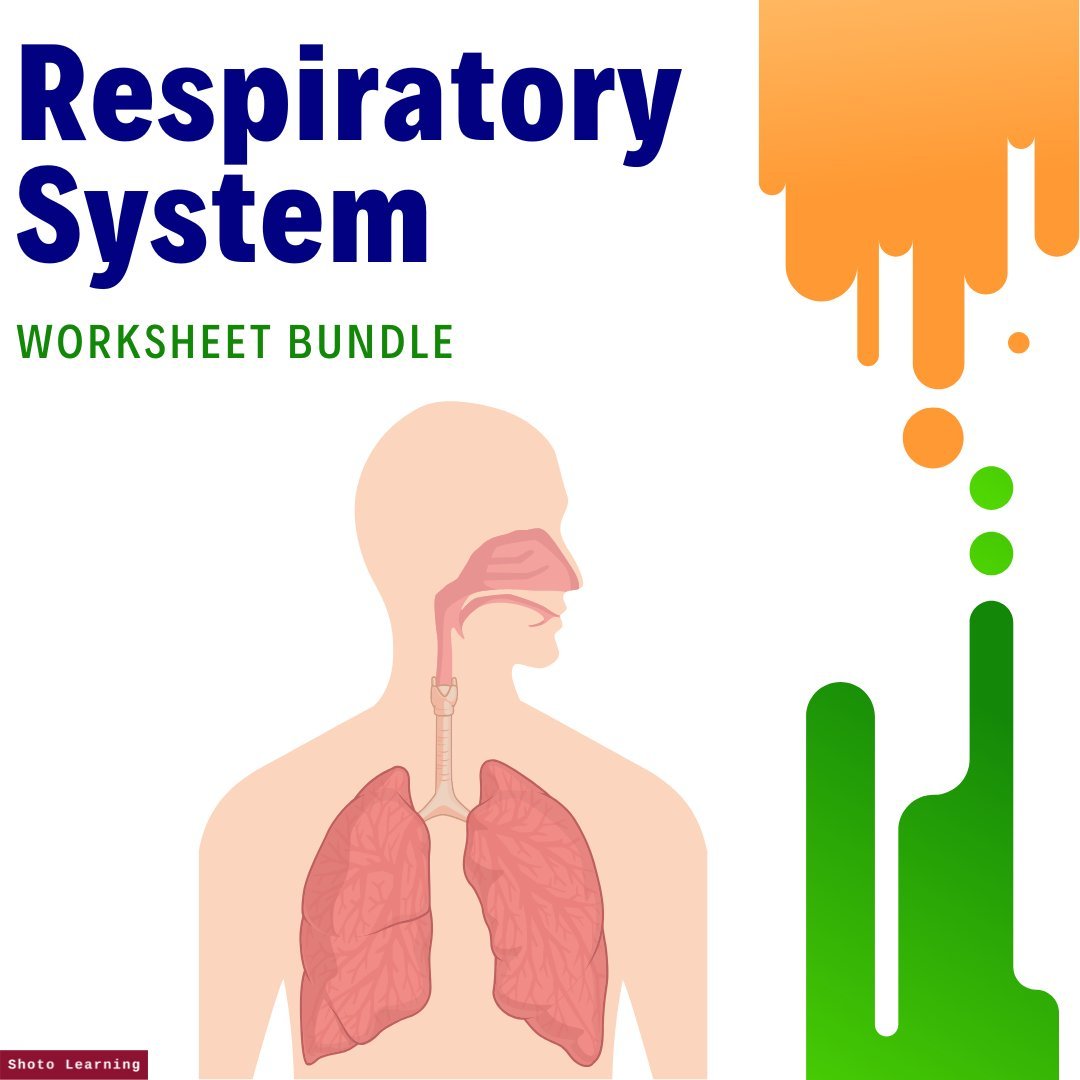
Respiratory System Worksheet Bundle: Learn and Practice
This comprehensive worksheet bundle is perfect for students, teachers, and anyone else who wants to learn about the respiratory system in a fun and engaging way. With 10 different worksheets, you'll be able to test your knowledge of anatomy, physiology, and diseases. Whether you're a beginner or an advanced learner, this bundle has something for everyone.
Features:
10 different worksheets to test your knowledge
Clear and concise explanations of the respiratory system
Visual aids to help you understand the concepts
Fun and engaging worksheets to keep you motivated
Benefits:
Improve your understanding of the respiratory system
Learn about anatomy, physiology, and diseases
Test your knowledge with quizzes
Be better prepared for exams and presentations
Contents:
Assignments
Debate
Fill in the blank
Free ABC Order
Free Fill in the Blank
Free Poster
Matching
Multiple choice
Questions and answers
Reading Comprehension
Test (45 minutes)
True or false
Writing prompts
Get started today and learn about the respiratory system in a fun and engaging way!
70 pages
Don't miss out, order yours today!
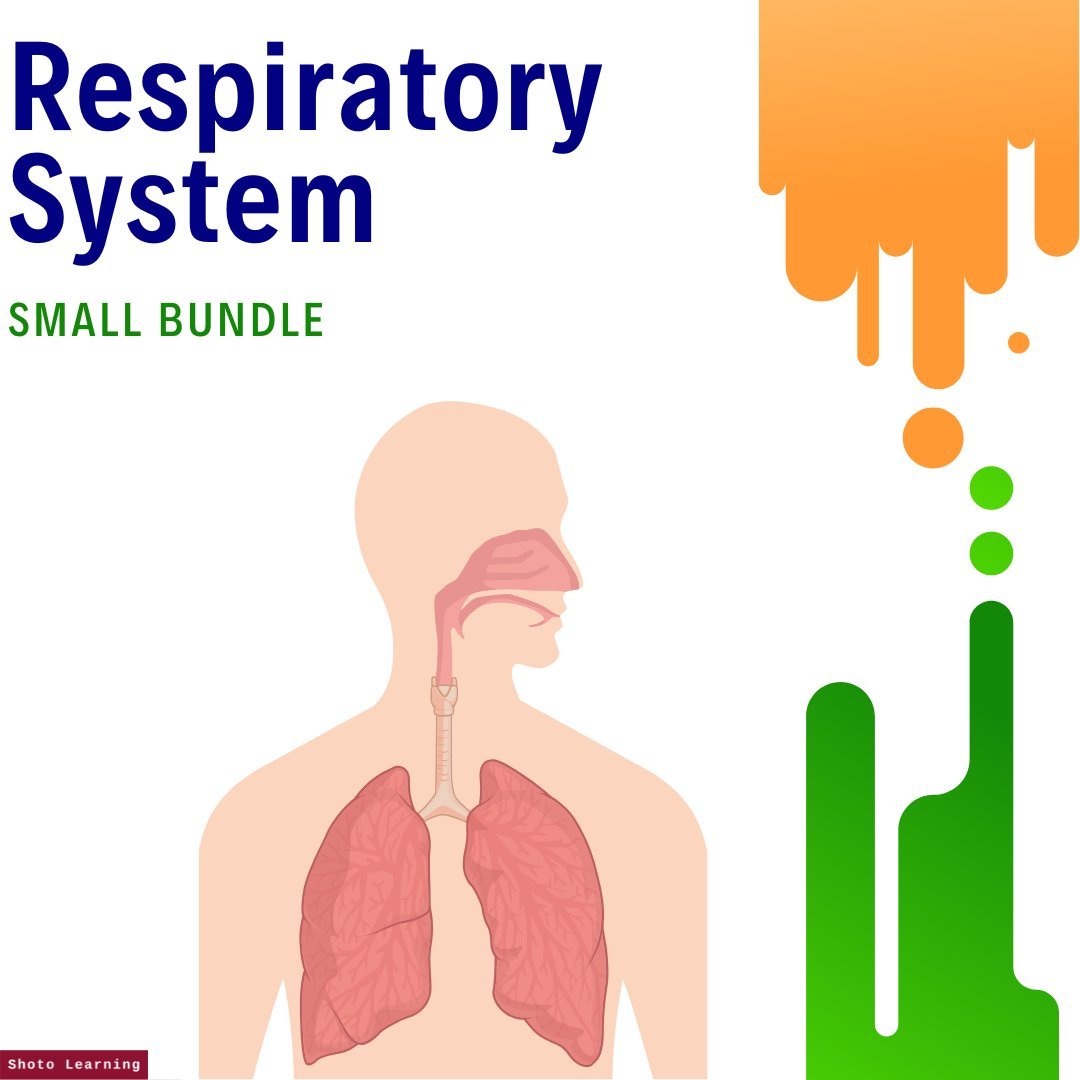
Embark on an educational journey into the intricate workings of the respiratory system with our comprehensive Respiratory System Essentials Bundle. Designed to empower educators and engage students, this bundle offers a wealth of resources to unravel the complexities of breathing and gas exchange.
Inside this carefully curated bundle, you'll find an array of educational tools:
PowerPoint Presentation: Dive deep into respiratory anatomy and physiology with our visually engaging and informative PowerPoint presentation, perfect for classroom instruction or self-paced learning.
Test (45 Minutes): Assess understanding and retention with our meticulously crafted test, covering essential topics in respiratory system function and disorders.
Reading Comprehension: Sharpen reading skills with engaging passages, perfect for students and educators alike.
Lesson Plan: Dive deep with our detailed lesson plan, complete with engaging activities and discussion topics.
Bingo: Make learning interactive and fun with our Respiratory System Bingo game, designed to reinforce terminology and concepts in an engaging classroom setting.
Crossword: Challenge knowledge and expand vocabulary with our Respiratory System Crossword puzzle, offering a stimulating way to reinforce understanding.
Word Search: Sharpen observational skills while hunting for respiratory-related terms in our entertaining Word Search activity, ideal for reinforcing terminology and concepts.
Cryptogram: Decode the mysteries of respiratory system biology with our Cryptogram puzzle, providing a captivating twist on learning fundamental concepts.
True or False: Test comprehension and dispel misconceptions with our True or False activity, designed to promote critical thinking and reinforce knowledge.
Matching: Strengthen connections between respiratory system components with our Matching activity, fostering a deeper understanding of structure and function.
Missing Letters: Fill in the blanks and complete respiratory-related terms with our Missing Letters exercise, perfect for reinforcing spelling and vocabulary.
Scramble: Unscramble jumbled phrases related to the respiratory system with our engaging Scramble activity, promoting quick thinking and problem-solving skills.
Plus, enjoy these valuable bonuses included for free:
Free ABC Order: Practice alphabetizing respiratory terms with our convenient ABC Order activity.
Free Fill in the Blank: Enhance your understanding of respiratory system functions with our complimentary Fill in the Blank activity.
Free Poster: Reinforce learning and decorate your classroom with our informative and visually appealing Respiratory System Poster.
With answers provided for all activities, this comprehensive bundle equips educators and students alike with the tools needed to explore the wonders of the respiratory system with confidence and clarity. Take a breath of fresh knowledge and dive into the world of breathing today!
71 pages
Don't miss out, order yours today!

Respiratory System Game Bundle: Learn and Have Fun!
This fun and educational game bundle is perfect for kids, students, and adults who want to learn about the respiratory system in a fun and engaging way. With 8 different games, you'll be able to test your knowledge of anatomy, physiology, and diseases. Whether you're a beginner or an advanced learner, this bundle has something for everyone.
Features:
8 different games to test your knowledge
Clear and concise explanations of the respiratory system
Visual aids to help you understand the concepts
Fun and engaging games to keep you motivated
Benefits:
Improve your understanding of the respiratory system
Learn about anatomy, physiology, and diseases
Test your knowledge with quizzes and games
Be better prepared for exams and presentations
Contents:
ABC Order
Bingo
Crossword
Cryptogram
Free Fill in the Blank
Free PowerPoint
Free Poster
Matching
Missing letters
Scramble
Word search
Get started today and learn about the respiratory system in a fun and engaging way!
41 pages
Order your copy today!

Learn about the anatomy and function of the respiratory system with this free poster.
This poster features a simple illustration of the respiratory system along with clear labels of the major organs and structures.
This poster is a great resource for students, teachers, and anyone who wants to learn more about the respiratory system. It is also a beautiful and informative addition to any classroom or home.
Features:
Clear labels of the major organs and structures
Free to download and print
Benefits:
Learn about the anatomy of the respiratory system
Improve your understanding of how the body works
Get a beautiful and informative poster for your classroom or home
Download your free poster today!

Learn about the respiratory system with this fun and interactive worksheet!
This worksheet includes a diagram of the respiratory system with blanks for you to fill in. The words you need to fill in are in the word bank.
As you fill in the blanks, you will learn about the different parts of the respiratory system and how they work together to help you breathe. You will also learn about the functions of the respiratory system, such as bringing oxygen into the body and removing carbon dioxide.
This worksheet is a great way to learn about the respiratory system and how it works. It is also a fun and interactive way to review your knowledge of the respiratory system.
What's included:
A diagram of the respiratory system with blanks for you to fill in
A word bank with the words you need to fill in
Who is this worksheet for?
This worksheet is a great resource for students who are learning about the respiratory system. It can also be used by students who need a review of the respiratory system.
How to use this worksheet:
Print out the worksheet.
Read the instructions.
Fill in the blanks on the diagram of the respiratory system.
Check your answers against the word bank.
Benefits of using this worksheet:
Learn about the different parts of the respiratory system and how they work together.
Learn about the functions of the respiratory system.
Review your knowledge of the respiratory system.
Have fun learning about the respiratory system.
Download your free copy of the Fill in the Blank Respiratory System Worksheet today!

ABC Order Respiratory System Worksheet
This worksheet helps students learn the parts of the respiratory system in alphabetical order. The worksheet includes 21 terms, all of which are related to the respiratory system. Students will need to unscramble the terms and then cut and paste them in alphabetical order. This worksheet is a great way for students to learn the parts of the respiratory system and practice their alphabetical ordering skills.
Features:
21 terms related to the respiratory system
Students cut and paste terms in alphabetical order
A great way to learn about the respiratory system
Practice alphabetical ordering skills
Benefits:
Students will learn the parts of the respiratory system
Students will practice their alphabetical ordering skills
Students will have fun learning about the respiratory system
Order your copy today!

The Respiratory System: A PowerPoint Lecture
This PowerPoint lecture provides a comprehensive overview of the respiratory system. The lecture covers the anatomy, physiology, and functions of the respiratory system, as well as common respiratory diseases and disorders. The lecture is presented in a clear and concise format, with easy-to-understand visuals. It is perfect for students, teachers, and anyone else who wants to learn more about the respiratory system.
Features:
Comprehensive overview of the respiratory system
Clear and concise presentation
Easy-to-understand visuals
Benefits:
Gain a better understanding of the respiratory system
Learn about the anatomy, physiology, and functions of the respiratory system
Learn about common respiratory diseases and disorders
Be better prepared to discuss the respiratory system with others
View on Youtube
Includes: PowerPoint and Speech
Download your copy of the Respiratory System PowerPoint lecture today!

Explore the wonders of the human respiratory system with our "Hands-On Respiratory System Experiment Guide." This one-page resource features 5 easy-to-follow experiments that can be done at home to help students understand how breathing works. From creating a balloon lung model to testing lung capacity, each experiment is designed to bring the science of respiration to life in a fun and engaging way.
Key Features:
Simple Instructions: Clear, step-by-step guidance makes it easy to perform each experiment using common household items.
Engaging Learning: Hands-on activities that illustrate key concepts like lung function, breathing rate, and gas exchange.
Educational Resource: Ideal for supplementing classroom lessons or as a take-home project to reinforce learning about the respiratory system.
Interactive and Fun: Encourage curiosity and a deeper understanding of how the body breathes with these interactive experiments.
How to Use It:
Gather Materials: Collect all items listed for each experiment.
Follow Instructions: Perform the experiments using the provided step-by-step directions.
Observe and Record: Document your observations and results.
Discuss Results: Analyze and discuss the findings based on the guide’s explanations.
Perfect for educators and parents looking to add a practical, engaging element to lessons on human anatomy and the respiratory system.
Order your copy today!

Unlock a deeper understanding of the human respiratory system with our "Comprehensive Respiratory System Assignments" package. This collection of 10 thought-provoking questions and answers is meticulously designed to challenge students and reinforce their knowledge of respiratory anatomy, physiology, and the critical processes involved in breathing.
Key Features:
In-Depth Exploration: Each assignment dives into essential aspects of the respiratory system, from the pathway of air to the process of gas exchange, offering a thorough examination of this vital body system.
Clear and Concise Answers: Every question is paired with a well-explained answer, helping students solidify their understanding and prepare for exams.
Diverse Topics Covered: Assignments range from the role of the diaphragm and intercostal muscles in breathing to the impact of smoking on respiratory health, ensuring a comprehensive learning experience.
Critical Thinking Focus: Encourage analytical skills with assignments that require students to compare, contrast, and explain complex concepts related to the respiratory system.
Versatile Learning Resource: Perfect for individual study, classroom activities, or as a supplementary tool to reinforce key concepts in human biology.
How to Use It:
Review the Assignments: Start by going through each of the 10 assignments to get an overview of the respiratory system topics covered.
Complete the Questions: Answer the questions in each assignment to test and reinforce your understanding of respiratory system concepts, functions, and mechanisms.
Check Answers: Use the provided answers to evaluate your responses, identify gaps in your knowledge, and solidify your learning.
Engage in Discussion: Discuss key points with peers or reflect on the content to deepen comprehension and encourage critical thinking.
Apply Knowledge: Use the insights from the assignments to connect theory with real-life applications, such as understanding respiratory health and disorders.
This resource is designed to enhance your knowledge of the respiratory system engagingly and comprehensively.
Order your copy today!

Explore the essential workings of the human respiratory system with our "Respiratory System Reading Comprehension Worksheet." This comprehensive resource provides a clear and concise overview of the key components and functions of the respiratory system, making it an ideal learning tool for students.
Key Features:
Informative Content: Understand the vital organs and processes involved in breathing, including the role of the diaphragm, alveoli, and the overall function of oxygen and carbon dioxide exchange.
Engaging Questions: Test comprehension with 5 well-crafted questions that reinforce understanding and promote critical thinking about the respiratory system.
Educational Resource: Perfect for classroom instruction, homework assignments, or as a supplementary resource in lessons on human anatomy and physiology.
Accessible Format: Presented in an easy-to-read format that simplifies complex biological concepts for learners of all levels.
How to Use It:
In-Class Activity: Integrate the worksheet into a lesson on the respiratory system. Students can read the passage and answer the questions individually or in small groups to deepen their understanding of how the respiratory system functions and its components.
Homework Assignment: Assign the worksheet as homework to allow students to review and reflect on respiratory system concepts at their own pace. This helps reinforce their learning outside of class time.
Study Aid: Use the worksheet as a study tool for students preparing for exams or quizzes on the respiratory system. It provides a comprehensive review of key concepts and helps students test their knowledge effectively.
Help your students build a strong understanding of the respiratory system with this detailed and interactive reading comprehension worksheet!
Order your copy today!

Embark on an enlightening journey through the respiratory system with our comprehensive lesson plan, designed for high school biology classes. "Breath of Knowledge" offers a detailed exploration of the intricate structures, vital functions, and common disorders of the respiratory system, equipping students with a deeper understanding of this essential bodily system.
Key Features:
Comprehensive Coverage: Delve into the anatomy of the respiratory system, from the lungs and trachea to the alveoli and diaphragm, uncovering their roles in breathing and gas exchange.
Dynamic Process Explanation: Understand the process of respiration through engaging explanations and captivating visuals, unraveling the complexities of inhalation, gas exchange, and exhalation.
Interactive Learning: Stimulate student engagement with interactive activities, including hands-on demonstrations and multimedia resources, fostering a deeper comprehension of respiratory concepts.
Real-World Relevance: Explore common respiratory disorders such as asthma, COPD, and pneumonia, analyzing their causes, symptoms, and impacts on respiratory function and overall health.
Assessment Tools: Evaluate student comprehension with built-in assessment tools, including quizzes and worksheets, ensuring mastery of respiratory system knowledge.
How to Use This Lesson Plan:
Review Objectives: Begin by reviewing the lesson objectives and outcomes to understand the focus and goals.
Prepare Materials: Gather all required materials, including handouts, worksheets, and any multimedia resources.
Introduce Topic: Start with a brief introduction to the topic to engage students and set the context.
Follow the Steps: Teach each section as outlined, incorporating suggested activities, discussions, and questions.
Monitor and Adapt: Observe student engagement and understanding; adapt the lesson pace and methods as needed.
Assess Understanding: Use the provided assessment tools to evaluate student comprehension and provide feedback.
Wrap-Up: Summarize key points and provide closure with a reflective activity or homework assignment.
Empower your students to become respiratory experts with "Breath of Knowledge." Equip them with the understanding and awareness needed to appreciate the marvels of breathing and maintain optimal respiratory health throughout their lives.
Order your copy today!

Respiratory System Word Search
This word search is a fun and educational way to learn about the respiratory system. It features over 25 words related to the respiratory system, including the trachea, bronchi, lungs, diaphragm, and alveoli. The words are hidden in all directions, so you'll have to use your problem-solving skills to find them all.
This word search is a great way to introduce the respiratory system to students of all ages. It can be used as a supplement to a science lesson or as a fun activity for independent learning. The answer key is included, so students can check their work.
Features:
Over 25 words related to the respiratory system
Hidden words in all directions
Answer key included
Benefits:
Teach students about the respiratory system
Improves problem-solving skills
Promotes independent learning
Who is this product for?
This word search is a great resource for students of all ages learning about the respiratory system. It is also a fun activity for adults interested in learning more about the human body.
How to use this product:
Print out the word search.
Find the hidden words.
Check your work with the answer key.
Order your copy today and start learning about the respiratory system!

20 True or False Questions and Answers on the Respiratory System
This worksheet is a fun and challenging way to test your knowledge of the respiratory system. It includes 20 true or false questions covering a wide range of topics, such as the structure and function of the respiratory system, the process of respiration, and respiratory diseases.
The answers to all of the questions are included, so you can use this worksheet to assess your understanding of the respiratory system and to identify areas where you need additional study.
This worksheet is a great resource for students, teachers, and anyone who wants to learn more about the respiratory system. It is also a great way to prepare for a test or quiz on the respiratory system.
Features:
20 true or false questions
Answers included
Fun and challenging
Covers a wide range of topics
Benefits:
Assess your knowledge of the respiratory system
Identify areas where you need additional study
Prepare for a test or quiz
Learn about the respiratory system in a fun and interactive way
How to use this worksheet:
Read the instructions carefully before you begin the test.
Answer the questions to the best of your ability.
Check your answers against the answer key.
Review the questions that you answered incorrectly to improve your understanding of the respiratory system.
Order your copy today and start learning!

Respiratory System Word Scramble
This word scramble is a fun and engaging way to learn about the respiratory system. It includes two worksheets: one with a word box to help students find the answers and one without. The answer key is also included.
The word scramble features 25 terms related to the respiratory system, including the nose, trachea, bronchi, lungs, and oxygen. Students will have to unscramble the words and then match them to their definitions.
This word scramble is a great way to reinforce vocabulary and understanding of the respiratory system. It is also a fun and challenging activity that students will enjoy.
Features:
25 terms related to the respiratory system
Two worksheets: one with a word box and one without
Answer key included
Benefits:
Reinforces vocabulary and understanding of the respiratory system
Fun and challenging activity
Can be used as a standalone activity or as part of a larger unit on the respiratory system
Order your word scramble now!

Missing Letter Worksheets on the Respiratory System
These worksheets are a fun and educational way for students to learn about the respiratory system. Each worksheet features missing letters. Students must fill in the missing letters to correctly identify the parts of the respiratory system.
There are two versions of each worksheet: one with a word box (hint) and one without. The version with the word box provides students with a little help, while the version without the word box challenges them to figure out the missing letters on their own.
The worksheets are also available with answers included. This is helpful for students who need a little extra assistance or for teachers who want to use the worksheets as a quiz or assessment tool.
Features:
Fun and educational
Two versions of each worksheet: one with a word box and one without
Answers included
Benefits:
Helps students learn about the respiratory system
Improves vocabulary skills
Challenges students to think critically
Order your copy today and start learning about the respiratory system with missing letter worksheets!

20 Fill-in-the-Blank Worksheet on the Respiratory System
This worksheet is a great way to test your knowledge of the respiratory system. It includes 20 fill-in-the-blank questions, with the answers included. The questions are all related to the anatomy, physiology, and diseases of the respiratory system.
This worksheet is perfect for students and adults who want to learn more about the respiratory system. It is a fun and interactive way to learn about this important system.
Features:
20 fill-in-the-blank questions
Answer key included
Questions related to the anatomy, physiology, and diseases of the respiratory system
Perfect for students and adults
A fun and interactive way to learn about the respiratory system
Benefits:
Improves understanding of the respiratory system
Reinforces knowledge of respiratory terms
Provides a fun and interactive way to learn
Can be used as a diagnostic tool to identify areas of weakness
How to use:
Print out the worksheet and answer key.
Read each question carefully and fill in the blanks.
Check your answers with the answer key.
If you get any answers wrong, review the terms until you understand them.
Order your copy today!

Cryptogram Worksheet on the Respiratory System
This cryptogram worksheet is a fun and challenging way to learn about the respiratory system. It includes a list of terms related to the anatomy, physiology, and diseases of the respiratory system, which have been encoded using three different key codes: symbols, numbers, and letters.
To solve the cryptogram, you will need to use your knowledge of the respiratory system to figure out which letters correspond to each symbol, number, and letter in the key codes. This is a great way to test your understanding of the respiratory system and improve your decoding skills.
The worksheet is perfect for students and adults who want to learn more about the respiratory system. It is a fun and interactive way to learn about this important system.
Features:
List of terms related to the anatomy, physiology, and diseases of the respiratory system
Three different key codes: symbols, numbers, and letters
A fun and challenging way to learn about the respiratory system
Perfect for students and adults
Benefits:
Improves understanding of the respiratory system
Reinforces knowledge of respiratory terms
Improves decoding skills
Provides a fun and interactive way to learn
How to use:
Print out the worksheet.
Study the key codes.
Try to decode the cryptogram.
Check your answers with the answer key.
If you get any answers wrong, review the terms until you understand them.
Order your copy today!

Respiratory System Crossword Worksheet
This crossword worksheet is a fun and interactive way to learn about the respiratory system. It includes 10 clues that cover a variety of topics, such as the anatomy of the respiratory system, the physiology of breathing, and common respiratory diseases.
The worksheet comes in two versions: one with a word bank and one without. The word bank version is a great way for students to review vocabulary terms, while the version without a word bank is a more challenging challenge.
The worksheet also includes an answer key, so students can check their work.
Features:
10 challenging crossword clues
Two versions: with and without a word bank
Answer key included
Benefits:
Helps students learn about the respiratory system
Reinforces vocabulary terms
Promotes critical thinking skills
Provides a fun and interactive learning experience
Who is this product for?
This product is perfect for students who are learning about the respiratory system. It can also be used as a supplement for homeschoolers or students who are preparing for a science test.
How to use this product:
Students can complete the crossword worksheet independently or with a partner.
The worksheet can be used as a review activity, a homework assignment, or a quiz.
Students can use the answer key to check their work.
Order your copy today and start learning about the respiratory system with crossword worksheets!

Respiratory System Bingo
This set of 30 bingo sheets is a fun and engaging way to learn about the respiratory system. The bingo cards feature a variety of terms related to the respiratory system, including anatomy, physiology, and diseases. Players can use the bingo cards to review their knowledge of the respiratory system, or they can use them as a starting point for further research.
The bingo cards are also a great way to break up a long lecture or to introduce a new topic in the classroom. Players can work individually or in teams to complete their bingo cards. The first player to get five in a row wins the game!
Features:
30 bingo sheets with a variety of respiratory terms
A fun and engaging way to learn about the respiratory system
Can be used individually or in teams
Benefits:
Improves understanding of the respiratory system
Promotes critical thinking and problem-solving skills
Encourages teamwork and collaboration
Makes learning fun and engaging
Order your set of Respiratory System Bingo today and start learning about the respiratory system in a fun and engaging way!

10 Debate Questions and Answers on the Respiratory System
This product is a set of 10 debate questions and answers on the respiratory system. The questions are designed to stimulate critical thinking and discussion about the anatomy, physiology, and diseases of the respiratory system.
The questions are divided into two categories:
Fact-based questions test knowledge of the respiratory system.
Debate questions require students to consider different perspectives and arguments.
The answers to the questions are provided, so students can check their understanding. The questions are also accompanied by a discussion guide, which provides prompts and questions to help students explore the topic further.
This product is perfect for students and adults who want to learn more about the respiratory system. It is a great way to stimulate critical thinking and discussion about this important system.
Features:
10 debate questions and answers
A discussion guide included
Questions are divided into fact-based and debate categories
Perfect for students and adults
Stimulates critical thinking and discussion
Benefits:
Improves understanding of the respiratory system
Encourages critical thinking
Provides a fun and interactive way to learn
How to use:
Read the questions
Discuss the questions with your classmates or family members.
Use the discussion guide to explore the topic further.
Order your copy today!

20 Respiratory System Flashcards
These 20 flashcards are a great way to learn about the anatomy and physiology of the respiratory system. The cards feature clear and colorful illustrations of the major structures of the respiratory system, as well as concise descriptions of each structure's function.
The flashcards are perfect for students and but they can also be used by adults who want to learn more about the respiratory system. They are a fun and interactive way to learn about this important system.
Features:
20 full-color flashcards
Clear and concise illustrations
Concise descriptions of each structure's function
Perfect for students and adults
A fun and interactive way to learn about the respiratory system
Benefits:
Improves understanding of the respiratory system
Reinforces knowledge of respiratory structures
Provides a fun and interactive way to learn
How to use:
Review the illustrations and descriptions on each card.
Test yourself by trying to remember the name of each structure and its function.
Use flashcards as a study aid for tests or quizzes.
Share the flashcards with friends and family to learn together.
Here are some additional benefits of using flashcards to learn about the respiratory system:
Flashcards can help you memorize the names and functions of the major structures of the respiratory system.
Flashcards can help you understand the relationship between the different structures of the respiratory system.
Flashcards can help you visualize the process of breathing.
Flashcards can be used as a fun and interactive way to learn about the respiratory system.
Don't miss out; order yours today!

Matching Worksheet on the Respiratory System
This matching worksheet is a great way to test your knowledge of the respiratory system. It includes 10 pairs of terms, with the answer key included. The terms are all related to the anatomy, physiology, and diseases of the respiratory system.
This worksheet is perfect for students and adults who want to learn more about the respiratory system. It is a fun and interactive way to learn about this important system.
Features:
10 pairs of matching terms
Answer key included
Terms related to the anatomy, physiology, and diseases of the respiratory system
Fun and interactive way to learn about the respiratory system
Benefits:
Improves understanding of the respiratory system
Reinforces knowledge of respiratory terms
Provides a fun and interactive way to learn
How to use:
Print out the worksheet and answer key.
Match the terms on the left with the terms on the right.
Check your answers with the answer key.
If you get any answers wrong, review the terms until you understand them.
Order your copy today and start learning about the respiratory system in a fun and engaging way!

This product is a set of 20 multiple choice questions and answers on the respiratory system. The questions are designed to test your knowledge of the anatomy, physiology, and diseases of the respiratory system. The answers are accompanied by explanations, so you can learn from your mistakes.
This product is perfect for students, healthcare professionals, and anyone who wants to learn more about the respiratory system. It is a great way to assess your knowledge, identify areas where you need more learning, and prepare for exams.
Features:
20 multiple choice questions
Answers with explanations
Topics covered: anatomy, physiology, diseases
Perfect for students, healthcare professionals, and anyone who wants to learn more about the respiratory system
Benefits:
Assess your knowledge of the respiratory system
Identify areas where you need more learning
Prepare for exams
Learn from your mistakes
Order your copy today and start learning about the respiratory system!

This product is a set of 20 questions and answers on the respiratory system. The questions are designed to be informative and engaging, and they cover a wide range of topics, from the anatomy of the respiratory system to the different diseases that can affect it.
The questions are accompanied by clear and concise answers, which are written in a way that is easy to understand.
Benefits:
This product can be used to:
Learn about the anatomy and function of the respiratory system
Understanding the different diseases that can affect the respiratory system
Stay up-to-date on the latest research on respiratory health
Prepare for a test or exam on the respiratory system
Features:
20 questions and answers on the respiratory system
Clear and concise answers
Order your copy today and start learning about the respiratory system!

Respiratory System Test Worksheet
This 45-minute test worksheet is a comprehensive assessment of your knowledge of the respiratory system. It includes 10 multiple choice questions, 5 true or false questions, 5 fill in the blanks, 2 short answer questions, 1 diagram labeling, and 1 essay question.
The multiple choice questions cover a wide range of topics, including the structure and function of the respiratory system, the process of respiration, and respiratory diseases. The true or false questions test your understanding of basic respiratory concepts. The fill in the blanks require you to provide specific terms or information. The short answer questions ask you to explain or describe respiratory concepts in more detail. The diagram labeling requires you to identify the structures of the respiratory system. The essay question asks you to apply your knowledge of the respiratory system to a real-world scenario.
The answers to all of the questions are included, so you can use this worksheet to assess your understanding of the respiratory system and to identify areas where you need additional study.
Features:
45-minute test
10 multiple choice questions
5 true or false questions
5 fill in the blanks
2 short answer questions
1 diagram labeling
1 essay question
Answers included
Benefits:
Assess your knowledge of the respiratory system
Identify areas where you need additional study
Prepare for a test or quiz
Learn about the respiratory system in a fun and interactive way
Who is this worksheet for?
This worksheet is for anyone who wants to learn more about the respiratory system. It is a great resource for students, teachers, and healthcare professionals.
How to use this worksheet:
Answer the questions to the best of your ability.
Check your answers against the answer key.
Review the questions that you answered incorrectly to improve your understanding of the respiratory system.
Order your copy today!

10 Writing Prompts and Answers on the Respiratory System
This worksheet is a fun and creative way to learn about the respiratory system. It includes 10 writing prompts that will help you explore your creativity and learn about the different parts of the respiratory system, how it works, and the diseases that can affect it.
The answers to all of the prompts are included, so you can use this worksheet to assess your understanding of the respiratory system and identify areas where you need additional study.
This worksheet is a great resource for students, teachers, and anyone who wants to learn more about the respiratory system. It is also a great way to prepare for a test or quiz on the respiratory system.
Features:
10 writing prompts
Answers included
Fun and creative
Covers a wide range of topics
Benefits:
Explore your creativity
Learn about the respiratory system
Identify areas where you need additional study
Prepare for a test or quiz
Learn about the respiratory system in a fun and interactive way
How to use this worksheet:
Read the instructions carefully before you begin writing.
Choose a prompt that interests you and write a response.
Review your response and make sure it is clear, concise, and accurate.
Compare your response to the answer key to see how well you understood the prompt.
Order your copy today and start learning!
The Complete Respiratory System Bundle
This comprehensive bundle includes everything you need to learn about the respiratory system in a fun and engaging way. With 20 different activities, you'll be able to test your knowledge of anatomy, physiology, and diseases. Whether you're a student, teacher, or healthcare professional, this bundle is a must-have for anyone who wants to understand how our bodies breathe.
Features:
20 different activities to test your knowledge
Clear and concise explanations of the respiratory system
Visual aids to help you understand the concepts
Fun and engaging activities to keep you motivated
Benefits:
Improve your understanding of the respiratory system
Learn about anatomy, physiology, and diseases
Test your knowledge with quizzes and games
Be better prepared for exams and presentations
Contents:
Assignments
Bingo
Crossword
Cryptogram
Debate
Experiments
Fill in the blank
Flashcards
Free ABC Order
Free Fill in the Blank
Free Poster
Lesson Plan
Matching
Missing letters
Multiple choice
PowerPoint
Questions and answers
Reading Comprehension
Scramble
Test (45 minutes)
True or false
Word search
Writing prompts
Get started today and learn about the respiratory system in a fun and engaging way!
128 pages
Order your copy today!