

Understanding the Digestive System: Importance and Teaching Strategies
The digestive system is a crucial part of the human body, responsible for breaking down food into essential nutrients that fuel growth and support overall health. Teaching this complex system can be a challenge, but using visual aids, real-life examples, and hands-on activities can make it engaging for students. Emphasizing the importance of good digestive health and connecting the topic to other subjects can further enhance understanding. By adopting these strategies, educators can inspire students to appreciate the vital role of the digestive system in their daily lives.
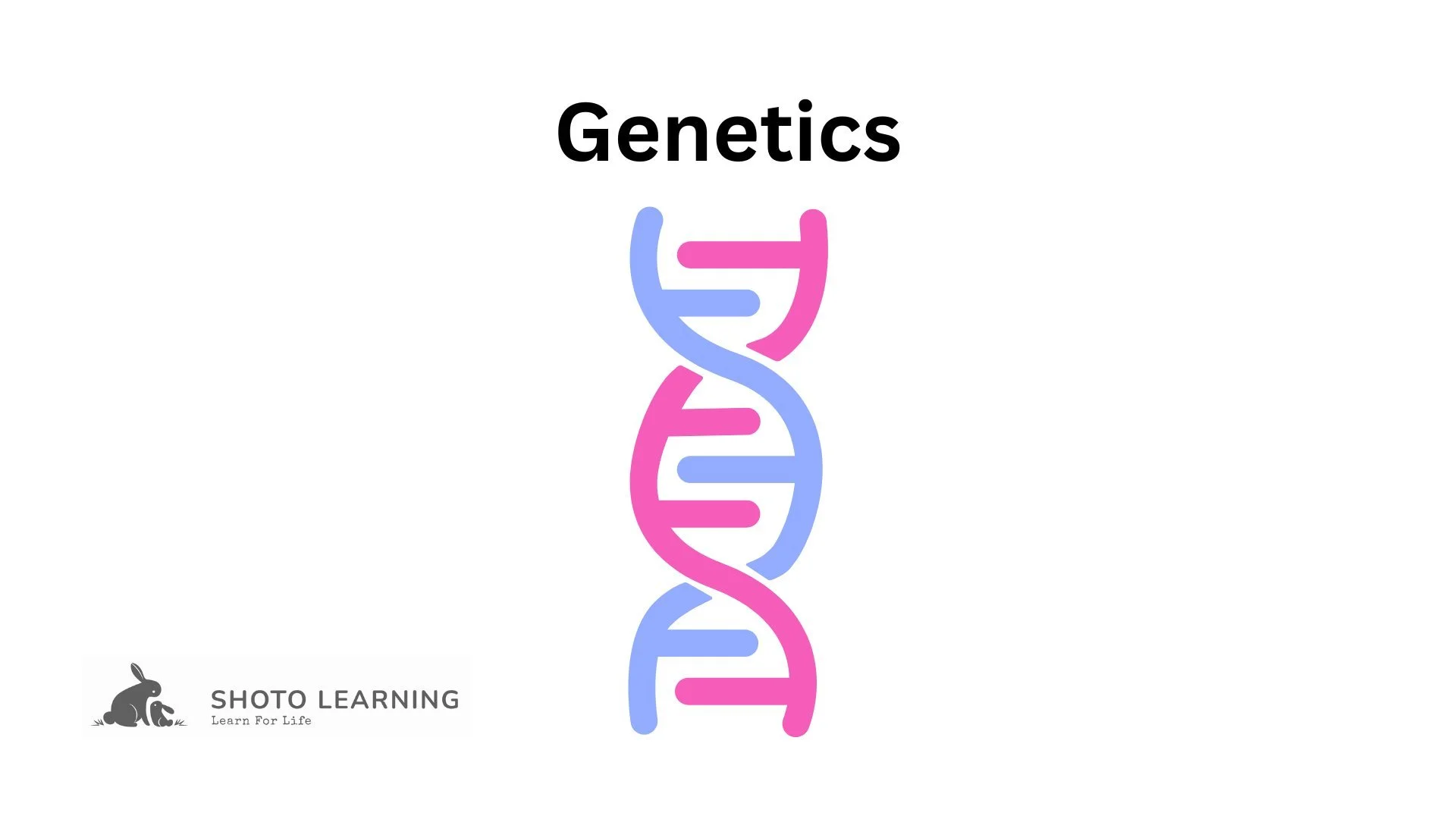
Understanding Genetics: A Comprehensive Guide to Teaching Heredity
Genetics is the branch of biology that studies heredity and how traits are passed from one generation to the next. Teaching genetics can be challenging due to its complex concepts, but with effective strategies, educators can help students grasp the fundamentals. Start by introducing key terminology, such as genes, alleles, and DNA, using visual aids for clarity. Incorporate relatable real-life examples, like inherited traits and genetic disorders, to make the subject more engaging. Hands-on activities, such as using Punnett squares and extracting DNA from strawberries, enhance understanding. Additionally, leverage technology with simulations and interactive quizzes to reinforce learning. By employing these methods, educators can create a captivating learning experience that makes genetics accessible and relevant to students.