
Fun Ways to Teach Materials in Kindergarten for Engaging Early Learners
Teaching materials in kindergarten can be both enjoyable and effective when approached with creativity and hands-on activities. Using games, sensory play, and art activities helps children understand and explore different materials in ways that hold their attention. Engaging students with fun, interactive methods makes learning about materials easier and more memorable for young learners.
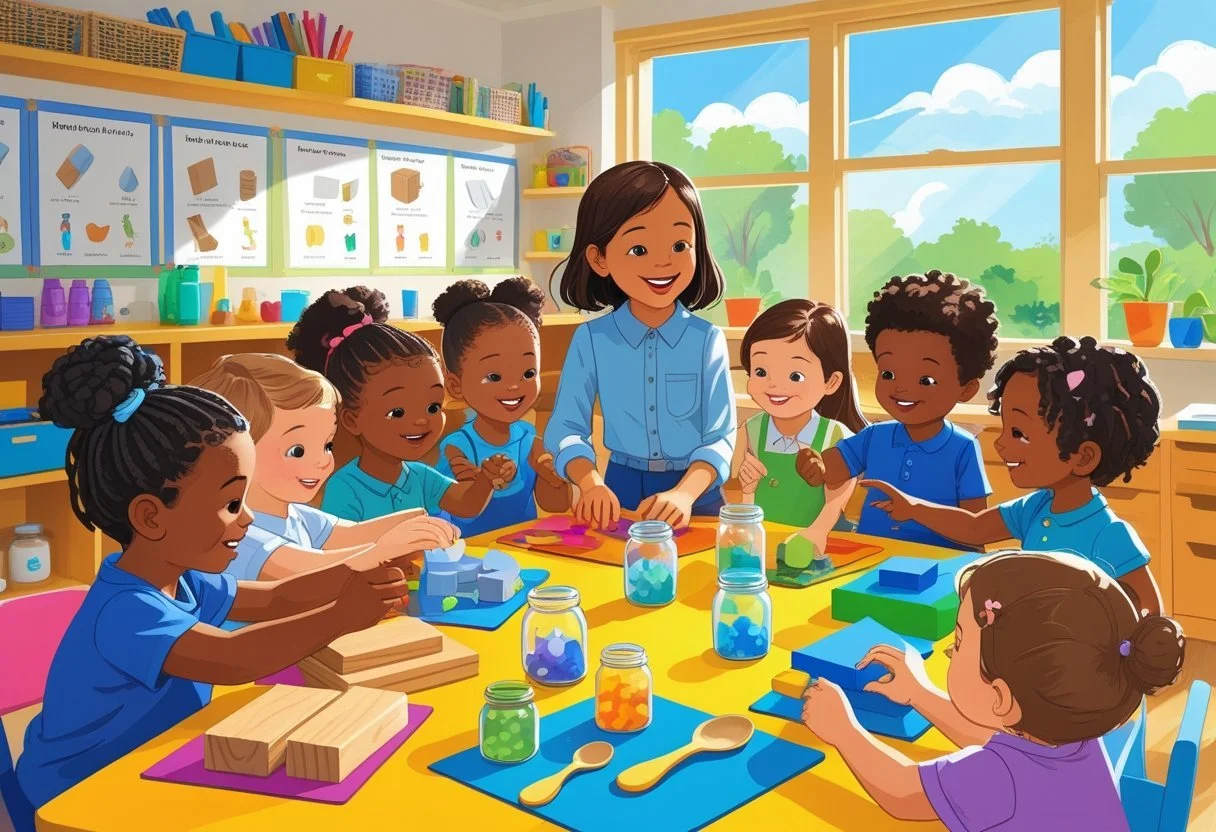
Activities that mix learning with play allow children to develop important skills like observation, sorting, and counting. Incorporating storytelling and dramatic play with various materials also sparks curiosity and helps kids connect what they learn to real life. These strategies build a strong foundation for understanding the world around them.
Teachers can also use outdoor settings and thematic projects to make lessons about materials dynamic and relevant. This approach encourages students to discover, experiment, and apply what they learn in everyday situations, making the experience meaningful and productive.
Key Takeways
Hands-on activities improve understanding of different materials.
Play-based learning builds key observation and sorting skills.
Outdoor and theme projects help apply material knowledge to real life.
Key Principles for Teaching Materials in Kindergarten
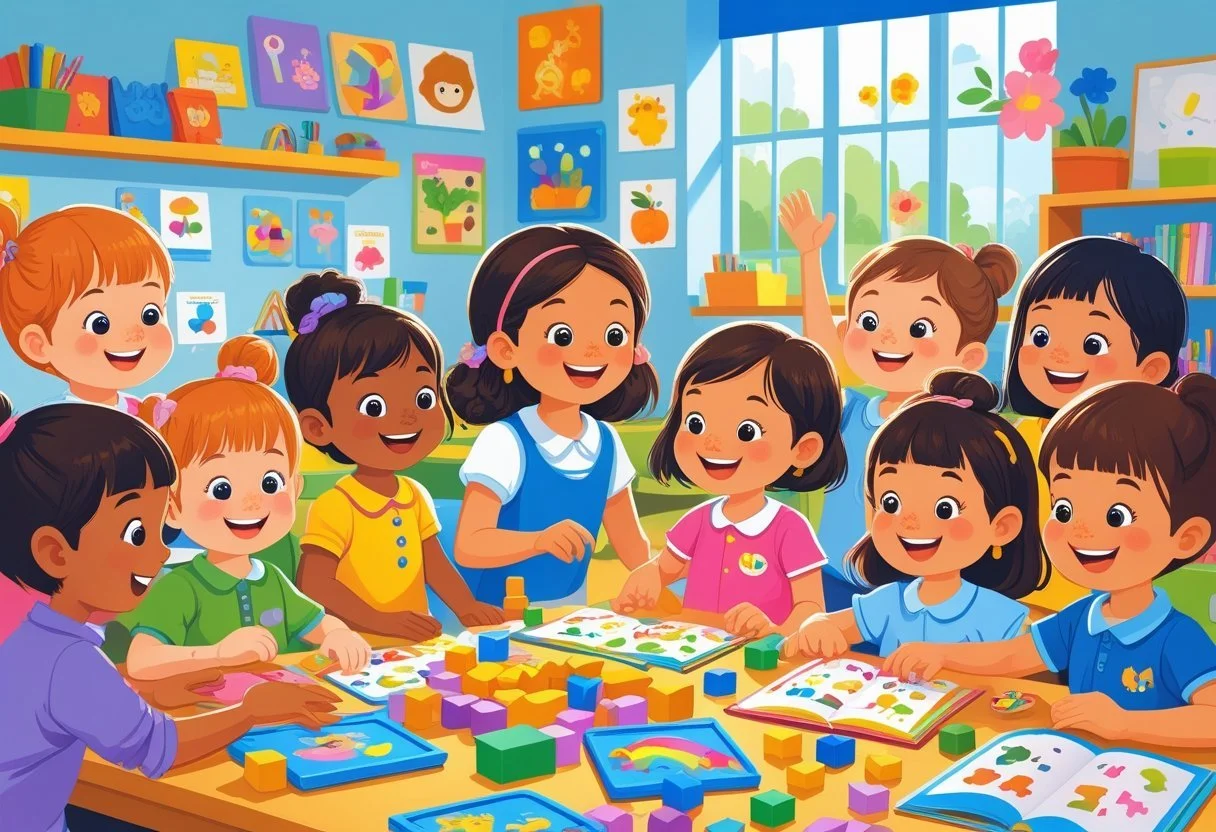
Effective use of materials helps children develop skills and stay engaged. It supports both learning and play, encouraging curiosity and fine motor growth. Materials need to be chosen carefully to match children’s abilities and interests.
Importance of Hands-On Learning
Hands-on learning is essential in kindergarten because children learn best by touching and doing. Using materials like clay, blocks, or scissors helps build fine motor skills. These activities strengthen small muscles that are important for writing and daily tasks.
Physical interaction with materials also makes ideas clear. For example, sorting buttons by color or size teaches classification better than just talking about it. When children manipulate objects, they understand concepts more deeply.
Teachers should provide safe, age-appropriate tools. This allows learners to explore independently while practicing control and precision. Hands-on tasks make abstract ideas concrete, which helps young children absorb information more effectively.
Balancing Play and Education
Balancing play and education means using materials that are both fun and purposeful. Play activities keep children interested and motivated, which improves attention and learning. Materials like puzzles or building toys encourage problem-solving during play.
At the same time, educational goals guide the choice of resources. For example, a matching game can teach shapes, colors, or numbers. Play-based learning helps children practice social skills and decision-making while exploring academic ideas.
Teachers should schedule time for free play with open-ended materials and guided activities targeting specific skills. This balance supports growth in different areas without making learning feel like a chore.
Encouraging Exploration Through Materials
Exploration is key for developing creativity and critical thinking. Materials that invite experimentation, such as sand, water, or art supplies, let children try new things without fear of failure.
Teachers can encourage learners to ask questions and find answers by themselves. Open-ended materials provide multiple ways to play or build, which boosts problem-solving abilities.
Providing a variety of textures, shapes, and colors helps children discover different properties of materials. This sensory experience supports brain development and curiosity. Setting up stations with diverse materials invites independent exploration and learning at each child’s pace.

Creative Games for Material Exploration
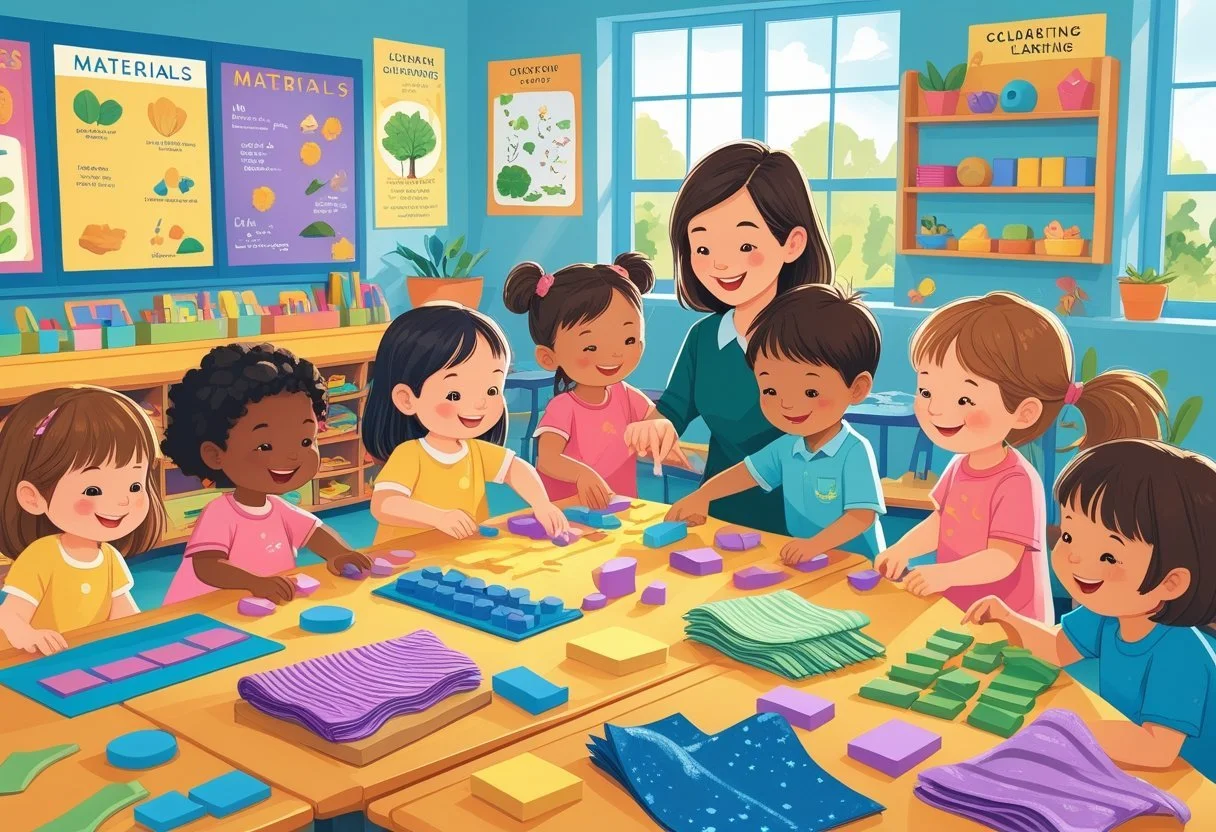
Hands-on games help kindergarten students learn about different materials by actively engaging with them. These activities encourage observation, comparison, and problem-solving. Games like puzzles and hunts make it easier to understand material properties such as texture, flexibility, and strength.
Educational Puzzles
Educational puzzles designed around materials often show images or shapes made from wood, metal, plastic, or fabric. Children match puzzle pieces based on material type, encouraging them to notice characteristics like smoothness, softness, or hardness.
This type of puzzle boosts problem-solving skills as kids decide where pieces fit based on what material they represent. Teachers can add questions or prompts about why certain materials suit specific uses, like why metal is used for tools but fabric is used for clothes.
Puzzles also allow children to practice fine motor skills while reinforcing material identification and classification. These activities are simple, quiet, and effective for small groups or individual learning.
Scavenger Hunt Adventures
In scavenger hunts, children search for objects made from certain materials around the classroom or playground. Lists can include items like something soft, something heavy, or something waterproof.
This activity actively involves kids in exploring real-world materials. They learn to connect names and properties with actual objects. It also promotes teamwork and problem-solving when done in groups.
Teachers can guide discussions on why certain materials are found in specific places. For example, why a plastic bottle floats or why a metal key is strong yet small. This helps deepen their understanding of material properties.
Shape Hunt Challenges
Shape hunt challenges mix material learning with shape recognition. Kids look for objects of a particular shape made from different materials. For example, finding a round metal lid or a square wooden block.
This task sharpens observation skills and helps children compare how materials and shapes work together. It also adds complexity by combining two learning goals, encouraging critical thinking.
Teachers can ask students to describe the feel and function of materials in different shapes. This reinforces material properties while enhancing shape knowledge, useful in both science and math readiness.
Sensory and Artistic Activities
Hands-on activities help kindergartners engage with different materials through touch, sight, and movement. These activities support fine motor skills, creativity, and learning about cause and effect in a fun, practical way.
Sensory Bin Play
A sensory bin is a container filled with materials like rice, beans, or sand that children can scoop, pour, and explore. It encourages fine motor skills by requiring children to use their fingers and hands to dig, sort, and manipulate objects.
Items like small toys, spoons, and cups can be hidden or included to add variety. The different textures provide sensory input that helps kids learn about feelings like rough, smooth, or grainy. Sensory bins also promote focus and calm, making them a versatile tool in the classroom or at home.
Water Play Experiences
Water play lets children experiment with pouring, splashing, and measuring, which builds hand-eye coordination. It’s a natural way to teach cause and effect, like what happens when water is poured from a cup or how objects float or sink.
Using containers of various sizes helps children develop fine motor skills as they grasp and hold items. Water play can include adding safe soap or toys to increase interest. It also introduces basic scientific ideas while keeping kids actively involved.
Color Mixing Exploration
Color mixing activities help children observe changes and understand how colors combine. Using primary colors like red, blue, and yellow, kids can mix paints or colored water to create new colors.
This activity encourages creativity and fine motor skills through brushing or stirring. It’s useful for teaching about color relationships and can be extended by mixing different textures, such as finger paint or colored ice cubes.

Developing Early Literacy and Numeracy Skills
Early literacy and numeracy skills are built through hands-on activities that engage children in recognizing numbers, letters, and patterns. These skills form a strong foundation for reading, writing, and basic math problem-solving.
Number Recognition Games
Number recognition games help children identify and name numbers confidently. Activities like matching cards with numbers to groups of objects allow children to see quantities and symbols together. Using everyday items, such as blocks or buttons, can make counting more concrete.
Games that involve moving pieces to numbered spots on a board or rolling dice to count spaces build familiarity with numbers while keeping learning fun. Repetition through play helps children remember number shapes and their order. Visual aids like colorful charts can reinforce this recognition.
Letter Hunt Quests
Letter hunt quests encourage children to find letters in their environment or classroom. This activity builds letter recognition and phonetic awareness without forcing memorization. Children might search for letters hidden around the room or find objects starting with specific letters.
Teachers can guide children to discuss the sounds letters make when found. This promotes early reading skills by strengthening the link between letters and speech. The excitement of a "treasure hunt" keeps children motivated and focused.
Understanding Patterns
Understanding patterns helps children spot sequences in numbers, shapes, or sounds. Recognizing patterns is key for logical thinking and math readiness. Simple activities include arranging colored blocks in repeating orders or clapping rhythms.
Children can create their own patterns, which supports creativity and problem-solving. Educators can use visual examples and ask children to predict what comes next in a sequence. This practice builds early math skills quietly and effectively.
Outdoor Learning With Materials
Using natural materials outdoors helps children connect with their environment while learning about science and the life cycle. Hands-on activities like exploring nature and gardening teach important concepts about growth and change through direct experience.
Nature Walk Discoveries
During a nature walk, children collect leaves, rocks, flowers, and sticks to observe closely. This activity encourages them to use their senses and ask questions about what they find.
Teachers can prepare simple checklists or picture guides listing items like different-shaped leaves or insects. These tools help kids identify materials and practice sorting and classifying based on color, shape, or texture.
Nature walks also offer a chance to explain seasonal changes. For example, children can notice how leaves change color in fall or find buds in spring, linking materials to cycles in nature.
Gardening with Young Learners
Gardening introduces children to soil, seeds, water, and sunlight as essential materials for plant growth. They learn about the life cycle by planting seeds and watching them sprout, grow, and bloom.
Teachers can guide kids to measure plant height and observe changes daily. This hands-on approach strengthens understanding of cause and effect and teaches patience.
Gardening also connects to seasons. Kids see how different plants grow best in certain weather, helping them understand environmental needs for living things.
Material-Based Activities for Recognition Skills
Using physical materials helps young children learn key recognition skills. Tactile and visual tools make abstract ideas like shapes and colors easier to understand. These activities encourage hands-on practice, which supports memory and engagement.
Shape Recognition Techniques
Hands-on materials like blocks, cutouts, and puzzles help children identify and name shapes. For example, using foam shapes or magnetic pieces allows kids to see and feel the differences between circles, squares, and triangles.
Teachers can create matching games where children pair 3D objects with pictures of the same shape. Sorting activities, such as grouping shapes by the number of sides, also build understanding.
Another effective method is shape tracing with textured boards or sandpaper. This allows learners to connect the visual shape with the motion needed to draw it. Repetition with diverse materials supports stronger shape recognition skills.
Color Recognition Practice
Color learning grows when children interact with colorful objects, paints, or beads. Sorting objects by color or creating patterns with colored blocks helps them notice differences and group colors correctly.
Activities such as mixing paints let kids explore how primary colors combine, deepening their understanding. Teachers may use flashcards or games where children identify colors in common items or classroom objects.
To reinforce recognition, it’s helpful to name colors clearly during activities, encouraging kids to repeat the words. Adding tactile experiences, like squeezing colored playdough or threading beads, connects color names with physical objects.
Storytelling and Dramatic Play
Storytelling and dramatic play help children build language, social, and listening skills in hands-on ways. Activities that involve making characters or sharing stories spark creativity and encourage participation. These playful methods also support comprehension and confidence.
Puppet Show Creations
Puppet shows give children a chance to bring stories to life. They can make puppets using simple materials like socks, paper bags, or sticks. This hands-on creation process helps develop fine motor skills.
After making puppets, children practice telling stories by acting out different roles. This encourages clear speaking and imagination. Teachers can guide kids to create short scripts or retell familiar stories using their puppets. This activity promotes teamwork when children perform together.
Pet Show! Classroom Events
Pet Show! events let children present stories about pets they choose or pretend to own. Kids describe their pet’s traits, habits, or adventures, which builds vocabulary and storytelling skills.
These events often include drawing or crafting the pets, adding a creative layer to the activity. Teachers might organize a show where each child “introduces” their pet to the class. This encourages public speaking in a supportive setting and strengthens listening skills among classmates.
Integrating Materials Into Thematic Projects
Using materials in thematic projects helps students connect learning with hands-on activities. It encourages exploration and supports skills like creativity, problem-solving, and observation. These opportunities also build deeper understanding of concepts tied to a theme.
Make a Map Activity
In this project, students create simple maps using different materials like paper, markers, and string. They can draw landmarks and paths, then use yarn or colored tape to mark routes. This gives them a chance to practice spatial awareness and fine motor skills.
Teachers can include items like fabric scraps or small objects to represent natural features such as rivers or mountains. As students build their maps, the class can talk about directions, distance, and location. This makes abstract ideas more concrete and easier to grasp.
Exploring Seasonal Materials
This activity focuses on collecting and using materials tied to the current season. Students gather natural items like leaves, pinecones, or flowers. These materials are then sorted, described, and used in art or science projects.
By working with seasonal materials, children learn about changes in nature and develop observation skills. Teachers can guide discussions about textures, colors, and patterns found in each season. This hands-on approach helps students connect science concepts with real-world experience.
Frequently Asked Questions
Teaching materials to kindergarten students works best when lessons are hands-on, interactive, and connected to real-life experiences. Using variety in teaching styles, like play and crafts, helps keep kids interested and supports different ways they learn.
What are some effective strategies for engaging kindergartners in learning about materials?
It helps to use simple, clear explanations paired with lots of examples children can touch or see. Visual aids, like pictures and objects, grab their attention.
Hands-on experiments, like feeling and sorting objects by texture or weight, keep kids active and curious. Asking questions encourages them to think and share ideas.
How can I incorporate play-based learning when teaching materials to kindergarten students?
Play-based learning can include sorting games where kids group objects by material type. Role-playing, like pretending to be builders choosing materials, makes lessons fun.
Using blocks, clay, or other materials for free play lets children explore properties naturally. Teachers can guide play to highlight differences in hard, soft, rough, or smooth.
What interactive activities can help kindergartners understand the properties of different materials?
Activities like “material hunts” where children find items made of wood, metal, or fabric help recognition. Simple tests, such as seeing if an object sinks or floats, teach material properties.
Crafting shapes with various materials or feeling temperature differences also builds understanding. Group projects encourage sharing observations.
Can you suggest any creative arts and crafts projects that also teach kindergartners about materials?
Collages made from paper, fabric scraps, and buttons show texture variety. Painting with different brushes or sponge types helps kids notice material effects.
Creating simple models using recyclable items like cardboard or plastic teaches about use and durability. These projects give hands-on learning and creative expression.
How do I adapt material-teaching methods for diverse learning styles in a kindergarten classroom?
Some children learn best by seeing, so visual aids and demonstrations work well. Others benefit from touching and doing, so hands-on activities are key.
Listening learners respond to stories or songs about materials. Mixing activities helps reach all students equally and supports individual strengths.
What role does storytelling play in teaching kindergarteners about different materials?
Stories can explain where materials come from and how people use them every day. Characters encountering problems with materials invite kids to think about material choice.
Storytelling makes facts more relatable and easier to remember. It also encourages imagination and discussion about materials in the world around them.

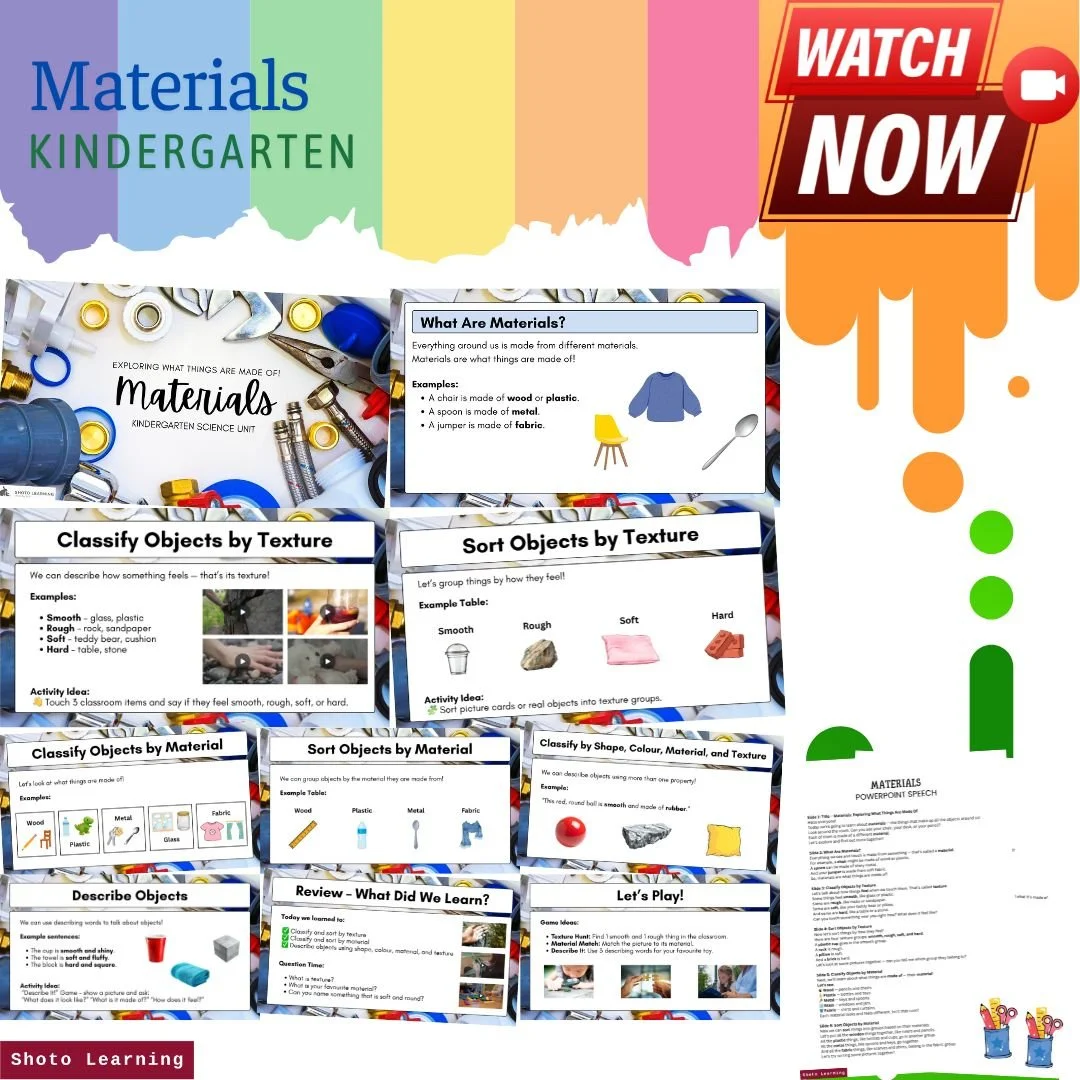
Help your kindergarten students learn about materials with this fun cut-and-paste sorting worksheet! Children will classify 12 everyday objects into 5 material groups: metal, glass, fabric, wood, and plastic.
This 2-page freebie is perfect for introducing materials, observation, and classification in an engaging, hands-on way!
Key Features:
2 pages:
Page 1 – 12 objects to cut out
Page 2 – Sorting chart with 5 categories
Covers science concepts: materials and their properties
Builds fine motor skills through cutting and pasting
Encourages critical thinking and sorting practice
Designed for Kindergarten and early learners
Clear, easy-to-follow layout — great for classroom or homeschool use
How to Use:
Print both pages for each student.
Cut out the 12 objects on page 1.
Sort and paste them into the correct material category on page 2: Wood, Metal, Glass, Fabric, Plastic.
Discuss why each object belongs in its group to strengthen understanding.
Perfect for science centers, home learning, or independent sorting activities. Pair this worksheet with our Kindergarten “Materials” PowerPoint and Speech Lesson for a complete learning experience!