
Fun Lessons to Teach Mitosis and Meiosis Engaging Strategies for the Classroom
Teaching mitosis and meiosis can be a challenge, but lessons can become much more engaging with creative activities and hands-on learning. Fun lessons help students understand the important differences between mitosis and meiosis, making complex ideas clearer and easier to remember. Students often enjoy making models, using art supplies, and exploring cell division with games or interactive experiments.
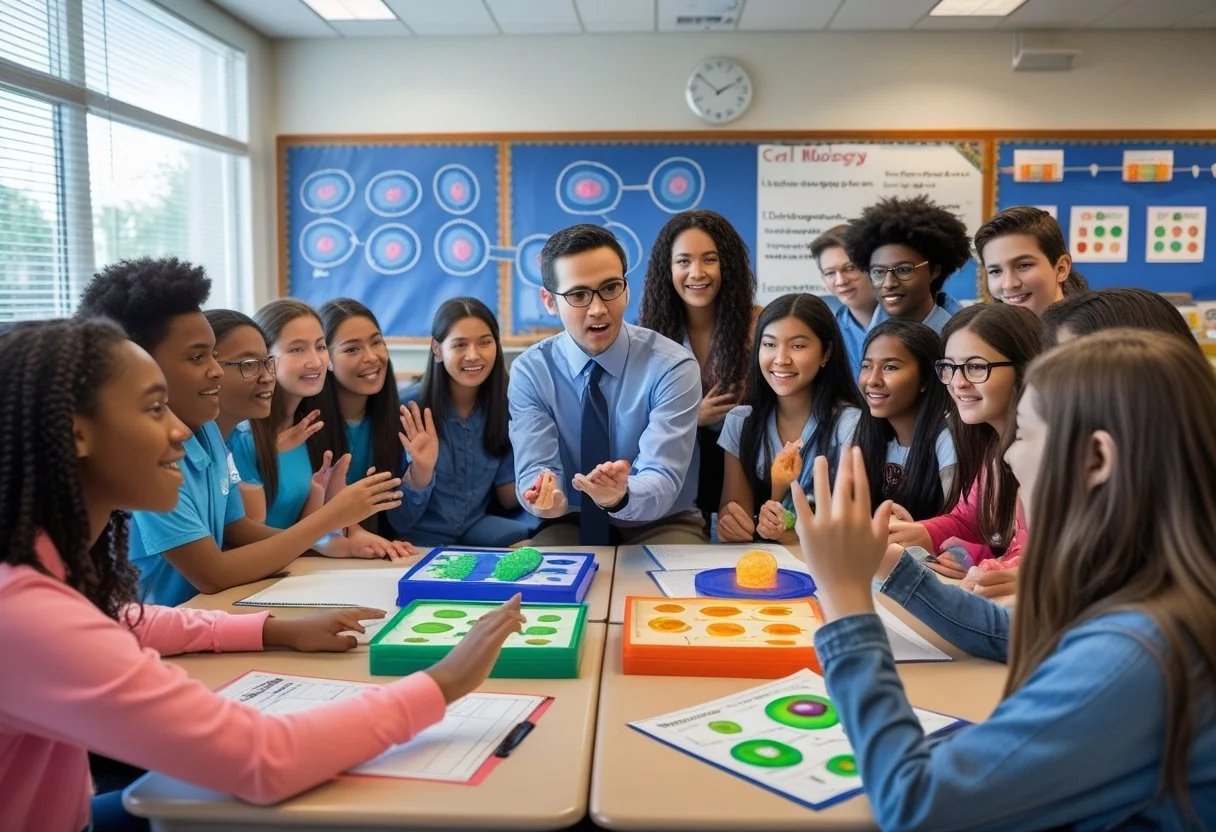
Hands-on activities, like creating flip books or using modeling clay, give students a chance to see the stages of cell division in a way that is both memorable and enjoyable. Some teachers use simple tools or technology to let students observe real cell division under microscopes or draw what they see. These methods help keep students interested while building a strong foundation in cell biology.
Key Takeaways
Fun and interactive lessons make cell division easier to understand
Using simple activities helps students see the difference between mitosis and meiosis
Engaged students learn key ideas about cell biology more effectively
Engaging Ways to Teach Mitosis and Meiosis
Teachers can make lessons about cell division interesting by using hands-on activities, group projects, and creative visuals. These methods build understanding by letting students explore and interact with the topics in different ways.
Interactive Activities for Students
Interactive activities help students engage directly with mitosis and meiosis. For example, using microscopes to observe onion root tips lets learners see the stages of mitosis first-hand.
Digital simulations and online web quests guide students through cell division processes at their own pace. These let students review, repeat, and test themselves, which helps reinforce key stages like prophase or metaphase.
Turning learning into a game can keep attention high. Some classes use board games or digital quizzes where students answer questions and move through the cell cycle. Mitosis Bingo and online matching games can make review sessions fun and memorable.
Group-Based Learning Strategies
Collaborative learning encourages students to work together as they master mitosis and meiosis. When students build models of cells or act out phases as a group, each person can contribute and learn from others.
Small groups might create large posters comparing mitosis and meiosis. They can list differences, organize important terms, and present findings to the class. This helps students clarify the unique details of each process, like diploid versus haploid cell outcomes.
Using lab investigations, groups can share results and discuss how cells divide under a microscope. Everyone learns to spot cell division steps and understands why each phase matters.
Creative Visual and Artistic Approaches
Visual and artistic lessons can improve how well students remember and understand cell division. Teachers might ask students to use colored clay or modeling materials to build and label chromosomes at different stages.
Drawing diagrams or comics that illustrate mitosis and meiosis gradually builds a mental picture. Students could make flipbooks, turning each page to show a new phase—like metaphase, anaphase, or telophase.
Art projects like posters, diagrams, and cell cycle timelines let students express information in a unique way. Using simple materials, students can highlight differences and show the logic behind how cells replicate or divide.
Fundamental Concepts of Cell Division
Cell division is how living things grow, repair themselves, and reproduce. This process involves the organization of genetic material and the precise copying of information.
Understanding Cells and Chromosomes
All living things are made up of cells. Cells are the smallest unit of life. Inside each cell, there are structures called chromosomes.
Chromosomes are long threads made of DNA. They carry the instructions needed for each cell to function. Most human cells have 46 chromosomes arranged in 23 pairs.
Different types of cells use different numbers of chromosomes. This count stays the same in normal conditions and is important for proper cell function. Cells keep their chromosome number steady through controlled division.
The Role of DNA in Cell Division
DNA stands for deoxyribonucleic acid. It is the molecule that holds genetic information. Each section of DNA, called a gene, gives instructions for making proteins.
During cell division, the DNA is copied so each new cell gets a complete set. Before a cell splits, it duplicates all its DNA exactly once. This ensures that both new cells have the same genetic code.
Accurate DNA copying is necessary. Mistakes can lead to problems like genetic disorders or cancer. Cells have built-in ways to check for and fix errors during copying.
Overview of Mitotic and Meiotic Processes
There are two main ways cells divide: mitosis and meiosis.
Mitosis is for growth and repair. One cell splits into two identical cells, each with a full set of chromosomes.
Meiosis is for sexual reproduction. One cell creates four cells, each with half the usual number of chromosomes.
In mitosis, the steps include copying the chromosomes, lining them up, and then pulling them apart into two cells. These new cells are clones of the original.
In meiosis, the cell divides twice. The result is cells like eggs or sperm, each with a unique mix of DNA and only one set of chromosomes. This helps make offspring different from their parents.

Step-by-Step Guide to Teaching Mitosis
Teaching mitosis involves helping students visualize how one cell divides into two identical cells. Focusing on each phase, using models, and trying hands-on experiments helps students understand complex details like how chromosomes move and change.
Key Stages: Prophase to Telophase
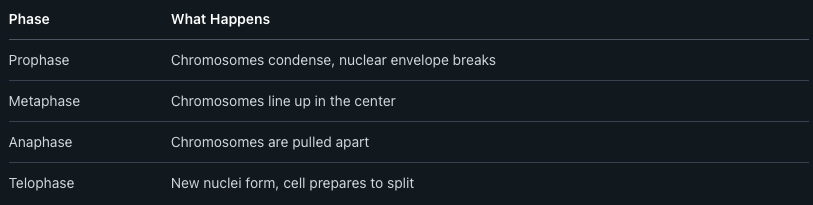
Mitosis includes several key phases: prophase, metaphase, anaphase, and telophase.
During prophase, chromosomes condense and become visible under a microscope. The nuclear envelope starts to break down. By metaphase, the chromosomes line up in the middle of the cell. This makes it easy for students to spot them during microscope work.
Anaphase is when chromosomes are pulled apart to opposite sides of the cell. In telophase, new nuclear membranes form around the chromosomes at each pole. This ends with two separate nuclei. Teachers can highlight these changes using simple diagrams or clear cell images.
A useful table to help students track the phases:
Modeling and Visualizing Mitosis
Building models in class lets students see mitosis in action. Using colored clay, string, or beads, students can make chromosomes and move them through each phase. This hands-on way helps them understand changes that are hard to see in real cells.
Visual aids are important. Teachers can use prepared slides with microscopes so students can observe real-life examples of each stage. Drawing what they see while looking through the microscope encourages careful observation.
Videos or animations can also show the process clearly. Pausing at each phase allows students to recognize what is happening to the chromosomes and the cell.
Hands-On Mitosis Experiments
Teachers can lead activities using simple materials. For example, students can use yarn or pipe cleaners to represent chromosomes and act out the movements in each stage. This type of demonstration helps students remember what happens during every part of mitosis.
Preparing microscope slides with onion root tip cells is a common experiment. The root tips have many cells going through mitosis, making it easy for students to spot prophase, metaphase, anaphase, and telophase.
Class discussions can help students compare their models, drawings, and observations from the microscope. This reinforces each step and clears up confusion about how chromosomes behave during mitosis.
Step-by-Step Guide to Teaching Meiosis
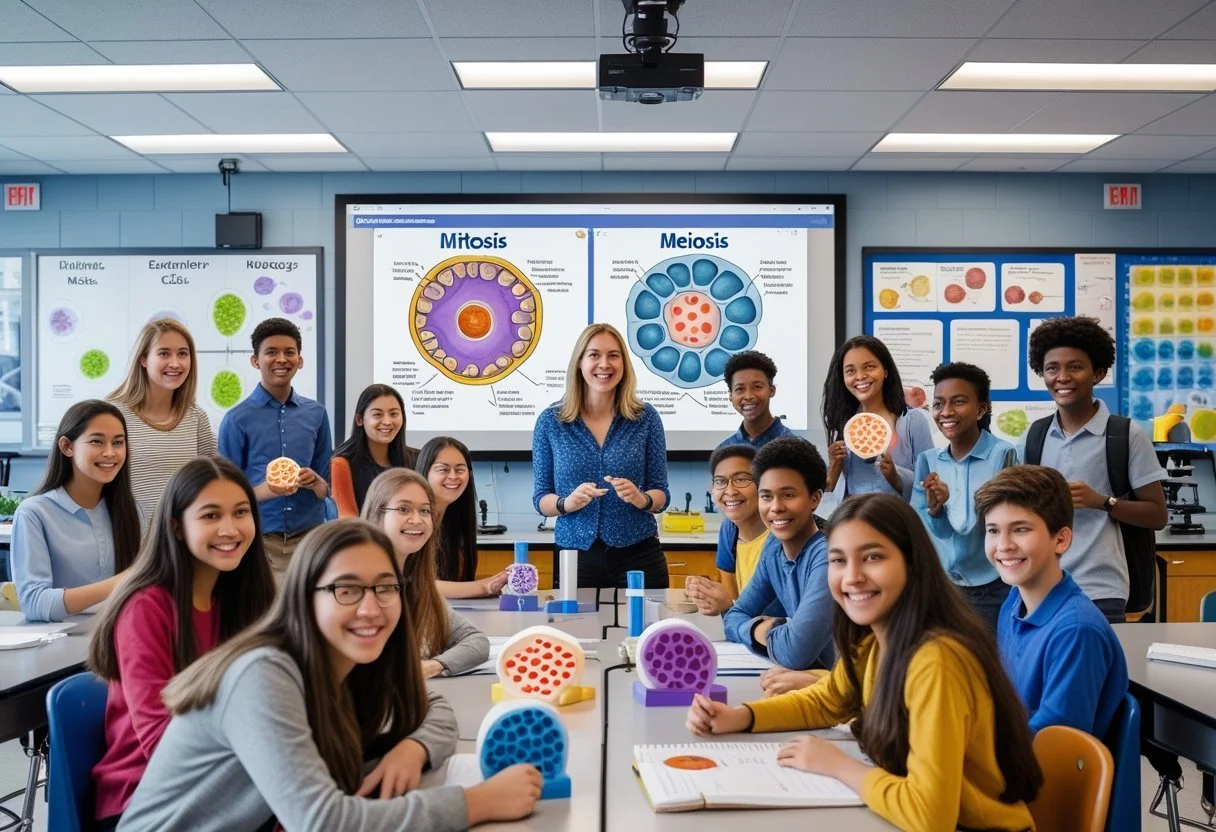
Meiosis is a cell division process that leads to the creation of gametes, which are sperm and egg cells. Teaching meiosis helps students understand how organisms pass traits to their offspring and why each generation is unique.
Phases of Meiosis Explained
Meiosis happens in two main steps: Meiosis I and Meiosis II. Each has its own set of phases—prophase, metaphase, anaphase, and telophase.
In Meiosis I, chromosomes pair up and swap sections in a process called crossing over during prophase I, making new genetic combinations. In metaphase I, these pairs line up in the middle of the cell. Anaphase I splits the pairs apart, and telophase I forms two cells.
Meiosis II is similar to mitosis. Each of the two cells from Meiosis I divides again. Chromosomes line up, separate during anaphase, and form four distinct cells by the end of telophase II. Each cell now has half the normal number of chromosomes.
Creating Gametes: The Biological Significance
Meiosis produces gametes—sperm and egg cells—which each carry only one set of chromosomes. This reduction is necessary so that when fertilization occurs, the offspring receives the correct amount of genetic material.
Without meiosis, organisms would double their chromosome number with every generation. The crossing over and independent assortment in meiosis result in genetic variety. This explains why siblings can look different from each other even though they have the same parents.
Teaching the purpose of meiosis also helps students see why some genetic conditions or traits appear in families. Meiosis explains inheritance, variation, and many genetic principles.
Practical Meiosis Classroom Activities
Students often learn best by doing. Hands-on activities make complex topics like meiosis easier to grasp.
Popular activities include:
Using colored beads or strings to model chromosomes as they move through each phase.
Drawing or coloring diagrams that show the process, highlighting changes at every step.
Role-playing, where students act out chromosome movements for each phase.
Watching videos or animations that break down phases like prophase and telophase in detail.
Teachers can have students create models and display them on bulletin boards or write short explanations for each phase. These activities encourage active participation while building a clear understanding of meiosis.
Comparing and Contrasting Mitosis and Meiosis
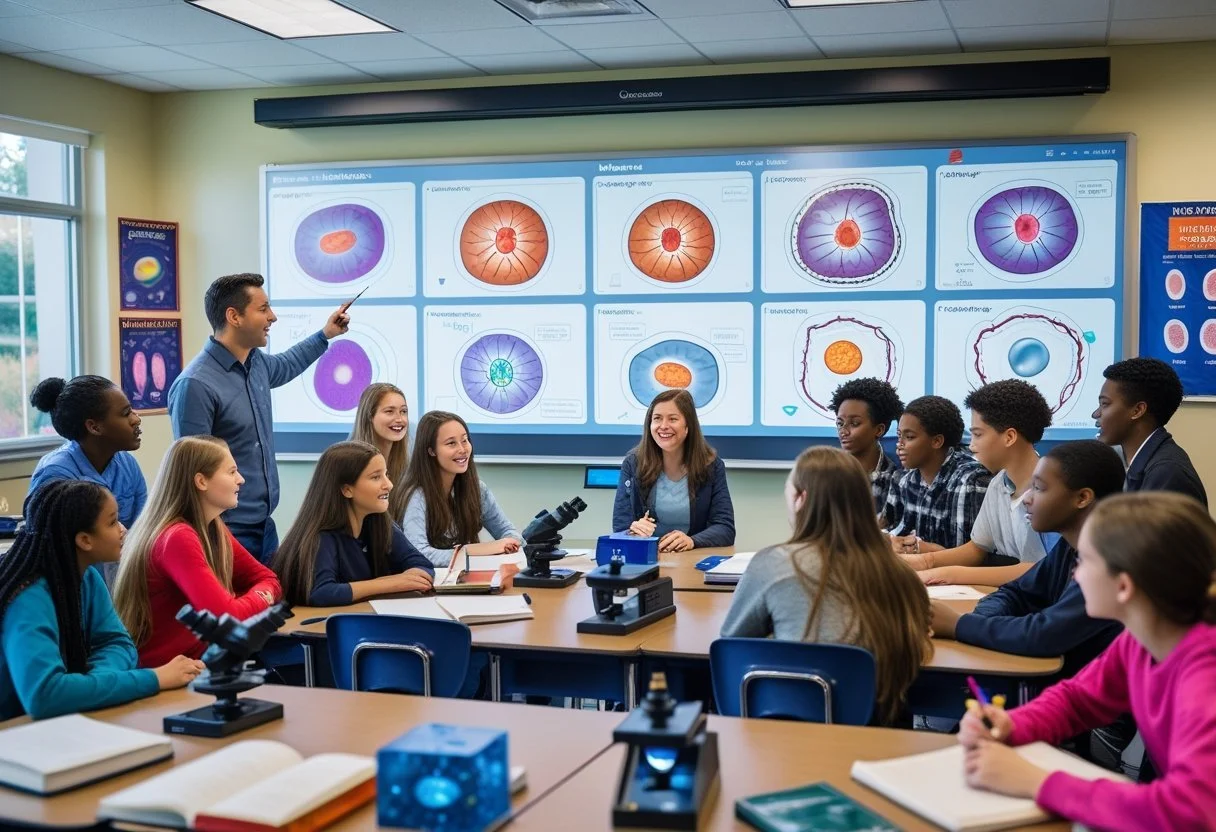
Mitosis and meiosis are two kinds of cell division. Each process helps cells multiply, but they create different results and serve unique roles in the body.
Key Differences in Outcomes
Mitosis creates two cells that are exact copies of the original cell. Each new cell has the same number of chromosomes as the parent. This process happens in body cells, like skin or muscle, for growth and repair.
Meiosis, on the other hand, produces four new cells. These cells, called gametes (sperm or egg cells), each have half the number of chromosomes. This is important for sexual reproduction, so when two gametes join, the offspring gets the correct total number of chromosomes.

Unlike mitosis, meiosis also increases genetic variety. Each gamete gets a mix of chromosomes, which is why siblings look different.
Similarities in Cellular Mechanics
Both mitosis and meiosis begin with the duplication of chromosomes. Chromosomes line up in the cell’s center before being pulled apart. The cell then splits to form new cells.
Each process uses important steps involving the spindle fibers and the nucleus. These cell structures help move and sort chromosomes so that the new cells get the right genetic material.
Both types of division are key for life—they allow organisms to grow, heal, or reproduce. Even though the results are very different, the early steps of mitosis and meiosis share many similarities in how cells organize and separate the chromosomes.
Using Technology and Microscopy for Deeper Understanding
Modern science classrooms can use real lab tools and digital platforms to help students explore cell division. Both microscopes and interactive software help students see and understand key details, making concepts like chromosomes and cell division phases easier to grasp.
Incorporating Microscopes in Class
A microscope allows students to view real cells during mitosis and meiosis. By using prepared slides, like those showing onion root tip cells, students can see chromosomes during different stages such as prophase, metaphase, anaphase, and telophase.
Steps for Effective Microscopy Activities:
Begin with a clear diagram showing where to find dividing cells on a slide.
Guide students to identify and draw what they see for each phase.
Ask students to count the number of cells in each stage to connect observations to the whole process.
Activities that use a hemocytometer can expand learning by letting students actually count cells, practicing real lab methods. Working with high-quality microscopes or sharing microscope images can help when equipment is limited. This hands-on approach connects textbook diagrams to living cells, reinforcing learning and observation skills.
Interactive Digital Tools and Animations
Digital tools offer interactive simulations of mitosis and meiosis. Programs and animations allow students to watch chromosomes move and separate in real time, replaying as needed and viewing each step closely.
Many websites and educational software feature drag-and-drop chromosome activities, animations with labels, and virtual labs. These tools can show both plant and animal cell division, offering comparison and deeper study.
Videos and app-based tutorials help review tricky steps like spindle fiber movement or the exact changes to chromosomes. For classrooms without physical lab access, these platforms are especially valuable for clear, repeatable lessons. Integrating technology supports students with different learning styles and gives everyone a chance to visualize complex processes.
Assessment and Reinforcement Ideas
Teachers have many ways to help students review and apply what they have learned about mitosis and meiosis. Using activities that are both engaging and purposeful makes it easier for students to remember key facts about cell division, chromosomes, and the differences between these two vital processes. Hands-on and interactive lessons also promote understanding and retention.
Games and Puzzles for Concept Review
Interactive games and puzzles can reinforce details about mitosis and meiosis.
Simple card-matching games can help students link terms like “chromosomes,” “cell division,” “prophase,” “anaphase,” or “crossing over” with their correct definitions or phases. Teachers can also create board games where students move through the stages of mitosis or meiosis, answering questions about what happens at each stage.
Examples of review activities:
Crossword puzzles with vocabulary such as spindle fibers or homologous chromosomes
Sorting activities that ask students to place events into the correct order for mitosis or meiosis
Digital quizzes or Jeopardy-style competitions
Using these methods, students practice recall in a relaxed setting. Games encourage participation from everyone, especially students who may shy away from standard tests.
Projects and Presentations
Projects let students show what they understand about cell division and chromosome movement in a creative way.
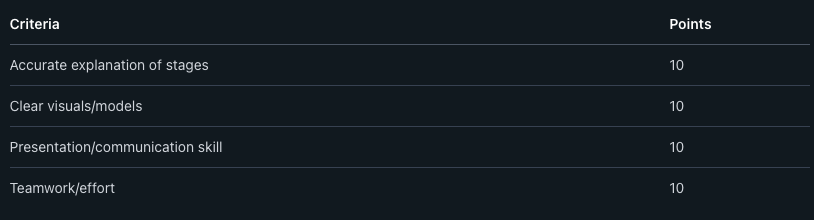
One idea is having students create a stop-motion video or diagram series to explain each phase, highlighting the steps of mitosis and meiosis. Students might use clay models, drawings, or even physical props like yarn to represent chromosomes. Visual projects help learners remember abstract steps.
Group presentations can cover differences and similarities between mitosis and meiosis or focus on what can go wrong during cell division. For example, students could present on genetic disorders caused by mistakes in meiosis.
A project rubric might include:
Reflective Class Discussions
Reflective discussions help students connect information about mitosis and meiosis with real-world ideas.
After an activity or lesson, teachers can ask open-ended questions such as, "Why is it important that chromosomes are copied exactly during mitosis?" or "How does meiosis lead to genetic variation?" These discussions help students process facts by linking them to bigger concepts, like heredity or disease.
Students can also share misunderstandings and work through them as a class. Using diagrams or sequencing cards during the discussion can make points clearer. Teachers might encourage students to compare mitosis and meiosis using a Venn diagram on the board.
Frequent reflection builds confidence and shows students where they need more practice or review.
Frequently Asked Questions
Teachers often look for ways to make learning about mitosis and meiosis interesting. Using hands-on activities, visual aids, and a variety of lesson materials can help students grasp these complex cell processes more easily.
What are some engaging activities to help students understand the differences between mitosis and meiosis?
Using prepared slides to observe real cell division helps students visualize each phase. Model-building with clay allows students to physically recreate chromosomes moving through stages of mitosis and meiosis.
Simple drawing activities let students compare the steps side by side. Group discussions or games that match definitions to each stage can also be effective.
Can you suggest any interactive worksheets or pdf resources for teaching mitosis and meiosis in high school?
Many educational websites offer free downloadable worksheets and PDFs focused on cell division. These resources usually contain diagrams, matching exercises, and questions about each phase.
Some platforms also allow students to create digital storyboards by arranging images of cell stages, which helps reinforce what they’ve learned visually.
How can I incorporate hands-on activities when teaching about meiosis in my classroom?
Teachers can use modeling clay, pipe cleaners, or beads to represent chromosomes during meiosis. Students can act out the separation of chromosomes in small groups.
Another idea is to use a card-sorting activity where students arrange cards showing different stages of meiosis in the correct order. This helps students visualize complex processes.
What innovative methods can be used to teach the phases of mitosis and meiosis to middle school students?
Interactive games like puzzles or digital simulations allow students to move through the phases at their own pace. Simple animation videos can make the steps more understandable.
Role-playing activities, where students pretend to be different cell parts, bring a fun twist to learning. These methods can make lessons more engaging and memorable for middle schoolers.
Are there any comprehensive lesson plans available to aid in teaching mitosis and meiosis effectively?
Several educational sites provide full lesson plans that include objectives, step-by-step instructions, visuals, and assessments. Some use the 5E instructional model, which covers engaging, exploring, explaining, elaborating, and evaluating stages.
These plans often include both teacher guides and student activities, ensuring a structured approach to teaching cell division.
How do I create a fun and informative session on mitosis and meiosis for students with different learning styles?
Combining hands-on activities, visual diagrams, and interactive discussions addresses various learning preferences. Incorporating technology, such as animations or virtual labs, supports visual and auditory learners.
Group activities and creative projects work well for social and kinesthetic learners. Mixing different approaches helps ensure every student can participate and understand the material.


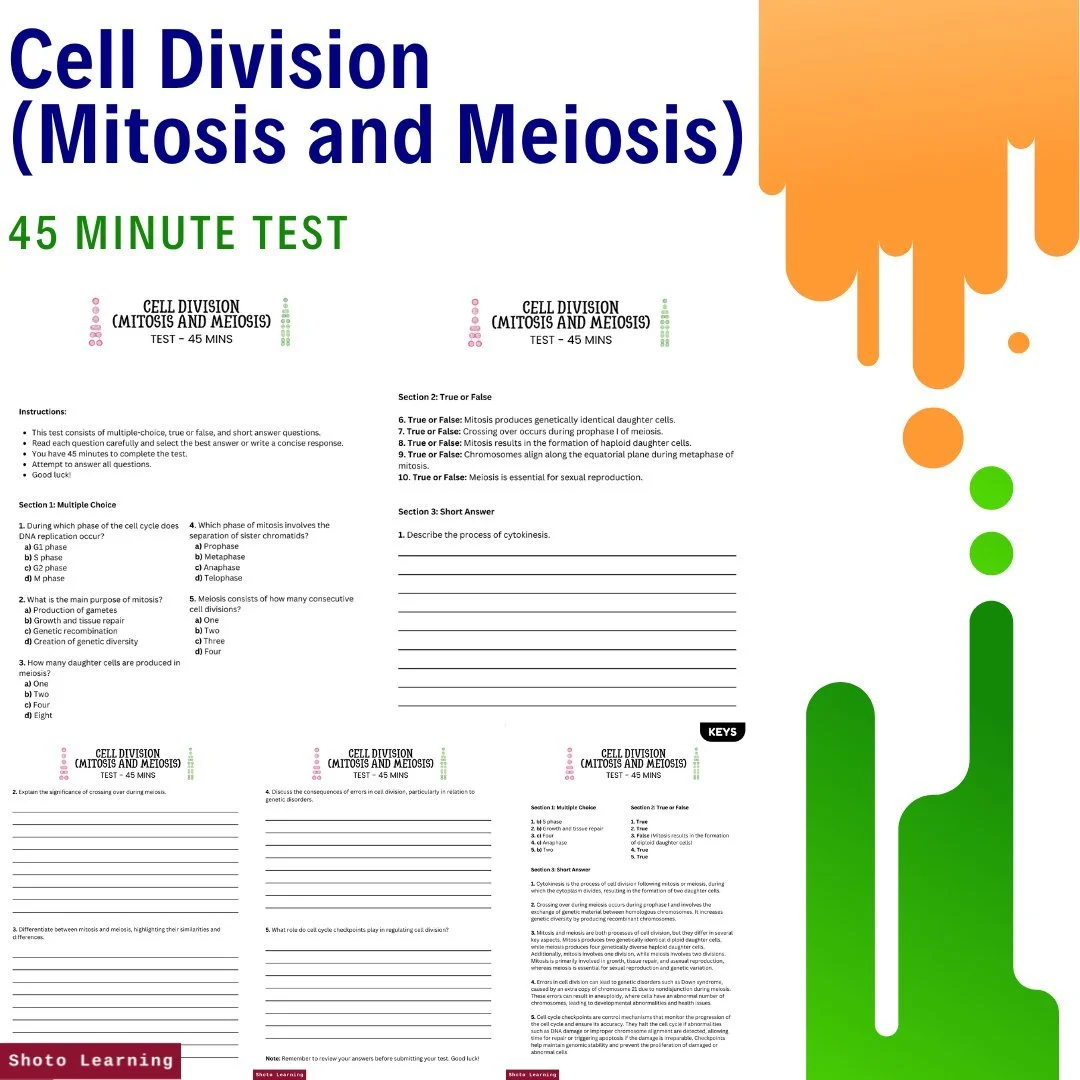


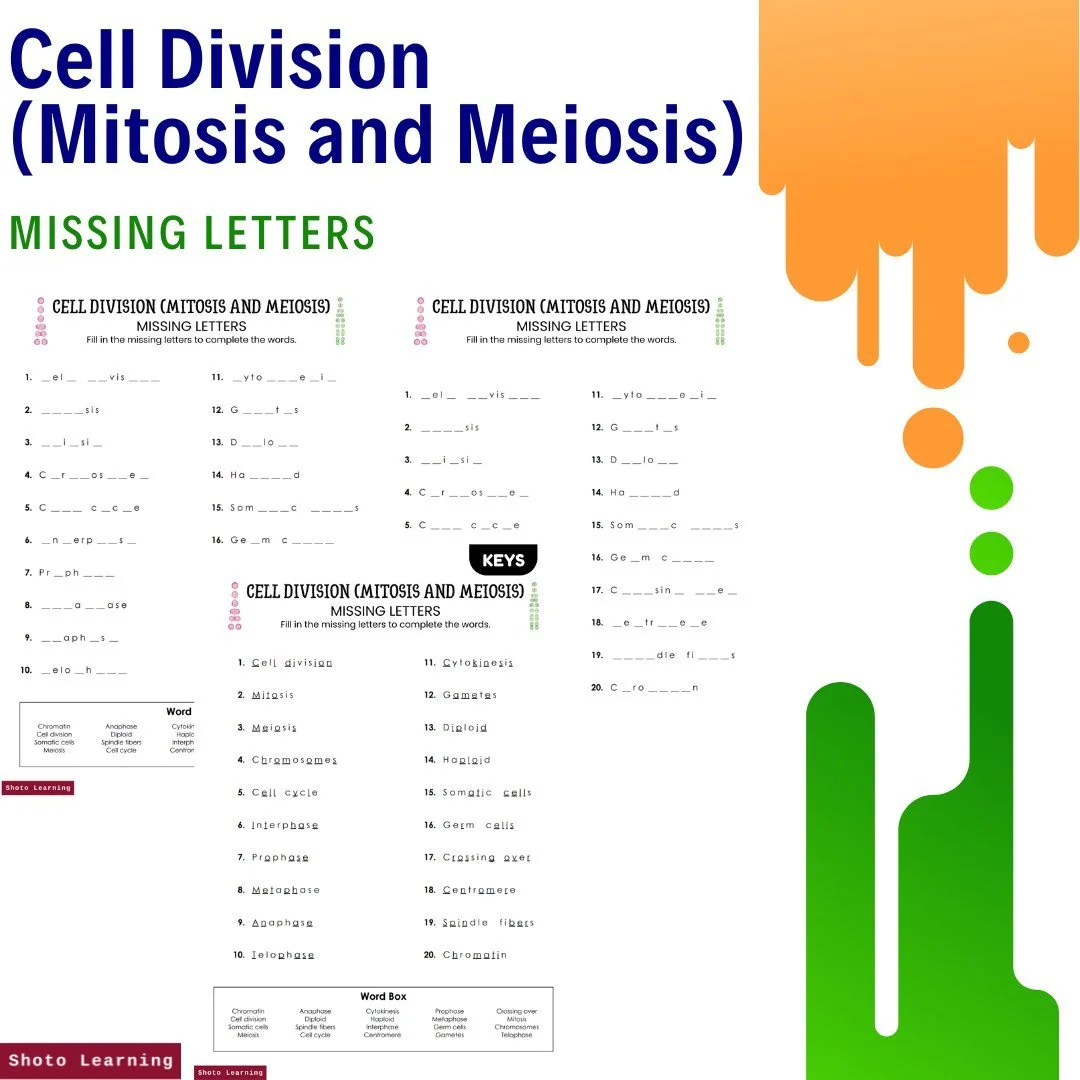


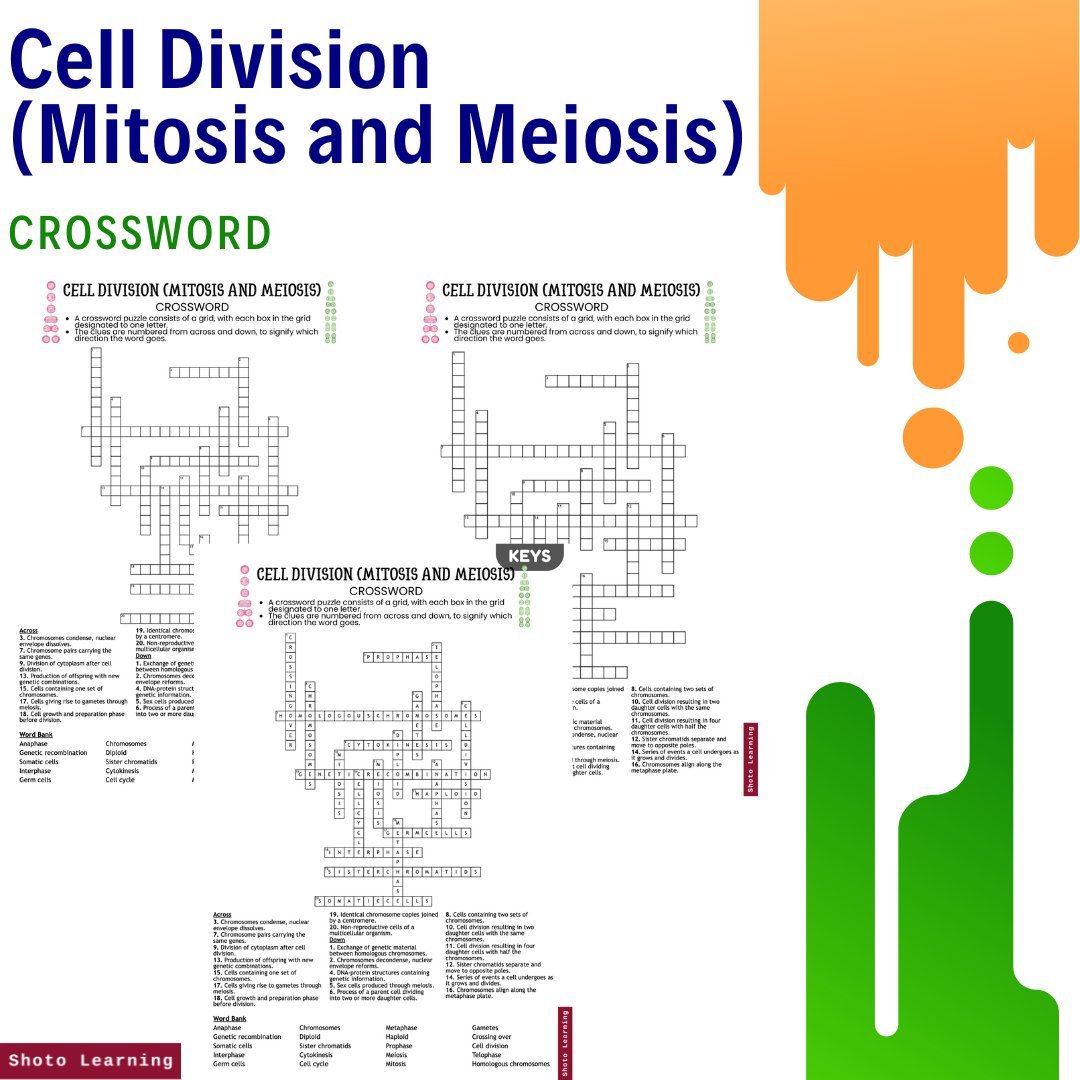


Unlock the mysteries of cellular reproduction and master the concepts of mitosis and meiosis with our Cell Division Mastery Bundle. This comprehensive collection of educational resources provides a wealth of engaging materials to enhance learning and understanding of cell division.
Key Features:
Assignments: Embark on 10 stimulating assignments covering diverse topics, encouraging critical thinking and practical application of knowledge.
Bingo - 30 Bingo Cards: Make learning fun with our interactive bingo game, featuring 30 cards filled with key terms and concepts related to cell division.
Crossword: Challenge your knowledge with a crossword puzzle that tests your understanding of mitosis and meiosis terminology.
Cryptogram: Decode secret messages related to cell division with our cryptogram activity, adding an element of mystery to your learning experience.
Debate: Engage in lively discussions and debates on cell division topics, fostering critical thinking and analytical skills.
Experiments: Explore hands-on experiments illustrating fundamental principles across various disciplines, fostering deeper understanding and engagement.
Fill in the Blank: Reinforce your understanding of cell division concepts with fill-in-the-blank exercises that provide practice and review.
Flashcards: Study on the go with our flashcards, featuring essential terms and definitions related to mitosis and meiosis.
Free ABC Order: Practice organizing key terms alphabetically with our free ABC Order worksheet, reinforcing vocabulary skills.
Free Story Book: Dive into the world of cellular reproduction with our free storybook, offering an engaging narrative on the processes of mitosis and meiosis.
Free Poster: Decorate your learning space with our free poster, providing a visual overview of cell division processes and stages.
Lesson Plan: Dive deep with our detailed lesson plan, complete with engaging activities and discussion topics.
Matching: Test your knowledge of cell division terminology with our matching activity, pairing terms with their corresponding definitions.
Missing Letters: Challenge yourself with our missing letters worksheet, filling in the blanks to complete cell division-related words.
Multiple Choice: Assess your understanding of cell division concepts with multiple-choice questions that cover a range of topics.
PowerPoint: Explore the intricacies of mitosis and meiosis with our informative PowerPoint presentation, featuring detailed explanations and visual aids.
Questions and Answers: Test your knowledge with a set of questions and answers that cover key concepts in cell division.
Reading Comprehension: Sharpen reading skills with engaging passages, perfect for students and educators alike.
Scramble: Unscramble cell division-related words with our scramble worksheet, sharpening your vocabulary and spelling skills.
Test (45 Minutes): Evaluate your understanding of mitosis and meiosis with a 45-minute test that covers essential topics in cellular reproduction.
True or False: Determine the accuracy of statements related to cell division with our true or false activity.
Word Search: Have fun while reinforcing vocabulary with our word search puzzle, featuring cell division-related terms hidden within.
Writing Prompts: Stimulate critical thinking and creativity with a set of writing prompts that explore various aspects of cell division.
Embark on a journey of discovery and mastery with our Cell Division Mastery Bundle. Whether you're a student, educator, or lifelong learner, these engaging resources provide valuable tools and insights to deepen your understanding of mitosis and meiosis.
Pages: 135 pages
Order your copy today!