
Creative Ways to Teach Reading Comprehension: Proven Strategies and Activities
Teaching reading comprehension can be challenging, but using creative methods helps students engage more deeply with texts. Creative ways to teach reading comprehension make learning interactive and fun, encouraging students to think critically and retain what they read. These approaches walk beyond simple drills and help students connect ideas, ask questions, and understand main points more clearly.
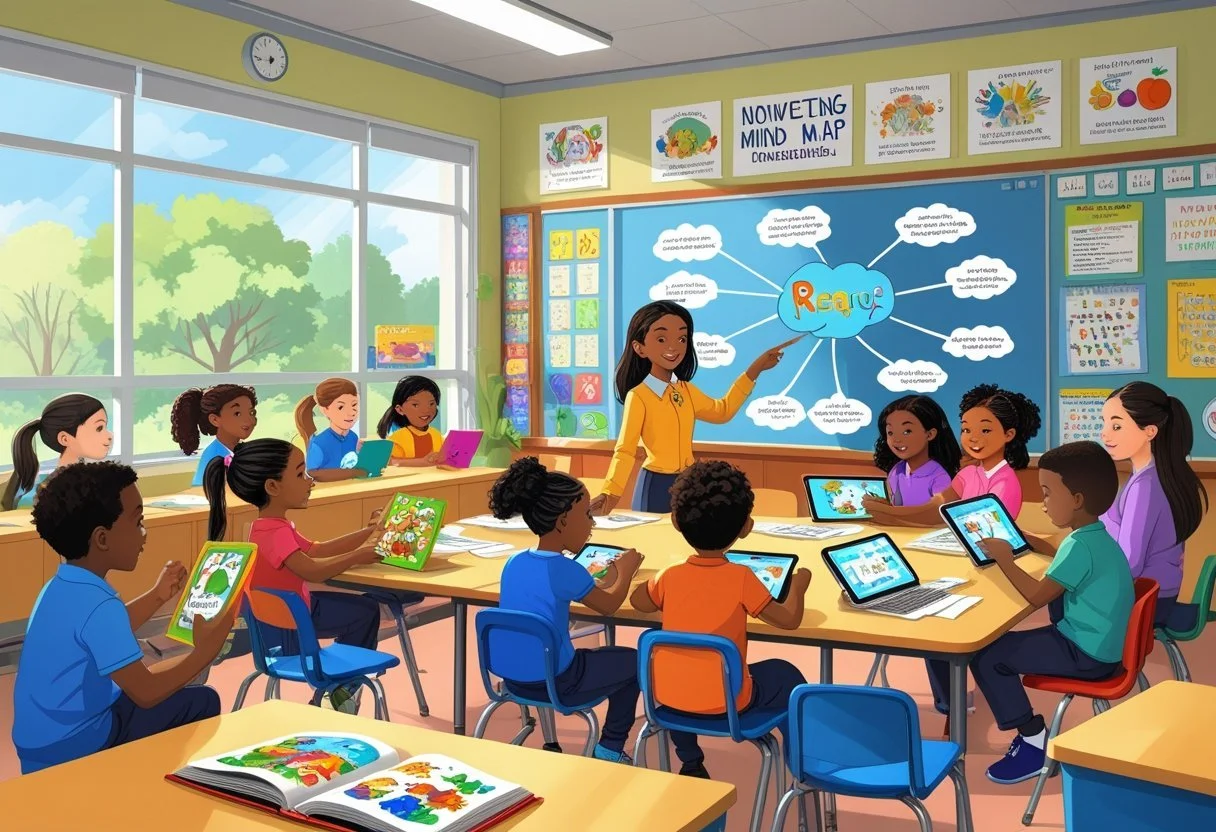
Incorporating tools like graphic organizers, prediction games, and background knowledge activities can transform lessons into active learning experiences. This motivates students to become confident readers who can use strategies on their own while reading different kinds of texts. Creative teaching also supports diverse learners by adapting lessons to meet varied needs and learning styles.
Using a variety of activities builds essential skills like summarizing, inferring, and visualizing, which are key to understanding complex material. When teachers combine these with meaningful interaction and encouragement, students develop stronger comprehension that lasts beyond the classroom.
Key Takeaways
Engaging students with hands-on activities improves understanding of texts.
Visual tools and interactive methods support deeper thinking and retention.
Tailoring lessons to different learners helps build lasting reading skills.
Fundamentals of Reading Comprehension
Reading comprehension involves many skills working together. It includes the ability to read words fluently, understand the language, and use background knowledge to make sense of the text. Strong reading comprehension helps readers focus on important ideas and connect new information with what they already know.
What Is Reading Comprehension?
Reading comprehension is the ability to understand and make meaning from text. It requires two main skills: decoding words and understanding language. Decoding means recognizing words quickly and accurately. Understanding language involves knowing vocabulary, grammar, and how ideas fit together.
Background knowledge plays a key role. When readers know about a topic, they find it easier to understand new information. Without this knowledge, even fluent readers may struggle. Comprehension also relies on thinking skills like making predictions, asking questions, and summarizing what is read.
Why Reading Comprehension Matters
Reading comprehension is essential for learning and communication. It allows people to gain knowledge from books, articles, and instructions. Good comprehension skills lead to better performance in school and everyday life.
Without strong comprehension, reading becomes a mechanical task without meaning. Readers might know the words but fail to understand the message. This limits their ability to use reading to explore new ideas or solve problems.
Teachers often focus on building background knowledge and vocabulary alongside decoding skills. This balanced approach supports readers in becoming confident and independent while improving their overall reading skills. For more strategies on this, visit 14 powerful reading comprehension strategies to teach students.
Essential Strategies for Teaching Reading Comprehension
Teaching reading comprehension requires clear methods to help students understand texts deeply. It involves guiding them step-by-step through skills like identifying the main idea and using strategies that improve focus and retention. Two key approaches emphasize direct teaching and showing thinking in action.
Explicit Instruction of Strategies
Explicit instruction means clearly teaching specific reading strategies to students. Teachers break down strategies like finding the main idea, summarizing key details, or making predictions into simple steps. They explain when and how to use each strategy during reading.
This method includes clear examples and guided practice. For instance, a teacher may show how to highlight important details or how to ask questions about the text. Students then practice with support until they can apply strategies independently.
Explicit instruction helps students build strong comprehension skills by making strategies visible and understandable. It gives them tools to actively engage with texts rather than just passively reading.
Modeling Thought Processes
Modeling thought processes shows students how skilled readers think while reading. Teachers read a text aloud and share their inner thinking aloud, like noticing clues, asking questions, or making connections.
This approach helps students see how to track understanding and use strategies to clarify confusing parts. For example, when a teacher re-reads a sentence to get a clearer meaning, students learn to do the same.
Modeling supports metacognition—thinking about one’s own thinking—so students become aware of how to monitor and adjust their reading for better comprehension. It strengthens control over reading strategies and deepens understanding of content.
Using techniques like think-alouds effectively demonstrates how to navigate a text and identify the main idea, key details, and possible inferences.
Creative Reading Comprehension Activities
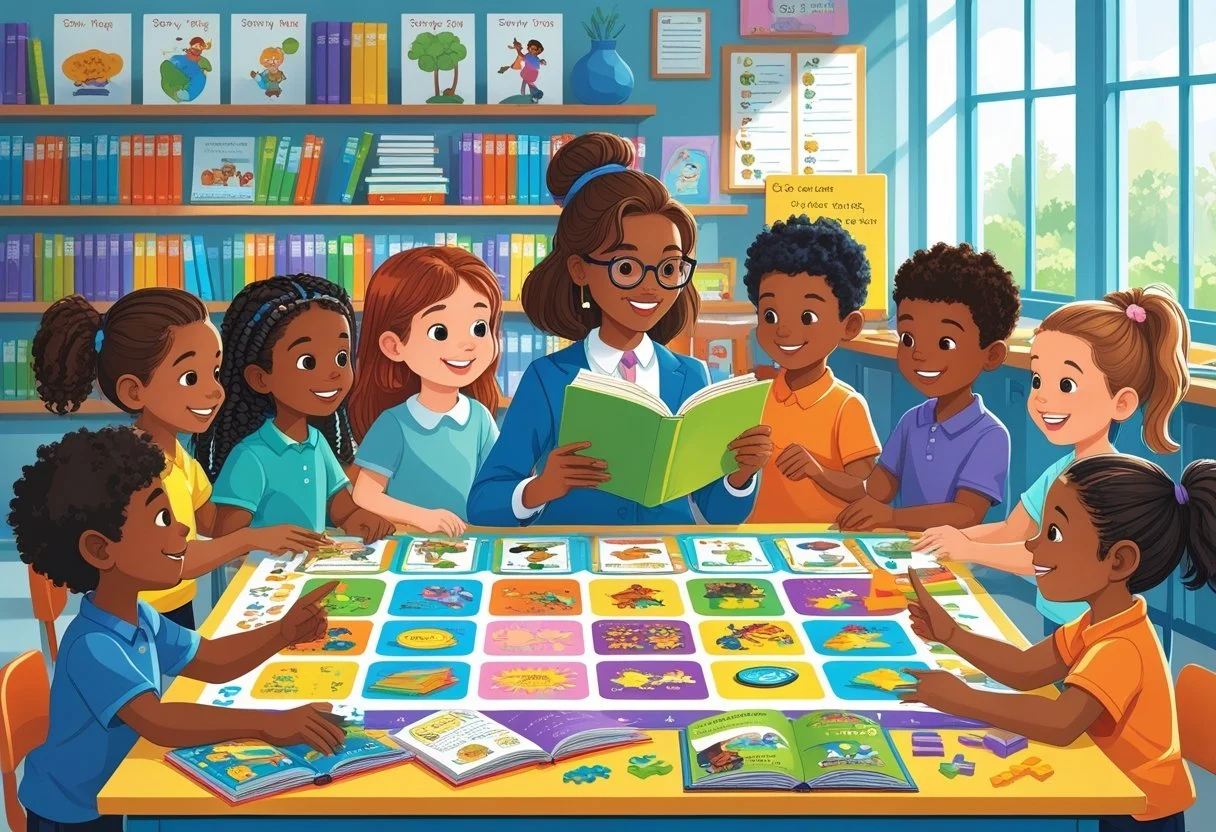
These activities help students think critically, make connections, and stay engaged. They focus on using conversation, imagination, and play to deepen understanding of texts. They also encourage students to ask questions and predict outcomes while exploring the story.
Interactive Group Discussions
In group discussions, students share ideas about the reading in a structured way. Each person can take turns answering questions about the plot, characters, and setting. This helps students practice questioning and improves their ability to explain what they read.
Teachers can guide discussions with specific prompts such as:
What do you think will happen next?
Why did a character act this way?
How does the story connect to your own life or other books?
These discussions build critical thinking skills by encouraging students to support their opinions with examples from the text. It also helps them make connections between different parts of the story and their own experiences.
Role-Playing Characters
Role-playing lets students step into the shoes of a character from the story. They act out scenes or create dialogues, which helps them understand the character’s feelings, motivations, and actions.
This activity includes tasks like:
Writing and performing a character’s diary entry
Conducting a mock interview with a character
Acting out a key scene in groups
Role-playing promotes empathy and makes abstract ideas more concrete. It also encourages students to predict how a character might react to new situations, boosting comprehension beyond simple recall.
Game-Based Learning
Games turn reading into a fun, interactive experience that strengthens understanding. Using tools like question dice, word bingo, or story-building cards, students answer questions or create parts of the story together.
Benefits of game-based learning include:
Reinforcing key facts, such as plot events or vocabulary
Promoting teamwork and friendly competition
Encouraging spontaneous questioning and predicting
For example, a “Question Ball” game where students answer who, what, when, where, or why questions after catching a ball helps recall important story details. These games keep students engaged while sharpening their focus on text elements.
Using Visual Aids and Graphic Organizers
Visual tools help students break down information and strengthen their reading skills. They support organizing key ideas and encourage active thinking during reading. These tools make it easier to identify main ideas and details clearly.
Types of Graphic Organizers
Graphic organizers come in many forms, each designed to help with specific reading tasks. Common types include:
Venn Diagrams: Show similarities and differences between two or more subjects.
Story Maps: Outline parts of a story such as characters, setting, and plot.
Cause and Effect Charts: Help track reasons and results in the text.
T-Charts: Compare two ideas or list pros and cons.
Sequence Charts: Arrange events in the order they happen.
These organizers help students sort ideas visually, making complex information easier to understand and remember. They also promote focus on important content rather than less relevant details. Using different types can address multiple reading skills and comprehension strategies.
Visualizing with Art and Sketching
Visualizing means creating mental images from what is read, boosting understanding. Using art and sketching as part of this process helps students connect with the text in a creative way.
Students can draw scenes, characters, or important objects from the reading. This not only supports remembering details but also deepens their grasp of the main ideas.
For example, after reading a story, a student might sketch a character’s look based on descriptions. This encourages close attention to text evidence.
Teachers can guide students to color or label drawings to highlight key points. This method works well for all ages and helps learners who understand better through images.
Combining drawing with graphic organizers strengthens overall comprehension and supports different learning styles.
Building Vocabulary for Better Comprehension
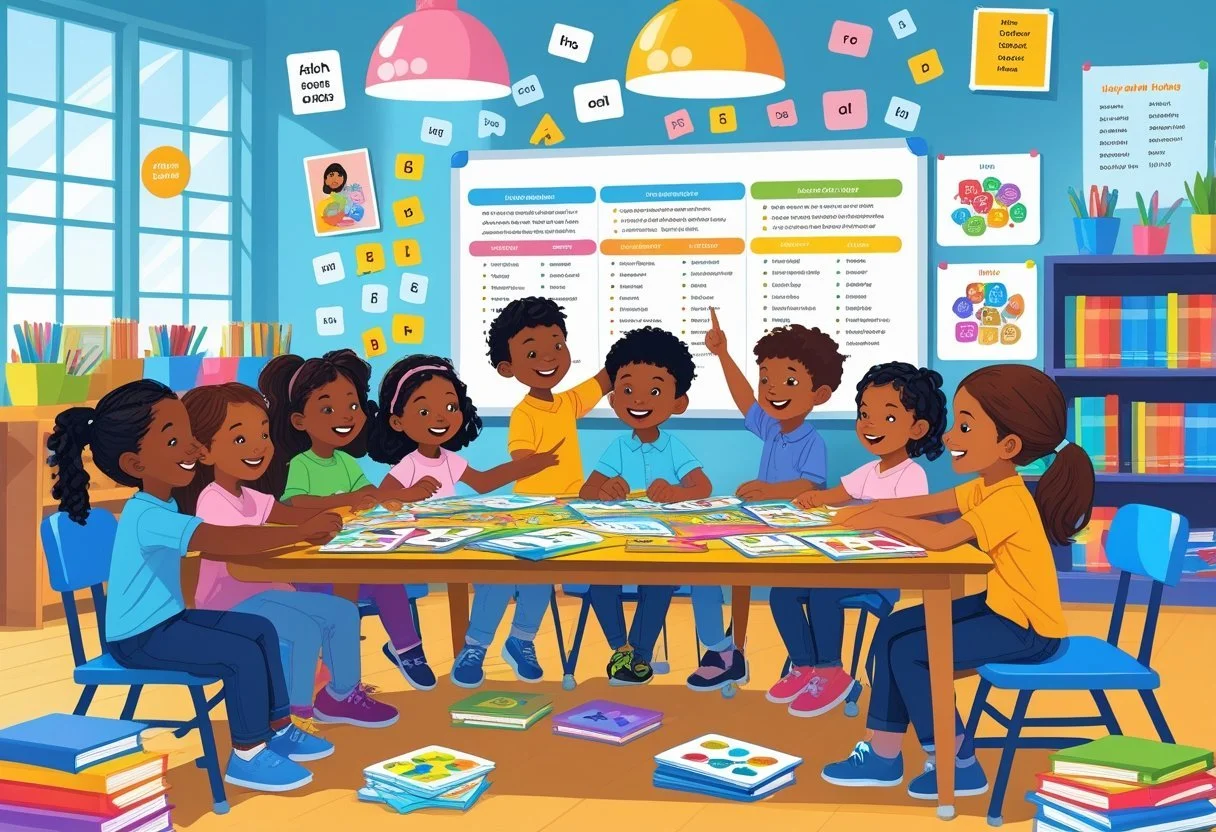
Strong vocabulary skills help students understand what they read more clearly. Using various techniques, learners can figure out word meanings and remember new words better. This improves their overall reading comprehension and makes reading more meaningful.
Context Clues and Word Games
Students learn new words best when they use context clues. This means they look at the words or sentences around an unknown word to guess its meaning. Teachers can guide students to pay attention to synonyms, antonyms, or examples close to that word. This builds skills in understanding tricky words inside a text.
Word games are a fun way to practice vocabulary. Games like matching words with definitions, fill-in-the-blank, or charades help students repeat and use the words actively. This makes the learning process more engaging and helps with long-term retention of vocabulary. Such games also encourage students to think about word meanings in different ways, strengthening their reading strategies.
Explicit Vocabulary Instruction
Directly teaching vocabulary gives students a clear foundation. Teachers select important words before reading a text and explain their meanings clearly. They use simple definitions, examples, and nonexamples to make the words easy to grasp.
Teachers often use tools like graphic organizers, such as a Frayer model, to break down vocabulary. This includes the word’s definition, characteristics, examples, and what it is not. After instruction, students practice using the new words by writing or speaking sentences. This method connects vocabulary learning with reading comprehension by making words part of everyday use, not just isolated facts.
Making Connections and Activating Background Knowledge
Building on what students already know is key to improving comprehension. When students activate their background knowledge, they can better understand new information. Making strong connections between the text and their own experiences or other sources helps readers stay engaged and remember what they read.
Text-to-Self Connections
Text-to-self connections happen when students relate the content of a reading to their own lives. This could be a personal experience, a feeling, or an idea that reminds them of something they have seen or done. These connections make the reading more meaningful and easier to understand.
Teachers can encourage this by asking students questions like, “Have you ever felt like this character?” or “What does this situation remind you of in your life?” Writing or talking about these connections helps students think deeply about the text.
Activating background knowledge in this way supports comprehension because students use what they already know to make sense of new information. It also increases their interest and motivation to continue reading.
Text-to-World and Text-to-Text Connections
Text-to-world connections involve linking reading material to real-world events, issues, or knowledge. This helps students see the relevance of their reading beyond the classroom. For example, a story about climate change can connect to news reports or community efforts students have heard about.
Text-to-text connections ask students to compare the current reading to other texts they have read. This might involve recognizing similar themes, settings, or characters. Comparing texts this way strengthens comprehension by highlighting patterns and broadening understanding.
These connections rely on activating prior knowledge and using comprehension strategies like questioning and summarizing. Teachers can guide students with prompts such as “How is this story like something else you have read?” or “What does this remind you of in the world?”
Both types deepen thinking by encouraging students to make links across ideas, which improves recall and critical analysis. Teaching students to identify and use these connections supports lifelong reading skills.
Developing Questioning and Predicting Skills
Building strong questioning and predicting abilities helps students think critically and understand texts better. These skills guide learners to explore meaning, connect ideas, and anticipate what might happen next. Teachers can use structured approaches to develop these skills effectively.
Crafting Deep Questions
Creating meaningful questions moves students beyond basic facts to deeper understanding. Teachers encourage questions that require explanation, analysis, or judgment. Examples include:
"Why do you think the character acted this way?"
"What is the author trying to say about friendship?"
Using different types of questions such as literal, inferential, and evaluative supports varied thinking skills. Literal questions check facts, inferential questions ask students to draw conclusions, and evaluative questions prompt opinions and reasoning.
Teachers can help students craft their own questions during reading. Providing sentence starters like "I wonder why..." or "What if...?" can scaffold this process. This practice turns students into active readers who engage with the text critically and thoughtfully.
Prediction Exercises and Scenarios
Prediction involves making guesses about what will happen based on clues from the text. This skill improves comprehension by keeping students involved and focused. Teachers can use short passages or images to prompt students to guess the story’s next event.
Activities like “What happens next?” or “Create a different ending” spark creativity and thinking ahead. Predicting also requires students to use background knowledge and text details together. This process strengthens both comprehension and critical thinking.
Scenarios where students discuss outcomes before finishing a story encourage group discussion and reasoning. It is important to revisit predictions after reading to compare with actual events. This feedback loop helps refine students’ prediction skills over time.
These strategies support learners in monitoring understanding and actively exploring the text’s meaning.
Adapting Instruction to Diverse Learners
Teaching reading comprehension requires flexible methods that meet the wide range of student needs. Tailoring strategies to fit different learning styles and adjusting for both advanced and English as a Second Language (ESL) students helps build stronger reading skills. Using clear steps and specific tools supports better understanding and engagement for all learners.
Strategies for Different Learning Styles
Students learn best when instruction matches their learning style. Visual learners benefit from graphic organizers, charts, and images that map out story elements or main ideas. Auditory learners improve with read-aloud sessions, discussions, and verbal summaries. Kinesthetic learners need hands-on activities, like acting out scenes or building story timelines.
Comprehension strategies should be matched to these styles. For example, a visual learner can use color-coded notes to track cause and effect, while an auditory learner might repeat key points aloud. Using varied teaching methods ensures all students can grasp reading skills effectively.
Supporting Advanced and ESL Students
Advanced students often need richer texts to stay challenged. They benefit from activities like comparing multiple versions of a story or analyzing character motives in depth. Teachers can introduce complex vocabulary and encourage critical thinking to deepen comprehension.
ESL students need clear language and extra support. Breaking down texts into smaller parts, using visuals, and teaching key vocabulary before reading helps them follow the story. Modeling thinking aloud and allowing extra time for discussion also build confidence and understanding in these learners.
Frequently Asked Questions
Effective strategies often involve breaking down texts into smaller parts, asking questions, and encouraging students to summarize what they read. Teachers also focus on building vocabulary and teaching students to make connections between ideas.
What are some effective teaching strategies for improving reading comprehension?
Teachers use techniques like reciprocal teaching, where students take turns leading discussions and asking questions. Graphic organizers and mind maps help students visually connect story elements. Predicting outcomes before reading and summarizing after reading also improve understanding.
How can we incorporate fun activities to enhance students' comprehension skills?
Using games like Roll & Chat Dice or Question Ball keeps students engaged while reinforcing key reading concepts. Creative tasks such as making wanted posters or storytelling bracelets turn learning into hands-on experiences. Puppet shows and role-playing also support deeper comprehension.
Which reading comprehension strategies are particularly beneficial for struggling readers?
Strategies like breaking text into smaller chunks and using visuals such as storyboards help struggling readers grasp the content. Building vocabulary through “Word of the Day” activities and practicing retelling stories with simple props provide additional support.
Which evidence-based practices should educators follow when teaching reading comprehension?
Research supports using explicit instruction in questioning, summarizing, and making inferences. Reciprocal teaching and cause-and-effect diagrams have proven effective. Regular practice with diverse texts and scaffolded support help students develop purposeful reading habits.
How can reading comprehension skills be assessed and monitored in the classroom?
Teachers can use worksheets with comprehension questions, quizzes created by students, and oral retellings to check understanding. Tools like timelines, mind maps, and annotation activities also reveal how well students follow story elements and themes.
What role does student engagement play in the success of reading comprehension activities?
High student engagement leads to better attention and retention. Interactive and creative activities, such as group discussions and hands-on projects, motivate students to think critically. Making reading enjoyable encourages students to practice and improve their comprehension skills consistently.