
Teaching DNA and Genetics with Models & Worksheets: A Complete Guide
Teaching DNA and genetics can be challenging because the concepts are often invisible and complex. Using models and worksheets makes these ideas easier to understand by providing clear visuals and hands-on learning opportunities. These tools help students grasp how DNA is structured and how genetic traits are passed from one generation to the next.
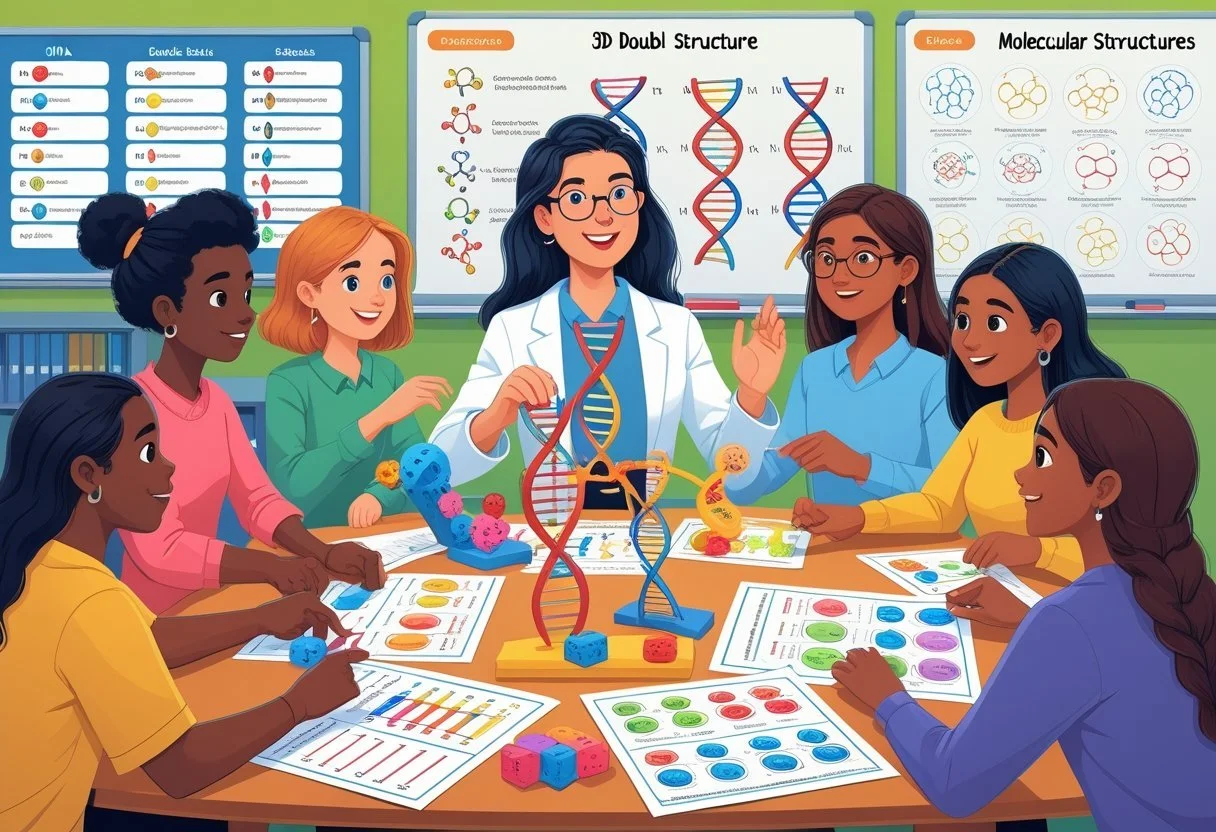
Models can show the shape of DNA or how genes interact, while worksheets offer practice with important topics like heredity and Punnett squares. Together, they create a stronger connection between abstract ideas and real-world genetics, making lessons more engaging and effective for students.
Educators gain a variety of options, from simple paper models to interactive activities, that support different learning styles. This approach not only builds knowledge but also encourages curiosity about genetics and its role in life.
Key Takeaways
Visual tools make DNA and genetics easier to understand.
Hands-on activities improve student engagement and learning.
Clear examples link genetics lessons to everyday life.
Why Use Models and Worksheets to Teach DNA and Genetics
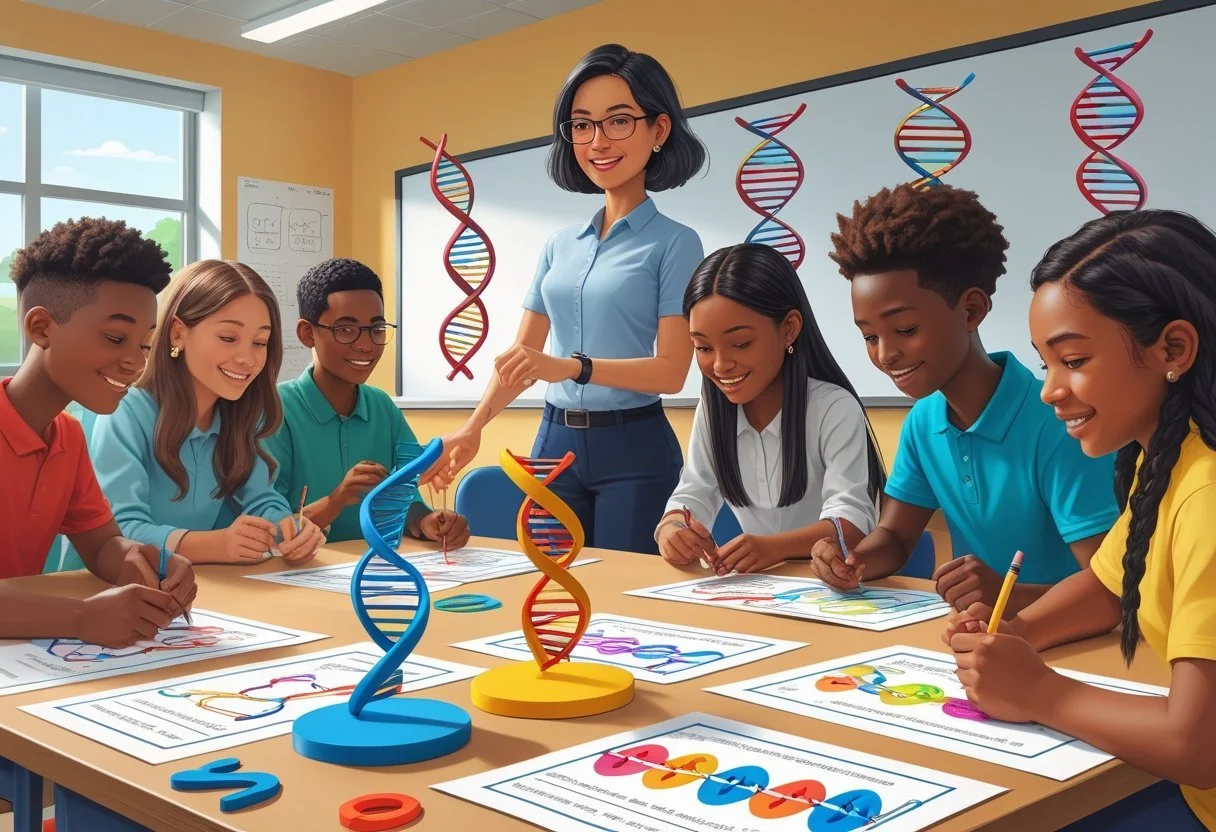
Using models and worksheets helps make abstract ideas about DNA and genetics concrete and clear. These tools support different learning styles, boost focus, and connect theory with real-world examples. They simplify complex structures and processes, making them easier for students to understand.
Advantages of Visual Learning Tools
Models show the detailed shape and structure of DNA, like the famous double helix. Visual tools help students see how DNA strands twist and pair, which is hard to imagine from text alone. They also clarify how genes carry traits, showing dominant and recessive forms through colors or shapes.
Worksheets provide practice with genetics concepts such as Punnett squares and inheritance patterns. These visual layouts strengthen logical thinking by guiding students step-by-step through problems. Together, models and worksheets help transform visual information into knowledge.
Enhancing Student Engagement
Hands-on models and worksheets keep students interested. Building DNA models with pipe cleaners or pasta involves physical activity, which helps learners stay focused. Extracting DNA from fruit is another way to make genetics feel real and exciting.
Worksheets offer challenges like predicting traits or tracing family genes. This kind of active participation encourages curiosity and deeper thinking. When students manipulate models or complete worksheets, they take ownership of their learning and remember lessons better.
Linking Hands-On Activities With Concepts
Hands-on activities connect abstract concepts of heredity to tangible experiences. For example, constructing a DNA model helps students grasp nucleotide pairing and strand twisting. This physical assembly reinforces textbook ideas.
Worksheets allow learners to apply what they see in models to genetic calculations and terminology. By combining these methods, students better understand how DNA affects inherited traits and why characteristics skip generations. This linkage makes lessons meaningful and builds a solid foundation for future genetics studies.
Fundamental Concepts of DNA and Genetics
DNA carries the instructions for life, organized into units called genes. These genes are grouped on chromosomes inside cells. Together, they form the genome, which contains all the information needed to build and maintain an organism.
DNA Structure and Function
DNA is a long molecule shaped like a twisted ladder, called a double helix. It is made of four building blocks called nucleotides: adenine (A), thymine (T), cytosine (C), and guanine (G). These bases pair specifically—A with T, and C with G—holding the two DNA strands together.
The sequence of these bases encodes genetic information. This information guides the production of proteins, which perform most tasks in the body. DNA can replicate itself, allowing cells to pass genetic information to new cells during growth and repair.
Genes and Chromosomes Overview
Genes are segments of DNA that contain instructions for making proteins or RNA. Each gene has a specific location on a chromosome. Humans have 23 pairs of chromosomes in most cells, totaling 46.
Chromosomes serve as storage units for many genes. They help organize DNA so it fits inside the cell nucleus. Changes or mutations in genes can affect how they work and may lead to genetic disorders or traits.
What is a Genome
The genome is the full set of genetic material in an organism. It includes all of its genes and non-coding DNA, which influences gene regulation. Human genomes have about 3 billion DNA base pairs.
Mapping the genome helps scientists understand heredity, disease, and evolution. Each person’s genome is unique, except for identical twins. Studying genomes allows for advances in medicine and biology by revealing how genes contribute to health and traits.
Explaining Genetic Traits and Heredity
Genes carry the instructions for many characteristics found in living things. These characteristics, or traits, are passed down from parents to children through DNA. Traits can show patterns depending on how genes interact, and family members often share similar features because of heredity.
Understanding Inherited Traits
Inherited traits are features passed from parents to their offspring through genes. These traits include things like eye color, hair type, and even some health conditions. Each person gets two copies of each gene—one from each parent.
These gene pairs determine how a trait appears. Some traits are controlled by simple patterns, while others depend on multiple genes. Inherited traits are physical or biochemical features that remain consistent across generations.
Dominant and Recessive Traits
Dominant traits appear if at least one dominant gene is present. For example, if a person has one gene for brown eyes (dominant) and one for blue eyes (recessive), brown eyes usually show.
Recessive traits only appear when both genes are recessive. Using the eye color example, blue eyes show only if a person has two recessive genes.

This system helps explain why some traits skip generations or appear less often in families.
Family Traits and Variations
Family traits are those shared by relatives because of heredity. These include things like a dimple, a widow’s peak, or blood type. People in the same family often have similar physical features because they inherit many of the same genes.
However, variations occur because genes can mix in many ways. Mutations or environmental factors might change how traits appear. Even siblings can look different due to this genetic variation.
Understanding family traits helps students connect real examples to genetics concepts. It shows how heredity works in everyday life.
Hands-On DNA Models: Types and Teaching Methods
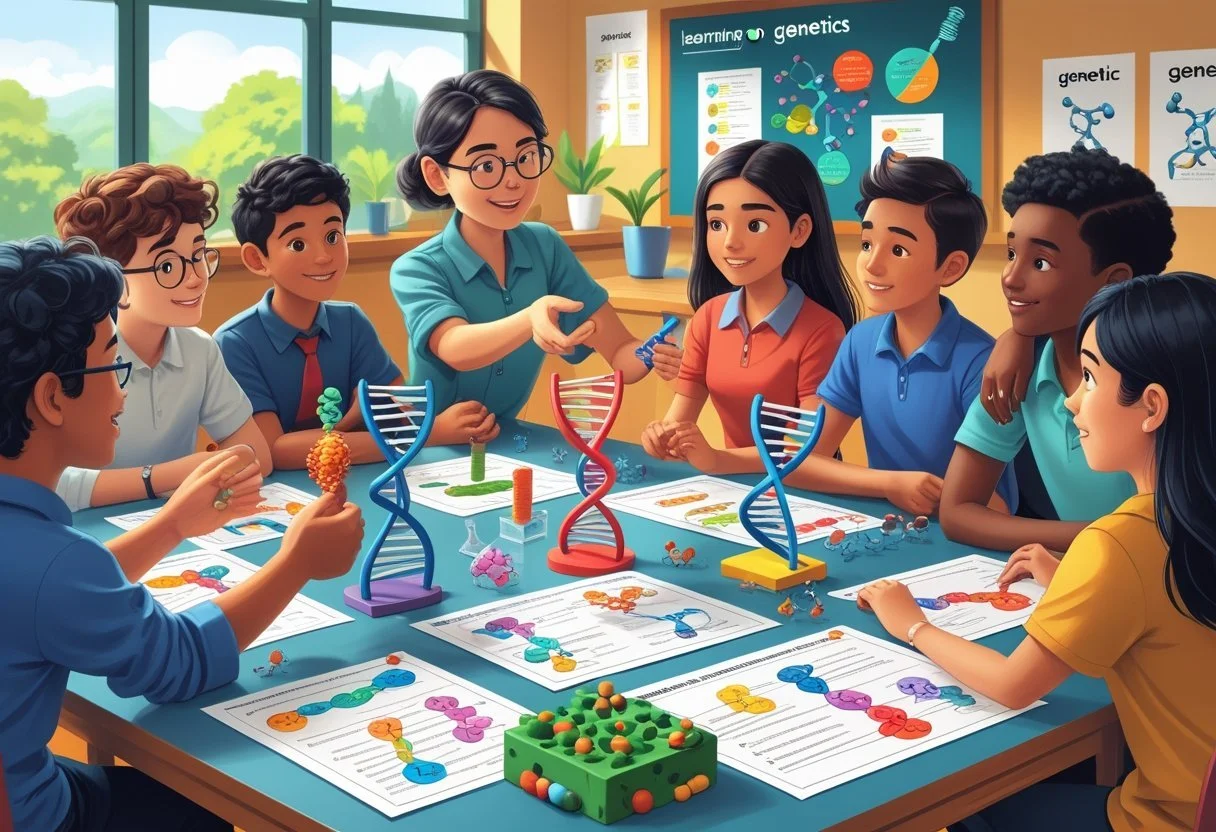
Hands-on DNA models help students understand the structure and function of DNA through active learning. Various approaches use physical building, edible materials, and paper-based methods to demonstrate DNA’s double helix, base pairing, and other key features. Each method supports different learning styles and enhances engagement with genetics concepts.
Building 3D DNA Structures
Three-dimensional DNA models often use craft supplies like pipe cleaners, beads, and straws to represent the backbone, bases, and bonds. Students physically build the double helix, which helps them visualize the spatial structure and base pairing rules.
This method encourages creativity and collaboration. It requires students to understand the chemical components, such as sugar-phosphate backbones and complementary bases (adenine pairs with thymine, guanine pairs with cytosine).
Teachers usually combine this activity with experiments like DNA isolation or gel electrophoresis for a practical connection. The hands-on building reinforces memory and comprehension better than just reading or lectures.
Edible DNA Activities for Engagement
Edible models use materials like gummy candies, licorice, and toothpicks to construct DNA strands. These activities make learning interactive and enjoyable while illustrating the same scientific concepts.
Students can identify and pair the four bases by color or shape, creating a tasty representation of the double helix. Edible models help younger learners or those new to genetics engage without intimidation.
This approach also supports lessons on genetic coding and molecular biology by linking concrete items to abstract ideas. It encourages problem-solving and careful observation as students assemble their DNA strands.
Coloring and Paper-Based DNA Models
Coloring worksheets and paper models simplify DNA concepts through drawing and folding. Students use colors to represent nucleotides and base pairs, helping them differentiate parts of the DNA molecule visually.
Paper-based models, such as origami helices or cut-and-paste kits, allow students to construct a 2D or simple 3D structure. These models require fewer materials and less setup compared to complex builds.
This method works well for classrooms with limited resources or time. It offers a clear way to learn DNA structure basics and supports further discussions on genetics and heredity through visual representation.
Genetics Worksheets for Classroom Learning
Worksheets help students explore genetics by analyzing traits, practicing genetic crosses, and engaging with interactive activities. They support learning about alleles, phenotypes, and inheritance patterns while offering clear practice tools.
Trait Inventory and Analysis Worksheets
These worksheets focus on identifying and analyzing genetic traits in students and their families. Students record traits like eye color, hair type, or earlobe shape to see which are dominant or recessive. This hands-on activity helps connect abstract concepts to real examples.
Students often compare phenotypes across siblings or relatives. The worksheets guide students to note patterns and understand how alleles influence traits. Teachers can use these sheets to introduce terminology or assess students’ grasp of inheritance basics.
Such worksheets often include questions prompting students to explain why some traits appear more or less frequently. They also encourage critical thinking, asking students to consider how genes mix and match to create diversity.
Using Punnett Squares and Pedigrees
Punnett square worksheets teach students how to predict the outcome of genetic crosses. They practice placing alleles for dominant and recessive traits to determine offspring probabilities. These exercises clarify how alleles combine and express traits.
Pedigree worksheets guide students in tracking traits over generations in a family tree format. Students analyze patterns of inheritance, spotting carriers of recessive traits or dominant trait spread. These lessons strengthen understanding of heredity beyond single-gene crosses.
Worksheets often include step-by-step instructions and answer keys to help students learn independently. They provide visual and logical tools to grasp genotype and phenotype relationships in a manageable way.
Interactive Games and Puzzles
Games and puzzles make genetics learning more engaging while reinforcing key concepts. Activities such as DNA bingo or genetic trait sorting build vocabulary and test knowledge of terms like allele and phenotype.
Some worksheets include puzzles where students match traits with genetic causes or build models of DNA sequences. These approaches turn abstract genetics concepts into tangible, active learning experiences.
Interactive worksheets often involve group work, encouraging discussion and collaboration. This format supports varied learning styles and deepens retention by mixing fun with education.
Connecting Genetics to Real-World Examples
Genetics plays a vital role in understanding the traits passed down through families and the similarities between species. Exploring these ideas helps students see how genes work in everyday life and across the animal kingdom.
Family History and Trait Mapping
Family history reveals how inherited traits travel through generations. By studying traits like eye color, hair type, or certain health conditions, students can map which genes family members share. This helps explain how traits appear or skip generations.
Trait mapping involves creating simple charts or family trees, showing who has a trait and predicting who might inherit it. These gene patterns give insight into the function of individual sections of a person's genome. Tracking family traits encourages hands-on learning and connects genetics to personal identity.
This process strengthens understanding of dominant and recessive genes. It shows how a gene's presence in parents impacts their children, underlining how genetics shapes physical features and some medical conditions.
Human and Animal Genes Compared
Comparing genes across humans and animals highlights both shared and unique traits. Many animals have genes similar to humans, which control basic functions like growth and metabolism. This comparison helps explain evolution and why some traits appear in many species.
For example, dogs and humans share genes that affect coat color or disease risks. Understanding these common genes aids research in medicine and biology. It also shows how genes influence traits differently depending on the species’ environment and needs.
This comparison helps students see that the study of genetics goes beyond humans. It connects classroom lessons to real-world biology by showing how genomes shape life across many species.
Top Resources for Teaching DNA and Genetics
Effective DNA and genetics teaching relies on clear explanations, engaging visuals, and hands-on activities. Several platforms and tools provide well-structured materials and interactive content to help students grasp complex concepts. These include university-developed lessons, educational videos, and platforms that simplify genetic information.
University of Utah Educational Materials
The University of Utah offers comprehensive genetics lessons and activities designed for educators. Their resources include printable worksheets, lesson plans, and detailed modules covering DNA structure, Mendelian genetics, and heredity.
These materials focus on building foundational knowledge through step-by-step activities. For example, worksheets on Punnett squares help students practice predicting genetic traits. The university also provides accessible explanations of chromosomes and gene functions to support classroom teaching.
Teachers can use these resources to create hands-on learning experiences that promote student engagement. The content is suitable for middle and high school levels, providing clear visuals and easy-to-understand scientific concepts.
Helpful Videos and Animations
Videos and animations are valuable for showing dynamic processes like DNA replication, transcription, and translation. Many platforms provide free, classroom-ready videos that break down complex topics into manageable segments.
Animations often include visual aids such as models of DNA and chromosomes, which help students visualize what cannot be seen easily in real life. Short clips focusing on heredity, genetic variations, and the role of DNA in cells make these concepts more accessible.
Using videos alongside worksheets allows teachers to combine auditory and visual learning. This approach can improve student understanding and retention, especially for learners who benefit from seeing biological processes in action.
Stated Clearly and Your Genome Platforms
Stated Clearly offers a series of videos and materials that explain genetics clearly and simply. Their content covers topics such as DNA basics, genetic mutations, and evolution. These materials are designed to make genetics understandable for a broad audience.
Your Genome is a project that provides detailed, science-based information about genes and genomes. It offers interactive tools and fact sheets that help students explore how DNA influences traits and health.
Both platforms include teacher guides and printable resources. They support classroom discussions with up-to-date scientific facts and practical examples. These resources are helpful for educators aiming to connect textbook knowledge with real-world genetics.
Tips for Effective DNA and Genetics Lessons
Successful lessons use activities suited to the students’ age. They also challenge thinking through real examples and questions. Clear ways to test understanding and give feedback help students improve.
Adapting Activities for Different Ages
For younger students, simple models and short activities work best. Using hands-on projects like building DNA chains from colored beads helps them see what DNA looks like. Worksheets should focus on basic terms like genes and traits.
Older students can handle more detailed tasks. They might analyze patterns in pedigrees or complete worksheets on mutations and inheritance. Complex models, such as 3D DNA structures or interactive simulations, encourage deeper learning.
Teachers should adjust vocabulary and lesson pace to match student skill. Visual aids and physical models keep all ages engaged. Using examples from real life, like family traits, makes lessons more relatable.
Encouraging Critical Thinking
Questions that ask “why” and “how” help students connect ideas in genetics. For example, asking why certain traits run in families promotes discussion about inheritance patterns.
Using case studies about genetic disorders or mutations makes lessons relevant. Students evaluate information and predict outcomes, which builds problem-solving skills.
Group activities, such as analyzing a pedigree or designing a genetics experiment, encourage collaboration and reasoning. Teachers should prompt students to explain their thinking clearly.
Critical thinking moves lessons beyond memorization. It helps students understand genetics as a process, not just facts.
Assessment and Feedback Methods
Frequent, clear assessments track student progress. Quizzes on key terms and short answer questions on topics like DNA replication measure understanding.
Formative assessments work well, such as checking group work or having students present models. These give teachers a chance to correct mistakes quickly.
Feedback should be specific and constructive. Telling students exactly what they did well and what needs improvement helps them learn better.
Using rubrics with clear criteria for projects and worksheets makes grading fair and objective. Feedback sessions should encourage questions and discussion to deepen learning.
Frequently Asked Questions
This section answers common questions about teaching genetics with hands-on tools and worksheets. It covers effective activities, resources, and ways to use models to explain complex DNA processes.
What are effective hands-on activities for teaching genetics in high school?
Hands-on activities like building DNA models with kits or craft materials help students visualize structures. Using Punnett squares and conducting simple genetic crosses reinforce inheritance patterns.
Simulating mutations with role-playing or card games can make understanding gene changes clearer. These activities engage students and deepen their grasp of genetic concepts.
Where can I find genetics worksheets suitable for high school students?
Many educational websites offer free or low-cost printable genetics worksheets. Textbooks and teacher resource sites also provide worksheets covering topics like genotype, phenotype, and inheritance.
Worksheets often include practice problems on Punnett squares, pedigrees, and basic DNA structure, suitable for high school learning levels.
How can I use models to help students understand DNA replication and mutation?
Physical models of DNA strands can show how replication occurs by pairing bases and creating new strands. Demonstrating where and how mutations happen helps students visualize errors in copying.
Models clarify abstract processes by letting students manipulate components, improving comprehension of replication mistakes and their effects on traits.
What introductory worksheets can I use to teach genetics to beginners?
Worksheets that focus on key terms like gene, allele, genotype, and phenotype work well for beginners. Simple activities with fill-in-the-blank questions and matching terms help build foundational knowledge.
Basic Punnett square problems with common traits, like eye color, allow new learners to apply concepts without being overwhelmed.
Can you recommend any fun and interactive activities for exploring genetic concepts?
Games that simulate inheritance, such as card matching to form genotypes or online quizzes on dominant and recessive traits, make learning genetics engaging.
Interactive group activities, like creating family pedigree charts, encourage collaboration while exploring inheritance patterns.
Where can I access PDF resources for genetics activities and worksheets?
Many educational sites offer free PDF downloads of genetics worksheets and activities. Government and university websites often provide reliable and well-structured PDF materials for classroom use.
Teachers can also find collections of practice problems and step-by-step genetics exercises in downloadable formats for easy distribution.