
Teaching Chinese New Year Effective Strategies for Classroom Engagement
Teaching Chinese New Year is a meaningful way to introduce students to global traditions and help them appreciate cultural diversity. Learning about this holiday gives students the chance to understand important customs, such as family gatherings, special foods, decorations, and the exciting parade of dragons and fireworks. These lessons are not only fun and engaging, but they also help build a foundation of respect and understanding for people from different backgrounds.
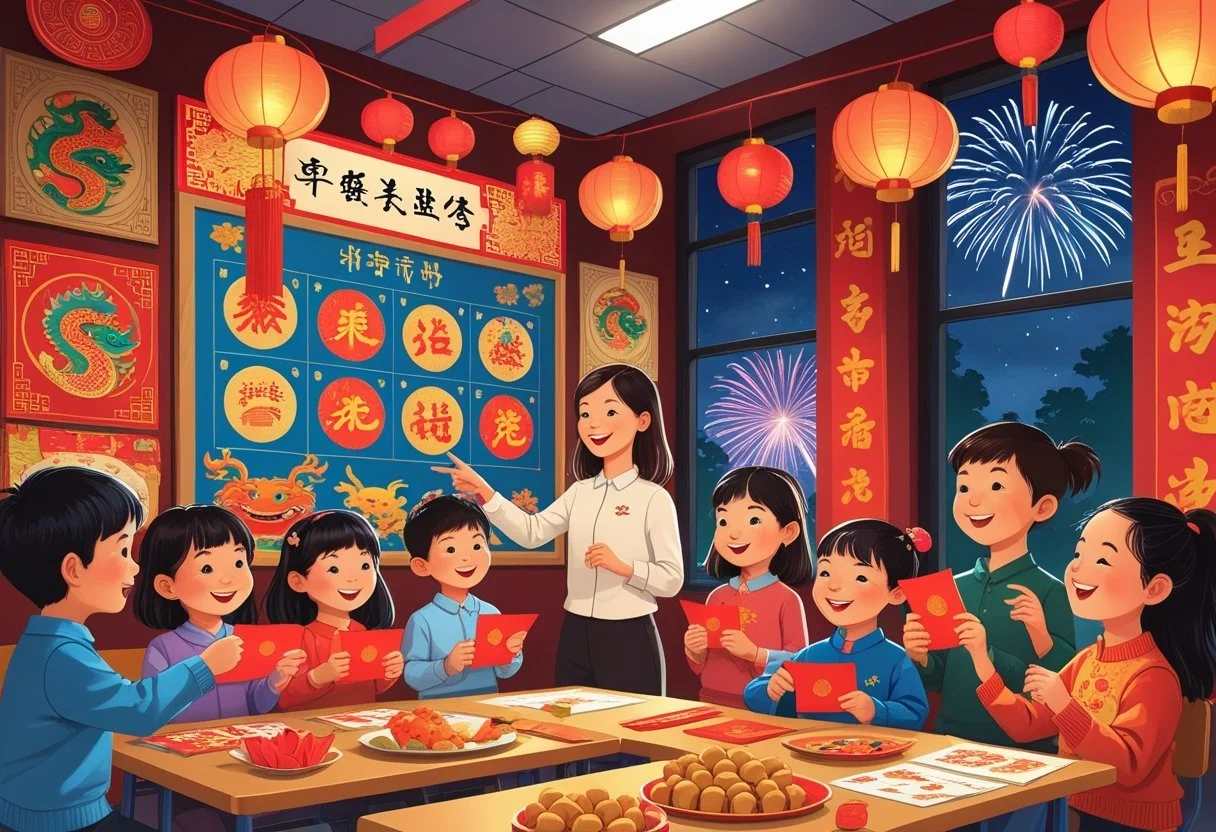
Classroom activities can include storytelling, hands-on crafts, role-playing, and exploring the history and symbols of the New Year. Students enjoy making paper lanterns, reading about the zodiac animals, and even trying traditional greetings. With simple lessons and creative projects, teachers can make Chinese New Year memorable for students of all ages.
Key Takeaways
Teaching Chinese New Year encourages cultural understanding and respect.
Activities and crafts make learning about this holiday engaging for students.
Lessons highlight important symbols, traditions, and modern celebrations.
Understanding Chinese New Year
Chinese New Year is a major cultural event that is deeply connected to tradition, family values, and the lunar calendar. It is celebrated worldwide, with customs and timing shaped by centuries-old beliefs and practices.
Significance of Chinese New Year
Chinese New Year marks the start of a new year in the traditional Chinese calendar and is also called the Spring Festival. Families gather to clean their homes, share meals, and honor ancestors. The festival lasts for 15 days, ending with the Lantern Festival.
Some important customs include:
Giving red envelopes with money as a symbol of luck
Lighting firecrackers to scare away bad spirits
Decorating homes with red banners and paper cuttings
The holiday encourages togetherness and expresses hopes for good luck, health, and happiness in the coming year.
Connection to the Chinese Calendar
Chinese New Year does not fall on a set date each year. It is determined by the Chinese lunar calendar, which tracks months based on the cycles of the moon.
The holiday falls on the second new moon after the winter solstice, typically between January 21 and February 20 on the Gregorian calendar. Each year in the Chinese calendar is linked to one of twelve animals in the Chinese zodiac, such as the Rat, Ox, or Dragon.
This system makes the holiday unique compared to solar-based calendars used in the West. The lunar calendar ensures that traditions like Chinese New Year remain closely tied to the rhythms of nature.
Difference Between Chinese New Year and Lunar New Year
Chinese New Year and Lunar New Year are terms that are often used interchangeably, but they do have differences. Chinese New Year specifically refers to the new year celebration as observed in Chinese culture and in communities worldwide.
Lunar New Year is a broader term and includes new year holidays celebrated in other East and Southeast Asian countries, like Vietnam’s Tết and Korea’s Seollal. While these holidays share common roots and traditions, each culture has its own unique customs, foods, and ways of celebrating.
Understanding this difference helps promote respect and accuracy when teaching or discussing these important festivals.
History and Origins
Chinese New Year, often called Spring Festival or Lunar New Year, is celebrated by millions and has roots going back thousands of years. It is a festival marked by ancient customs, cultural change, and deep links to myths and the lunar calendar.
Ancient Traditions and Legends
Chinese New Year began over 3,500 years ago during the Shang Dynasty. Early celebrations honored ancestors and marked the start of new agricultural cycles. Families gathered to worship gods and offer sacrifices to ensure a good harvest.
Over time, these traditions became more organized. Ceremonies centered around family, food, and respect for elders grew in importance. People prepared special dishes and decorations long before the festival officially started.
Legend also played a part. One famous tale tells of a monster called Nian who terrorized villages. To drive it away, people used firecrackers, red color, and loud noises—customs that continue today.
Evolution of the Festival
Chinese New Year’s significance changed as society evolved. At first, rituals were strictly religious and agricultural, but over centuries, the holiday started including social and entertainment activities. The lunar calendar, which determines the festival’s timing, set it apart from the Western solar New Year.
Public celebrations, dragon and lion dances, and grand feasts became standard. Since 1949, the festival has been a national public holiday in China. Its importance also spread beyond China, reaching communities in East and Southeast Asia and places with large Chinese populations.
Modern families celebrate with reunions, fireworks, digital red envelopes, and TV specials. While many customs remain, new elements continue to appear, blending history with current trends.
Role of Mythology
Mythology plays a large role in the Chinese Lunar New Year. The story of the Nian monster explains why red color and loud sounds are central to the festival. It helps teach children about bravery and working together.
Each year is linked to one of the twelve animals in the Chinese zodiac. These zodiac signs are based on a legend about a race among animals arranged by the Jade Emperor. Families often look up lucky numbers, colors, and traditions based on their zodiac animal for the year.
Through these stories, the festival keeps old beliefs alive. Mythology brings color, meaning, and fun to each year’s celebration.
Key Symbols and Traditions
Chinese New Year, also called the Chinese Lunar New Year or Spring Festival, is filled with important customs. People celebrate using meaningful symbols, special foods, and observe traditions that honor family and bring good luck.
Red Decorations and Their Meanings
Red is the most common color during Chinese New Year. It stands for good luck, happiness, and protection against bad spirits. Many families hang red lanterns, paste red couplets (春联) with lucky phrases on their doors, and put up paper 福 (“fu,” meaning good fortune) characters upside down to bring happiness.
Red envelopes (红包, hóngbāo) filled with money are given, especially to children, as a symbol of sharing blessings. Firecrackers and fireworks are also part of the celebration. They were originally used to scare away evil spirits, and now they help add excitement and mark the new year.
Decorations often feature other lucky symbols, like the image of fish (which sounds like “surplus” in Chinese) and peaches for longevity. Red is everywhere, reminding people to stay joyful and hopeful as they welcome the new year.
Traditional Foods and Family Dinners
Food is at the heart of every Chinese New Year celebration. The family reunion dinner on New Year's Eve is the most important meal of the entire year. Families gather to enjoy dishes packed with meaning.
Some common foods and their meanings include:
Dumplings (饺子, jiǎozi): Wealth and prosperity.
Fish (鱼, yú): Abundance and surplus (the word “fish” sounds like “plenty” in Chinese).
Rice cakes (年糕, niángāo): Improvement and progress, as “niángāo” sounds like “higher each year.”
Spring rolls: Fresh starts and wealth.
Each dish is carefully chosen for its symbolic meaning. After dinner, families may stay up late to watch the New Year’s Gala or set off fireworks together. Sharing food during this festival strengthens family bonds and expresses hopes for a better year ahead.
Importance of Zodiac Animals
The Chinese zodiac (生肖, shēngxiào) is a system with twelve animal signs, one for each year in a repeating cycle. Each animal represents certain traits, and the zodiac sign for the new year plays a key part in festival traditions.
The current year is celebrated as the “Year of the (Animal)” depending on the lunar calendar. People use decorations, clothing, and gifts showing the year’s animal. For example, shops and homes will display the image of the zodiac animal to attract fortune and happiness.
Children often learn stories about the zodiac, like how the order of the animals was decided in a famous race. The zodiac also influences new year greetings, predictions, and sometimes the planning of events like weddings or moving houses. Knowing the zodiac animal gives insight into people’s characters and is an important cultural lesson for learners of all ages.
The Chinese Calendar Explained
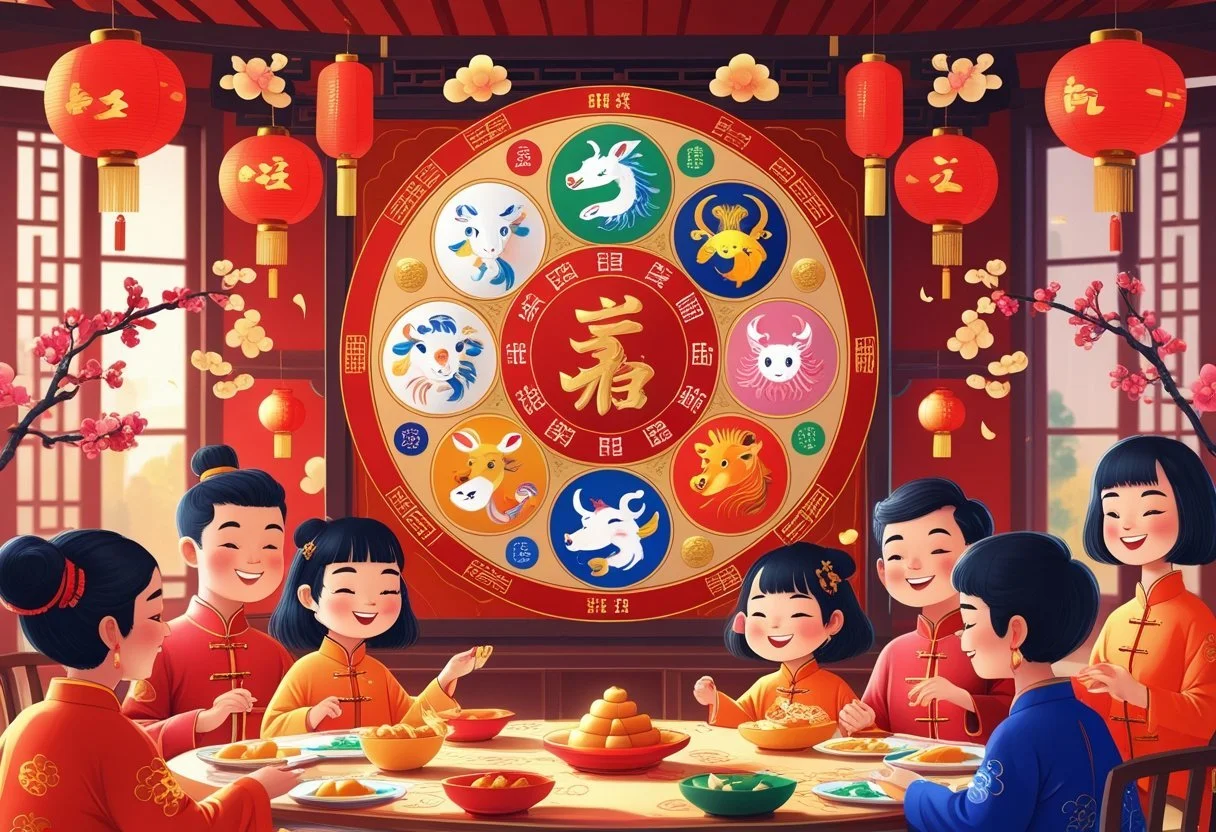
The Chinese calendar is different from the commonly used Western calendar. It follows the cycles of the moon as well as the sun, which affects when festivals like Chinese New Year are celebrated.
Structure of the Chinese Calendar
The Chinese calendar is a lunisolar calendar, which means it is based on both the moon and the sun. Each month starts with the new moon and lasts either 29 or 30 days, making a regular year 354 or 355 days long.
A normal Chinese year has 12 months, but every 2-3 years, a leap month is added. This helps the calendar stay matched with the seasons because the lunar year is shorter than the solar year. The leap month can fall at almost any time of the year, depending on astronomical calculations.
Years in the Chinese calendar are named after an animal from the Chinese zodiac. There are 12 animals, and each new year marks the start of a different zodiac animal’s cycle. This system is important in Chinese culture and shapes many traditions.
Determining the New Year Date
The date of Chinese New Year is not fixed. It changes every year because it depends on the cycles of the moon. Chinese New Year always falls on the second new moon after the winter solstice, which usually happens sometime between January 21 and February 20 on the Western calendar.
People cannot just look at a normal calendar to know when Chinese New Year will be. Special astronomical tools and calculations are used to find the exact date each year. This is why school terms and work schedules in China often plan around this important holiday.
The date is also important for marking the end of one zodiac animal year and the start of the next. This event is celebrated with many festivals and family gatherings, all based on the timing set by the Chinese calendar.
Popular Festivities and Activities
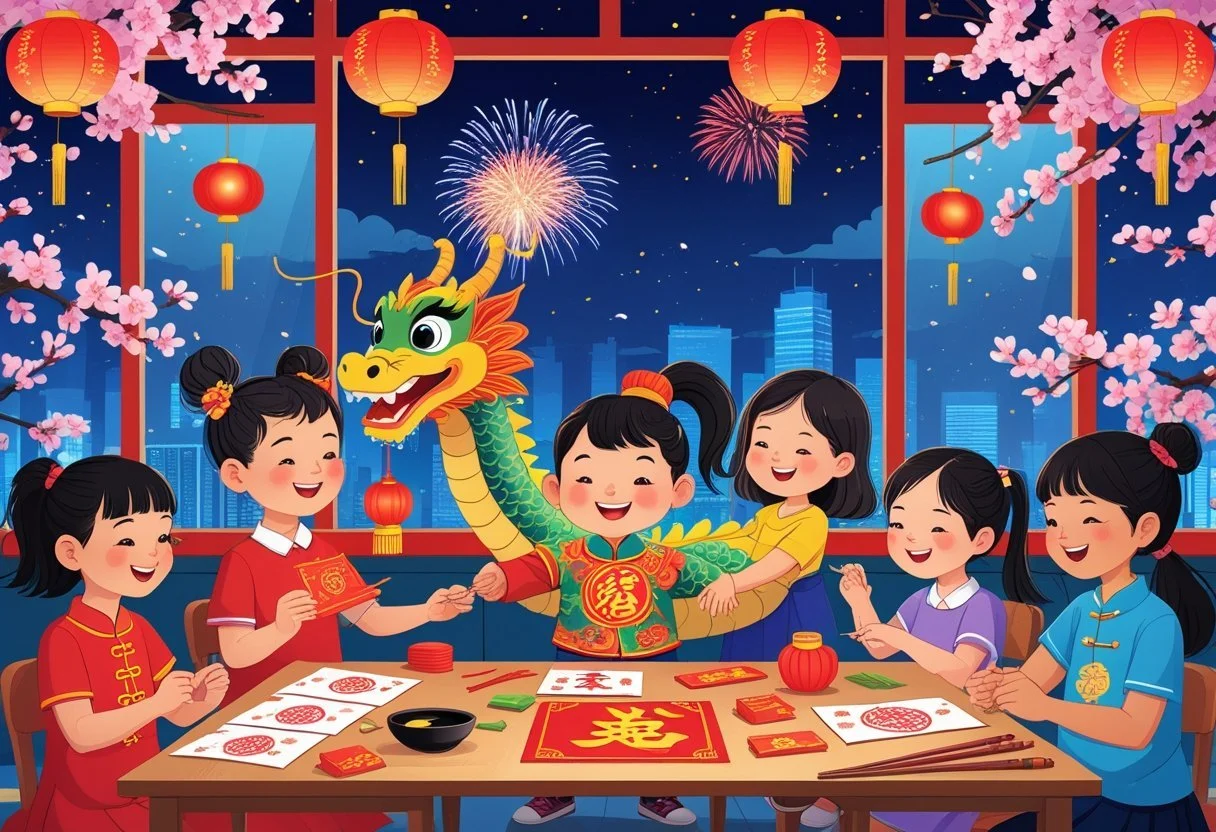
During Chinese New Year, families and communities mark the celebration with unique traditions that highlight joy, luck, and togetherness. These activities shape the atmosphere of the holiday and connect people with centuries-old customs.
Dragon and Lion Dances
Dragon and lion dances are signature performances during the Chinese Lunar New Year. Teams of dancers wear bright, colorful costumes and bring giant puppets to life. The dragon is long and snake-like, controlled by a group moving in unison. It symbolizes strength, luck, and power.
Lion dances use a two-person lion costume. The lion's movements are lively and playful, with one person controlling the head and another manipulating the tail. These dances are often performed at parades, public squares, and even in front of shops.
The music features loud drums, cymbals, and gongs to scare away evil spirits. It is believed these dances bring good fortune to the community. Crowds gather to watch, cheer, and sometimes hand lucky money to the performers for even more blessings.
Giving Red Envelopes
A key tradition of Chinese New Year is the giving of red envelopes, called hongbao in Mandarin. Adults give these small red packets to children, unmarried relatives, and sometimes friends or employees. The red color stands for good luck and protection from misfortune.
Each envelope contains money, but the amount can vary. The act of giving is more important than the sum inside. It is customary to give even-numbered amounts, avoiding the number four, as it sounds like "death" in Chinese.
Red envelopes are usually given on New Year’s Eve or New Year’s Day. Giving them is seen as a way to send blessings for health, happiness, and prosperity in the coming year. This gesture helps strengthen family bonds and friendships during the holiday.
Fireworks and Firecrackers
Setting off fireworks and firecrackers is a spectacular part of Chinese New Year celebrations. According to tradition, the loud noises are meant to chase away evil spirits and the mythical beast called “Nian” that is scared by noise and bright light.
Firecrackers are often set off right at midnight to mark the start of the new year. Public displays include large, colorful fireworks lighting up the night sky. Many families also set off smaller firecrackers at home to welcome the new beginning.
This practice is not just for decoration or fun. It is deeply tied to Chinese beliefs about luck and safety. In some cities, there are now restrictions for safety reasons, but the sound of firecrackers is still a symbol of Chinese Lunar New Year for many. Families often gather outside together, making this a special and memorable event.
Teaching Chinese New Year in the Classroom
Teaching Chinese New Year in the classroom helps students learn about key traditions, explore world cultures, and understand the significance of Lunar New Year in different communities. This approach can foster inclusiveness and support students from diverse backgrounds.
Lesson Plans and Educational Resources
Teachers can begin with a simple overview of Chinese New Year, also known as Lunar New Year, by highlighting its historical background, symbols, and customs. Classroom reading materials such as picture books, short videos, and informational texts make the holiday relatable.
A sample week might include a daily focus, such as:

Educators often use printable worksheets, themed decor, and multimedia to reinforce learning. Recommended activities include vocabulary flashcards, matching games, and question prompts. Many educational websites offer free resources for teachers, including coloring pages, craft templates, and lesson outlines that meet curriculum standards.
Cultural Sensitivity and Inclusivity
It’s important for teachers to present Chinese New Year in a way that respects the tradition’s roots while celebrating its diversity. Not every student may celebrate the holiday the same way, so educators should avoid stereotypes and ask students with Chinese or Asian backgrounds if they wish to share personal experiences.
Creating an open environment means teachers should use correct terminology, such as “Lunar New Year,” to include Korean, Vietnamese, and other cultures that celebrate. Classroom discussions should focus on why different groups observe the festival and what it means to them.
Teachers can promote inclusivity by displaying greetings in multiple languages and including stories or traditions from various Asian cultures. This helps students feel seen and valued, and increases cultural understanding among all classmates.
Engaging Student Projects
Hands-on projects make Chinese New Year memorable and fun. Popular ideas include paper lantern-making, dragon masks, and Chinese character calligraphy. Teachers can organize a simple parade where students display their crafts and explain their meaning.
Students may also enjoy trying traditional foods like dumplings or tangyuan, if allowed. Sharing food can be a good way to talk about family customs.
Another activity is creating a class bulletin board showing the Chinese zodiac animals, letting each child pick their zodiac, and research its traits. Short presentations, storytelling, and group work round out the experience, making the holiday relevant and interactive for all students.
The Lantern Festival
The Lantern Festival is an important part of Chinese New Year celebrations. It brings people together to view lantern displays, enjoy sweet rice balls, and take part in fun activities.
Meaning and Significance of Lantern Festival
The Lantern Festival, also called Yuanxiao Festival, takes place on the 15th day of the first lunar month. This day marks the end of Chinese New Year celebrations. It is known for beautiful lantern displays, fireworks, and traditional foods.
Families gather to enjoy the first full moon of the lunar year. Tangyuan, or sweet glutinous rice balls, are eaten to symbolize reunion and togetherness. Lanterns often have riddles or good luck messages written on them. This connects the festival to hope, light, and wishing for the best in the new year.
Celebrated for over 2,000 years, the Lantern Festival is rooted in the Han Dynasty. It remains a time for family, honoring traditions, and looking forward to new beginnings.
Classroom Activities Involving Lanterns
Teachers can help students experience the Lantern Festival through hands-on projects. One simple activity is making paper lanterns using colored paper, tape, and string. Students can decorate their lanterns with symbols of luck or write their own wishes on them.
Another fun classroom idea is a lantern riddle game. Riddles are written on pieces of paper and attached to the lanterns. Students can work in groups to solve these riddles.
For a food-based activity, students can learn how to make tangyuan (sweet rice balls). This helps them understand the meaning of togetherness behind the food. Watching video clips or celebrating with a lantern display in the classroom can also bring the festival to life.
Modern Celebrations Around the World
Chinese New Year, also known as Lunar New Year or Spring Festival, is now celebrated in many countries beyond China. These celebrations often reflect both traditional customs and new local influences.
Global Chinese New Year Events
Major cities like New York, London, and Sydney host Chinese New Year parades with lion dances, dragon dances, and fireworks. In Chinatown districts, streets are decorated with red lanterns and banners showing wishes for good luck.
Public events often include martial arts shows, cultural performances, and food festivals. Some cities hold outdoor fairs with booths for crafts, calligraphy, and traditional snacks. For example, in Singapore and Malaysia, light shows and night markets draw large crowds, while San Francisco is known for the oldest and one of the largest Lunar New Year parades outside Asia.
Many events welcome people from all backgrounds, helping to share Chinese culture and traditions. Governments and local organizations often support celebrations to recognize the value of diverse cultural heritage.
Adapting Traditions in Different Cultures
Chinese families living abroad usually continue their own traditions but may adapt them to their new home countries. For example, in Vietnam, Tet marks the Lunar New Year with its own foods and customs. In Korea, Seollal is celebrated with special games and meals.
Some traditions change based on local resources or community needs. Instead of setting off firecrackers, some areas host public fireworks for safety. In places with smaller Chinese populations, families may gather for a meal at a restaurant instead of at home.
Children often receive lucky red envelopes, though the gift can be money or even small gifts, depending on the country. Schools, museums, and community centers teach about the holiday to help people of all backgrounds understand its significance. These adaptations help keep the celebration meaningful while making it accessible to those outside its original culture.
Frequently Asked Questions
Teachers can help students learn about Chinese New Year by using hands-on activities, stories, and group discussions. Free and low-cost teaching resources are available online for students of all ages, including preschool and elementary school.
What are some engaging activities for students to learn about Chinese New Year?
Students can make red paper lanterns or dragon masks. They might learn about the Chinese zodiac animals and draw or act out stories about each one.
Parade reenactments and simple cooking activities like making dumplings give students a chance to explore culture through movement and food. Group games about lucky traditions also keep students interested and involved.
Where can I find free resources for teaching elementary students about Chinese New Year?
Websites for teachers and parents often share free lesson guides, worksheets, and videos. Many educational blogs have downloadable activities and craft ideas.
Sites like BBC Teach, Storyboard That, and popular teacher blogs offer printable handouts and simple scripts for classroom learning. Public libraries may also have storybooks and activity kits focused on Chinese New Year.
How can I incorporate Chinese New Year in a preschool curriculum?
Preschool teachers can read stories about Lunar New Year celebrations and show short, simple videos. Preschoolers can create bright crafts such as lanterns or decorate the classroom with red and gold items.
Singing songs and using pretend play, like making a "lion dance," help young children join in. Teachers can include counting activities using coins or oranges, both symbols of luck.
Could you suggest a lesson plan focused on Chinese New Year?
One lesson can start with a story about how families celebrate Lunar New Year in China. Students then list or draw items seen during the celebration, like red envelopes or firecrackers.
After discussing the zodiac, students make crafts based on their own birth year animal. The lesson can end with a class parade or a simple tasting of traditional festival snacks.
What are appropriate Chinese New Year activities for kids of different ages?
Young children may enjoy crafts, sing-alongs, and listening to stories. Coloring zodiac animals or making simple decorations works well.
Older students can research customs like preparing lucky foods or the meaning behind dragon dances. They may write reports, perform short plays, or work on group projects about the history and symbols of the holiday.
What are some educational resources to teach about the Lunar New Year?
Teachers can use picture books, short articles, and video clips that explain Chinese New Year traditions. Websites like BBC Teach or Storyboard That have themed lesson plans.
Printable materials, worksheets, and interactive games focused on the zodiac or traditional foods help bring the topic to life for students at all levels. Many educational publishers provide classroom kits with activities and readings tailored for Lunar New Year.