

6–10 MATH ADDITION Teaching Strategies for Effective Classroom Learning
Discover proven strategies to teach addition within 6–10. Build number sense, use visual models, and strengthen math fluency with engaging classroom methods.

Guide to Teaching Addition 1 to 5: Effective Strategies for Early Learners
Learn how to teach addition from 1 to 5 with fun, visual, and hands-on strategies perfect for preschool and early primary learners. Boost math confidence early!
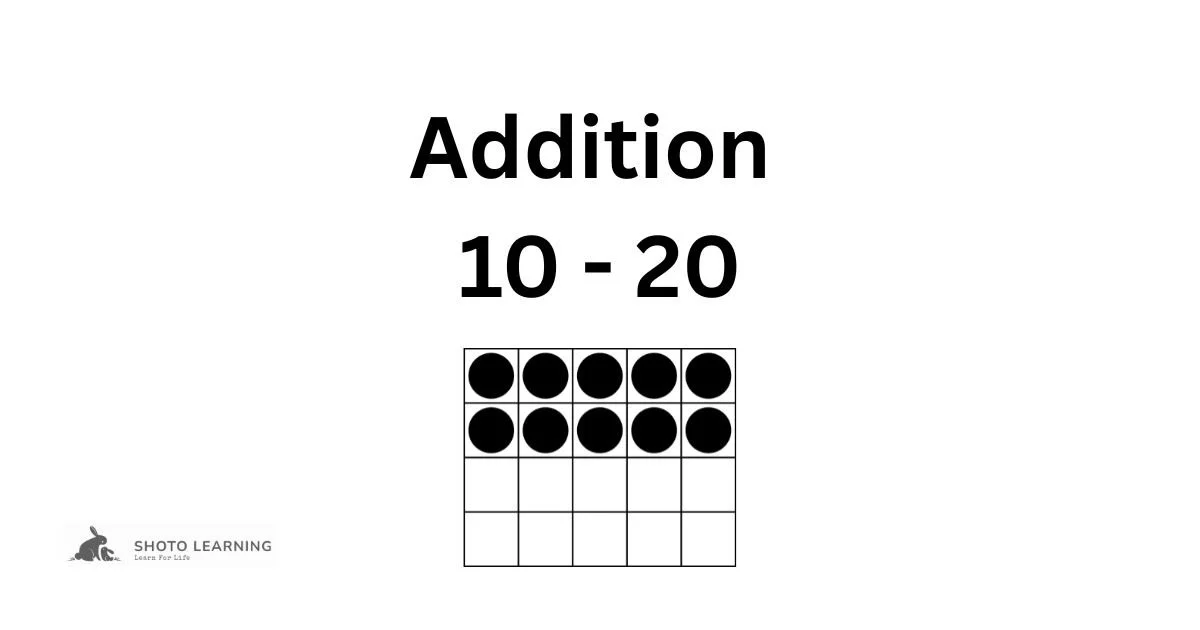
Guide to Teaching Addition 10–20: Effective Strategies for Confident Learners
Discover effective ways to teach addition facts from 10 to 20. This guide offers fun strategies using manipulatives, number lines, and place value concepts.

The Ultimate Guide to Teaching Addition 0–20: Mastering Strategies for Success
Unlock the secrets to teaching addition from 0 to 20 with effective tools, engaging games, and mental strategies that build number sense and math confidence.

Boost Student Math Skills with Subtraction Worksheets: Proven Techniques for Academic Success
Struggling with subtraction? Boost student confidence and accuracy with targeted subtraction worksheets. Learn how visual models, fun games, and mental math strategies can transform learning. Download free worksheets and discover engaging teaching methods for subtraction mastery.

Skip Counting Mastery: Engaging 1-100 Missing Number Charts & Worksheets for Learning - Essential Tools for Elementary Math Skills Development
Skip counting is an essential math skill that strengthens number sense, pattern recognition, and multiplication foundations. Discover fun and interactive 1-100 missing number charts and worksheets to help students master skip counting effortlessly!

Master Skip Counting with 1-120 Number Charts and Worksheets: A Comprehensive Guide for Mathematical Fluency
Skip counting is a vital math skill that builds number fluency, multiplication readiness, and pattern recognition. Explore 1-120 charts & worksheets to help students master counting by 2s, 5s, 10s, and more through engaging exercises.

How to Teach Single Digit Addition with 0-9 Horizontal Math Practice Worksheets: Effective Strategies for Building Early Number Fluency
Learn how to teach single digit addition with horizontal math practice worksheets. Discover strategies to boost early number fluency and make learning fun for kids.

Measurement Activities for Kindergarten: Engaging Lessons for Sizes, Weights, and Capacities
Teach measurement through engaging, hands-on activities. Kindergarten students explore size, weight, and capacity using everyday objects and simple comparisons.

Mastering Addition 0 to 9: Effective Methods and Engaging Activities for Teaching Single-Digit Numbers
Help students master single-digit addition (0–9) with engaging strategies, hands-on activities, and visual tools. Build confidence and strong math foundations.

Addition 0 to 5: Engaging Strategies to Build Early Math Skills in Young Learners
Teaching addition with numbers between 0 and 5 is a crucial step in developing children's early math skills. This blog explores effective strategies like using visual aids, hands-on activities, worksheets, and games to make learning fun and engaging. By incorporating real-life examples, educators can help young learners understand the importance of addition in everyday life, setting the stage for future mathematical success.

Mastering Place Value with Teen Numbers: Effective Strategies for Teaching Numbers up to 20
Teen numbers can be tricky! Use clear visuals, manipulatives, and proven strategies to help students understand place value and build number sense with numbers up to 20.

Counting Beyond 20: Fun Strategies to Boost Your Child's Math Skills at Home
Many kids can count to 20—but what comes next? Discover playful strategies to help your child confidently count higher numbers and build stronger math skills.

Mastering Sudoku: A Comprehensive Guide for Educators
Sudoku is more than just a fun puzzle; it's a powerful tool for enhancing logical thinking, problem-solving, and concentration skills in students. This captivating 9x9 grid puzzle challenges players to fill each row, column, and 3x3 box with the numbers 1 to 9, without any repetitions. In this guide, we’ll explore effective strategies for teaching Sudoku, including starting with simple puzzles, clearly explaining the rules, emphasizing logical reasoning, and making learning fun. Discover how you can integrate Sudoku into your teaching to boost cognitive skills and foster collaboration among students.

Mastering the Art of Counting Backwards: A Guide for Parents and Educators
Counting is a fundamental skill for young learners, and while counting forward is common, mastering counting backwards is equally important. This skill enhances children's understanding of numbers and lays the groundwork for advanced math concepts. In this guide, we share effective strategies for teaching counting backwards, including starting with simple numbers, using visual aids, playing interactive games, incorporating music, and emphasizing consistent practice. Help your child develop confidence in their numerical abilities and prepare them for future math success!

Mastering Skip Counting: A Key Math Skill for Students
Skip counting is a fundamental math skill that helps students recognize patterns, understand numerical sequences, and simplify multiplication and division. By counting numbers in intervals—such as by twos, threes, or fives—students can enhance their mathematical fluency. Effective teaching strategies include starting with the basics, using visual aids, encouraging regular practice, integrating real-life examples, making learning fun, and providing positive feedback. Mastering skip counting not only builds confidence in math but also prepares students for more advanced arithmetic concepts.

Understanding the Least Common Multiple (LCM): A Comprehensive Guide for Educators
Understanding the Least Common Multiple (LCM)
The Least Common Multiple (LCM) is a vital math concept introduced in elementary school, serving as a foundation for more advanced topics. This guide will explore effective strategies for teaching LCM, starting with an introduction to multiples—numbers divisible by another without a remainder. Students will learn to identify common multiples and discover that the LCM is the smallest multiple shared by two or more numbers.
Using methods like prime factorization, educators can help students find the LCM of multiple numbers, enhancing their understanding and problem-solving skills. Practice problems are essential for mastery, enabling students to apply their knowledge confidently. By following these steps, educators can effectively teach LCM, preparing students for future mathematical challenges.

Understanding Improper Fractions: A Comprehensive Guide for Students
Understanding Improper Fractions: A Comprehensive Guide for Students
As students progress in their math education, they will encounter improper fractions, which are fractions where the numerator is greater than or equal to the denominator (e.g., 74\frac{7}{4}47). Teaching this concept can be simplified with effective strategies. Start by using visual aids like colored blocks or pie charts to help students visualize these fractions. Reinforce the understanding of whole numbers and introduce basic fractions before clearly defining improper fractions. Teach students how to convert improper fractions into mixed numbers and provide ample practice problems to build confidence. By following these strategies, educators can help students master improper fractions and succeed in their math studies.

Reducing Fractions to Their Lowest Terms: A Comprehensive Guide
Reducing fractions to their lowest terms is a fundamental skill in mathematics that students learn in elementary and middle school. This process involves simplifying fractions by dividing both the numerator and denominator by their greatest common factor (GCF) until no further reduction is possible. In this guide, we will explore essential teaching strategies, including understanding equivalent fractions, finding the GCF, and providing practice problems. Additionally, we'll discuss how real-world applications make this concept relatable for students, ensuring they master the art of fraction reduction confidently.
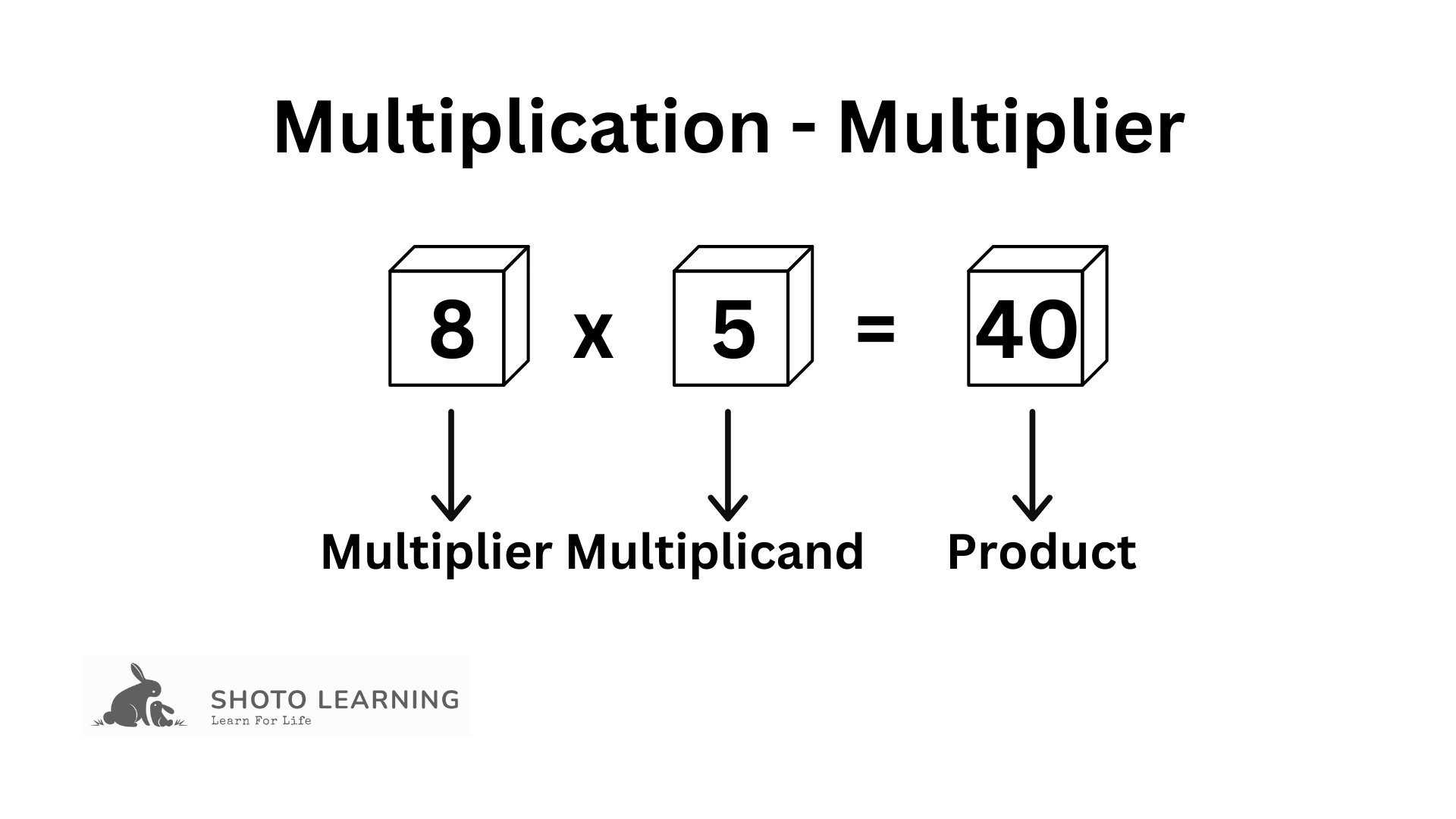
Mastering Multiplication: Understanding the Multiplier
Multiplication is a foundational arithmetic operation that involves repeated addition to find the product of two or more numbers. Understanding the multiplier—the number that indicates how many times to add the multiplicand—is essential for mastering multiplication. In this blog, we'll explore effective strategies for teaching multiplication, including skip counting, visual aids, real-world applications, engaging games, and the importance of regular practice. By focusing on the multiplier, educators can help students build a strong foundation in their multiplication skills.